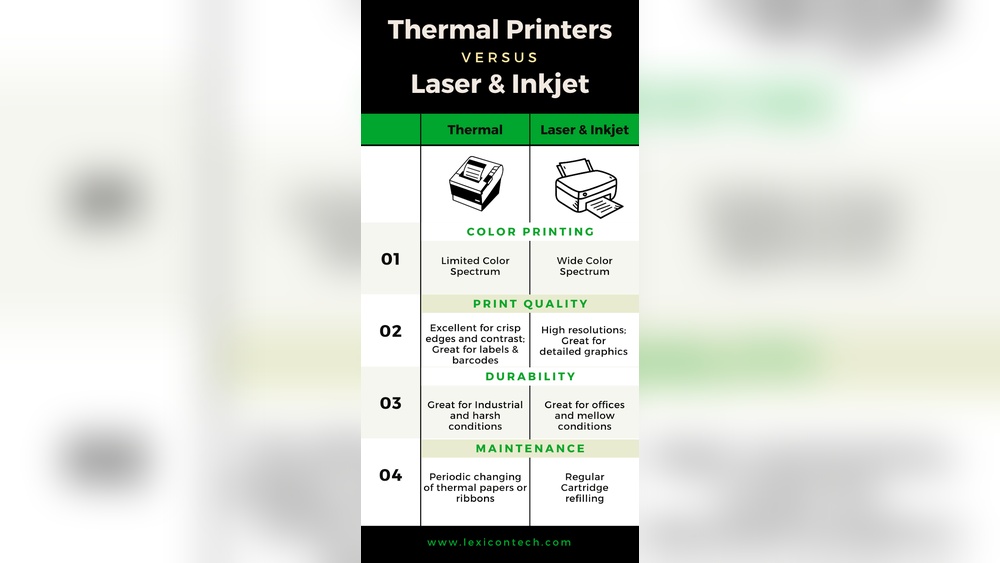
Are you wondering if thermal printers can print in color? You’re not alone.
Thermal printers are known for crisp, fast, and reliable printing, but most people associate them only with black and white prints. What if you need colorful labels, vibrant photos, or eye-catching receipts? Can your thermal printer handle that? Understanding the types of thermal printers and their color capabilities will help you choose the right one for your needs and avoid costly mistakes.
Keep reading to discover which thermal printers can print color, how they work, and when you should consider them for your business or personal use.
Color Printing With Thermal Technology
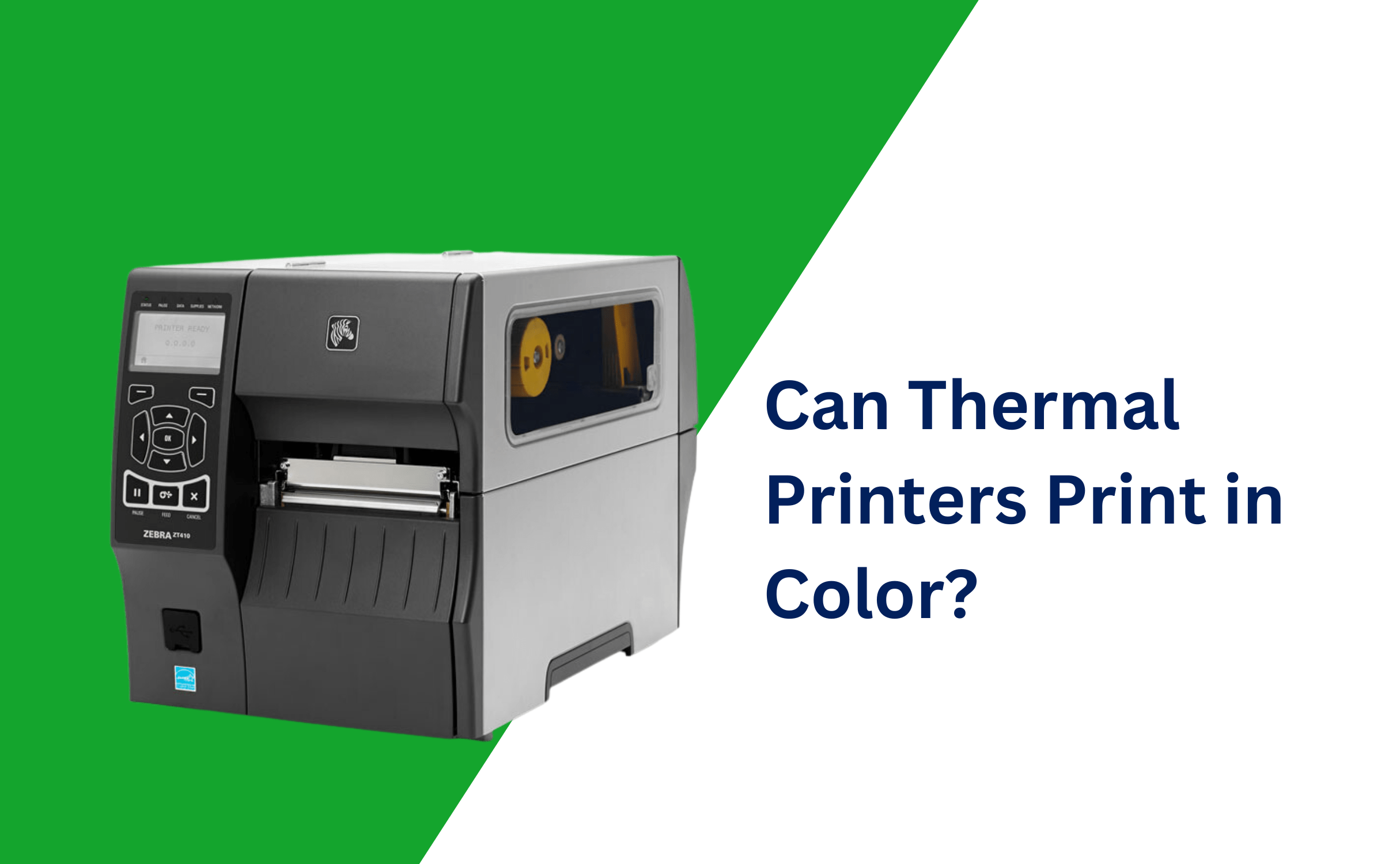
Color printing with thermal technology offers a unique way to produce vibrant images. Traditional thermal printers mostly print in black and white. Yet, new types allow color printing by using special methods. These printers provide good quality and quick results. They work differently than regular inkjet or laser printers.
Understanding how thermal printers print in color helps choose the right device. The technology uses heat to create images on special paper or labels. Color thermal printers often use ribbons or special color papers. This process ensures colors appear clearly and last longer.
How Color Thermal Printing Works
Color thermal printers use a method called thermal transfer. The printer heats a ribbon coated with colored wax or resin. The heat melts the color onto the paper or label. Layers of different colors combine to form the final image. This method gives sharp and durable color prints.
Types Of Color Thermal Printers
There are mainly two types of color thermal printers. Direct thermal color printers use heat-sensitive paper with color layers. Thermal transfer color printers use color ribbons to print on plain paper. Thermal transfer printers offer better color quality and durability. Direct thermal color printers are simpler but less common.
Applications Of Color Thermal Printing
Color thermal printers are popular in many fields. They print labels with logos, barcodes, and colorful designs. Retail stores use them for price tags and product labels. Healthcare uses color thermal printers for patient wristbands. Food packaging often features color thermal prints for branding.
Direct Thermal Printers And Color Limits
Direct thermal printers use heat-sensitive paper to create images. They do not use ink, ribbons, or toner. This printing method limits the ability to produce color prints. The paper changes color only when heated. Usually, the color change is black, sometimes blue. This means the printer can only print in one color at a time.
These printers are popular for receipts, shipping labels, and barcode printing. Their simplicity makes them fast and cost-effective. But the color options remain very limited due to the nature of the paper and printing process.
How Direct Thermal Printing Works
Direct thermal printers apply heat to special paper. The heat causes a chemical reaction in the coating. This reaction creates dark marks where the heat touches. No ink or toner is needed in this process. The paper must be sensitive to heat to work properly.
Color Limitations Of Direct Thermal Printers
Most direct thermal printers print only black or dark blue. The paper is usually white or light-colored. The heat changes only one color on the paper. This limits printing to simple text or monochrome images.
Specialty Papers For Color Effects
Some thermal papers can produce limited colors. These papers have different heat-sensitive layers. When heated, they change to a set color. The colors are usually basic and not very bright. This is not the same as full-color printing.
Alternatives For Color Thermal Printing
To print full color, other technologies are required. Thermal transfer printers use ribbons with color ink. These printers can produce vibrant, multi-color prints. They are better suited for labels and images needing color. Direct thermal printers remain limited in color use.
Thermal Transfer Printers Explained
Thermal transfer printers create durable, high-quality prints using heat. They use a ribbon coated with ink, which melts onto the paper. This method differs from direct thermal printers that print directly on heat-sensitive paper.
These printers can print on various materials such as paper, plastic, and fabric. The print quality is sharp and long-lasting, suitable for labels, barcodes, and signs. Color printing is possible with thermal transfer printers by using colored ribbons.
How Thermal Transfer Printing Works
A thermal print head heats specific areas on the ribbon. The heat melts the ink on the ribbon onto the printing surface. This process transfers the image or text clearly and precisely.
The ribbon and material move together, allowing continuous printing. This method produces crisp images and text that resist smudging and fading.
Types Of Ribbons Used
Thermal transfer ribbons come in wax, resin, or wax-resin types. Wax ribbons are best for paper labels and offer good print quality. Resin ribbons are more durable and resistant to chemicals and heat.
Wax-resin ribbons combine both qualities, providing sharp images with better durability. Color ribbons are available but less common and usually more expensive.
Color Printing Capabilities
Thermal transfer printers can print in color using special ribbons. These ribbons contain colored inks like red, blue, green, and yellow. Printing in color requires changing the ribbon or using multi-color ribbons.
Color thermal transfer printing is slower and costlier than black-and-white printing. It suits labels and tags that need color coding or branding.
Credit: www.lexicontech.com
Dye-sublimation For Full-color Prints
Dye-sublimation printers use heat to transfer dye onto materials, creating smooth, full-color images. Unlike standard thermal printers, they produce vibrant and detailed prints. This method suits photos, fabrics, and signs needing rich color quality.
Dye-sublimation Technology Explained
Dye-sublimation printers use heat to transfer dye onto special paper or materials. The dye turns from solid to gas without becoming liquid. This process creates smooth, vibrant colors with no dots or streaks.
The printer has color panels with cyan, magenta, yellow, and sometimes black. It applies each color layer by layer. The heat fuses the colors into the printing surface for detailed images.
Advantages Of Dye-sublimation Printers
These printers produce rich and long-lasting colors. The prints resist fading and water damage better than inkjet prints. They are ideal for photos, ID cards, and product labels.
Prints come out dry and ready to use immediately. The smooth finish looks professional. Dye-sublimation printers work quietly and fast, making them great for small businesses.
Common Uses For Full-color Thermal Prints
Businesses use dye-sublimation for printing photos and badges. It is popular in event ticket printing and customized gifts. Retailers also print vibrant labels and wristbands with these printers.
Home users enjoy dye-sublimation for photo printing. The ability to print on various materials expands creative options. This technology brings color printing to many thermal printing tasks.
Comparing Monochrome And Color Thermal Printing
Thermal printing uses heat to create images on paper. Most thermal printers print in monochrome, producing black or dark images. Color thermal printing is less common and uses special technology. Understanding the differences helps choose the right printer for your needs.
Monochrome thermal printers are simple and cost-effective. They work by heating paper that changes color where touched. This method is fast and reliable. It suits receipts, labels, and tickets where color is not needed.
Color thermal printers use special ribbons or papers with multiple color layers. The printer applies heat in patterns to mix colors and form images. This process is more complex and slower than monochrome printing.
Print Quality And Detail
Monochrome thermal printing offers sharp and clear text. It handles fine details well but cannot show colors. Color thermal printing adds visual appeal with vibrant images. It can print logos and graphics but may lose some sharpness.
Cost And Maintenance
Monochrome printers are cheaper to buy and run. They need only plain thermal paper. Color thermal printers require special color ribbons or papers. These supplies cost more and need regular replacement.
Speed And Efficiency
Monochrome printing is faster due to its simple process. It suits high-volume printing tasks. Color printing takes longer because it layers colors carefully. It is better for low-volume or special prints.
Applications And Uses
Monochrome thermal printers work well for receipts, shipping labels, and barcodes. Color thermal printers fit marketing materials, product labels, and photo printing. Color adds value where appearance matters.
Top Thermal Printers That Print Color
Color thermal printing is possible with the right machines. These printers use special ribbons or technology to add color. They are ideal for labels, photos, and small graphics. Here are some of the best thermal printers that print color. Each offers unique features for different needs and budgets.
Primera Lx500 Color Label Printer
The Primera LX500 prints vibrant color labels. It uses thermal ink transfer technology. This printer creates durable, high-quality prints on various materials. It suits small businesses needing colorful product labels. The LX500 offers fast printing and easy setup.
Brother Vc-500w Color Label Printer
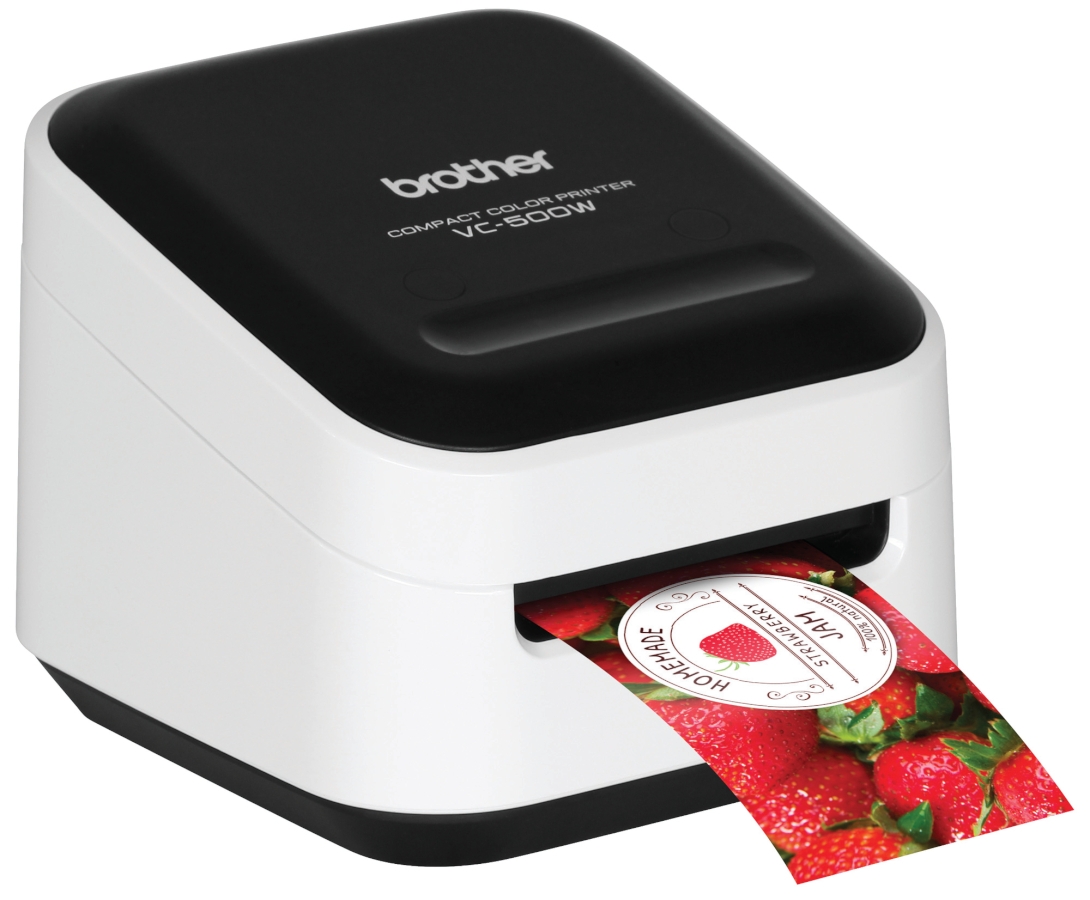
The Brother VC-500W prints full color labels on demand. It uses ZINK zero-ink technology, needing no ink cartridges. This compact printer is perfect for home or office use. It connects wirelessly to smartphones and computers. The VC-500W supports glossy and matte labels.
Ribuluo Crenova Portable Color Thermal Printer
The Ribuluo Crenova is a portable color thermal printer. It prints photos and labels with bright colors. This printer is lightweight and easy to carry. It connects via Bluetooth for mobile printing. Ideal for on-the-go label or photo printing.
Hp Sprocket Portable Photo Printer
The HP Sprocket prints colorful photos using thermal technology. It is small and fits in your pocket. The Sprocket connects to mobile devices via Bluetooth. It uses special ZINK paper to produce smudge-proof prints. Great for instant photo sharing.
Primera Lx910 Color Label Printer
The Primera LX910 offers high-volume color label printing. It uses thermal ink transfer with vivid colors. This printer supports a wide range of label sizes. It is ideal for medium to large businesses. The LX910 provides fast, professional-quality prints.
Choosing The Right Printer For Your Needs
Choosing the right thermal printer depends on your specific printing needs. Different printers serve different purposes. Some focus on speed and simplicity. Others offer more features and color options. Knowing what you want helps you pick the best printer.
Consider how often you will print and what type of prints you need. Color printing requires more advanced technology. Not all thermal printers can print in color. Some use special ribbons or inks to add color. Others rely on heat-sensitive paper and print only in black or blue.
Understanding Your Printing Volume
High-volume printing needs a printer with fast output and durability. Low-volume use may not require a heavy-duty model. Choose a printer that fits your workload to save money and time.
Color Printing Capabilities
Most thermal printers print only in black or monochrome colors. Color thermal printers exist but are less common. They use special ribbons or inks for color images. Check if the printer supports the colors you need.
Print Quality And Resolution
Print quality varies between models. Higher resolution means sharper images and text. Choose a printer that matches your quality expectations. For logos or photos, a higher resolution is better.
Connectivity Options
Printers connect via USB, Bluetooth, or Wi-Fi. Wireless options add convenience. Match the printer’s connectivity to your devices. Easy setup saves time and hassle.
Cost And Maintenance
Price is a key factor for many buyers. Consider both initial cost and ongoing expenses. Color thermal printers often cost more and need special supplies. Factor in the cost of ribbons, paper, and repairs.
Pros And Cons Of Color Thermal Printers
Color thermal printers bring a fresh take on traditional thermal printing. They use heat to produce images but add colors by special inks or ribbons. These printers suit many tasks, such as labels, photos, and small posters. Understanding their pros and cons helps decide if they fit your needs.
Advantages Of Color Thermal Printers
Color thermal printers are fast and quiet. They need less maintenance than inkjet or laser printers. These printers use special ribbons or inks that last a long time. The prints resist water and smudging well. They are great for printing vibrant labels and colorful tags. Their compact design saves space in small offices or shops.
Disadvantages Of Color Thermal Printers
Color thermal printers usually cost more than black-and-white models. The print quality may not match high-end inkjet or laser printers. They often print slower in color mode. The color range is limited compared to other printing methods. Replacement ribbons and special papers can be expensive. Not all thermal printers support full color, only certain models do.
Applications For Color Thermal Printing
Color thermal printing offers vibrant and clear images on various materials. This technology suits many industries needing fast, colorful prints. It blends speed and quality, making it a practical choice.
Businesses use color thermal printers to create eye-catching labels and receipts. These printers help brands stand out with colorful branding on packaging. The bright colors attract customers and improve product appeal.
Retail And Product Labeling
Color thermal printing produces attractive product labels quickly. Retailers use it to print price tags and promotional stickers. The colorful labels provide essential product information clearly. They also enhance shelf appeal and customer interest.
Healthcare And Laboratory Use
Healthcare facilities print patient wristbands and lab sample labels in color. This improves identification and reduces errors. Color coding helps staff quickly recognize different categories or priorities. It supports safety and efficiency in busy environments.
Event And Ticket Printing
Events use color thermal printers for vibrant tickets and passes. The colorful prints make tickets harder to duplicate. They also provide space for logos and graphics. This adds professionalism and security to event management.
Food And Beverage Industry
Restaurants and food producers print colorful labels for packaging and menus. These labels highlight ingredients, expiration dates, and branding. The fast printing process supports high-volume production. Colorful labels help food items catch customers’ eyes.
Photo Printing And Personal Use
Compact color thermal printers create instant photos and stickers. They are popular for scrapbooking and personal projects. Users enjoy quick, vibrant prints without needing ink cartridges. This makes photo printing simple and fun at home or on the go.
Credit: www.gainscha.com.tw
Future Trends In Color Thermal Printing
The world of thermal printing is evolving rapidly. Color thermal printing is no longer a distant dream. New technologies promise brighter colors and sharper images. These innovations will change how businesses use thermal printers.
Expect more affordable color thermal printers soon. They will serve small offices and home users. Improved print speed and quality will attract more buyers. Color printing will become standard, not an extra feature.
Advancements In Thermal Printhead Technology
Printheads will become more precise and durable. This allows for better color accuracy and longer printer life. Manufacturers focus on reducing heat damage to color ribbons. These changes will improve print quality and reduce costs.
Use Of Eco-friendly And Cost-effective Materials
New ribbons and papers will be more eco-friendly. They will use less harmful chemicals and materials. At the same time, they keep print quality high. This trend supports sustainability and reduces waste.
Integration With Mobile And Cloud Applications
Printers will connect easily to smartphones and cloud services. Users can print color labels and receipts from anywhere. This feature suits businesses with mobile workforces. It also speeds up workflow and reduces errors.
Expansion Of Color Thermal Printing In New Markets
More industries will adopt color thermal printing. Retail, healthcare, and logistics will benefit most. Color codes improve product tracking and customer engagement. This trend drives demand for versatile color printers.
Credit: www.packagingdigest.com
Frequently Asked Questions
Can Thermal Printers Print In Color?
Standard direct thermal printers print only in monochrome, usually black or blue. Thermal transfer printers can print limited colors using colored ribbons. Full-color printing requires specialized dye-sublimation or advanced thermal printers, which are less common and more expensive.
Can An Inkless Thermal Printer Print In Color?
Standard inkless thermal printers print only in monochrome, usually black or blue. Specialized thermal transfer printers can print limited colors using colored ribbons, but full-color printing is rare and costly.
What Are 5 Disadvantages Of A Thermal Printer?
Thermal printers have limited color printing capabilities. They use special paper that fades over time. Print quality reduces with heat exposure. They require costly thermal paper. Their prints can be less durable than inkjet or laser prints.
Can Thermal Printers Only Print Black?
Standard direct thermal printers print only black or blue on heat-sensitive paper. Thermal transfer printers can print limited colors using colored ribbons. Full-color thermal printing exists but is rare and costly. Most thermal printers do not support full-color printing.
Can Thermal Printers Print In Color?
Standard thermal printers print only black or blue on heat-sensitive paper. Some specialized models can print limited colors.
What Types Of Thermal Printers Print Color?
Thermal transfer printers and some dye-sublimation printers can print in color using ribbons or special inks.
How Does Color Printing Work In Thermal Printers?
Color printing uses colored ribbons or inks heated to transfer dye onto paper in layers.
Are Color Thermal Printers Expensive?
Color thermal printers usually cost more than monochrome ones due to their complex technology and materials.
What Materials Do Color Thermal Printers Use?
They use color ribbons, special paper, or films designed to hold color dyes or pigments.
Can I Use Regular Thermal Paper For Color Printing?
No, color printing requires special paper compatible with color ribbons or inks.
Conclusion
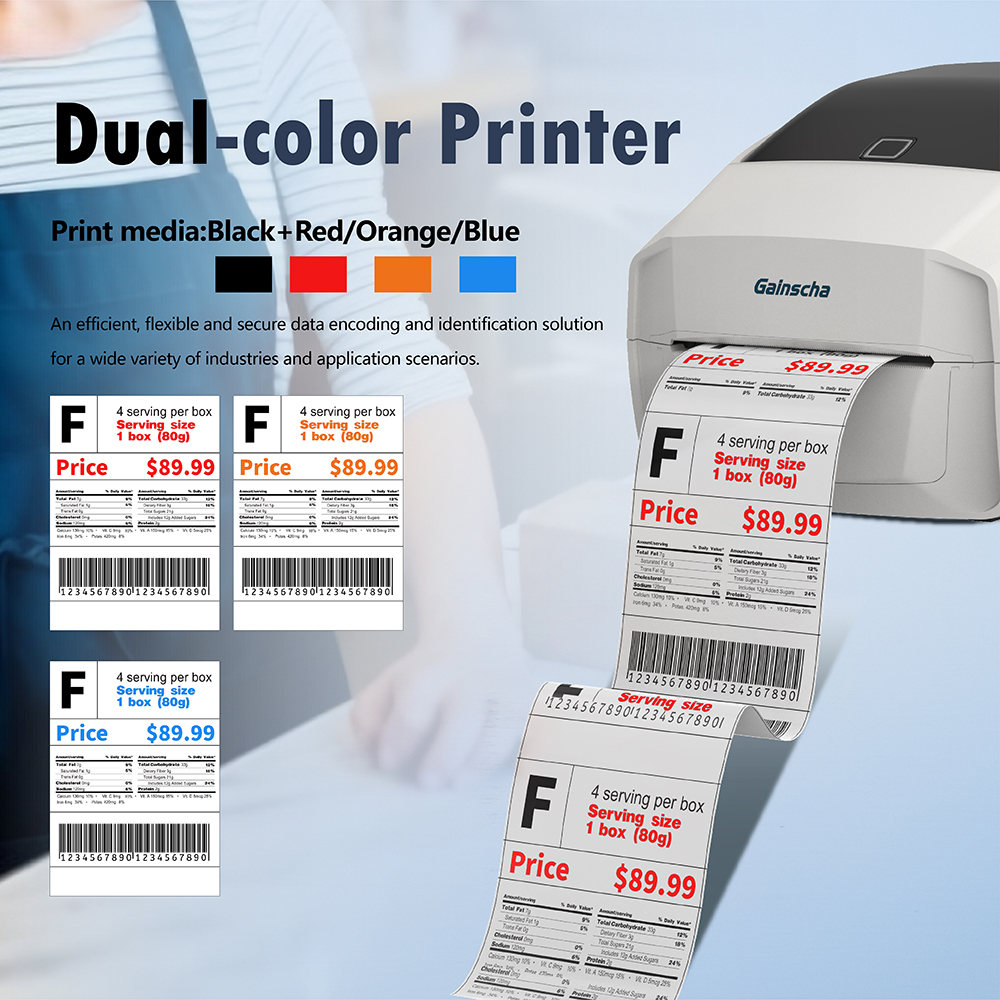
Color printing with thermal printers is possible but limited. Standard direct thermal printers print only black or blue. Thermal transfer printers use colored ribbons for multi-color prints. Dye-sublimation printers create full-color images but cost more. Some models offer two-color printing, like red and black.
Choosing the right printer depends on your color needs and budget. Color thermal printing suits labels, photos, or small projects. Understanding these options helps you find the best thermal printer. Color printing with thermal technology exists but often in specialized forms.