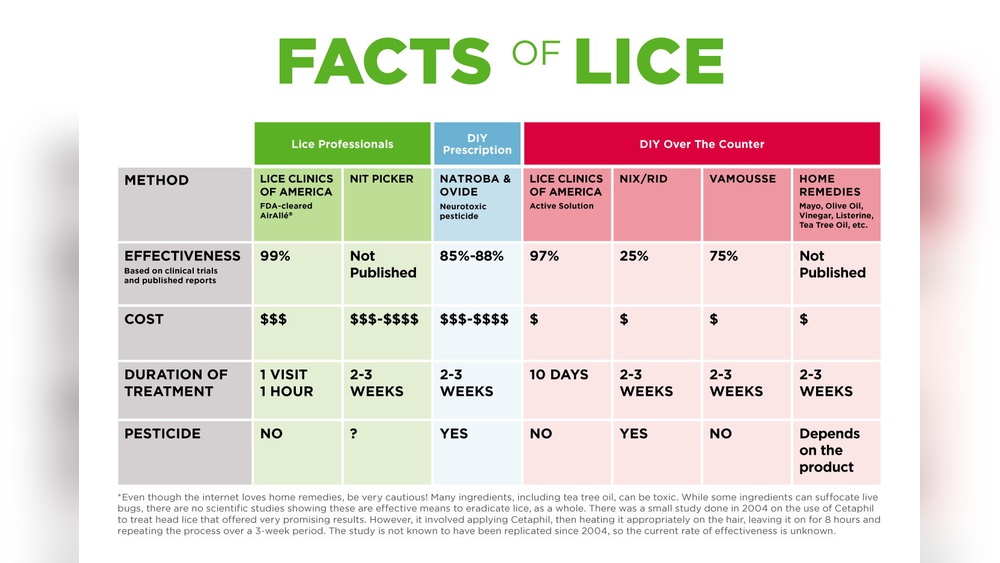
If you’re dealing with head lice, you might wonder if simply coloring your hair could get rid of them. After all, hair dye contains strong chemicals—could they be enough to kill lice and their eggs?
You’re not alone in asking this question, especially when lice treatments can be costly or time-consuming. But before you reach for that box of hair color, it’s important to know what really works and what doesn’t. You’ll discover the truth behind the myth: does hair color kill lice?
Keep reading to find out why relying on hair dye might not be the solution you’re hoping for—and what safer, more effective options you should consider instead.

Credit: www.licedoctors.com
Lice And Hair Dye Myths
Many people believe hair dye can kill lice instantly. This idea is popular but not true. Lice are tough bugs that survive harsh conditions.
Hair dye chemicals do not fully reach lice or their eggs. The eggs, called nits, have a hard shell. This shell protects them from chemicals in hair dye.
Understanding these myths helps choose the right lice treatment. Using hair dye alone can leave lice and nits alive. Proper lice removal methods work better.
Hair Dye Does Not Kill Lice Eggs
Nits are glued to hair strands tightly. Hair dye chemicals cannot break this bond. The hard shell of nits blocks chemicals from killing the eggs. This means eggs will hatch after dyeing.
Adult Lice Can Survive Hair Dye
Certain chemicals in hair dye might kill some lice. Most lice hide near the scalp where dye may not reach well. Many lice survive and keep laying eggs. Hair dye is not designed to kill lice effectively.
Dyeing Hair Can Spread Lice
Hair dyeing involves close contact with hair. This contact can spread lice to others. Brushing or combing hair during dyeing may move lice to clean hair. Dyeing does not stop lice from spreading.
Proper Lice Treatments Are More Effective
Special lice shampoos and combs target lice and nits. These treatments remove lice fully from hair. Hair dye cannot replace these proven methods. Use recommended lice treatments for best results.
How Hair Dye Chemicals Work
Hair dye changes the color of your hair using chemicals. These chemicals break down natural pigments inside hair strands. This process allows new color molecules to enter the hair shaft. The main chemicals in hair dye are ammonia and peroxide. Each plays a different role in changing hair color.
Ammonia Opens The Hair Cuticle
Ammonia makes the hair cuticle swell and lift. This opens tiny gaps so the dye can reach inside the hair. Without ammonia, the dye cannot enter the hair shaft properly. The cuticle is the outer protective layer of each hair strand.
Peroxide Lightens Natural Pigments
Peroxide removes the hair’s natural color by breaking down melanin. This lightening step prepares hair to accept the new color. The stronger the peroxide, the lighter the hair becomes. It also helps the new color molecules to fix inside the hair.
Dye Molecules Add New Color
Once the hair is lightened, dye molecules enter the hair shaft. These molecules attach to the inside of the hair. This creates a permanent or semi-permanent color change. The size and shape of dye molecules affect how long the color lasts.
Chemicals And Lice Interaction
Hair dye chemicals are not designed to kill lice. Some chemicals might harm adult lice on contact. Lice eggs have a hard shell that dye cannot penetrate. This means hair dye cannot kill lice eggs or fully remove lice.
Effectiveness Against Adult Lice
Adult lice live on the scalp and feed on blood. They move quickly and cling tightly to hair strands. Many people wonder if hair color can kill these stubborn pests.
Hair dye contains chemicals like ammonia and peroxide. These substances may harm some adult lice on contact. But the effect is often limited and not reliable.
Lice have a tough outer shell that protects them. This shell helps them survive many chemical treatments. Hair dye is not formulated to kill lice specifically. It does not target their biology or life cycle effectively.
Can Hair Dye Kill All Adult Lice?
Hair dye might kill some adult lice but not all. The chemicals do not reach every louse hidden in the hair. Many lice survive the coloring process. This means hair dye alone cannot clear a lice infestation.
Why Hair Dye Fails To Eliminate Lice
Adult lice can avoid chemicals by moving quickly. The dye does not fully coat the scalp or hair roots. Lice eggs, called nits, are especially resistant. These eggs stay firmly attached and survive the dye.
Better Alternatives To Treat Adult Lice
Medicated lice treatments target lice and nits more effectively. These products contain insecticides designed to kill lice. Manual removal with a fine-toothed comb helps remove lice and eggs. Combining treatments increases the chance of success.
Why Hair Dye Fails On Nits
Hair dye does not kill lice eggs, also called nits. The chemicals in hair dye are not made to destroy these tiny eggs. Many people think coloring hair can get rid of lice, but this is not true.
Nits have a hard shell that protects them from chemicals. Hair dye cannot reach inside this shell. Even strong chemicals like peroxide and ammonia cannot break this barrier. This means the eggs stay safe and can still hatch later.
Adult lice may die from some chemicals in hair dye. But not all lice are affected. Some lice hide from the dye or survive it. This makes hair dye an unreliable way to kill lice.
Hard Shell Protects Nits
Nits stick to hair tightly. Their shell is thick and strong. Chemicals in hair dye do not break this shell. The eggs remain safe and healthy. This allows new lice to hatch after dyeing.
Chemicals Not Made For Lice
Hair dye chemicals target hair color, not pests. They do not kill all lice or eggs. Lice can survive or hide from these chemicals. Hair dye only changes hair color, not lice presence.
Lice Can Avoid Chemicals
Adult lice move fast and hide well. They avoid harmful chemicals during dyeing. Some lice survive the hair dye process. This lets them keep living and laying eggs.
Better Ways To Remove Nits
Special lice treatments are best to kill nits. These treatments use chemicals that break egg shells. Combing hair with a fine-tooth comb removes nits. Hair dye is not a safe or effective lice treatment.
Risks Of Using Hair Dye For Lice
Using hair dye to treat lice carries several risks. Hair dye contains strong chemicals not meant for lice removal. These chemicals can harm your scalp and hair. Understanding these dangers helps make safer choices.
Scalp Irritation
Hair dye can irritate your scalp. Chemicals like ammonia and peroxide cause redness and itching. Sensitive skin may react worse. Irritation can lead to discomfort and soreness. Avoid applying dye on broken skin or sores.
Allergic Reactions
Allergic reactions to hair dye are common. Symptoms include swelling, rash, and burning sensation. Some people may develop severe allergies. Itching and difficulty breathing require immediate medical help. Always test dye on a small skin patch first.
Hair Damage
Hair dye weakens hair strands. Chemicals strip natural oils, causing dryness and breakage. Over time, hair becomes brittle and dull. Damaged hair may be harder to manage and style. Frequent dyeing increases the risk of severe damage.
Hair Dye And Children’s Safety
Hair dye does not reliably kill lice or their eggs. Chemicals in dye may harm some lice, but cannot reach nits. Safer, proven treatments work better for lice removal in children.
Parents often worry about using hair dye on children. Many want to know if hair dye can help with lice. Safety is the top concern when thinking about hair dye for kids.
Chemicals in hair dye can cause skin irritation. Children’s skin is more sensitive than adults’. Reactions can include redness, itching, or swelling. It is important to test a small area first.
Hair dye is not made to kill lice or their eggs. The chemicals may kill some lice but not all. Nits have a hard shell that dye cannot reach. Relying on hair dye alone is not safe or effective for lice removal.
Potential Risks Of Hair Dye For Children
Children may have allergic reactions to hair dye ingredients. These reactions can be mild or severe. Some dyes contain ammonia and peroxide, which can irritate eyes and scalp. Always follow product instructions carefully.
Hair dye can cause chemical burns if left on too long. Use only products labeled safe for children. Consult a doctor before applying hair dye on kids under 12 years old.
Safe Alternatives For Treating Lice In Children
Use lice treatments designed specifically for children. These treatments target lice and nits safely. Comb wet hair with a fine-toothed lice comb to remove eggs.
Wash bedding and clothes in hot water to kill lice. Avoid home remedies that are unproven or unsafe. Consult a healthcare professional for advice and treatment options.
Comparing Hair Dye To Lice Treatments
Comparing hair dye to lice treatments helps understand which option works better. Many people wonder if hair dye can kill lice. Hair dye contains chemicals that change hair color but are not made to kill lice or their eggs. Lice treatments are created specifically to remove lice and nits safely and effectively.
Effectiveness Against Lice
Hair dye may kill some adult lice due to its chemicals. It cannot kill lice eggs, called nits. Lice treatments target both lice and nits. They contain ingredients that break the lice life cycle. This stops lice from coming back.
Safety For Scalp And Hair
Hair dye can irritate sensitive skin. It may cause allergic reactions or damage hair. Lice treatments are tested for safety on scalps. They are made to be gentle but strong against lice. Using hair dye for lice can cause harm without fully solving the problem.
Application Process
Applying hair dye involves covering all hair strands. It requires careful timing and rinsing. Lice treatments often include combing to remove nits. Some treatments need multiple applications for full effect. Hair dye does not remove nits or dead lice from hair.
Cost And Availability
Hair dye is widely available and varies in price. Lice treatments may cost more but offer better results. Many pharmacies stock lice removal products. Professional lice treatments provide expert help but cost more. Choosing the right option depends on budget and needs.
Anecdotal Evidence Vs Scientific Proof
People often wonder if hair color can kill lice. Stories from friends or online posts suggest it might. These stories are called anecdotal evidence. They come from personal experiences, not from scientific studies.
Scientific proof means tested facts. Researchers use controlled methods to find out if something works. This proof is more reliable than personal stories. For hair dye and lice, the difference between anecdotal evidence and scientific proof is important.
Anecdotal Evidence: What People Say
Many people say hair dye helped them get rid of lice. Some report lice dying after coloring their hair. Others notice fewer lice or no lice after dyeing. These stories spread quickly on social media and forums. They give hope but are not always accurate.
These experiences vary a lot. Results depend on hair type, lice type, and hair dye brand. Some people might have tried other treatments at the same time. This makes it hard to know if hair dye alone worked.
Scientific Proof: What Studies Show
Scientists tested hair dye to see if it kills lice. Chemicals like ammonia and peroxide can kill some adult lice. Still, these chemicals do not kill lice eggs, called nits. Nits have a hard shell that protects them well.
Studies show hair dye is not designed to treat lice. It does not reach all lice hiding close to the scalp. Lice can survive hair dye treatments and continue to live. This means hair dye is not a reliable lice killer.
Why The Difference Matters
Relying only on stories can lead to wrong treatment choices. Hair dye might not fully remove lice or nits. This can cause lice to come back after a short time. Proper lice treatments are made to kill both lice and nits.
Choosing proven lice removal methods ensures better results. Always look for treatments tested by health experts. Avoid risking the spread of lice by using unproven solutions.
Safe Alternatives To Hair Dye
Safe alternatives to hair dye offer ways to deal with lice without risking hair damage. They focus on removing lice and nits gently and effectively. These methods prioritize scalp health and avoid harsh chemicals found in dyes.
Using Lice Combs Regularly
Lice combs help remove lice and nits manually. They have fine teeth that catch lice and eggs. Using the comb on wet hair increases effectiveness. This method is safe and chemical-free. It requires patience and consistency for best results.
Applying Natural Oils
Natural oils like tea tree, coconut, and neem oil can suffocate lice. These oils also soothe the scalp and reduce itching. Apply oil to the scalp and hair, leave for at least 30 minutes, then comb out lice. Repeat treatments a few times for full effect.
Using Over-the-counter Lice Treatments
Many over-the-counter treatments contain safe chemicals designed to kill lice. They come as shampoos, lotions, or sprays. Follow the instructions carefully for best results. These treatments often need a second application to kill newly hatched lice.
Maintaining Clean Hair And Environment
Regular washing of hair and bedding helps prevent lice spread. Wash pillowcases, hats, and combs in hot water. Vacuum furniture and floors to remove stray lice. Keeping the environment clean supports lice removal efforts.

Credit: www.licefreenoggins.com
Preventing Lice Reinfestation
Preventing lice reinfestation is key to keeping your scalp and hair healthy. Treating lice once is not enough. Lice can return if you do not take proper steps to avoid them. Understanding how to stop lice from coming back helps protect you and your family.
Good hygiene and careful habits are important. Cleaning and checking regularly can reduce chances of reinfestation. This part of lice control is as important as treatment.
Cleaning Personal Items
Wash all clothing, hats, and bedding in hot water. Dry them on high heat to kill lice and eggs. Items that cannot be washed should be sealed in a plastic bag for two weeks. This cuts off oxygen and helps kill lice.
Regular Hair Checks
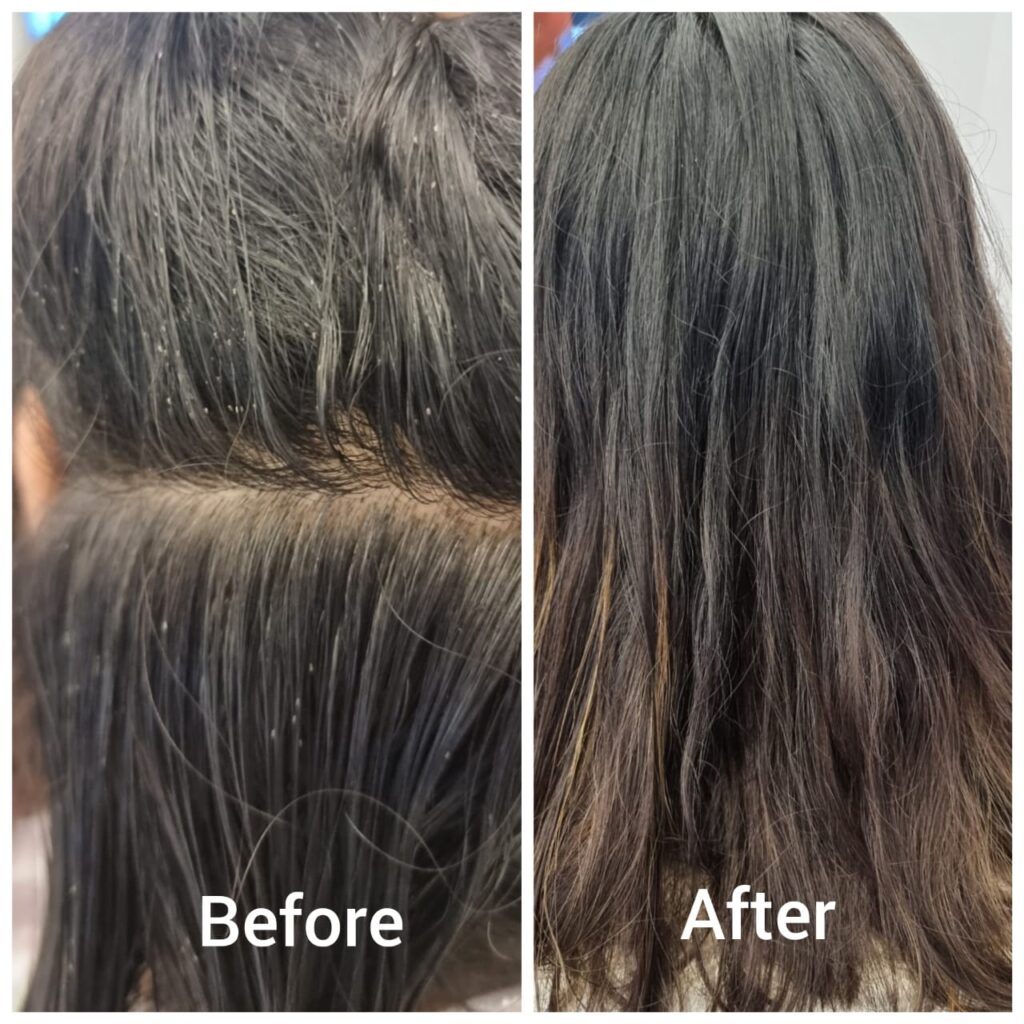
Check hair often for lice and nits. Use a fine-toothed comb on wet hair. Look closely near the scalp, behind ears, and at the nape of the neck. Early detection helps stop lice from spreading again.
Avoid Sharing Personal Items
Do not share combs, brushes, hats, or headphones. Lice spread easily through these items. Teach children about the risks of sharing personal belongings. Keeping items separate helps prevent lice transfer.
Maintain Clean Living Spaces
Vacuum carpets, furniture, and car seats regularly. Lice can fall off and survive for a short time on surfaces. Clean spaces reduce the chance of picking up lice again. Focus on areas where the infested person spends time.
Credit: www.licefreesalon.com
Frequently Asked Questions
Will Lice Go Away If You Dye Your Hair?
Dyeing hair does not reliably kill lice or their eggs (nits). Chemicals may kill some adults but not all. Hair dye isn’t a safe or effective lice treatment. Use proven lice removal methods for best results.
Does Hair Dye Kill Lice Completely?
Hair dye may kill some adult lice but not all. It cannot kill lice eggs (nits).
Can Bleaching Hair Remove Head Lice?
Bleaching might harm some lice but does not kill eggs or guarantee full removal.
Is Hair Coloring A Good Lice Treatment?
Hair coloring is not a reliable lice treatment. Specialized products work better to kill lice.
Why Doesn’t Hair Dye Kill Lice Eggs?
Lice eggs have a hard shell that hair dye chemicals cannot penetrate or destroy.
Will Dying Hair Stop Lice Infestation?
Dying hair alone will not stop lice. Other treatments are needed to fully remove lice.
How Do Lice Survive Hair Dye Chemicals?
Lice can protect themselves and hide from chemicals, making hair dye ineffective against them.
Can Hair Dye Prevent Lice From Spreading?
Hair dye does not prevent lice spread. Good hygiene and proper treatments are necessary.
Are There Any Hair Dyes That Kill Lice?
No hair dyes are specifically made to kill lice or their eggs.
What Is The Best Way To Get Rid Of Lice?
Use lice shampoos, combing, and treatments designed to kill both lice and nits.
Conclusion
Hair color does not effectively kill lice or their eggs. Chemicals in hair dye may harm some lice but cannot reach nits. Relying on hair dye risks hair damage and scalp irritation. Safe and proven lice treatments work better and protect your scalp.
Treat lice with recommended methods to ensure full removal. Avoid myths and choose solutions that truly help. Taking proper action prevents lice from spreading further.