Are you wondering if you can safely color your hair while pregnant? It’s a common question for many moms-to-be who want to keep feeling like themselves during this special time.
The good news is, you don’t have to give up hair color completely. Most experts agree that dyeing your hair is generally safe, especially after the first trimester. But what about the chemicals, the fumes, and your sensitive skin? This article will guide you through everything you need to know—from the safest timing and techniques to helpful tips that protect you and your baby.
Keep reading to make confident, informed choices about your hair care during pregnancy.

Credit: www.motherhoodcenter.com
Hair Dye And Pregnancy Safety
Many pregnant women wonder if hair dye is safe during pregnancy. The good news is most experts say it is safe, especially after the first trimester. Hair dye chemicals are not highly toxic, and only a small amount is absorbed through the scalp.
Still, safety matters. Taking some precautions helps protect both mother and baby. Simple steps can reduce any risks linked to hair dye use while pregnant.
Wait Until The Second Trimester
The first trimester is when the baby’s organs develop. Avoiding hair dye during this time lowers any possible risk. After this period, the chance of harm is very low. Many women choose to wait until the second trimester to dye their hair.
Choose Highlights Over Full Color
Techniques like highlights or balayage keep dye off the scalp. This reduces chemical absorption. These methods are safer than full-head dye jobs. They also create a natural look without heavy exposure to chemicals.
Use A Well-ventilated Area
Hair dye fumes can cause headaches or nausea. A well-ventilated space helps prevent breathing in strong fumes. Open windows or use fans to keep fresh air flowing. This is important at home or in a salon.
Wear Gloves And Follow Instructions
Always wear gloves when applying hair dye. This protects your skin from irritation. Reading and following the product instructions is key. Doing a patch test before full application helps check for allergic reactions.
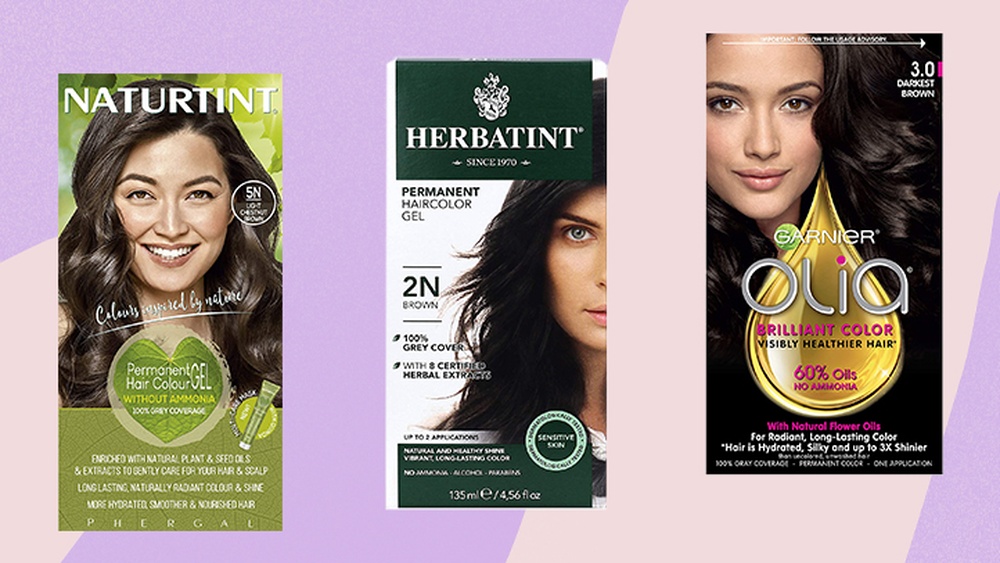
Consider Natural Hair Dyes
Some women prefer natural or vegetable-based dyes during pregnancy. Henna and other plant-based options have fewer chemicals. These choices may feel safer and gentler on the scalp. Still, test natural dyes to avoid allergic reactions.
Inform Your Stylist About Pregnancy
Telling your stylist you are pregnant is important. They can select safer products and techniques. Stylists may also take extra care to limit chemical exposure. Clear communication helps create a safe hair dye experience.
Potential Risks And Exceptions
Pregnancy can bring skin sensitivity. Conditions like eczema or psoriasis may worsen with hair dye. Avoid dyeing hair if you have broken or irritated skin. Hormonal changes can also affect hair color results. Fumes may be more bothersome in early pregnancy. Always prioritize comfort and safety.
Best Timing For Coloring
The best timing for coloring your hair during pregnancy matters. Choosing the right time helps reduce risks for you and your baby.
Many experts suggest waiting until after the first trimester. This period is when the baby’s organs develop and are most sensitive.
After the first trimester, the risks from hair dye chemicals are very low. Still, using safer methods and products is wise.
Wait Until The Second Trimester
The second trimester is often the safest time for hair coloring. The baby is more stable, and pregnancy symptoms may ease.
Waiting helps avoid the time when the baby is most vulnerable. It also reduces your chance of nausea from strong smells.
Choose Highlights Or Balayage
Techniques like highlights or balayage keep dye off your scalp. This lowers the amount of chemicals absorbed by your skin.
These methods focus on hair strands, not the scalp. They reduce the risk of irritation and chemical exposure.
Use Well-ventilated Spaces
Strong fumes can cause discomfort or harm during pregnancy. Always color your hair in a room with good airflow.
Ventilation helps you avoid breathing in harmful chemicals. It is important whether you dye hair at home or a salon.
Consider Natural Or Gentle Products
Natural dyes like henna or vegetable-based products are less harsh. They are safer choices for pregnant women.
These products have fewer chemicals and less chance of skin irritation. Check labels to avoid harmful additives.
Safe Coloring Techniques
Choosing safe coloring techniques during pregnancy helps protect both mother and baby. Some methods reduce chemical exposure and scalp contact. These techniques also lower risks of irritation and allergic reactions. Understanding safe options makes hair coloring more comfortable for pregnant women.
Experts suggest waiting until the second trimester before coloring hair. Using gentle methods and natural products adds extra safety. Proper ventilation and protective gear minimize inhaling fumes or skin contact. Communication with your stylist ensures they use pregnancy-safe products and methods.
Using Highlights Or Balayage
Highlights and balayage avoid applying color directly on the scalp. This reduces chemical absorption through the skin. These techniques focus on hair strands, limiting scalp exposure. They offer a subtle and natural look, making them popular choices during pregnancy.
Choosing Ammonia-free And Natural Dyes
Ammonia-free dyes contain fewer harsh chemicals. They are gentler on sensitive skin and scalp. Natural options like henna or vegetable-based dyes avoid synthetic chemicals. These products lower the chance of irritation and allergic reactions. Always check labels to confirm the ingredients.
Ensuring Proper Ventilation
Coloring hair in a well-ventilated space prevents inhaling strong fumes. Open windows or use fans to improve air circulation. Salons often have good ventilation systems, but asking your stylist helps. Avoid small, enclosed areas during the coloring process.
Wearing Gloves And Doing Patch Tests
Wearing gloves protects your skin from direct contact with dyes. Patch tests check for allergic reactions before full application. Apply a small amount of dye on your skin and wait 24 hours. This simple step helps avoid skin irritation during pregnancy.
Informing Your Hair Stylist
Tell your stylist you are pregnant before coloring your hair. They can choose safer products and techniques for you. A skilled stylist can limit the time dye stays on your hair. They can also avoid scalp massage to reduce chemical absorption.
Chemical Exposure Risks
Pregnancy brings many questions about what is safe, especially regarding hair care. One key concern is chemical exposure from hair dyes. Understanding these risks helps expectant mothers make informed decisions.
Chemicals in hair dye can irritate the skin and scalp. The scalp absorbs only small amounts, but the fumes may still be a concern. Pregnant women may be more sensitive to these substances due to hormonal changes.
Choosing the right timing and method can reduce chemical exposure. Many experts suggest waiting until after the first trimester. Using techniques that avoid scalp contact, like highlights, also lowers risk.
Chemicals Commonly Found In Hair Dye
Hair dyes contain ammonia, peroxide, and p-phenylenediamine (PPD). These substances can cause allergic reactions or skin irritation. Though absorption is low, it is best to minimize contact during pregnancy.
Risks Of Inhaling Hair Dye Fumes
Fumes from dyes can cause headaches or nausea. Pregnant women may feel these effects more strongly. Proper ventilation is crucial to reduce inhalation of harmful vapors.
Skin Sensitivity And Allergic Reactions
Pregnancy can make skin more sensitive. Chemicals may cause redness, itching, or swelling. A patch test before dyeing can help detect allergies early.
Reducing Chemical Exposure Safely
Wait until the second trimester to dye hair. Use highlights or balayage to avoid scalp contact. Always dye hair in a well-ventilated space and wear gloves during application.
Benefits Of Natural Dyes
Choosing natural dyes during pregnancy offers many benefits. These dyes use plant-based ingredients that are gentle on your hair and scalp. They reduce exposure to harsh chemicals found in regular hair dyes. Natural dyes nourish hair while coloring it, leaving hair softer and healthier.
Natural dyes also lower the risk of allergic reactions or irritation. Pregnant women often have sensitive skin, so mild products are better. These dyes produce fewer strong fumes, making the coloring process safer for both mother and baby. Using natural dyes can give you peace of mind while enhancing your look.
Gentle On Sensitive Skin
Natural dyes use ingredients like henna, indigo, or beetroot. These are less likely to irritate sensitive skin or cause rashes. Pregnancy can make skin extra sensitive, so a gentle dye helps avoid discomfort. It is safer to use products free from ammonia, parabens, and peroxide.
Minimal Chemical Exposure
Regular hair dyes contain chemicals that might enter your body through the scalp. Natural dyes have fewer synthetic substances, which lowers chemical absorption. This reduces any potential risks to your developing baby. Many women prefer natural dyes to avoid unnecessary toxins during pregnancy.
Improves Hair Health
Natural dyes often contain antioxidants and vitamins from plants. These elements strengthen hair strands and improve scalp health. Unlike harsh dyes, natural options do not strip away natural oils. Hair feels softer, shinier, and more vibrant after using natural color.
Eco-friendly And Sustainable
Plant-based dyes are biodegradable and better for the environment. Choosing natural products supports sustainable beauty practices. This choice reduces pollution caused by synthetic chemicals in hair dyes. It benefits not only your health but also the planet.
Ventilation And Environment Tips
Ensuring proper ventilation and a safe environment is key when coloring hair during pregnancy. Good airflow helps reduce the inhalation of chemical fumes. These fumes may irritate sensitive skin or cause discomfort to the mother and baby. Choosing a well-ventilated space minimizes exposure to potentially harmful substances.
Creating a calm, clean environment also supports a positive hair coloring experience. Fresh air lowers the concentration of airborne chemicals. This simple step adds an extra layer of safety for expecting mothers.
Use A Well-ventilated Room
Pick a room with open windows or doors. Let fresh air move freely around you. Avoid small, enclosed spaces where fumes can build up quickly. A fan can help push the air out and bring fresh air in. This keeps the air clean and comfortable.
Avoid Strong Chemical Smells
Strong smells from hair dye can cause nausea or headaches. If you feel dizzy or sick, leave the area immediately. The smell intensity often reduces with good ventilation. Using gentle or natural hair dye products can also lower strong odors.
Choose A Comfortable And Clean Environment
Make sure the space is tidy and calm. A clean environment helps prevent skin infections. Sitting comfortably reduces stress and makes the process easier. Bring water and take breaks if needed. Staying relaxed benefits both mother and baby.
Skin Sensitivity Concerns
Pregnancy changes your skin in many ways. One common change is increased sensitivity. This can make your scalp react more strongly to hair dye chemicals. Skin sensitivity concerns are important when deciding to color your hair during pregnancy.
The hormones in pregnancy can cause your skin to become dry, itchy, or red. Your scalp may feel tender and more prone to irritation. Hair dye chemicals might cause itching, burning, or a rash more easily than before pregnancy. This can make coloring your hair uncomfortable or risky.
How Hormonal Changes Affect Skin Sensitivity
Pregnancy hormones change your skin’s natural barrier. This makes it weaker and less able to protect against irritants. Chemicals in hair dye can penetrate more deeply and cause stronger reactions. Many pregnant women notice their skin reacts differently to products they used before.
Signs Of Scalp Irritation To Watch For
Redness, itching, and swelling are common signs of irritation. Burning sensations or small bumps may also appear. If you see these signs, stop using hair dye immediately. A patch test before full application helps check your skin’s reaction.
Preventing Skin Sensitivity Issues While Coloring Hair
Use gentle, pregnancy-safe hair dyes with fewer harsh chemicals. Choose highlights or balayage to avoid direct scalp contact. Apply dye in a well-ventilated space to reduce inhaling fumes. Always wear gloves and follow the product instructions closely.
Pregnancy Hormones And Hair Color
Pregnancy causes many changes in a woman’s body. Hormones rise and shift, affecting skin, mood, and hair. Hair can become thicker, shinier, or even change color. These changes may impact how hair dye works during pregnancy. Understanding these effects helps in making safe choices about coloring hair while pregnant.
How Pregnancy Hormones Affect Hair Texture And Color
Hormones like estrogen increase during pregnancy. This makes hair grow faster and stay longer in the growth phase. Hair may feel fuller and look healthier. Some women notice their hair darkens or lightens slightly. These changes can alter how hair dye appears after coloring.
Why Hair Color Results May Vary
Pregnancy hormones can change hair’s natural pigment. This means dyed hair might look different than before pregnancy. Some colors may appear brighter or duller. Hair may absorb dye unevenly. Expecting mothers might need to adjust their hair color choices.
Is It Safe To Color Hair During Pregnancy?
Most experts say hair dye is safe after the first trimester. Chemicals in dyes are not highly toxic. Very little dye is absorbed through the scalp. To be cautious, choose gentle products and limit scalp contact. Using highlights instead of full dye can reduce exposure.
Communicating With Your Stylist
Talking openly with your stylist is important during pregnancy. It helps ensure your safety and comfort. Your stylist needs to know you are pregnant to choose the best products and methods. This conversation creates trust and reduces risks associated with hair dye chemicals.
Pregnancy changes your body and skin. Your stylist can adjust the process to protect you. They might suggest gentler dyes or techniques that avoid scalp contact. This reduces chemical absorption and irritation. A clear discussion also helps your stylist plan the timing and ventilation.
Explain Your Pregnancy Stage Clearly
Tell your stylist how far along you are in your pregnancy. Different trimesters have different safety advice. Many experts suggest waiting until after the first trimester. This helps avoid exposure during early fetal development. Your stylist can better recommend safe coloring options based on this information.
Share Any Skin Or Health Concerns
Inform your stylist about any skin sensitivity or allergies. Pregnancy can make your skin more sensitive than before. Mention any conditions like eczema or psoriasis. This helps your stylist avoid products that may cause irritation or harm. It also ensures they do a patch test to check reactions.
Discuss Dye Types And Application Methods
Ask your stylist about the safest dye options for pregnancy. Some dyes have fewer chemicals or use natural ingredients. Techniques like highlights or balayage keep dye off the scalp. This lowers chemical absorption into your body. Your stylist can choose methods that reduce risks and still give great results.
Request Proper Ventilation And Safety Measures
Ensure the salon has good airflow to avoid inhaling fumes. Fumes from hair dye can be stronger during pregnancy. Wearing gloves and following instructions is also important. Your stylist should take extra care to protect your health. Clear communication helps create a safer environment for you.

Credit: www.healthline.com
Patch Tests And Protective Measures
Patch tests and protective measures play a key role in safely coloring hair during pregnancy. Hormonal changes can make your skin more sensitive. Testing the dye on a small skin area helps avoid allergic reactions. Taking simple precautions can keep you and your baby safe.
What Is A Patch Test?
A patch test checks for allergic reactions before applying hair dye. Apply a small amount of dye behind your ear or on your inner elbow. Wait 24 to 48 hours to see if redness or itching appears. No reaction means the dye is likely safe for you to use.
How To Perform A Patch Test Safely
Choose a small area of skin for the test. Use the exact dye you plan to apply on your hair. Avoid washing the test spot during the waiting time. Do not expose the test area to water or sweat. Watch for any signs of irritation or rash.
Protective Measures During Hair Coloring
Wear gloves to protect your hands from chemicals. Make sure the room is well-ventilated to reduce inhaling fumes. Ask your stylist to use gentle products with fewer chemicals. Avoid applying dye directly on your scalp. Techniques like highlights or balayage reduce scalp contact.
Choosing Safer Hair Dye Options
Consider using natural or vegetable-based dyes. Henna is a popular choice with fewer chemicals. Read labels carefully to avoid harmful ingredients like ammonia or peroxide. Inform your stylist about your pregnancy. They can select safer products and methods to protect you.

Credit: vertigo28.wordpress.com
Frequently Asked Questions
Is It Safe To Get Hair Colored While Pregnant?
Yes, dyeing hair during pregnancy is generally safe after the first trimester. Use highlights, ventilate well, and inform your stylist. Avoid if skin is sensitive or broken.
Is It Safe To Color Hair During Pregnancy?
Hair dye is generally safe after the first trimester with proper precautions.
When Is The Best Time To Dye Hair While Pregnant?
The second trimester is the safest time to color your hair.
Can Hair Dye Chemicals Harm My Baby?
Very little dye is absorbed by the scalp, posing minimal risk to the baby.
Should I Choose Highlights Over Full Hair Coloring?
Highlights reduce scalp contact and are safer during pregnancy.
Are Natural Hair Dyes Safer For Pregnant Women?
Natural dyes like henna may be gentler but still require a patch test.
How Can I Reduce Risks When Dyeing Hair Pregnant?
Use gloves, work in a ventilated area, and follow dye instructions carefully.
Can Pregnancy Hormones Affect Hair Dye Results?
Yes, hormonal changes can alter hair color and texture during pregnancy.
Is It Okay To Dye Hair If I Have Sensitive Skin?
Avoid dyeing if you have skin conditions like eczema or broken skin.
Should I Tell My Hairstylist I’m Pregnant?
Yes, informing your stylist helps them use safer products and techniques.
Conclusion
Dyeing your hair during pregnancy is mostly safe after the first trimester. Choose gentle methods like highlights to reduce scalp contact. Always use a well-ventilated space to avoid fumes. Wearing gloves and doing patch tests can prevent irritation. Natural dyes may offer a milder alternative.
Talk openly with your stylist about your pregnancy. Listen to your body and avoid coloring if your skin feels sensitive. Taking these simple steps helps protect both you and your baby. Enjoy your pregnancy while keeping your hair care safe and worry-free.