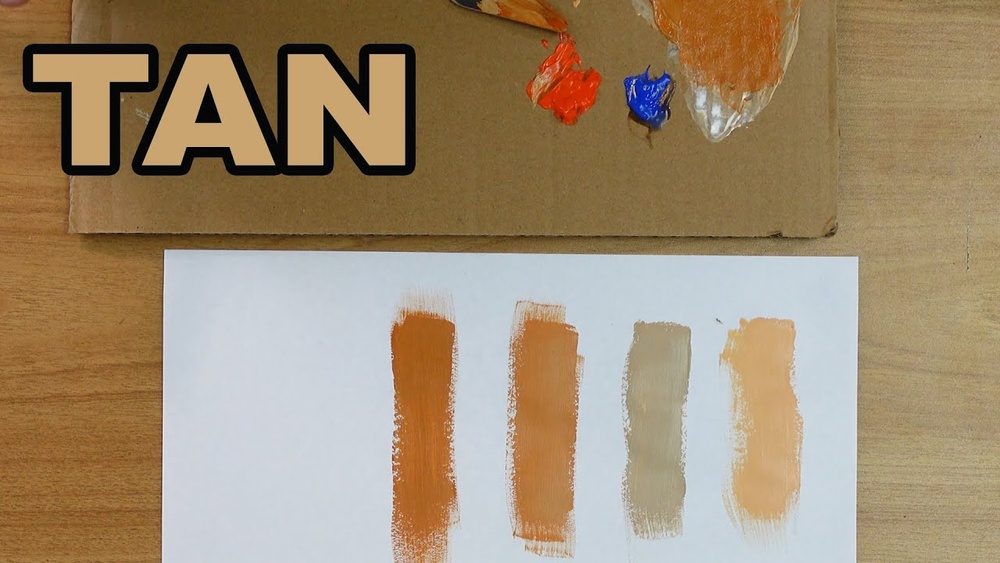
Are you wondering how to make the perfect tan color for your next painting or project? Whether you’re mixing paints for art, home decor, or crafts, getting that warm, natural tan shade just right can be tricky.
But don’t worry—you can create the exact tone you want by mixing a few simple colors. In this guide, you’ll discover easy step-by-step methods to mix tan using common paint colors like brown, white, red, yellow, and even a touch of blue or black.
By the end, you’ll have all the tips you need to customize your tan shade perfectly, whether you want it lighter, warmer, or deeper. Ready to unlock the secret to making tan? Let’s dive in and start mixing!
Basic Tan Color Mix
Creating the perfect tan color starts with a simple mix of basic colors. Tan is a warm, light brown shade that you can make by blending primary colors. Understanding the basic tan color mix helps you customize the shade for your project. This section explains easy steps to make tan using common paints.
Mixing Brown As A Base
Begin by mixing the three primary colors: red, yellow, and blue. Use equal amounts to create a basic brown. Adjust the amounts slightly to get a warmer or cooler brown. This brown will serve as the foundation for your tan color.
Lightening Brown With White
Slowly add white paint to the brown base. Mix thoroughly to lighten the color. Keep adding white until you reach your desired tan shade. White softens the brown, creating the light, warm tone of tan.
Adjusting The Shade
Add a tiny bit of yellow to warm up the tan color. For a cooler tan, use a small amount of blue. To darken the tan, mix in a little black or more brown. Make small adjustments to avoid changing the color too much.
Creating Brown Base
Creating a brown base is the first step to making the color tan. Brown acts as the foundation for the tan shade. It helps set the tone and depth before lightening the color. Starting with a well-mixed brown ensures the tan will look natural and warm.
The brown base allows you to control the final tan shade. By adjusting the brown, you can make the tan lighter, darker, or warmer. Mixing the right brown requires combining primary colors carefully. This base is essential for achieving the perfect tan.
Mixing Primary Colors
To create brown, start with the three primary colors: red, yellow, and blue. Mix equal parts of red and yellow to form orange first. Then, slowly add blue to the orange until a deep brown appears.
Use small amounts of blue at a time. Adding too much blue makes the brown too dark or dull. Adjust the mix by adding more red or yellow to shift the tone warmer or cooler. This simple step builds a strong brown base for tan.
Adjusting Brown Shades
After mixing brown, lighten it with white paint to reach tan. Add white gradually to avoid making the color too pale. For a warmer tan, mix in a tiny bit of yellow or red. This adds a soft glow to the color.
For a cooler or darker tan, add a small amount of blue or black. Use black sparingly, as it can overpower the mix. Keep testing the color on paper to see the changes. Adjusting the brown base lets you create many tan shades.
Lightening Brown To Tan
Lightening brown to tan is a simple process that anyone can try. It involves softening the dark brown color by adding white paint. This step helps create a lighter, softer shade known as tan. Tan is popular in art and design for its warm and natural look.
Start by mixing a good brown base. This can be made by combining red, yellow, and blue paint. Once you have the brown, the next step is to gently lighten it. This is done by adding white paint little by little. The key is to add white slowly and mix well.
Adding White Gradually
Add white paint in small amounts to your brown base. Mix the paint thoroughly after each addition. This helps you see the true shade as it changes. Stop adding white once you reach the tan color you want. This careful process prevents the color from becoming too pale or chalky.
Controlling Lightness
Watch the color closely as you mix. If the color gets too light, add a bit more brown to balance it. You can also add a tiny amount of yellow to warm the tan shade. Adjust slowly to keep control over the final color. This way, you get a perfect tan that suits your project.
Warm Tan Shades
Warm tan shades bring a cozy, inviting feel to any project. These tones evoke comfort and natural beauty. They work well in home decor, fashion, and art. Achieving a warm tan involves careful color mixing. Using yellow, red, and orange can create the perfect warmth. Small changes in these colors affect the final shade.
Using Yellow For Warmth
Yellow adds brightness and warmth to tan shades. It lifts dull brown tones to a sunny hue. Start with a base of brown and add yellow slowly. Mix thoroughly and watch the color transform. Too much yellow can make the tan look too bright. Adjust little by little to keep the warmth balanced. Yellow makes tan appear soft and natural.
Balancing Red And Orange
Red and orange give tan a rich, warm depth. Red adds a subtle pinkish tone. Orange brings a glowing, earthy feel. Mix red and orange with brown carefully. Too much red can make the color look harsh. Excess orange may lean the shade toward pumpkin. Blend these colors evenly for a smooth, warm tan. This balance creates inviting and lively tones.
Darker Tan Variations
Darker tan variations add depth and richness to your color palette. These shades work well for shadows, accents, and creating a natural look. You can achieve darker tans by carefully adjusting basic tan colors. Small changes make a big difference in tone and feel.
Incorporating Black
Adding a tiny amount of black darkens tan effectively. Use black sparingly to avoid turning the color too gray or muddy. Blend black into your tan base slowly. Check the shade often as you mix. This method gives a strong, deep tan suitable for bold designs.
Deepening With Red
Mixing a little red into tan creates a warm, darker shade. Red adds richness without making the color heavy. Start with a small amount and increase as needed. This deepened tan works well for natural skin tones and earthy themes. The red undertone keeps the tan lively and warm.
Credit: www.sweetsugarbelle.com
Using Ready-made Brown And White
Using ready-made brown and white paints is a quick way to create the color tan. This method saves time and effort. You start with a brown base and add white to lighten it. The result is a soft tan shade that works well for many projects. This approach is perfect for beginners and anyone who wants a simple color mix.
Simple Mixing Tips
Start with a medium brown paint. Add small amounts of white paint slowly. Mix well after each addition. Stop when the color looks like tan. Use a palette knife or brush to blend fully. Avoid adding too much white at once. It can make the color too pale and hard to fix.
Mix in a well-lit area to see the true color. Test your tan mix on a scrap surface. Let it dry to check the final shade. Adjust by adding more brown or white if needed. Keep your mixing tools clean for smooth blending.
Tweaking With Additional Colors
Add a touch of yellow to warm up your tan. Use very small amounts to avoid strong color shifts. For cooler tan shades, mix in a tiny bit of blue or gray. To deepen the tan, a small drop of red or black helps. Always add extra colors slowly and mix well.
Experiment with different ratios to find the perfect tan. Keep notes of your mixes for future reference. These tweaks let you customize tan for skin tones, wood, or fabric. Using ready-made brown and white as a base makes changes easier.
Alternative Tan Mixing Methods
Alternative tan mixing methods offer fresh ways to create unique tan shades. These methods go beyond the basic brown and white mix. They help you achieve different tones and depths of tan. Using other color combinations can add warmth or coolness to your tan color. Experimenting with these mixes can make your artwork or projects stand out.
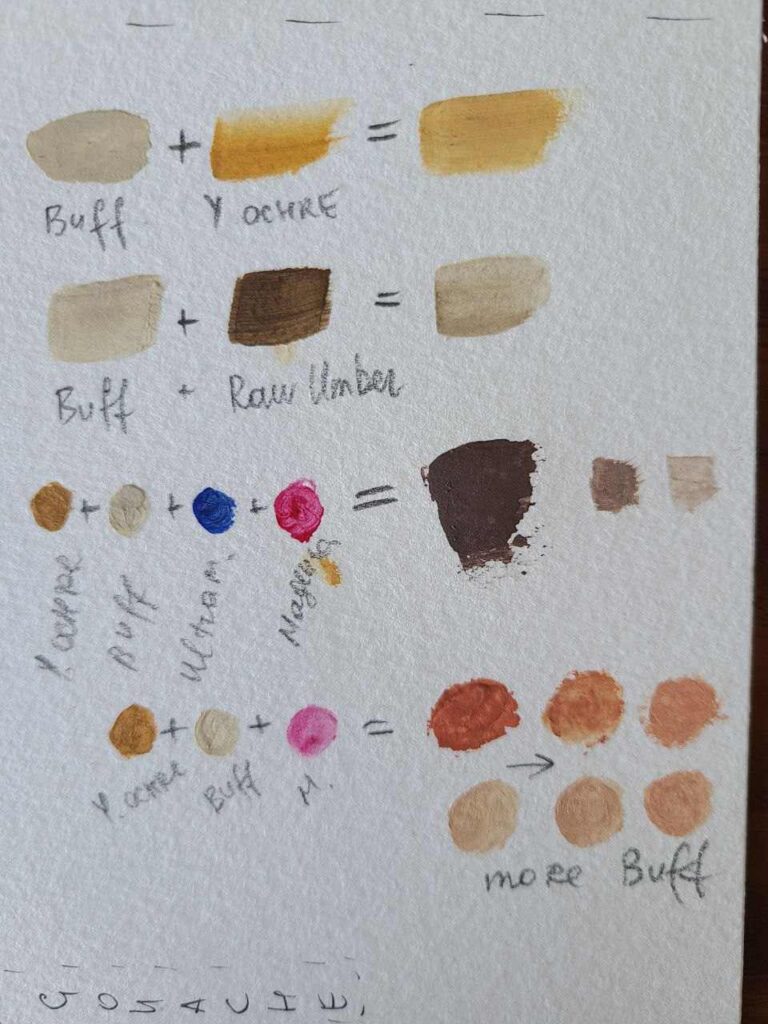
Mixing Beige And Khaki
Beige and khaki are close to tan but have distinct tones. Mixing these two can create a soft, natural tan color. Start by blending equal parts of beige and khaki paint. Adjust the ratio by adding more beige for a lighter tan. Add more khaki for a slightly greenish or earthy tan. This mix works well for natural themes and soft backgrounds.
Using Complementary Colors
Complementary colors sit opposite each other on the color wheel. Mixing them can create muted, balanced tan shades. Try combining orange with blue in small amounts. Orange gives warmth while blue tones down brightness. Start with orange and add tiny drops of blue until you reach tan. This method helps control the color’s intensity and warmth. It is useful for creating subtle tan hues with depth.
Tan Color For Different Mediums
The tan color appears in many art and craft projects. Different mediums require unique mixing methods. Understanding how to make tan for each medium helps achieve the perfect shade. Below, learn how to create tan color using acrylic paints and royal icing.
Acrylic Paints
To make tan with acrylic paints, start by mixing red, yellow, and blue. This creates a basic brown color. Add white paint slowly to lighten the brown into tan. Adjust by adding small amounts of yellow for warmth. For a darker tan, add a tiny bit of black paint. Mix well after each addition to check the color. Use a palette to combine colors before applying them to your canvas.
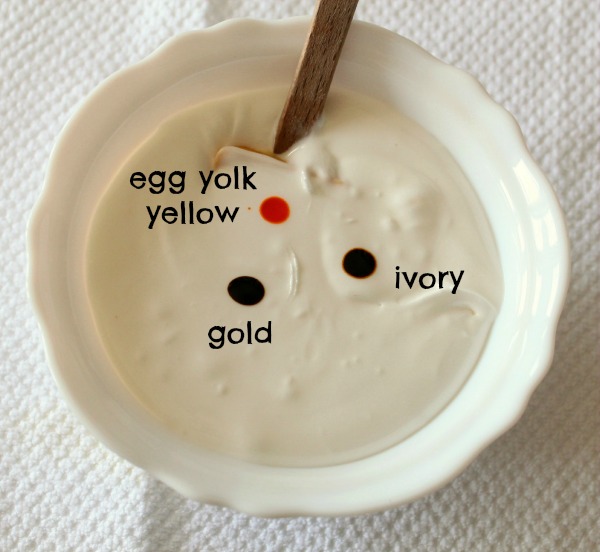
Royal Icing
Making tan royal icing starts with white icing as a base. Add a small amount of brown food coloring to reach a tan shade. You can mix red and yellow food coloring to create brown if needed. Add the brown mixture gradually to white icing and stir well. For a warmer tan, add a drop of yellow food coloring. To darken the tan, add a tiny drop of black or brown. Test the color on a plate to see the true shade once it dries.
Common Mistakes To Avoid
Making the perfect tan color requires care and attention. Many beginners make simple mistakes that change the color outcome. Avoiding these errors saves time and paint. Below are the most common mistakes to avoid when mixing tan.
Using Too Much White Paint
White paint lightens colors quickly. Adding too much white can wash out the tan color. This makes the shade look pale and dull. Start with small amounts and add more slowly. This method keeps the tan rich and natural.
Ignoring Color Balance
Tan is a mix of brown and lighter tones. Skipping the right balance of red, yellow, and blue can create muddy or gray shades. Mix brown carefully before adding white. Adjust the mix step by step for a clean tan color.
Adding Black Without Caution
Black paint darkens colors fast. A little black can create a deep tan. Too much black makes the color look dark gray or muddy. Add black drop by drop and test the color often for the right tone.
Not Testing Color On Different Backgrounds
Tan can look different on white, black, or colored surfaces. Always test your tan mix on the surface you will use. This helps see the final look clearly and avoid surprises.
Skipping Proper Mixing Techniques
Mixing paint too quickly or unevenly causes streaks and uneven color. Use a palette knife or brush to blend thoroughly. Smooth mixing ensures a consistent tan shade every time.
Credit: smart.dhgate.com
Tips For Perfect Tan Shades
Creating the perfect tan shade requires attention to detail and careful adjustments. Small changes in color mixtures can lead to very different results. Using the right methods helps you achieve a consistent and natural tan tone every time.
Testing and adjusting your color mix is essential. It ensures your tan shade looks just right under different lighting conditions. Follow these tips to get a smooth and balanced tan color.
Testing Small Batches
Always start by mixing a small amount of paint. This prevents waste if the color is not right. Mix your base colors gently and note the ratios used. Apply the test mix on a white surface to see the true color.
Wait for the paint to dry before final judgment. Wet paint often looks darker than dry paint. Adjust the mix slightly and test again until you find the perfect tan shade.
Adjusting For Lighting
Colors change under different light sources. Check your tan color in natural light and indoor lighting. This helps you see how the shade will appear in various settings.
If the color looks too warm or cool, tweak it by adding small amounts of yellow or blue. Keep testing until the tan looks natural and balanced in all light conditions.

Credit: www.youtube.com
Frequently Asked Questions
What Colors Do I Mix To Make Tan?
Mix red, yellow, and blue to create brown. Then add white to lighten it into tan. Adjust with yellow for warmth or a touch of black for darkness.
What Two Colors Make Beige?
Beige is made by mixing brown and white. Adjust the shade by changing the ratio or adding a touch of yellow.
What Colors Go Into Tan?
To make tan, mix brown and white. Adjust warmth by adding yellow or deepen shade with a bit of black.
What Color Makes You Look Tan?
Warm colors like coral, orange, and mustard yellow make your skin appear tan. Earth tones such as olive green and bronze also enhance a sun-kissed glow. Choose colors that contrast slightly with your natural skin tone for the best tanning effect.
What Colors Do I Mix To Make Tan Paint?
Mix brown paint with white to create tan. Adjust with yellow or black for tone.
How Can I Make A Lighter Tan Shade?
Add more white gradually to your brown mix for a lighter tan color.
What Is The Easiest Way To Get Tan Color?
Start with brown paint and slowly add white until you reach tan.
Can I Use Primary Colors To Make Tan?
Yes, mix red, yellow, and blue to make brown, then add white.
How Do I Make Tan Paint Warmer In Tone?
Add a small amount of yellow to your tan mix for warmth.
What Makes Tan Color Darker And Richer?
Add tiny amounts of black or red to your tan mix to darken it.
Conclusion
Creating the color tan is simple with basic color mixing. Start by blending red, yellow, and blue to get brown. Then, add white slowly to lighten the shade. Adjust with a little yellow for warmth or black for depth. Practice mixing to find the perfect tan for your project.
This method works well for paints, crafts, and more. Keep it easy and have fun with colors!