Are you curious about how to make the color red? Whether you’re painting, crafting, or just love playing with colors, understanding red is key.
Red is a powerful and vibrant color, but here’s the catch: you can’t create pure red by mixing other colors. Red is a primary color, meaning it’s one of the basic building blocks of color. However, you can mix red with other shades to create beautiful variations—from warm oranges to deep burgundies.
In this guide, you’ll discover simple tips to master red and its many shades. Ready to unlock the secrets of red? Let’s dive in!
Primary Nature Of Red
Red holds a special place in the color world. It is a primary color. This means red cannot be created by mixing other colors. It stands alone as a base color. Understanding this helps in learning how to work with red in art and design.
Since red is primary, it forms the foundation for many other colors. Different shades of red come from mixing red with other colors. But the pure red itself stays unique and simple.
What Makes Red A Primary Color?
Primary colors are the building blocks of all other colors. Red, blue, and yellow are the three primary colors. These cannot be made by combining any other colors. Red is pure and essential in color mixing.
Why You Cannot Make Red By Mixing Colors
Mixing two colors never creates red. For example, mixing blue and yellow gives green, not red. Red must be used as it is, straight from the color tube or pigment.
Using Red To Create Other Colors
While red cannot be made by mixing, it helps form many colors. Mixing red with yellow produces orange shades. Mixing red with blue creates purple tones. These combinations show red’s versatility.

Credit: drawlish.com
Common Misconceptions
Many people have wrong ideas about making the color red. Red is a primary color. This means you cannot create it by mixing other colors. Some think mixing colors like yellow and blue can make red. This is not true. Understanding these misconceptions helps in learning color mixing better.
Red Can Be Made By Mixing Other Colors
Red is a base color in the color wheel. It cannot be made by combining other colors. Colors like purple or orange use red mixed with blue or yellow. But red itself is pure and cannot come from mixing.
All Shades Of Red Are Made Without Red Paint
You cannot get true red shades without using red paint. Mixing colors can change red’s tone. Adding white makes it lighter. Adding black makes it darker. But the red base must be there first.
Mixing Yellow And Blue Creates Red
Yellow and blue make green, not red. This is a common mistake. Red is separate from these two colors. Mixing yellow and red gives orange. Mixing blue and red gives purple.
Creating Red Variations
Creating red variations lets you explore many beautiful shades. Red is a primary color. You cannot make pure red by mixing other colors. But you can change red to make many different reds. These variations add depth and interest to your artwork or design.
Mixing red with other colors changes its tone and mood. You can make reds that look warm, cool, light, or dark. Each small change creates a new shade that suits your project.
Mixing Red With Yellow For Warm Reds
Adding yellow to red creates warm, orange-red colors. Use a little yellow for a soft warm tone. More yellow makes the red look bright and fiery. This mix works well for lively and sunny designs.
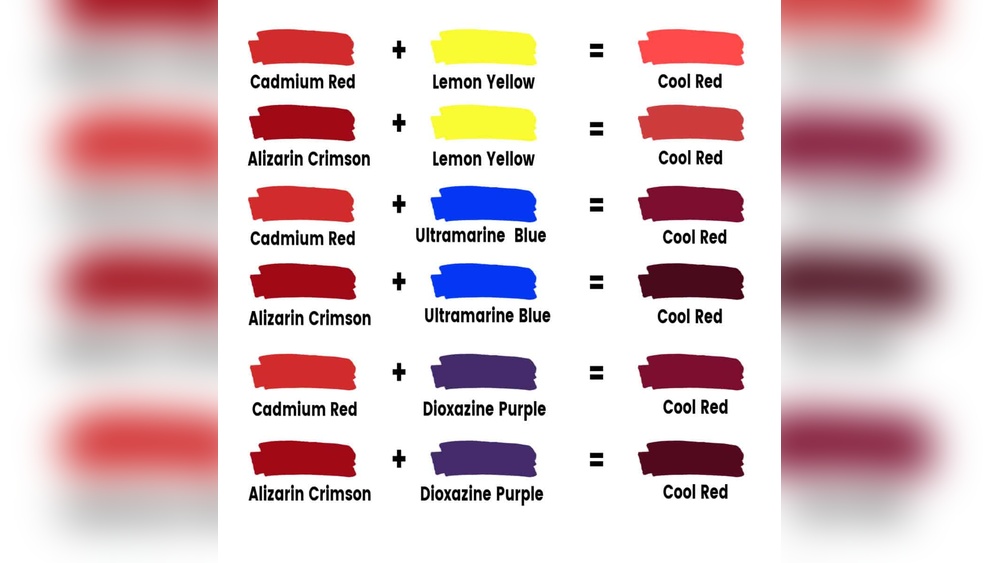
Mixing Red With Blue For Cool Reds
Mix red with blue to get cool, purple-red shades. A small amount of blue cools down the red. Adding more blue makes the red deeper and richer. Cool reds give a calm and elegant feeling.
Lightening Red With White
Add white to pure red to make lighter reds or pinks. The more white you add, the softer the red becomes. Light reds are perfect for gentle and delicate styles.
Darkening Red With Black
Mix red with black to create dark, strong reds. Start with a tiny bit of black for deep reds. Dark reds look bold and powerful in designs.
Creating Burgundy With Violet
Combine red with violet for a rich burgundy color. This red has brownish undertones and feels warm and deep. Burgundy works great for classic and luxurious themes.
Credit: www.youtube.com
Warm Red Shades
Warm red shades bring energy and comfort to any project. These reds feel lively and inviting. They often lean toward orange or yellow tones. These colors create a cozy and vibrant look. Artists and designers use warm reds to catch attention and evoke passion.
Warm reds are easy to create by mixing colors carefully. Understanding these mixes helps you get the right shade every time.
Mixing Red And Yellow For Warmth
Start with pure red as your base color. Add a small amount of yellow to warm it up. This mix creates an orange-red shade. Increase yellow slightly for a brighter, more orange tone. Keep the balance to avoid losing the red essence.
Adjusting Warm Reds With Orange
Orange is a mix of red and yellow, so it blends well with red. Add a bit of orange to deepen warm red shades. This creates rich, fiery colors perfect for bold designs. Use orange carefully to keep the red dominant.
Using Brown For Earthy Warm Reds
Brown tones can warm red shades further. Mix a tiny amount of brown into your red mix. This produces deep, earthy reds with a natural feel. These shades work well in rustic or autumn-themed art.
Tips For Balancing Warm Red Shades
Use small amounts of yellow, orange, or brown for subtle shifts. Test colors on a palette before applying. Light influences how warm red appears, so check in natural light. Keep your mixes simple to maintain vibrancy and warmth.
Cool Red Shades
Cool red shades offer a fresh twist on the classic red color. They carry a hint of blue, making them appear calm and deep. These shades work well in art, design, and fashion, adding a subtle elegance to red.
Mixing cool red shades is simple. Start with pure red and add a little blue. The more blue you add, the cooler and more purple the red becomes. This creates shades like crimson and berry red that feel less fiery and more soothing.
How To Create Cool Red Shades
Begin with a bright red base. Slowly add tiny amounts of blue paint or pigment. Stir well and check the color after each addition. Stop when you reach the desired cool red shade.
Examples Of Popular Cool Red Shades
Crimson is a deep red with a blue tint. It looks rich and elegant. Another example is berry red, which is softer and slightly purple. These shades suit cooler color palettes and calm themes.
Uses For Cool Red Shades In Design
Cool reds add sophistication to any project. Use them for logos, backgrounds, or accents. They pair well with cool blues, greys, and whites. Cool reds bring balance and depth without overpowering.
Lightening Red Tones
Lightening red tones gives you softer and brighter shades of red. This adjustment helps create pastel reds or coral hues. It makes red less intense and easier on the eyes. Perfect for design, art, and decor projects.
Adding White To Red
Start with pure red paint or pigment. Mix in small amounts of white slowly. Stir well and check the shade. White lightens red by increasing its brightness. Keep adding white until you reach the desired lightness. Avoid adding too much white to prevent dullness.
Using Pink To Lighten Red
Pink is a lighter version of red. Mix pink with red to soften the color gently. This creates a warm, light red tone. Adjust the ratio to control the lightness. Pink adds a subtle glow to red tones.
Applying A Light Wash For Watercolors
For watercolor paints, dilute red with water. This reduces the pigment strength and lightens the color. Apply multiple light layers for a smooth effect. Each wash makes the red less opaque and softer. This method works well for painting and calligraphy.
Darkening Red Tones
Darkening red tones adds depth and richness to your color palette. It helps create shades that look bold and elegant. Dark red shades can be used in art, design, and decor to evoke strong emotions. These tones are perfect for creating contrast and highlighting details.
Adding Black To Red
Adding a small amount of black paint to red darkens the color. Start with a tiny bit to avoid making the red look muddy. Mix well and add more black little by little until you reach the desired darkness. This method creates deep, intense red tones like maroon or burgundy.
Using Dark Brown For Warmth
Mixing red with dark brown adds warmth and richness. Brown softens the brightness of red while keeping its warmth. This combination works well for autumn-themed designs and earthy palettes. Adjust the ratio to control how dark and warm the red becomes.
Mixing With Dark Blue For Cool Reds
Adding dark blue to red creates a cooler, darker shade. This mix often results in a deep purple-red tone. It works well for designs needing a mysterious or dramatic feel. Use this blend to add variety to your dark red tones without losing vibrancy.
Mixing Red With Violet
Mixing red with violet creates rich and deep color variations. This blend adds complexity to the simple red hue. Artists use this mix to achieve shades like burgundy or wine red. Understanding how violet affects red can help you customize your palette.
What Happens When You Mix Red And Violet?
Violet is a cool color made from blue and red. Adding violet to red deepens the red tone. The mixture leans toward a darker, purplish red. This is perfect for shadows or creating a moodier look.
How To Control The Shade
Use more red for a brighter, warmer tone. Increase violet to get a cooler, darker shade. Small amounts of violet change red significantly. Mix slowly and test the color often.
Best Uses For Red-violet Mix
This color works well in floral paintings and fabric design. It adds depth to autumn and winter palettes. The mix is ideal for creating elegant, rich backgrounds. Use it to add interest without overwhelming other colors.
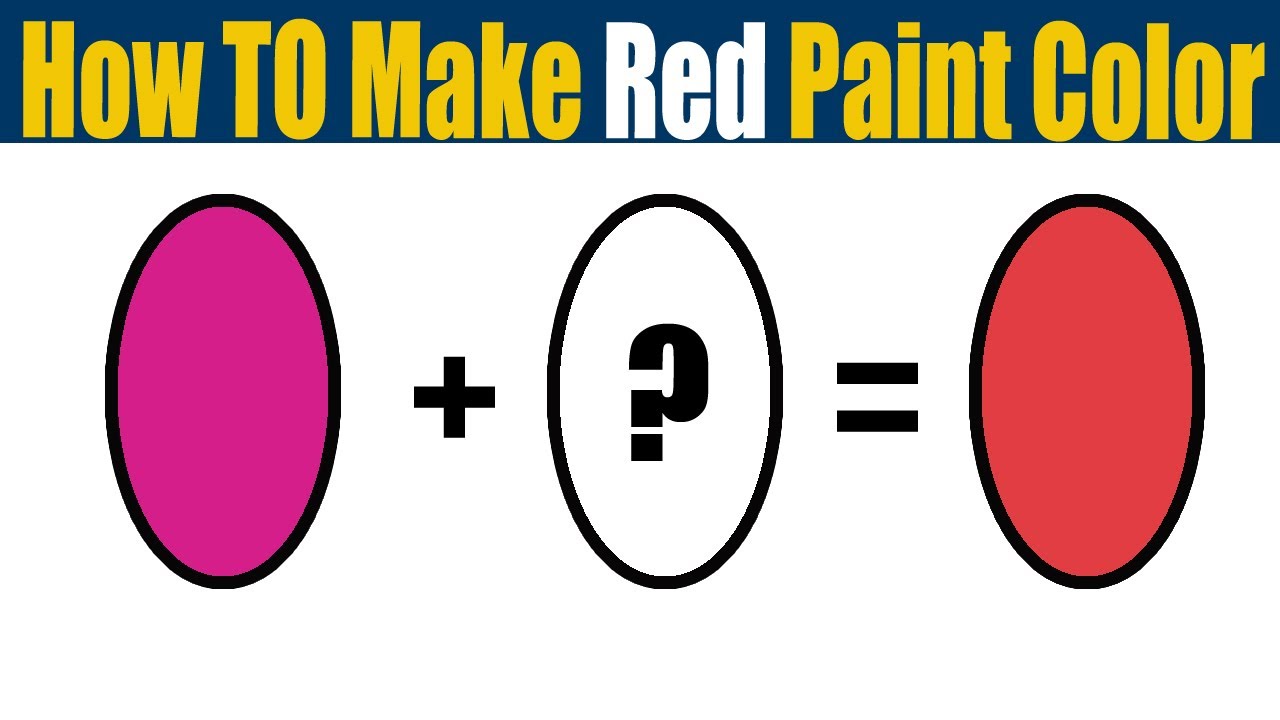
Using Magenta And Yellow
Creating the color red using magenta and yellow is a useful skill in art and design. These two colors are part of the subtractive color system used in printing and painting. By mixing magenta and yellow, you can achieve various shades of red without using red paint directly. This method allows you to explore different tones and warmth in red hues.
Understanding Magenta And Yellow
Magenta is a strong pinkish-purple color. Yellow is bright and warm. When combined, they produce a range of red shades depending on the amount of each color. More magenta gives a cooler red. More yellow results in a warmer red.
Step-by-step Mixing Process
Start with equal parts of magenta and yellow paint. Mix them slowly to see the red color form. Adjust the ratio by adding more magenta for deeper red. Add more yellow to lighten the red and make it warmer. Mix well for a smooth and even color.
Tips For Best Results
Use high-quality paints for vibrant colors. Mix small amounts first to test the shade. Clean your brush between colors to avoid muddy results. Experiment with different ratios to find your perfect red tone. Remember, lighting affects how you see the color.
Avoiding Pink And Yellow Mix
Mixing colors to get the perfect red can be tricky. One common mistake is ending up with pink or yellow instead of red. This happens because red is a primary color. It cannot be made by mixing other colors. But mixing the wrong colors can move your shade away from true red.
Understanding how to avoid pink and yellow when trying to make red helps keep your color pure. This section explains simple tips to prevent those unwanted colors.
Avoid Adding Too Much White
White lightens red and turns it pink. Even a small amount of white changes the color quickly. Use white sparingly if you want a lighter red. Otherwise, your red will look more like pink. Keep the white minimal for a true red shade.
Steer Clear Of Excess Yellow
Yellow mixes with red to make orange, not pure red. Adding too much yellow can turn your red into a warm orange tone. Use only a tiny amount of yellow if you want a warmer red. Avoid large amounts of yellow to keep your red from shifting toward orange.
Use Pure Red As Your Base
Start with a bright, pure red color. Avoid mixing colors to create red since it is a primary color. Adding other colors to pure red changes the shade. Stick with pure red and adjust with small amounts of other colors to keep the red vibrant and true.

Credit: smart.dhgate.com
Frequently Asked Questions
What Two Colors Make Red?
Red is a primary color and cannot be made by mixing two colors. Mixing magenta and yellow creates red in printing.
What Colors Make You Red?
Red is a primary color and cannot be made by mixing other colors. Mixing magenta and yellow creates red in printing. Adding yellow to red makes orange-red, and adding blue makes violet-red. White lightens red; black darkens it.
Do Pink And Yellow Make Red?
No, pink and yellow do not make red. Mixing them creates a shade of orange, not pure red.
Do Orange And Yellow Make Red?
No, orange and yellow do not make red. Red is a primary color and cannot be created by mixing other colors. Mixing orange and yellow produces lighter orange shades, not red.
What Colors Combine To Make Different Shades Of Red?
Mix red with yellow for orange-red, or with blue for violet-red shades.
Can You Create Red By Mixing Other Colors?
No, red is a primary color and cannot be made by mixing other colors.
How To Make A Lighter Shade Of Red?
Add white to pure red paint to make a lighter, softer red.
How To Make A Darker Shade Of Red?
Mix black into red paint carefully to create a deeper, darker red.
What Color Makes Red Warmer Or Cooler?
Yellow warms red, while blue cools it down, changing the tone.
How To Make Burgundy Color From Red?
Add violet or a little blue to red to get a burgundy shade.
Conclusion
Red is a primary color that cannot be made by mixing others. You can create many red shades by blending red with yellow, blue, white, or black. Adding yellow warms red, while blue cools it. White lightens red, and black darkens it.
Experiment with these mixes to find your perfect red. Keep practicing to see how colors change. This simple guide helps you understand red and its shades clearly. Enjoy creating with color!