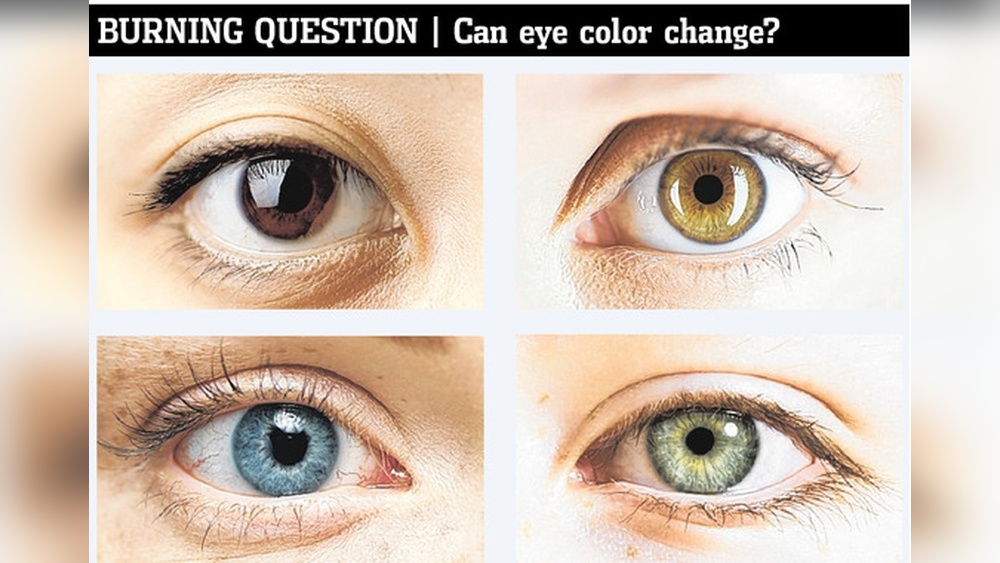
Have you ever noticed how your eyes seem to look different when you’re happy, sad, or angry? You might wonder, “Can eyes change color with mood?” It’s a fascinating question because your eyes are often called the windows to your soul.
But is there any truth to the idea that your emotions can shift the color of your irises? You’ll discover what really happens to your eyes when your mood changes. You’ll learn the science behind eye color and how lighting, pupil size, and even emotional states can affect the way your eyes appear.
Keep reading to uncover surprising facts that might change how you see your own eyes—and others’—forever.
Eye Color Basics
Eye color does not truly change with mood, but lighting and pupil size can affect its appearance. Emotions may cause pupils to dilate, subtly altering eye color perception. Actual iris color remains constant throughout life.
What Determines Eye Color?
Eye color depends on the iris, the colored part of the eye. The iris contains pigments called melanin. The amount and type of melanin decide the eye color. More melanin means darker eyes, like brown or black. Less melanin gives lighter eyes, such as blue or green.
Genetics And Eye Color
Genes passed from parents control eye color. Many genes work together to create unique colors. This is why family members often have similar eye colors. Sometimes, a child’s eye color may differ from both parents. It happens due to complex gene combinations.
Can Eye Color Change?
Eye color can change slightly over time. Babies often have blue or gray eyes that darken in the first years. Some people notice eye colors appear different in light or with clothing colors. True color change due to mood is rare and usually not permanent.

Credit: www.reddit.com
Factors Influencing Eye Color
Eye color depends on several factors beyond genetics. The main cause is the amount and type of pigment in the iris. Melanin, a brown pigment, plays a big role. More melanin means darker eyes. Less melanin results in lighter eyes like blue or green.
Other elements can affect how eye color appears. These include lighting, emotions, and health changes. The size of the pupil also affects eye color perception. When pupils dilate or shrink, the color may seem different.
Genetics And Melanin
Genes mainly determine your eye color. They control melanin production in the iris. Brown eyes have high melanin levels. Blue and green eyes have less melanin. This pigment absorbs and reflects light to create color.
Lighting Conditions
Light changes can make eyes look different. Bright sunlight can make eyes appear lighter. Dim lighting can deepen eye color. Reflections and shadows also play a part. This effect does not change the actual color.
Emotions And Pupil Size
Strong emotions can change pupil size. When pupils expand, more of the iris shows. This can alter how the eye color looks. Fear, excitement, or anger may cause pupil changes. The iris color itself stays the same.
Age And Health
Eye color can shift slightly with age. Newborns often have blue eyes that darken over time. Certain diseases or medications may change eye color too. These changes happen slowly and are rare compared to lighting or emotion effects.
How Mood Affects Pupil Size
The size of your pupils changes based on your mood and emotions. Pupils get bigger or smaller depending on how you feel. These changes can affect how your eyes look.
Pupil size changes can make the iris color seem different. This is because the dark center of the eye grows or shrinks. The change in contrast can trick the eye.
What Controls Pupil Size?
The muscles around your pupils control their size. When you feel strong emotions, these muscles react quickly. Bright light makes pupils shrink. Darkness or excitement makes pupils grow.
How Emotions Influence Pupils
Excitement, fear, or attraction can cause pupils to dilate. Stress or anger might also change pupil size. Calmness or boredom usually makes pupils smaller.
Why Pupil Size Can Affect Eye Color Appearance
When pupils enlarge, more of the iris is visible. This can make the eye color appear deeper or darker. Smaller pupils show less iris, changing how color looks.
Credit: www.rgmservices.in
Pupil Size Impact On Eye Appearance
The size of the pupil plays a key role in how eye color appears. Pupils are the black circles in the center of the eye. They control how much light enters the eye by getting bigger or smaller. Changes in pupil size can affect how bright or dark the iris looks.
When pupils get larger, more of the colored part of the eye is covered. This can make the eye color seem deeper or darker. In low light or strong emotions, pupils usually dilate, which can change the way eyes look.
Smaller pupils let more of the iris show. This can make eye color look lighter or more vibrant. Bright light often causes pupils to shrink, making the color stand out more clearly.
Pupil Dilation And Eye Color Perception
Dilation happens when pupils widen due to dim light or strong feelings. This can make the iris appear darker. The black center takes up more space, blending with the eye color. This creates the illusion of a color change.
Impact Of Emotions On Pupil Size
Emotions like excitement or fear can cause pupils to dilate. This change can make eyes look different without changing their true color. The iris stays the same, but the size of the pupil alters how much color is visible.
Light Conditions Affecting Pupil Size And Eye Appearance
Light levels strongly influence pupil size. In bright light, pupils contract, revealing more iris. This makes eye color seem brighter. In darkness, pupils dilate, hiding some iris and darkening the eye’s look.
Lighting And Eye Color Perception
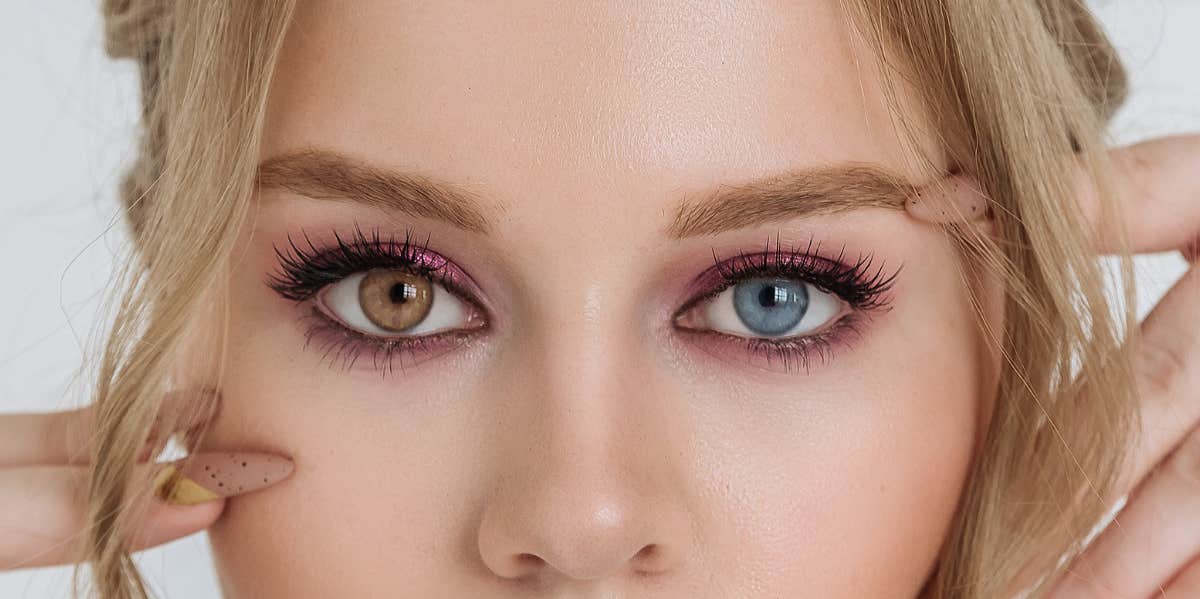
Lighting plays a big role in how eye color looks to others. Eyes can seem brighter, darker, or even a different shade depending on light. This effect happens because light reflects differently on the iris, the colored part of the eye.
Natural sunlight and artificial light affect eye color perception in unique ways. The angle and intensity of light change how pigments in the iris appear. This can make eyes look like they shift color even though the actual color stays the same.
How Natural Light Affects Eye Color
Sunlight is bright and contains many colors. When sunlight hits the eyes, it enhances the iris’s natural tones. Blue and green eyes often look more vivid in daylight. Brown eyes may show golden or amber highlights that are hard to see indoors.
Direct sunlight can make eyes sparkle. Shadows or cloudy days soften the eye color, making it look less intense. The time of day changes the light’s warmth, which also influences eye color perception.
Impact Of Artificial Lighting On Eye Color
Indoor lights vary in color temperature. Warm lights give a yellowish glow, changing how eye colors appear. Cool lights, like fluorescent bulbs, can make eyes look sharper or duller.
Colored lights can also alter eye color perception. For example, blue or red lighting changes the way iris pigments reflect light. This effect tricks the eye into seeing a different shade.
Role Of Eye Reflection And Shadows
Reflection on the eye surface affects color perception. Bright reflections can create highlights that brighten the iris. Shadows around the eyes can deepen colors, making eyes look darker.
The shape of the eye and surrounding skin tone influence how light hits the iris. These factors can create subtle changes in eye color appearance throughout the day.
Credit: www.yourtango.com
Emotional States And Eye Color Myths
Many people believe eyes change color with mood. This idea is popular in stories and movies. It sounds magical and true. Yet, science tells a different story.
Eye color is mainly determined by genetics and pigments. The iris has melanin, which gives it color. Changes in mood do not alter melanin levels.
Understanding The Science Behind Eye Color
The iris color is fixed after childhood. It depends on melanin amount and distribution. Light eyes have less melanin; dark eyes have more. These levels stay stable in most people.
Changes in lighting can make eyes look different. Bright light can cause pupils to shrink, showing more iris. This can create an illusion of color change.
How Emotions Affect Pupil Size, Not Color
Strong emotions can change pupil size quickly. Pupils dilate when excited or scared. They shrink when calm or focused.
Pupil size affects how much of the iris is visible. Larger pupils show less iris, sometimes altering perceived color. The iris itself does not change color.
Common Myths About Mood And Eye Color
Myth 1: Eyes turn blue when happy. Myth 2: Eyes become green when jealous. These are not supported by science.
Myths often come from lighting, clothing, or makeup effects. These can highlight different tones in the iris, creating a false impression.
Scientific Evidence On Eye Color Change
Many people wonder if their eyes can change color with mood. This question sparks curiosity because eyes do seem to shift shades sometimes. Understanding the science behind this helps separate fact from myth. Scientists have studied eye color and how it reacts to various factors.
Eye color depends mainly on the iris, the colored part of the eye. The iris contains pigments that determine the eye’s color. These pigments stay mostly stable throughout life. Changes in mood do not directly alter these pigments.
How Iris Pigments Determine Eye Color
The color of the iris comes from melanin, a pigment also found in skin and hair. Higher melanin levels make eyes brown or dark. Lower melanin leads to blue or green eyes. These pigment levels remain constant and do not change with emotions.
Role Of Pupil Size And Lighting
The pupil changes size based on light and emotional states. When pupils dilate, the iris appears darker. When pupils shrink, the iris looks lighter. This change can make eyes look like they shift color. It is an optical effect, not a true color change.
Emotions And Eye Color: What Science Says
Emotions can cause pupil dilation, which affects eye appearance. Excitement, fear, or attraction can enlarge pupils. This shift may change how much iris color is visible. The actual pigment color, however, does not change with mood.
Long-term Changes In Eye Color
Eye color can change slowly over years. Babies often have lighter eyes that darken with age. Certain diseases or medications might alter eye color too. These changes are gradual and unrelated to short-term emotions or moods.
Depression And Eye Appearance
Depression can subtly affect the appearance of the eyes. Changes in mood often influence physical features, including how the eyes look. These changes do not alter the iris color but impact other parts of the eye. Understanding these effects helps clarify myths about eye color and mood.
Pupil Constriction Effects
Depression can cause the pupils to become smaller. Smaller pupils reduce the amount of light entering the eyes. This change can make the eyes seem darker or less vibrant. Pupil size affects how much of the iris shows, influencing perceived eye brightness. These effects are temporary and linked to the nervous system.
Dry Eyes And Eye Dullness
People with depression often experience dry eyes. Lack of moisture makes the eyes look dull and tired. Dry eyes lose their natural shine and sparkle. This dullness can give the impression of color fading or dimming. Proper hydration and eye care improve eye appearance in these cases.
Visual Perception Changes
Depression can alter visual perception and sensitivity to light. Changes in lighting affect how eye color appears to others. Dim lighting may make eyes seem less bright or slightly different in shade. These perception shifts do not mean the iris color has changed. They reflect mood-related changes in the eye’s environment.
Age And Long-term Eye Color Changes
Eye color can change naturally over time. This shift is often slow and subtle. Age plays a key role in these long-term changes. As people grow, their eye color may become lighter or darker. These changes happen due to variations in pigment and eye structure.
Babies often have blue or gray eyes at birth. Their eye color can develop fully during the first few years. This is because melanin, the pigment that gives color, increases over time. Adults can also see slight changes as they age. The eyes may darken or lose some brightness.
Eye Color Changes In Infants And Children
Most babies are born with light-colored eyes. Melanin production is low at birth. Over months, melanin increases, causing eyes to darken. Some children’s eyes change color until they are about three years old. After this period, eye color usually stays stable.
Eye Color Changes In Adults
Adult eye color rarely changes drastically. A gradual darkening is common with age. This happens due to more melanin in the iris. Some adults notice their eyes become less vibrant. This change can be more visible in lighter eyes.
Medical Conditions Affecting Eye Color
Certain health issues can alter eye color. Conditions like Horner’s syndrome or pigmentary glaucoma may cause change. Eye injuries and medications also affect iris color. These changes are different from natural aging.
When To See An Eye Specialist
Eye color does not truly change with mood. Sometimes, lighting or pupil size causes a shift in how color looks. Yet, real changes in eye color may signal health concerns.
Consult an eye specialist if your eye color changes suddenly or unevenly. This could indicate an eye condition needing professional care. Early diagnosis helps protect vision and eye health.
Sudden Change In Eye Color
A quick shift in iris color is unusual. It may signal inflammation or injury. Seek immediate medical advice to rule out serious issues.
Discomfort Or Vision Problems
Eye pain, redness, or blurred vision alongside color change needs prompt attention. These symptoms may point to infections or glaucoma.
Uneven Or Patchy Color Changes
Unequal eye color or spots on the iris can indicate health problems. Conditions like pigment dispersion syndrome require a specialist’s evaluation.
Changes In Pupil Size Or Shape
Irregular pupil size or shape with color changes may suggest neurological or eye disorders. A thorough exam by an eye doctor is necessary.
Family History Of Eye Diseases
People with a family history of eye diseases should monitor eye color changes carefully. Regular check-ups can detect early signs of problems.
Frequently Asked Questions
Can Emotions Cause Eye Color Change?
No, emotions cannot change eye color permanently. Pupil size may vary with mood, altering perceived eye color temporarily.
Can Your Eyes Change Color When You’re Happy?
No, your eyes do not change color when you’re happy. Eye color remains constant but may appear different in varying light.
Can Your Eyes Change Color When You’re Mad?
Your eyes do not truly change color when mad. Pupil size changes can alter iris appearance, creating a temporary color illusion.
Do Your Eyes Change Color When You’re Depressed?
Depression does not permanently change eye color. It may cause pupil constriction and dry eyes, making eyes appear duller or darker temporarily.
Can Eyes Really Change Color With Mood?
No, eye color does not truly change with mood. It may seem different due to lighting or pupil size.
What Causes Eyes To Appear Different In Color?
Lighting, clothing, and pupil size can make eyes look lighter or darker but do not change actual color.
Can Emotions Affect The Appearance Of Eye Color?
Emotions can affect pupil size, which may alter how much iris is visible, changing perceived color slightly.
Do Pupils Change Size Based On Mood?
Yes, pupils dilate or contract with emotions, light, or focus, affecting how the iris color looks.
Is It Possible For Eye Color To Change Naturally?
Eye color can change naturally during childhood or with age but not suddenly due to mood changes.
Can Health Conditions Change Eye Color?
Certain diseases or medications can alter eye color, but mood-related changes are not possible.
Conclusion
Eyes do not truly change color with mood. Lighting, pupil size, and emotions can affect how eye color looks. Pupil dilation can make eyes seem lighter or darker temporarily. True iris color stays the same throughout life, except for slow changes with age.
Many believe mood changes eye color, but science shows it only alters appearance slightly. Understanding this helps clear common myths about eye color. So, your eyes reflect light and feelings, but their color remains constant.