Have you ever wondered exactly when Colorado took the bold step to legalize weed? If you’re curious about how and when this landmark change happened, you’re in the right place.
Understanding the timeline of Colorado’s legalization can give you insight into the state’s culture, economy, and laws today. Whether you’re a resident, a visitor, or just someone interested in cannabis laws, knowing the key dates and facts will help you navigate the topic with confidence.
Keep reading to discover when Colorado legalized weed and what that means for you.
Credit: www.cpr.org
Early Cannabis Laws In Colorado
Colorado’s journey with cannabis laws started long before legalization. The state first dealt with cannabis through strict prohibition. For many years, possession and use were illegal. Penalties included fines and jail time.
The 1970s brought some change. Colorado reduced penalties for small amounts of marijuana. This was one of the earliest signs of shifting views. Despite this, cannabis remained mostly illegal for decades.
Medical marijuana laws arrived in the early 2000s. They allowed patients with certain conditions to use cannabis legally. This was a major step toward broader acceptance. It set the stage for future changes in the law.
Prohibition Era And Early Restrictions
In the early 1900s, Colorado banned cannabis completely. The law aimed to control drug use and related crime. Possession was a criminal offense with harsh punishments. Enforcement was strict, reflecting national trends.
Decriminalization Of Small Amounts
In 1975, Colorado reduced penalties for possessing small amounts of marijuana. This was called “decriminalization.” It meant minor possession led to fines, not jail. This law marked a shift toward leniency.
Medical Marijuana Legalization
Colorado passed the medical marijuana law in 2000. Patients with doctor approval could legally use cannabis. The law created a regulated medical cannabis market. This helped many patients manage pain and illness.

Credit: taxfoundation.org
Medical Marijuana Milestones
Colorado’s journey with medical marijuana began long before recreational use. The state took early steps to help patients access cannabis safely. These milestones shaped the current legal landscape. They also set the stage for later recreational legalization.
Each milestone marked important progress in medical cannabis laws. The state carefully balanced patient needs with public safety. This approach helped build trust and support among residents and lawmakers.
Passage Of Amendment 20 In 2000
Amendment 20 was Colorado’s first medical marijuana law. It allowed patients with certain illnesses to use cannabis with a doctor’s approval. The law also created a system for patient registration. This law laid the groundwork for all future cannabis regulations.
Establishment Of Medical Marijuana Registry
After Amendment 20 passed, Colorado created a registry for patients. This system tracked qualified users and their caregivers. It ensured only eligible patients could access medical marijuana. The registry helped prevent misuse and kept the program organized.
Expansion Of Qualifying Conditions
Over time, Colorado added more conditions to the medical marijuana list. These included chronic pain, PTSD, and cancer-related symptoms. The expansion made cannabis available to more patients in need. Doctors gained more flexibility to recommend treatment.
Opening Of Medical Dispensaries In 2009
Colorado allowed licensed dispensaries to open in 2009. This made medical marijuana easier to obtain safely. Dispensaries provided patients with regulated products and advice. Their presence improved access and product quality.
Introduction Of Patient Protections And Regulations
Colorado passed laws to protect medical marijuana patients from discrimination. Employers and landlords were restricted from punishing patients for legal use. The state also regulated product testing and labeling. These rules increased patient safety and confidence.
The Push For Recreational Legalization
Colorado legalized recreational marijuana in 2012, allowing adults to buy and use weed legally. This law made Colorado the first state to sell cannabis in retail stores. Since then, the state has seen changes in laws and business growth around marijuana.
The movement to legalize recreational marijuana in Colorado grew steadily during the early 2010s. Many people believed cannabis had medical benefits and should be accessible to adults. Others saw legalization as a way to reduce crime and boost the economy.
Activists and organizations worked hard to change the laws. They educated the public about marijuana’s effects and safety. This effort gained support from voters across the state.
Public Support And Advocacy
Public opinion shifted as more people learned about marijuana’s benefits. Surveys showed increasing support for legalization each year. Advocates held rallies and meetings to spread awareness.
They emphasized personal freedom and the failure of strict drug laws. Stories of medical patients helped change minds. The campaign connected with voters wanting new approaches to cannabis.
Key Political Moments
In 2012, Colorado voters had the chance to decide on Amendment 64. This amendment proposed legalizing recreational marijuana for adults over 21. The vote was close but passed with a clear majority.
Amendment 64 made Colorado the first state to allow retail marijuana sales. Lawmakers worked quickly to create rules for growing, selling, and using cannabis safely. This set a model for other states to follow.
Economic And Social Factors
Legalization promised new jobs and tax revenue for Colorado. Supporters argued that regulated sales would reduce black market activity. The state could use tax money for education, health, and public safety.
Social justice was also a key part of the push. Many wanted to fix past marijuana laws that hurt minority communities. Legalization included plans to reduce penalties and help those affected by old laws.
Amendment 64 And Its Approval
Amendment 64 was a key step in Colorado’s journey to legalize marijuana. It allowed adults aged 21 and older to possess and use cannabis legally. The amendment also set rules for growing and selling marijuana in the state.
On November 6, 2012, Colorado voters approved Amendment 64. This made Colorado the first state to legalize recreational marijuana by popular vote. The approval marked a historic change in drug laws.
Key Provisions Of Amendment 64
- Adults could possess up to one ounce of marijuana.
- People could grow up to six plants per household.
- Licensed stores could sell marijuana to adults.
- Regulations were set for marijuana production and sales.
Significance Of The Amendment
Amendment 64 changed how marijuana was viewed and treated. Colorado became the first state with legal retail sales of recreational cannabis. This created new business opportunities and tax revenue for the state.
The law also focused on public safety and education about marijuana use. It set limits to prevent underage use and impaired driving.
Implementation And Impact
The state began regulating marijuana sales in 2014. Licensed shops opened, and rules were enforced to control quality and safety. This helped build a legal market separate from illegal sales.
Since then, Colorado has seen economic benefits and changes in public opinion. Amendment 64 remains a landmark in U.S. marijuana policy.
Setting Up The Legal Market
Setting up the legal market for marijuana in Colorado was a careful process. It required clear rules to make the market safe and fair for everyone. The state had to create laws and systems to control the sale, use, and growth of cannabis. This helped protect consumers and businesses alike.
Colorado worked with many groups to build a strong legal framework. They focused on public health, safety, and business opportunities. The goal was to make sure the market grew in a responsible way.
Creating Regulations For Cannabis Businesses
Colorado set clear rules for cannabis shops, growers, and producers. These rules covered licenses, security, and product testing. Businesses had to follow strict guidelines to keep marijuana safe and legal. This helped prevent illegal sales and protect consumers.
Licensing And Compliance
The state created a licensing system for businesses. Every marijuana company needed a license to operate legally. The government checked these businesses regularly. Compliance checks made sure companies followed all laws and safety rules.
Taxation And Revenue Use
Colorado applied taxes on marijuana sales. These taxes brought in money for schools, roads, and public health programs. The tax system was designed to support community needs and maintain market fairness.
Public Education And Safety Measures
The state launched public education programs about cannabis use. They shared information on safe use and the risks of marijuana. Safety laws also included rules on driving and public consumption. These efforts aimed to protect the public and reduce harm.

Credit: www.denverpost.com
First Recreational Dispensaries Open
Colorado made history by opening the first recreational marijuana dispensaries. This marked a new era in cannabis laws across the United States. People could finally buy cannabis legally for fun, not just for medical use. The opening day was full of excitement and curiosity.
The state prepared for months before the first stores opened. Rules and regulations were strict to ensure safety and compliance. The stores had to meet high standards to serve customers legally. This step showed Colorado’s commitment to responsible cannabis sales.
Opening Day Of Recreational Dispensaries
On January 1, 2014, the first recreational dispensaries opened their doors. Long lines formed outside stores early in the morning. People waited patiently to be among the first buyers. The event attracted attention nationwide.
Stores sold various products like flower, edibles, and concentrates. Customers had to be 21 or older with valid ID. The atmosphere was festive but controlled. Staff explained product effects and safety tips clearly.
Impact On Local Communities
The opening of dispensaries brought new jobs and business opportunities. Towns saw increased tourism and tax revenue from cannabis sales. Some communities welcomed the change, while others stayed cautious. Overall, the economy benefited from this new market.
Public education about responsible use became a focus. Authorities worked to prevent underage sales and impaired driving. The state monitored impacts closely to adjust policies as needed.
Setting A National Example
Colorado’s move inspired other states to consider legalization. It proved that regulated cannabis sales could work safely. The state shared lessons about licensing, enforcement, and public health. Many watched Colorado’s experience to guide their own laws.
The success of the first dispensaries helped change national views on marijuana. It showed that legal cannabis could be part of a normal economy and society.
Regulations On Possession And Cultivation
Colorado legalized recreational marijuana in 2012. The state set clear rules for possession and growing cannabis. These rules help residents understand their rights and limits. Knowing these laws prevents legal trouble and promotes safe use.
Possession Limits For Adults
Adults 21 and older can possess up to one ounce of marijuana. Possessing more than this amount is illegal. The law also allows carrying marijuana in public places, but it must be in a sealed container. Smoking in public or near schools is banned.
Home Cultivation Rules
Residents can grow up to six marijuana plants per household. Only three plants can be mature, meaning ready to harvest. Plants must be kept out of public view and secured from minors. Growing more than six plants can lead to fines or criminal charges.
Restrictions On Minors
People under 21 cannot possess or grow marijuana legally. Giving marijuana to minors is a serious crime. Parents and guardians must ensure that marijuana is stored safely away from children. The law aims to protect youth from early exposure.
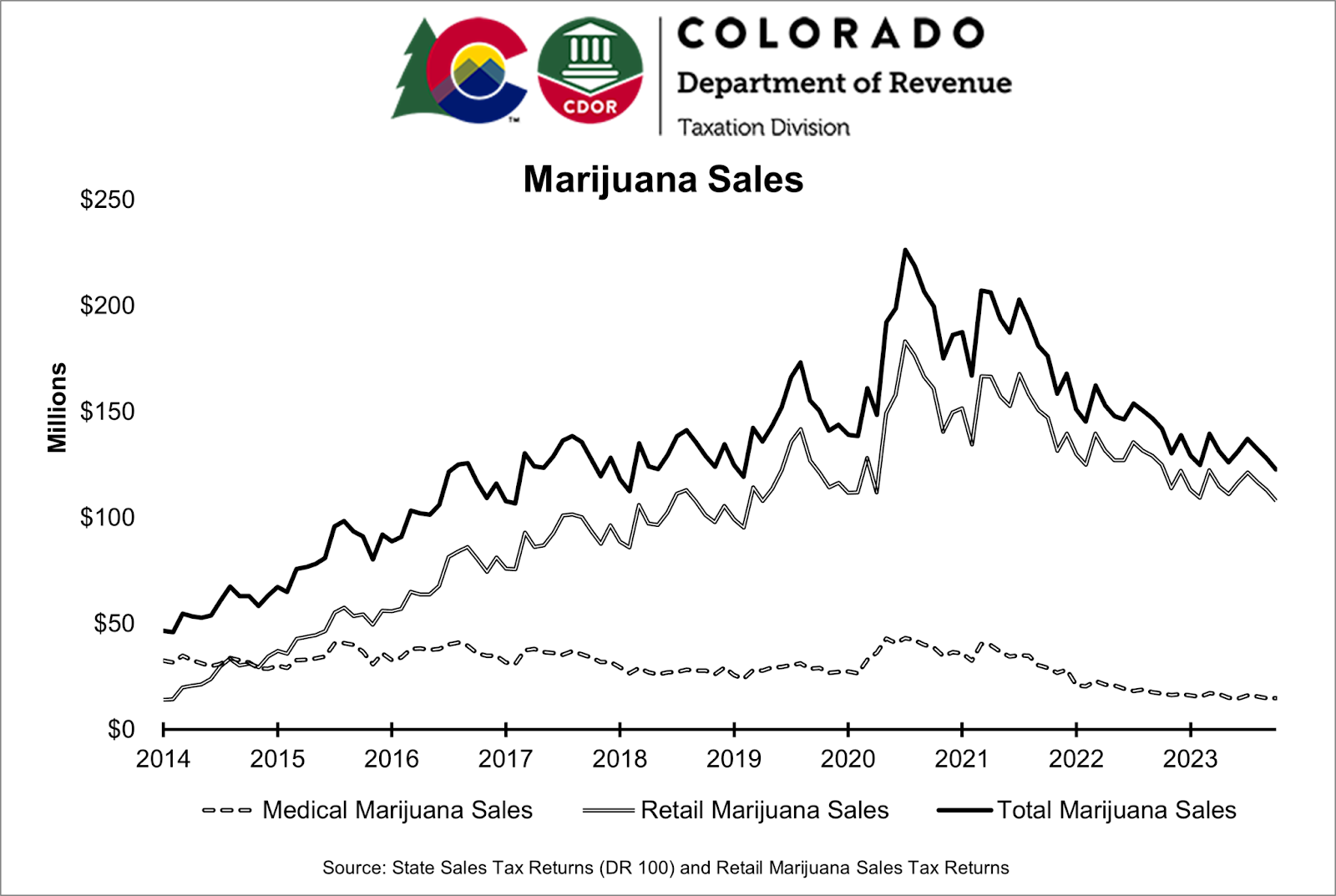
Economic Impact Of Legalization
Colorado legalized recreational marijuana in 2012, marking a major shift in its economy. The law allowed adults to buy and use cannabis legally. This change created new business opportunities and brought significant tax revenue to the state. The economic impact of legalization has been wide-reaching and continues to grow.
Increased Tax Revenue
Legal cannabis sales generate millions in tax revenue yearly. These funds support public schools, healthcare, and infrastructure projects. The state imposes excise and sales taxes on marijuana products. This steady income helps stabilize Colorado’s budget and supports community programs.
Job Creation
The cannabis industry has created thousands of new jobs. Roles include cultivation, retail, manufacturing, and distribution. Many small businesses have formed around cannabis products and services. This growth has lowered unemployment and boosted local economies.
Boost To Tourism
Tourists visit Colorado to experience legal cannabis. This has increased demand for hotels, restaurants, and entertainment. Cannabis tourism adds millions of dollars to the state economy every year. It also helps diversify Colorado’s traditional tourism market.
Impact On Real Estate
Demand for commercial real estate has risen since legalization. Grow facilities and dispensaries need suitable spaces to operate. This demand has raised property values in some areas. It also encourages redevelopment of older or unused buildings.
Social And Legal Challenges
Legalizing marijuana in Colorado brought many social and legal challenges. These challenges affected communities, law enforcement, and local governments. Understanding these issues helps explain the complex journey of legalization.
Social Perceptions And Community Impact
Many people worried about how marijuana use would change society. Concerns included youth access and public health risks. Some communities welcomed legalization, hoping for economic benefits. Others feared increased drug use and crime. Attitudes toward marijuana varied widely across the state.
Law Enforcement And Regulatory Issues
Police had to adapt to new laws and enforcement rules. Distinguishing legal use from illegal activities remained difficult. Authorities faced challenges in controlling impaired driving related to marijuana. Regulators worked to create clear rules for sales and possession. Ensuring compliance among businesses required constant oversight.
Legal Conflicts And Federal-state Tensions
Marijuana remains illegal under federal law, causing conflicts. Banks often refused to work with cannabis businesses. Legal businesses struggled with taxes and limited banking options. Federal policies created uncertainty for users and sellers. Colorado had to navigate this complex legal environment carefully.
Recent Developments And Future Outlook
Colorado has seen significant changes in marijuana laws since legalization. These recent developments shape the industry and public policies. They affect consumers, businesses, and the state’s economy. The future outlook shows ongoing adjustments and new opportunities. Understanding these trends helps to grasp Colorado’s cannabis landscape.
Recent Legislative Changes
Lawmakers continue to refine cannabis regulations. New bills address licensing, taxation, and public safety. Some laws expand access for medical patients. Others tighten rules for recreational use. The goal is to balance growth with responsible control.
Market Growth And Economic Impact
The cannabis market in Colorado keeps growing steadily. Retail sales and tax revenues hit new records yearly. Businesses invest in cultivation, processing, and retail spaces. Job creation rises in related sectors. The state benefits from increased funding for public programs.
Public Health And Safety Initiatives
Health officials focus on education and prevention efforts. Campaigns raise awareness about safe consumption. Road safety programs target impaired driving issues. Research on cannabis effects receives more support. These steps aim to protect communities and users.
Future Trends And Expectations
Experts predict further legalization adjustments at state and federal levels. Market regulations may evolve to include new product types. Technology will improve tracking and quality control. Social equity programs are likely to expand. Overall, Colorado’s cannabis future looks dynamic and progressive.
Frequently Asked Questions
What Was The First State To Legalize Weed?
The first U. S. state to legalize recreational weed was Washington in 2012. Colorado followed shortly after.
When Did The First Recreational Dispensary Open In Colorado?
The first recreational dispensary in Colorado opened on January 1, 2014, after legalization passed in 2012.
Is Weed 18 Or 21 In Colorado?
In Colorado, you must be 21 years or older to legally buy and possess recreational weed. Age 18 is not legal for marijuana use.
How Is Colorado Doing After Legalization In 2018?
Colorado’s 2018 legalization boosted tax revenue, created jobs, and reduced illegal sales. Public health and safety remain closely monitored.
When Did Colorado Legalize Recreational Weed?
Colorado legalized recreational marijuana on November 6, 2012, through Amendment 64.
When Did Retail Marijuana Sales Start In Colorado?
Retail sales of recreational marijuana began on January 1, 2014, in Colorado.
What Age Is Legal To Buy Weed In Colorado?
Adults 21 years and older can legally buy marijuana in Colorado.
How Much Marijuana Can You Legally Possess In Colorado?
Adults can possess up to one ounce (28 grams) of marijuana legally.
Can Colorado Residents Grow Marijuana At Home?
Yes, adults may grow up to six marijuana plants per household.
What Was Colorado’s Role In Cannabis Legalization History?
Colorado was the first state to allow legal retail sales of recreational weed.
Conclusion
Colorado made history by legalizing recreational weed in 2012. The law allowed adults to buy and possess marijuana legally. Retail sales began in 2014, making Colorado the first state to do so. This change shaped the state’s economy and culture.
Today, many people enjoy legal cannabis responsibly. Understanding this timeline helps explain how marijuana laws evolved in the U. S. Colorado’s experience shows the impact of legalization on society and business. The journey continues as laws and attitudes keep changing.