
Are you wondering how to make the perfect shade of brown for your art or design project? Brown might seem like a simple color, but creating the exact tone you want can be tricky.
Whether you need a rich chocolate brown, a warm earthy hue, or a soft tan, knowing how to mix colors correctly can make all the difference. In this guide, you’ll discover easy and effective ways to make brown by combining basic colors you probably already have.
By the end, you’ll have the confidence to mix browns that fit your style perfectly. Let’s dive in and unlock the secrets of making brown!
Primary Colors For Brown
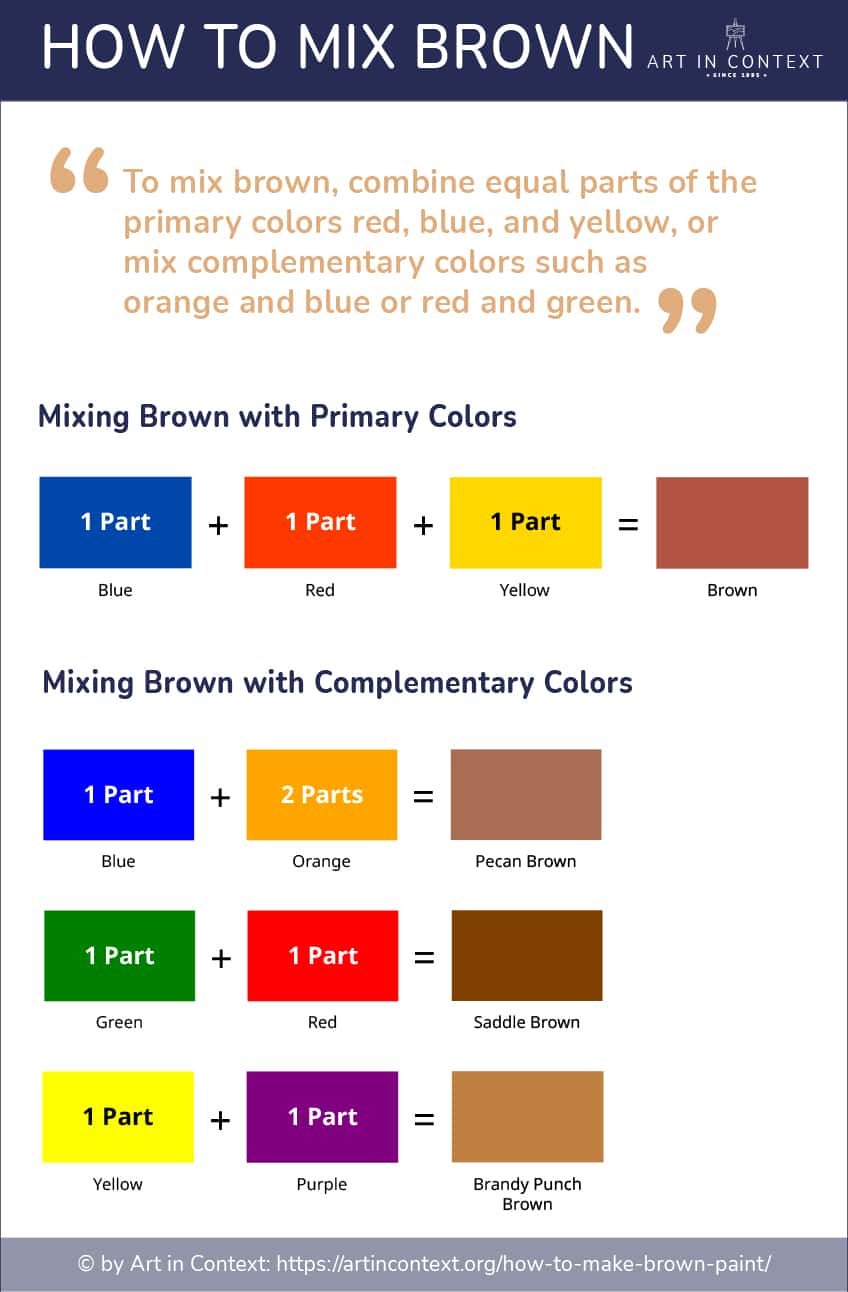
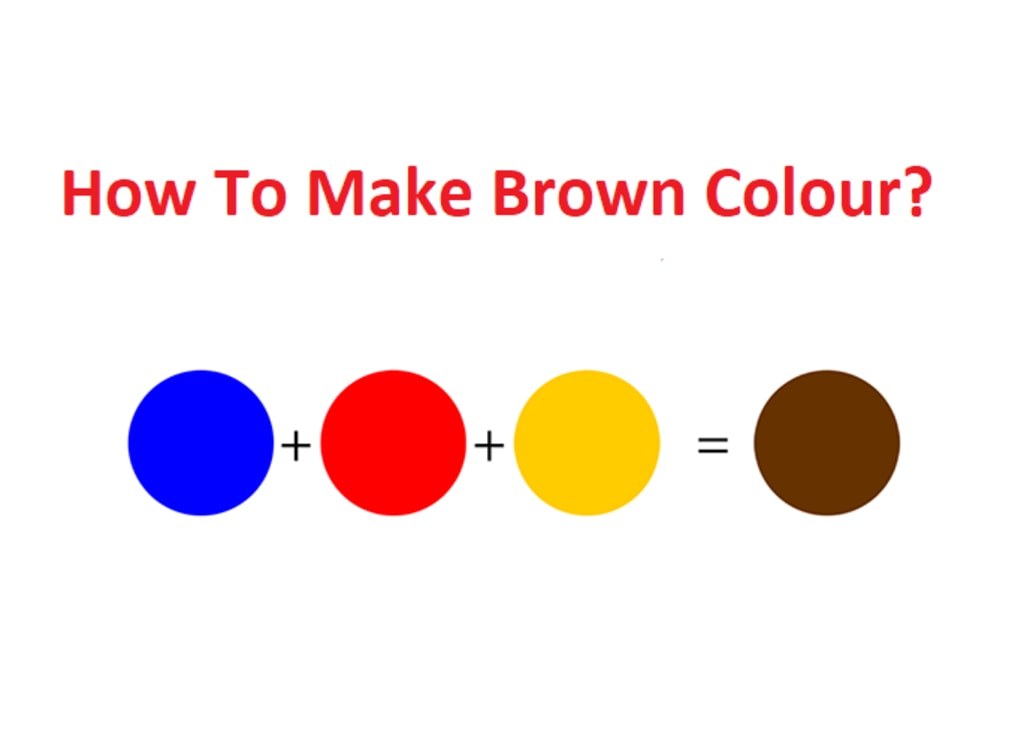
Understanding the primary colors for brown is key to mixing this versatile shade. Brown is not a primary color itself. It comes from mixing other colors together. By using the three primary colors—red, yellow, and blue—you can create many shades of brown.
Each primary color adds a unique tone to the final brown. The balance of these colors changes the warmth or coolness of the brown you get. Learning how to mix these colors lets you create the perfect brown for your project.
Red As A Base For Brown
Red is a strong color that influences brown’s warmth. Adding more red makes the brown richer and deeper. It brings a warm, earthy feel to the brown mix. Using red first helps to create a warm brown tone.
Yellow’s Role In Brown
Yellow lightens the brown and adds brightness. It softens the darkness that red and blue create. Yellow makes the brown look warmer and more golden. This color helps balance the mix for a natural brown shade.
Blue’s Effect On Brown
Blue cools the brown and makes it darker. It adds depth and richness to the color. Blue helps create a neutral or cooler brown tone. Using blue carefully prevents the brown from looking too dull.
Credit: artincontext.org
Complementary Color Combos
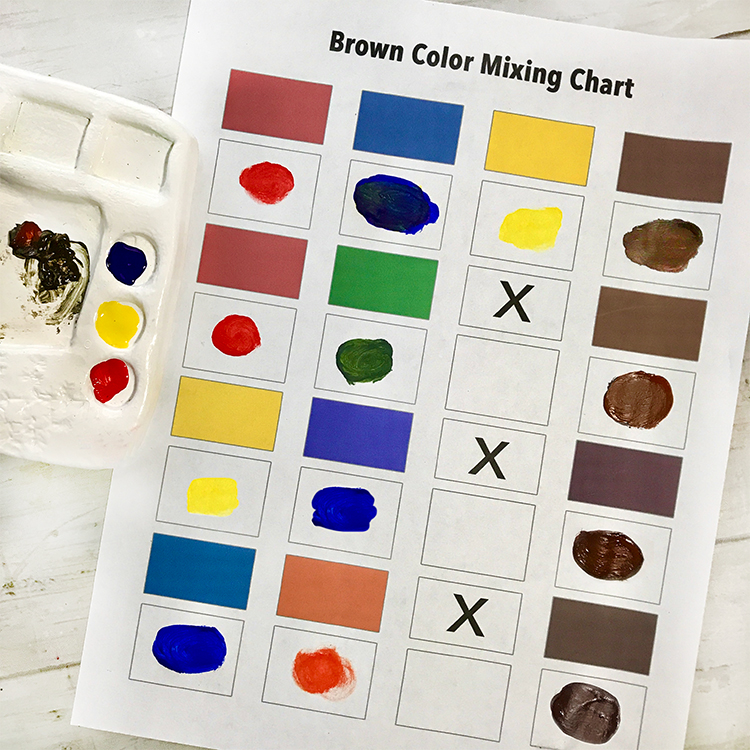
Complementary color combos offer a simple way to create brown. These pairs sit opposite each other on the color wheel. Mixing them balances their brightness and results in a natural brown shade.
Blue And Orange
Mixing blue and orange produces a brown with a slight green undertone. Adjusting the amount of blue or orange changes the warmth or coolness of the brown. This combo works well for earthy and muted tones.
Red And Green
Red combined with green creates a rich, deep brown. This mixture often appears warmer and more vibrant. Play with the ratio to get a brown that suits your project.
Yellow And Purple
Yellow and purple mix to form a warm brown with a hint of yellow. This pair is perfect for softer, golden brown shades. Adding more yellow lightens the brown, while more purple darkens it.
Adjusting Brown Shades
Adjusting brown shades allows you to create many tones suitable for different art projects. Brown is a flexible color. Small changes in the mix change its warmth, brightness, and depth.
Understanding how to adjust brown shades helps you control the mood of your artwork. You can make browns that look earthy, soft, or rich. Each shade adds a unique feel.
Adjusting Warm And Cool Browns
To make brown warmer, add a touch of red or yellow. These colors bring out a golden or reddish tone.
To cool down brown, add a bit of blue or green. This makes the brown look more muted or grayish.
Lightening And Darkening Brown Shades
Add white to lighten brown. This creates soft, creamy browns like tan or beige.
Use black or dark blue to darken brown. This gives you deep, chocolate-like tones.
Changing Brown’s Intensity
Add more of the primary colors to increase the color’s strength. More red or yellow makes the brown vibrant.
Mix in gray or a small amount of complementary color to dull the brown. This creates a subtle, natural look.
Credit: vocal.media
Using Red And Green
Using red and green to create brown is a simple and effective method. These two colors are complementary, meaning they sit opposite each other on the color wheel. When mixed, they neutralize each other, producing a rich brown hue. This technique works well with paints, crayons, or digital color mixing.
Adjusting the amount of red or green changes the brown’s warmth or coolness. More red results in a warmer, reddish-brown. More green creates a cooler, olive-like brown. Experimenting with different shades of red and green can yield unique brown tones.
Choosing The Right Shades Of Red And Green
Start with pure red and pure green for a balanced brown. Bright red mixed with a dark green often gives a deep, earthy brown. Using a lighter green with a darker red can create softer, muted brown tones. Try mixing different shades to find your preferred brown.
Mixing Technique For Smooth Brown
Begin by mixing equal parts of red and green paint. Stir the colors well to see the true brown tone. If the brown looks too dark, add a small amount of white or yellow to lighten it. For a deeper brown, add more red or green gradually.
Avoid adding too much of one color at once. This can cause the brown to lean too much towards red or green. Mixing colors slowly helps control the shade better. Also, ensure your paints are fresh and well-mixed for consistent results.
Mixing Blue And Orange
Mixing blue and orange is a simple way to create the color brown. These two colors sit opposite each other on the color wheel. When combined, they balance out to form a neutral shade.
This method works well for artists and anyone working with paint or digital colors. The brown you get depends on the shades of blue and orange used. Adjusting the amounts changes the tone and warmth of the brown.
Understanding Blue And Orange As Complementary Colors
Blue and orange are complementary colors. This means they enhance each other when placed side by side. Mixing them blends their opposite qualities. The result is a natural, muted brown color.
Steps To Mix Blue And Orange For Brown
Start with equal parts of blue and orange paint. Use a palette knife or brush to mix them thoroughly. Observe the color and add more blue to cool the brown. Add more orange to warm it up. Continue adjusting until you reach the desired shade.
Tips For Achieving Different Shades Of Brown
Use a lighter blue, like sky blue, for a softer brown. Darker blues, like navy, create deeper browns. Bright orange gives a vibrant brown, while burnt orange makes it earthy. Mixing small amounts first helps avoid waste.
Credit: thegraphicsfairy.com
Yellow And Purple Mix
Mixing yellow and purple is a simple way to create brown paint. These two colors sit opposite each other on the color wheel, making them complementary. When combined, they neutralize each other to form a warm brown tone. This mix works well for artists who want a softer brown without using black.
The yellow used should be bright and clear, like lemon yellow. The purple can be a deep violet or a lighter lavender. Changing the amounts of each color alters the brown’s warmth and shade. More yellow creates a lighter, golden brown. More purple results in a richer, deeper brown.
Choosing The Right Yellow And Purple
Select a yellow that is not too dark or muddy. A vibrant yellow ensures the brown will have a lively tone. For purple, pick one with a blue or red base depending on the brown you want. Blue-based purples give cooler browns, while red-based purples add warmth.
Mixing Techniques For Balanced Brown
Start by mixing equal parts yellow and purple on your palette. Stir them slowly to see the brown develop. Add small amounts of one color to adjust the tone. Use a palette knife for even blending and to avoid streaks. Test the color on a scrap piece before applying it to your project.
Adjusting The Shade And Tone
To lighten the brown, add a bit more yellow or mix in white paint. For a darker shade, increase the purple or add a touch of black carefully. If the brown looks dull, a small amount of red can warm it up. Experiment with small quantities to find your perfect brown.
Light Vs Pigment Mixing
Understanding how brown forms in light and pigment mixing is important. Light mixing and pigment mixing work very differently. The result you see changes based on the method used.
Light mixing uses colors of light, like on screens. Pigment mixing uses colored materials, like paint. Both can create brown but in unique ways.
How Light Mixing Creates Brown
Light mixing is also called additive color mixing. It adds colors of light together. Red, green, and blue are the primary colors of light. Mixing all three in equal parts makes white light.
To get brown using light, you mix red and green light at lower brightness. The mix looks like dark yellow or orange, which our eyes see as brown. Light mixing needs careful control of brightness.
How Pigment Mixing Creates Brown
Pigment mixing is subtractive color mixing. It combines paints or inks. The primary colors here are red, yellow, and blue. Mixing all three creates brown or gray tones.
Brown forms when pigments absorb certain light wavelengths. Mixing complementary colors like blue and orange also makes brown. Pigments block light, so colors darken as you mix.
Key Differences Between Light And Pigment Mixing
Light mixing adds light, pigment mixing absorbs light. Brown in light looks brighter and less saturated. Brown in pigments is deeper and earthy. Light mixing needs a light source, pigment mixing works on surfaces.
Use light mixing for screens and digital art. Use pigment mixing for painting and printing. Each method suits different projects and materials.
Adding White For Lighter Brown
Adding white to brown paint changes the color significantly. It makes brown lighter and softer. This technique helps create shades like tan, beige, and cream. These lighter browns are perfect for backgrounds, skin tones, and subtle designs. White paint dilutes brown’s intensity. It keeps the brown hue but with less darkness. The result is a more delicate and airy color.
Understanding how much white to add is important. Too much white can turn brown into a pastel or almost gray tone. Small amounts give more control over the lightness. Mix slowly and test the color on a palette or paper. This way, you find the perfect lighter brown for your project.
How To Mix White With Brown Paint
Start with your base brown color. Use a palette knife or brush to add a little white paint. Mix thoroughly to blend the colors evenly. Observe the color change after each addition. Keep adding white in small amounts until you get the shade you want. Avoid adding too much white at once. Mixing gradually helps avoid unwanted pale or chalky colors.
Best Uses For Lighter Brown Shades
Lighter browns work well in many art styles and designs. They are ideal for creating natural skin tones in portraits. Use them for wood textures or sandy landscapes. Lighter browns add warmth without overpowering other colors. These shades often serve as base colors for layering. They bring softness and balance to compositions.
Tips For Achieving The Perfect Light Brown
Choose a warm or cool brown before adding white. Warm browns have red or yellow undertones. Cool browns have blue or gray undertones. Adding white keeps these undertones visible but less intense. Mix brown and white in a well-lit area for accurate color. Test your mixture on the actual surface if possible. This helps you see how the color will look when dry.
Common Mistakes To Avoid
Making the color brown can be simple, but many make avoidable errors. These mistakes change the final color and cause frustration. Knowing what to avoid saves time and improves results.
Below are common mistakes to watch for when mixing your own brown. Each one affects the color in different ways. Avoiding these will help you get the perfect brown every time.
Using Too Much Of One Primary Color
Brown is a mix of red, yellow, and blue. Too much of one makes the color look off. For example, too much red can give a reddish brown that looks like rust. Balance the amounts carefully for a true brown.
Mixing Without Considering Complementary Colors
Complementary colors like blue and orange create brown when mixed. Ignoring this can cause muddy or dull browns. Try mixing complementary colors first for a rich, natural brown.
Adding Black To Darken Brown
Black paint can make brown look flat or too dark. It also changes the tone unexpectedly. Use dark blue or a mix of primary colors to darken brown instead of black.
Not Testing The Color On Paper
Colors look different on the palette and paper. Skipping tests leads to surprises. Always paint a small sample and let it dry before deciding if the brown is right.
Ignoring Paint Drying Effects
Brown can change as paint dries. Some colors lighten or darken. Mix a small amount and watch it dry to see the true final shade before mixing a large batch.
Tips For Perfect Brown
Creating the perfect brown color takes a little practice and some simple tricks. Brown is a mix of many colors, so small changes can make a big difference. Understanding how to balance colors helps you get the exact brown you want.
These tips guide you through mixing colors to achieve a rich and natural brown every time. Follow easy steps to adjust your mix and avoid common mistakes.
Use Complementary Colors
Start with two colors opposite each other on the color wheel. For example, mix blue and orange. This mix usually results in a dark brown with a slight green tone. Try red and green for a warmer brown. Yellow and purple make a softer, lighter brown. Adjust the amounts to change the shade.
Mix Primary Colors
Combine red, yellow, and blue to create brown. The exact shade depends on how much of each color you add. More red makes a reddish brown. More blue gives a cooler tone. More yellow results in a golden brown. Add white to lighten the color for softer browns.
Test Small Amounts First
Always mix a small amount before making a large batch. This way, you can see how the colors blend. Adjust the mix until you find the perfect brown. Testing saves paint and avoids waste.
Adjust With Black Or White
Add a tiny bit of black to darken your brown. Use white to lighten it. Be careful with black—it can quickly overpower the mix. White softens the brown without changing the tone too much.
Keep Notes Of Your Mix
Write down the colors and amounts used for each mix. This helps you recreate the same brown later. Notes are useful for projects that need color matching or touch-ups.
Frequently Asked Questions
What Two Colors Make Brown?
Mix blue and orange, red and green, or yellow and purple to make brown. Mixing all three primary colors—red, yellow, and blue—also creates brown. Adjust shades by varying color amounts.
Do Green And Red Make Brown?
Yes, mixing red and green paint produces brown because they are complementary colors in subtractive mixing. This works with pigments, not light.
How To Make Real Brown Color?
Mix brown by mixing two complementary colors like red and green, blue and orange, or yellow and purple. Alternatively, combine all three primary colors—red, yellow, and blue—for a neutral brown. Adjust shades by changing the ratio or adding white for lighter brown.
What Colors Mix To Make Chocolate Brown?
Mix chocolate brown by mixing red, yellow, and blue primary colors. Alternatively, combine complementary pairs like red and green, blue and orange, or yellow and purple. Adjust ratios to get desired brown shades.
What Two Colors Make Brown Paint?
Mix blue and orange, red and green, or yellow and purple to make brown.
How Do You Mix Primary Colors To Get Brown?
Combine red, yellow, and blue in equal or varied amounts to create brown.
Can I Make Brown By Mixing Only Two Colors?
Yes, mixing complementary colors like red and green can produce brown.
How To Adjust Brown Shade When Mixing Colors?
Add more of one color or mix in white to lighten the brown.
What Colors Create A Warm Brown Tone?
Mix yellow and purple for a warm brown with a yellow tint.
How To Make A Dark Brown Color?
Use more blue or red in your mix to deepen the brown shade.
Conclusion
Creating the color brown is simple with a few basic tips. Mix two complementary colors like red and green or blue and orange. Use the three primary colors—red, yellow, and blue—for a deeper brown. Adjust shades by adding more of one color or white for a lighter tone.
Practice mixing to find your perfect brown. Enjoy experimenting with colors and have fun creating!