Have you ever wondered who brought the vibrant world of color into your television screen? Understanding who invented the color television can change how you see this everyday technology.
It’s not just a story about gadgets and screens—it’s about the creativity and determination behind a breakthrough that transformed the way you enjoy entertainment. You’ll discover the surprising name behind this invention, how it came to life, and why it matters to your daily viewing experience.
Get ready to see color TV in a whole new light.
Early Color Tv Concepts
The idea of color television began long before the devices entered homes. Inventors explored ways to show images in color rather than black and white. These early concepts laid the groundwork for modern color TV technology.
Scientists and engineers experimented with different methods to capture and display color images. Their work was crucial in solving the complex problem of transmitting multiple colors through a single broadcast signal.
Mechanical Color Systems
One of the first approaches used rotating color wheels. This method combined red, green, and blue filters with a black-and-white image. The wheel spun rapidly to create the illusion of color on the screen.
Mechanical systems were simple but had limitations. The color quality was often poor, and the images sometimes flickered. Still, these early attempts showed that color TV was possible.
Electronic Color Systems
Electronic systems replaced moving parts with electronic signals. They used separate channels for red, green, and blue colors. These signals combined to form a full-color image on the screen.
This approach improved picture quality and reliability. It also allowed for easier transmission of color signals over the airwaves. Electronic color TV became the foundation for future developments.
Early Color Broadcast Experiments
In the 1920s and 1930s, inventors and broadcasters started testing color transmissions. These experiments helped identify technical challenges and audience interest. They also pushed governments and companies to invest in color TV research.
These early broadcasts were limited and often experimental. Still, they proved that transmitting color images was achievable. This success encouraged further innovation in the field.
Hovhannes Adamian’s Contributions
Hovhannes Adamian played a key role in the invention of color television. His work laid the foundation for how color images appear on screens today.
Adamian developed a system that could transmit color images through electronic means. This was a major step forward from black and white television.
Invention
Adamian created a color television system using a sequential tricolor method. It sent red, green, and blue signals one after another. This approach allowed the receiver to combine these colors into a full image.
Innovation
His system improved the clarity and color accuracy of broadcasts. It showed how electronic signals could carry color information effectively. This innovation helped make color TV practical and reliable.
Impact
Adamian’s technology was used in many important projects. One example is its role in NASA’s Voyager mission to capture images of Jupiter. His work helped bring color images from space to Earth.
Legacy
Though less known, Adamian’s contributions remain important in TV history. His ideas influenced later developments in color television technology. Today, his work is recognized as a crucial step in the evolution of TV.
John Logie Baird’s Experiments
John Logie Baird was a Scottish inventor known for early television work. He made key experiments with color television in the 1920s and 1930s.
Baird’s goal was to bring moving images in color to viewers. His approach used mechanical scanning methods to create color pictures.
Early Color Transmission Attempts
Baird first tested color transmission in 1928. He used a spinning disk with red, green, and blue filters. This method showed color images on a screen.
His system sent separate color signals in sequence. The colors combined to form a full-color image to the eye.
Challenges With Mechanical Systems
Baird’s mechanical method faced many problems. The images were small and flickered often. The color quality was limited by the filters and disk speed.
Despite this, Baird’s experiments proved that color television was possible. His work pushed the technology forward.
Legacy Of Baird’s Color Tv Experiments
Though electronic color TV later replaced mechanical systems, Baird’s work laid groundwork. He inspired others to improve color broadcasting methods.
His early tests showed the public what color TV might look like. Baird remains a key figure in television history.
:max_bytes(150000):strip_icc()/1960s-couple-man-woman-men----563966211-5a63b2c4482c520037cbc1ef.jpg)
Credit: www.thoughtco.com
Guillermo González Camarena’s Innovation
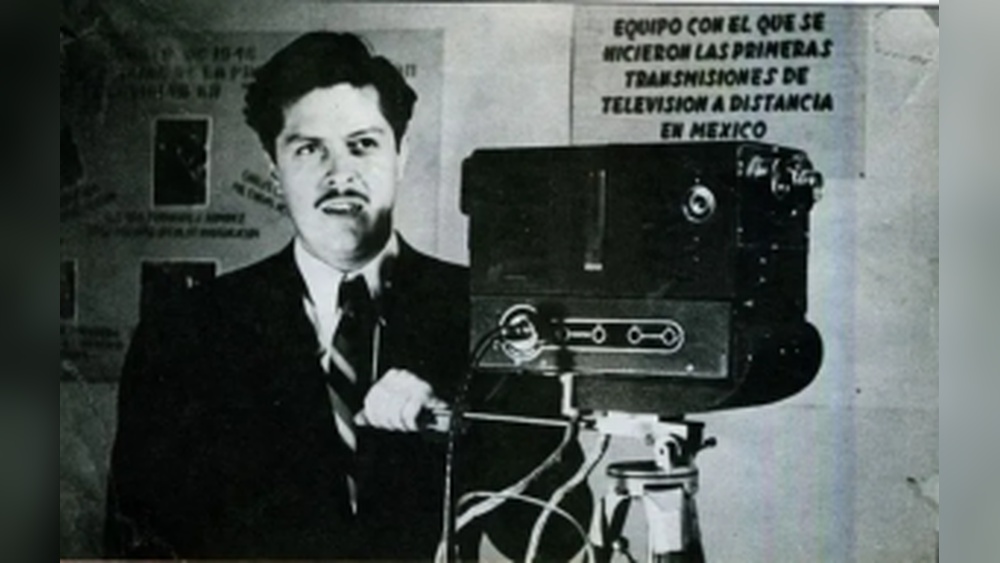
Guillermo González Camarena invented an early color television system using a sequential tricolor method. His innovation helped transmit color images and influenced space exploration technology. This Mexican inventor’s work laid the foundation for modern color TV.
Guillermo González Camarena was a Mexican engineer. He created one of the first color television systems. His invention made color TV possible for many people.
He designed a system called the “sequential tricolor field system.” This system sent red, green, and blue images in sequence. The TV combined these images to show full color pictures.
How The Sequential Tricolor Field System Worked
The system sent three color signals one after another. The TV screen showed these colors in rapid order. Our eyes blend the colors into a single color image.
This method was simple and effective for early color TV. It allowed broadcasters to send color programs with less equipment. It was a key step in the evolution of color television.
Impact On Television And Space Exploration
González Camarena’s invention helped launch color TV worldwide. His technology was used by NASA to capture images of Jupiter. The Voyager space mission showed the planet in color for the first time.
This achievement proved the value of his color TV system. It showed how science and technology could work together. His invention reached far beyond homes and TVs.
The Legacy Of Guillermo González Camarena
He left a lasting mark on television technology. Mexico honors him as a pioneer in science and engineering. His work inspired many inventors and engineers around the world.
Color TV became a standard because of his ideas. His innovation made watching TV a richer and more exciting experience. Guillermo González Camarena’s name remains linked to the birth of color television.
Trichromatic Sequential Field System
The Trichromatic Sequential Field System is a key invention in color television history. It uses three primary colors—red, green, and blue—to create full-color images. The system works by showing these colors one after another very quickly.
This rapid sequence tricks the human eye into seeing a single, full-color picture. The method is simple but effective, allowing early color TVs to display vibrant images. It helped solve many technical problems of transmitting color signals over the air.
How The System Works
The system sends red, green, and blue images in a quick cycle. Each color is shown in a separate field, one after the other. The television screen combines these fields to form a complete color image.
The speed is so fast that viewers see the colors mixed together naturally. This approach was easier to build than other color systems of that time.
Guillermo González Camarena’s Role
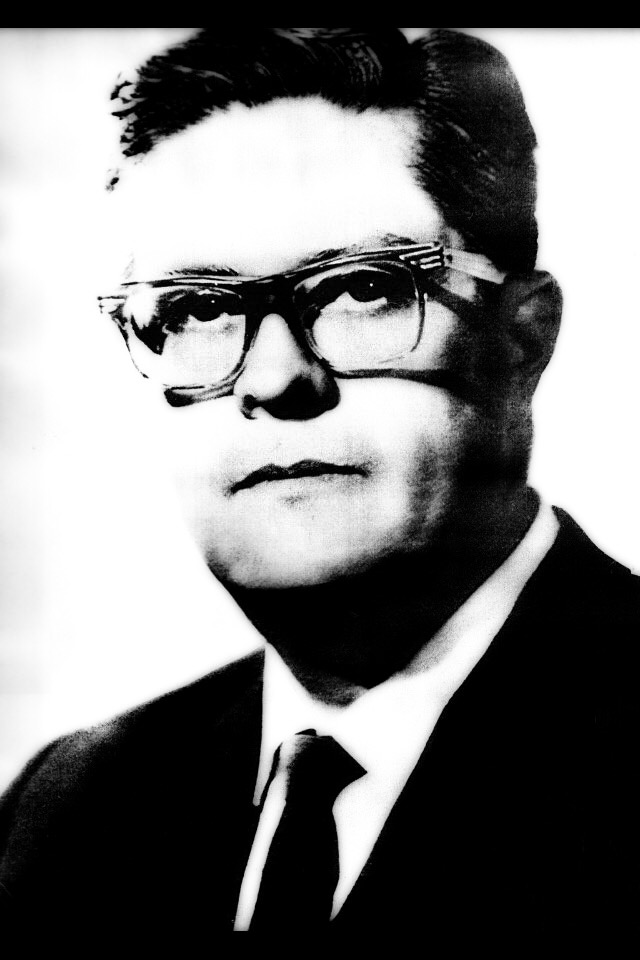
Guillermo González Camarena, a Mexican inventor, created this system. He patented it in 1940. His design became one of the first successful color television methods.
His system allowed color images to be broadcast with less complexity. It made color TV more accessible and practical for early manufacturers and broadcasters.
Impact On Color Television
The Trichromatic Sequential Field System influenced many later color TV technologies. It was used in important projects, including NASA’s Voyager mission to capture Jupiter’s close-up images.
This system paved the way for modern color television as we know it today. It showed that color broadcasting could be reliable and clear for viewers worldwide.
Credit: en.wikipedia.org
Broadcasting Breakthroughs
The invention of color television changed how people watch shows and news. It made images more real and exciting. Early television was only black and white. Adding color required new ideas and technology.
Many inventors worked on color TV systems. They faced big challenges in showing clear, stable color pictures. A major breakthrough came with the development of a system that could send color signals and still work on black-and-white TVs.
Early Experiments In Color Transmission
Inventors tested different methods to send color images. Some used filters, others used multiple cameras. These early tests helped find the best way to combine colors on screen. The goal was to make colors accurate and bright.
Guillermo González Camarena, a Mexican engineer, created a simple and effective system. His sequential color system used red, green, and blue filters. This method allowed for easier transmission of color images. It was one of the first practical color TV systems.
Impact On Television Broadcasting
Color TV brought new life to broadcasting. It attracted more viewers and advertisers. Networks began to invest in color programming. This shift changed the television industry forever. People enjoyed watching sports, movies, and shows in vibrant color.
Legacy Of The Color Tv Invention
The color TV system paved the way for modern technology. It influenced satellite broadcasts and space exploration imagery. NASA used similar technology to send color pictures of planets. The invention remains a key part of television history.
Nasa And Color Tv Technology
NASA played a key role in advancing color television technology. Their space missions needed clear and vibrant images for research and public broadcasts. Color TV technology helped scientists and the public see space in a new way.
NASA’s use of color television pushed engineers to improve the quality and reliability of color images. This led to better cameras and transmission systems. These advances also benefited everyday color television viewers.
Nasa’s Use Of Color Tv In Space Exploration
NASA first used color TV technology in the 1960s during the Apollo missions. Color cameras captured the surface of the moon and astronauts in action. These images fascinated millions worldwide and made space exploration more real and exciting.
Technology Improvements Driven By Nasa
NASA required cameras that worked well under harsh conditions. This need led to the development of more durable and high-quality color cameras. These improvements later influenced commercial color television technology, making home viewing better.
Color Tv And The Voyager Mission
The Voyager spacecraft used color TV technology to send back images of distant planets. It captured the first close-up color images of Jupiter and Saturn. These images helped scientists learn more about our solar system with vivid detail.
Cbs And Commercial Development
The development of color television advanced significantly due to the efforts of CBS. The Columbia Broadcasting System (CBS) played a crucial role in making color TV a commercial reality. Their work focused on creating a practical color broadcast system that could reach the public.
CBS introduced a mechanical color television system in the early 1950s. This system used a spinning color wheel to produce color images. Although it was bulky and complex, it was the first to be approved by the Federal Communications Commission (FCC) for commercial use.
The CBS system had limitations. It was incompatible with existing black-and-white TVs, which made adoption slow. Despite this, CBS’s efforts showed that color broadcasting was possible and created interest in the technology.
Cbs’s Mechanical Color System
CBS developed a mechanical method to display color images. This involved a spinning disc with red, green, and blue filters. The disc synchronized with the broadcast signal to show colors on screen. The idea was simple but required precise timing and complex equipment.
Fcc Approval And Broadcasts
In 1950, the FCC approved CBS’s color system for commercial use. CBS began limited color broadcasts in major cities like New York. These broadcasts helped test the technology on a small scale. However, the system was not backward compatible with black-and-white TVs.
Challenges In Commercial Adoption
The CBS system was expensive and difficult to produce. Its incompatibility with existing TVs slowed market growth. Other companies pushed for a compatible color system to protect older sets. This competition led to further development of color TV technology.
Legacy Of Cbs In Color Tv
CBS’s work laid the foundation for future color television systems. Their mechanical system proved color TV could be broadcast to homes. Although later systems replaced it, CBS helped start the commercial era of color television. This paved the way for the modern color TV we use today.
Global Impact Of Color Television
Color television changed how people watch and enjoy programs worldwide. It brought images to life with vivid colors. This shift made TV more exciting and realistic.
People could see nature, sports, and movies in full color. It created new opportunities for entertainment and education. Color TV also influenced culture and social habits globally.
Enhancing Entertainment And Media
Color TV made shows more appealing and engaging. Audiences connected better with stories and characters. It boosted the popularity of television as a main source of entertainment.
Advertisers used color to attract viewers’ attention. This led to growth in TV commercials and marketing strategies. The entertainment industry expanded with color as a key feature.
Impact On Education And Information
Color television improved learning by showing clear images. Educational programs became easier to understand and more interesting. News broadcasts gained credibility with colorful visuals.
People worldwide accessed information in a more engaging way. It helped spread awareness of global events and cultures. Color TV played a role in connecting distant communities.
Influence On Culture And Society
Color TV shaped fashion, art, and social trends. It allowed cultures to share their traditions visually. Families gathered more often to watch programs together.
Television became a tool for cultural exchange and understanding. It influenced social behavior and daily routines. The presence of color in homes changed lifestyles globally.
Legacy Of Color Tv Inventors
The invention of color television changed how people watch and enjoy media. It brought images to life with vibrant colors. The inventors behind this technology left a lasting mark on entertainment and communication.
Their work paved the way for modern TV systems and influenced many fields. Their inventions are still important today. Understanding their legacy helps us appreciate the technology we use daily.
Guillermo González Camarena’s Contribution
Guillermo González Camarena was a Mexican engineer and inventor. He developed a simple yet effective color TV system. His system used a sequential tricolor field method to transmit color images. This innovation made color TV more accessible and practical.
His technology was applied in important projects, like NASA’s Voyager mission. It helped capture the first close-up images of Jupiter in color. His work showed how color TV could extend beyond entertainment.
Impact On Television Technology
The inventors’ ideas helped create standards for color broadcasting worldwide. Their inventions improved picture quality and transmission methods. Color TV systems became more reliable and user-friendly over time.
These advances opened doors for more creative content and new TV formats. They changed how stories are told on screen, making them more engaging. The legacy of these inventors is visible in every color TV today.
Inspiration For Future Innovators
Color TV inventors inspired engineers and scientists around the world. Their success showed the value of persistence and creativity. Many young inventors studied their work to develop new technologies.
This legacy encourages innovation in digital media, display technology, and broadcasting. Their achievements remind us that simple ideas can have a big impact. The spirit of their work continues to drive progress in entertainment technology.
:max_bytes(150000):strip_icc()/37629091815_4cb82b469c_k-5c3a6f74c9e77c000185397a.jpg)
Credit: www.thoughtco.com
Frequently Asked Questions
Did A Mexican Invent The Color Tv?
Yes, Mexican inventor Guillermo González Camarena created an early color TV system in 1940. His technology helped advance color television worldwide.
Who Invented The First Color Tv?
Guillermo González Camarena, a Mexican engineer, invented the first practical color television system in 1940. His trichromatic system enabled color broadcasts.
Did An Armenian Invent Color Tv?
No, an Armenian did not invent color TV. Guillermo González Camarena, a Mexican engineer, invented an early color TV system.
How Much Was A Color Tv In 1970?
In 1970, a color TV typically cost between $400 and $600, equivalent to over $2,500 today adjusted for inflation.
Who Invented The Color Television?
Guillermo González Camarena, a Mexican engineer, invented the first successful color television system.
When Was Color Television First Invented?
Color television was first invented and patented by González Camarena in 1940.
How Did González Camarena’s Color Tv System Work?
His system used a sequential tricolor field to transmit color images.
Did Anyone Else Contribute To Color Tv Invention?
Yes, many improved it, but González Camarena created the first practical system.
What Made González Camarena’s Invention Unique?
It was the first to broadcast color images clearly and effectively.
How Did Color Tv Impact Broadcasting?
It changed TV by allowing viewers to see programs in full color.
Conclusion
Guillermo González Camarena played a key role in color television’s history. He created a system to send color images on TV screens. His invention helped bring vibrant pictures to homes worldwide. The technology even supported important space missions. Today, his work remains a proud part of Mexico’s scientific heritage.
Color television changed how people enjoy entertainment and information. Remembering its inventor reminds us of creativity’s power to shape the future.