When you get a burn, you might wonder why the skin looks a certain color. Have you noticed that burns aren’t just one color?
They can be red, pink, white, brown, or even black. But what does each color mean? Understanding the colors of burns can help you know how serious the injury is and what kind of care you might need. You’ll discover which burn colors match different burn types and why your skin changes color after a burn.
Keep reading—knowing this could make a big difference in how you handle a burn next time.
Credit: www.chegg.com
Burn Colors And Severity
Burns show different colors depending on how deep they are. The color helps identify the burn’s severity. This is important for treatment decisions.
Colors range from red to black. Each color points to a specific burn type. Understanding these colors can guide proper care.
First-degree Burns: Red Or Pink
First-degree burns affect only the outer skin layer. The skin looks red or pink. It may be painful and swollen. No blisters appear. These burns are mild and heal quickly.
Second-degree Burns: Red, White, Or Yellow
Second-degree burns damage deeper skin layers. The skin may show red, white, or yellow patches. Blisters often form. The skin can be moist or leathery. These burns are more serious and need medical care.
Third-degree Burns: White, Brown, Or Black
Third-degree burns destroy all skin layers. The skin may look white, brown, or black. It often appears leathery or waxy. Nerve damage may cause little pain. These burns require immediate medical attention.
First-degree Burns
First-degree burns are the mildest type of burn. They affect only the outer layer of the skin. These burns cause pain and redness but do not result in blisters. Understanding the color and symptoms helps identify and treat first-degree burns properly.
Color And Appearance
First-degree burns usually appear red or pink. The skin looks dry and slightly swollen. There are no blisters or open wounds. The area may feel warm to the touch. The redness comes from inflammation and increased blood flow.
Symptoms And Effects
These burns cause mild pain and tenderness. The skin may peel as it heals. Swelling is common but not severe. The burn usually heals within a week. There is no scarring if properly cared for. First-degree burns affect only the skin’s surface layer, making recovery quicker.
Second-degree Burns
Second-degree burns affect both the outer layer and the underlying skin layer. These burns are more serious than first-degree burns and often cause pain and swelling. The skin may look very different depending on the burn’s depth and severity. Understanding the color and texture changes helps identify the burn type and guides proper care.
Color Variations
Second-degree burns often show a mix of colors. The skin may appear red, white, or yellowish. Red areas are common and show inflammation and blood flow. White patches may indicate damage to deeper skin layers. Yellowish tones can come from fluid leaking under the skin. Sometimes, the burn looks splotchy, with uneven colors across the affected area.
Blisters And Skin Texture
Blisters are a key sign of second-degree burns. They form as fluid collects between skin layers. These blisters can be large and filled with clear or yellowish fluid. The skin around the blisters may look shiny or moist. In some cases, the skin feels leathery or dry. Texture changes help distinguish second-degree burns from milder or more severe burns.
Third-degree Burns
Third-degree burns are the most severe type of burn injury. They destroy all layers of the skin and may reach muscles or bones. These burns require immediate medical attention. The damaged skin often looks very different from milder burns.
Color Indicators
Third-degree burns often appear white, black, or brown. The skin can look leathery or waxy. Sometimes the burned area is dry and stiff. These colors show deep tissue damage. The burn may not bleed or ooze because the skin is destroyed.
Nerve Damage And Sensation Loss
These burns cause severe nerve damage. Many nerves are destroyed by the heat. This leads to little or no pain in the burned area. The loss of sensation is a key sign of a third-degree burn. It makes the injury even more dangerous.
Why Burns Show Different Colors
Burns display various colors depending on how deep the injury goes. The skin layers affected and the damage severity change the burn’s color. Color helps doctors and caregivers understand how serious the burn is. Each color shows a different stage of skin damage.
Burn colors range from red to black. These colors tell us about the burn type and healing process. Understanding burn colors is important for proper care and treatment.
First-degree Burns: Red Or Pink
First-degree burns affect only the outer skin layer. The skin looks red or pink due to increased blood flow. These burns cause mild pain and swelling. No blisters form, and the skin remains dry.
Second-degree Burns: Red, White, Or Yellowish
Second-degree burns damage deeper skin layers. The burn may look red, white, or yellowish. Blisters often appear on the skin. The area can be wet or leathery. The color depends on how much skin is damaged.
Third-degree Burns: White, Brown, Or Black
Third-degree burns destroy all skin layers and tissues beneath. The skin may look white, brown, or black. It often appears leathery or waxy. These burns may not hurt because nerves are damaged. The color shows severe skin destruction.
White Burns And Their Risks
White burns indicate serious damage to the skin. These burns often mean the skin layers are deeply affected. The area may look pale, waxy, or leathery. White burns usually happen with third-degree burns, which can harm nerves and tissues beneath the skin. Such burns need careful attention due to the risks of infection and permanent damage.
Signs Of Severe Damage
White burns often show no pain at the site. This happens because the nerves are destroyed. The skin can look stiff or dry. There may be no blisters, unlike milder burns. The affected area might feel numb or hard to touch. The color stays white or pale without redness around it. These signs mean the burn is deep and serious.
Urgent Medical Attention
White burns require fast medical care. They can cause infections or other complications. Do not try to treat them at home only. Call emergency services or visit a hospital immediately. Cover the burn with a clean cloth. Avoid applying creams or breaking the skin. Prompt treatment helps prevent long-term problems and supports healing.
Black And Brown Burns
Black and brown burns show serious skin damage. They often mean deep injury to the skin layers. These colors usually appear in third-degree burns. Understanding their look and effects helps in proper care. Below, learn about their appearance and healing challenges.
Appearance And Tissue Damage
Black and brown burns look dry and leathery. The skin may appear charred or burnt deeply. Tissue under the skin is often destroyed. Nerves in the area can be damaged or killed. This causes little or no pain. The burn may also look waxy or hard. These colors show full-thickness burns reaching deep skin layers. Blood vessels, fat, and muscles might be affected.
Healing Challenges
Healing black and brown burns takes a long time. The skin cannot repair itself easily. Dead tissue must be removed to prevent infection. These burns often need medical treatments or surgery. Skin grafts may be required to cover wounds. Scarring and loss of movement are common problems. Careful wound cleaning and monitoring are very important. Healing is slow and may leave permanent marks.
Red And Pink Burns
Red and pink burns usually indicate mild damage to the skin’s surface. These colors often appear in first-degree burns. Such burns affect only the outer layer of skin. They cause pain, redness, and slight swelling. The skin remains intact without blisters. These burns can happen from sun exposure, minor scalds, or brief contact with hot objects.
Common In Mild Burns
Red and pink tones are common in mild burns. The skin looks red because blood vessels near the surface expand. This helps bring more blood to the injured area. The redness usually fades as the skin heals. The burn causes discomfort but rarely leads to severe damage. Mild burns heal faster than deeper burns and need simple care.
Inflammation And Healing Process
Inflammation is the body’s natural response to burn injury. The skin becomes red and tender due to increased blood flow. This stage lasts a few days. White blood cells move to the area to fight infection. The skin then starts to repair itself. New skin cells grow from the edges of the burn. The pink color shows fresh skin forming. Healing may take about one to two weeks.
Burn Diagnosis Through Color
Burn diagnosis through color helps identify the severity of the injury. The color of a burn reveals how deep the damage goes. Recognizing these colors aids in choosing the right treatment fast. This method supports medical professionals in offering proper care and preventing complications.
Medical Assessment Techniques
Doctors use visual inspection as the first step in burn assessment. They examine the burn’s size, shape, and color carefully. Touch and sensation tests check nerve damage. Sometimes, imaging tools help see beneath the skin. These techniques combine to form a clear picture of the burn’s severity.
Color As A Diagnostic Tool
Burn colors range from red to black, each showing different damage levels. First-degree burns usually appear red or pink and cause pain. Second-degree burns show red, white, or yellowish spots and often have blisters. Third-degree burns are white, brown, or black and may feel numb. Color guides doctors in deciding treatment steps and urgency.

Credit: www.gauthmath.com
Home Care Based On Burn Color
Burns can show different colors based on how deep and severe they are. Knowing the color helps decide the right home care steps. This guidance can help you treat minor burns safely at home. Understanding burn color is key for proper care and faster healing.
When To Seek Help
Seek medical help if the burn is white, brown, or black. These colors show deep tissue damage. Also, get help for burns larger than 3 inches or on the face, hands, feet, or genitals. If the burn is blistered and very painful, a doctor should check it. Call emergency services for burns with breathing problems or severe pain.
Basic Treatment Tips
For red or pink burns, cool the area with cold water for 10 to 15 minutes. Do not use ice or very cold water. Cover the burn with a clean, dry cloth or bandage. Avoid breaking any blisters to prevent infection. Use over-the-counter pain relievers if needed. Keep the burn area clean and dry. Drink plenty of fluids to stay hydrated. Avoid applying butter, oils, or ointments without doctor advice.
Credit: jeff-foliage.com
Frequently Asked Questions
What Color Can A Burn Be?
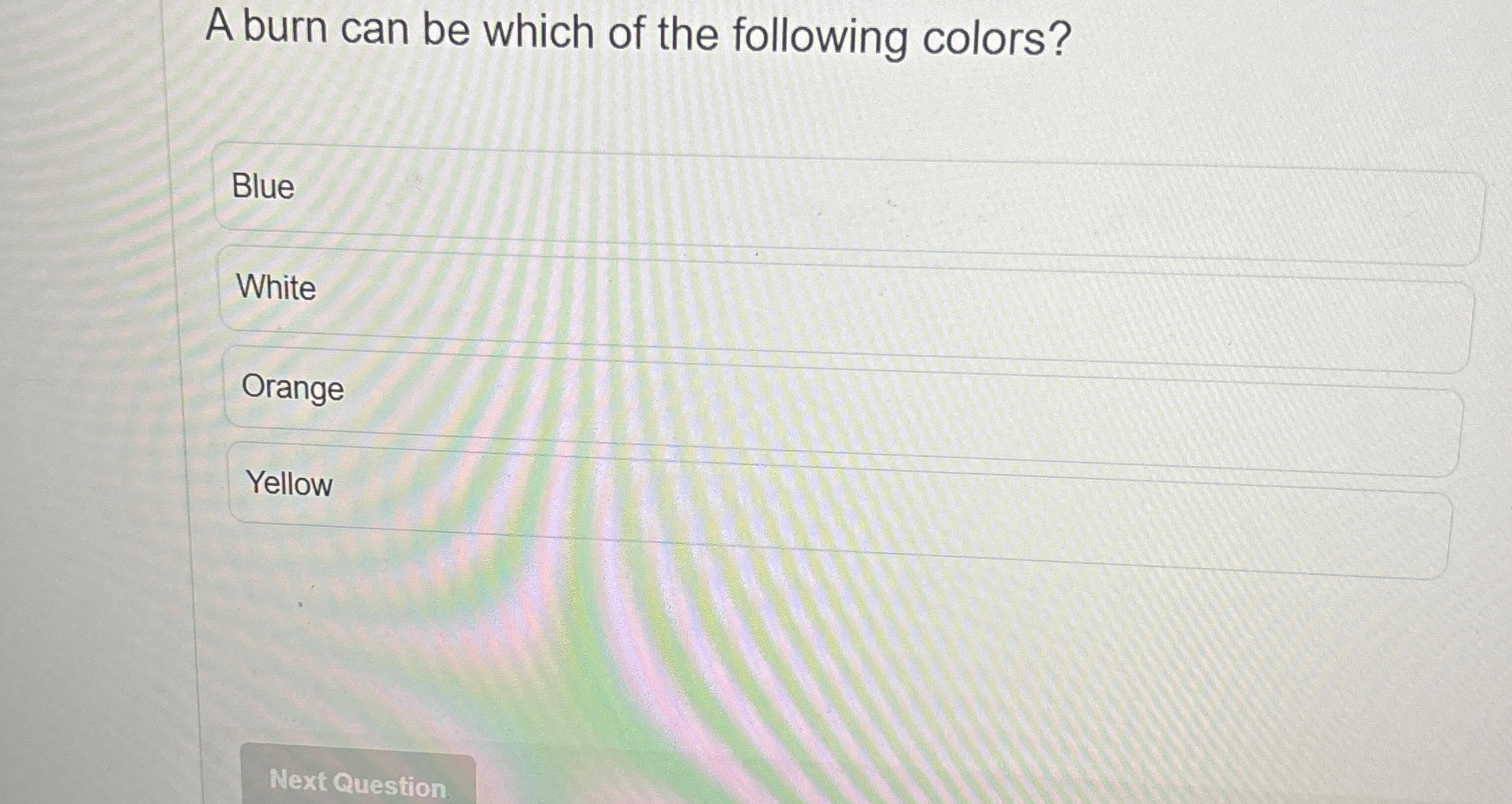
A burn can be red, pink, white, brown, or black. Colors depend on the burn’s severity and depth.
What Color Can A Burn Be, Blue, White, Orange, Or Yellow?
A burn can appear red, white, yellow, brown, or black based on severity. Blue or orange colors are uncommon in burns. White or yellow often indicate severe damage needing medical care.
What Color Is A Deep Burn?
A deep burn appears white, brown, or black. It damages all skin layers and may look leathery or waxy.
Can A Burn Be White?
Yes, burns can appear white. White skin often indicates a severe, third-degree burn damaging all skin layers.
What Colors Can A Burn Appear As?
Burns can be red, pink, white, brown, or black depending on severity.
Why Are Some Burns Red Or Pink?
Red or pink burns usually mean the skin’s outer layer is damaged.
What Does A White Burn Color Indicate?
White burns often show deep skin damage, sometimes with a waxy look.
Can Burns Be Black Or Brown?
Yes, black or brown burns show severe damage to all skin layers.
How Do Blister Colors Relate To Burn Severity?
Blisters with red, white, or yellow patches suggest a second-degree burn.
Is The Color Of A Burn Linked To Pain Levels?
Severe burns may be less painful due to nerve damage despite color.
Conclusion
Burns show different colors based on how deep the damage is. Red or pink often means a mild burn. White, brown, or black usually means a severe burn. Recognizing these colors helps in understanding burn severity. Always seek medical help for serious burns.
Knowing burn colors can guide quick and safe care. Stay safe and take burns seriously.