Have you ever wondered how to make yellow color? Whether you’re mixing paints for a project or trying to create the perfect shade on your screen, understanding how yellow is formed can save you time and frustration.
You might think mixing two colors will give you yellow, but it’s not always that simple. In fact, the way colors blend depends on whether you’re working with light or pigments. Keep reading, and you’ll discover the surprising truth about yellow, how to create it in different mediums, and tips that will help you master color mixing like a pro.
Your next masterpiece is just a few steps away!

Credit: smart.dhgate.com
Yellow In Color Models
Yellow plays a unique role in different color systems. Each model defines yellow differently. Understanding these models helps in creating and using yellow effectively.
Color models explain how colors mix and appear on screens or in print. They follow two main types of mixing: additive and subtractive. Yellow appears differently depending on the method used.
Yellow In The Rgb Color Model
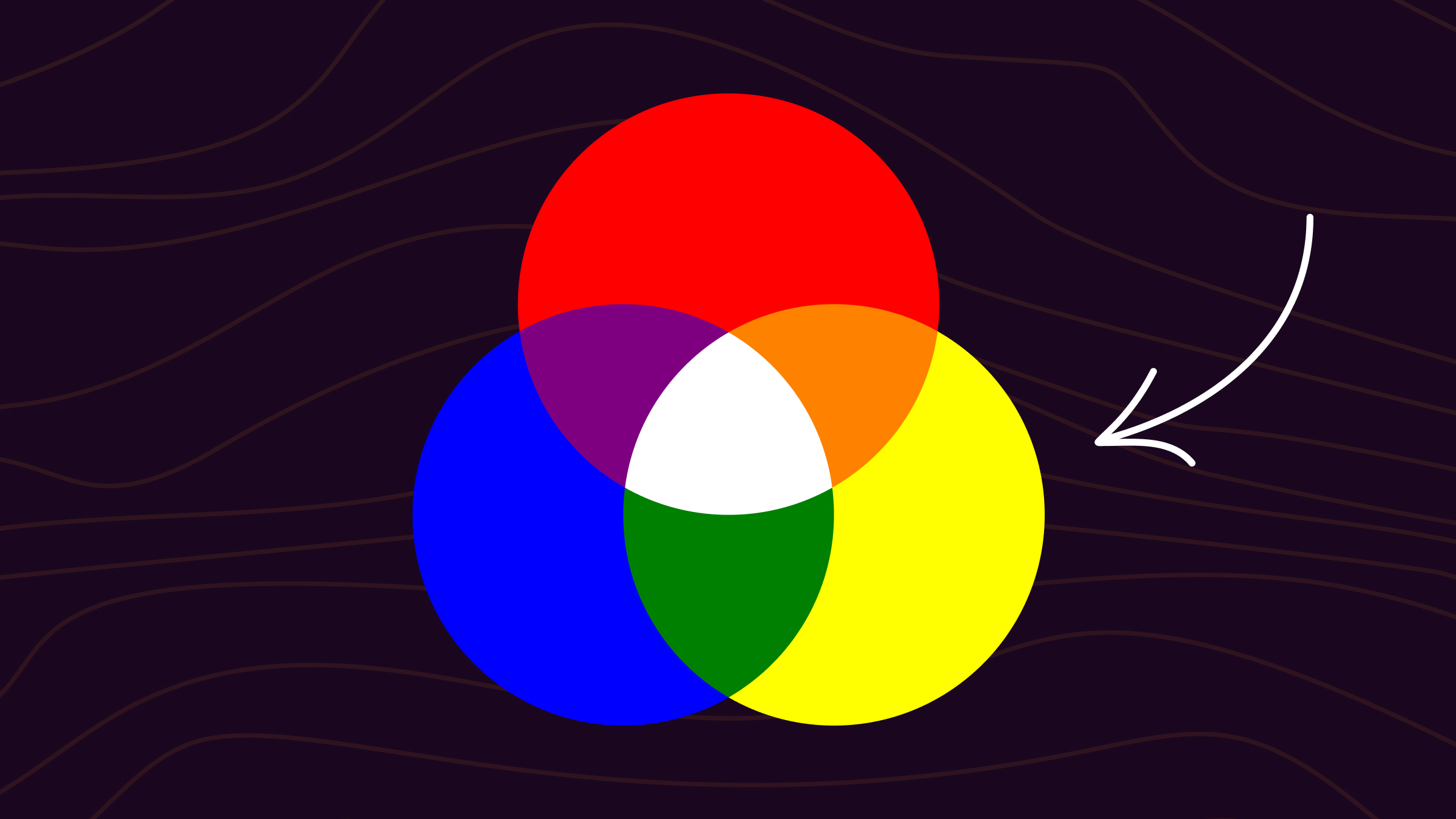
The RGB model uses red, green, and blue light. It is common in digital screens and lighting. Here, yellow is a secondary color. It forms by mixing red and green light together.
This mixing is called additive color mixing. Adding red and green light creates yellow light. The more light added, the closer the color moves to white.
Yellow In The Cmyk Color Model
The CMYK model is used for printing. It mixes cyan, magenta, yellow, and black inks. Yellow is a primary color in this system. It cannot be made by mixing other colors.
Mixing other pigments like red and green paint does not create true yellow. Instead, it usually produces a dull or brownish color. This is due to subtractive color mixing, where pigments absorb light.
Why You Can’t Make Yellow By Mixing Paints
Yellow is a primary pigment in paints and inks. It means yellow exists as a base color. You cannot mix other colors to get pure yellow paint.
Mixing colors like red and green paint results in muddy brown, not yellow. This happens because pigments block or absorb certain light wavelengths. The result is a darker, less vibrant color.
Primary Colors In Pigments
Primary colors in pigments form the foundation of all other colors. These colors cannot be created by mixing other pigments. They serve as the base for mixing a wide range of hues and shades. Understanding primary colors helps in grasping why yellow cannot be made by mixing other colors of paint.
In traditional pigment mixing, the primary colors are red, blue, and yellow. These colors are pure and distinct. Each absorbs and reflects light differently, which affects the colors we see. Yellow is one of these essential primary colors.
What Are Primary Colors In Pigments?
Primary colors are the basic set of colors used in pigment mixing. Red, blue, and yellow make up this group. You cannot create these colors by combining other pigments. They stand alone as the purest forms of color in paint and ink.
Why Yellow Is A Primary Color
Yellow cannot be made by mixing other paint colors. It reflects light in a way unique to itself. When you mix red and green paint, the result is usually brown or gray, not yellow. This happens because pigments absorb certain light wavelengths and reflect others.
Difference Between Additive And Subtractive Color Mixing
Additive mixing uses light, like on screens, where red and green light combine to make yellow. Subtractive mixing uses pigments or paint, where colors absorb light. Mixing pigments changes how light is absorbed, often producing darker colors. This is why yellow must be used directly as a pigment.
Additive Color Mixing
Additive color mixing is a way to create colors by combining different lights. This method uses light sources like screens or stage lights. The main colors in this system are red, green, and blue. When you mix these lights in different ways, you get new colors.
Yellow is not a primary pigment color. But in additive mixing, yellow appears when red and green lights shine together. This is different from mixing paint. Paint colors follow subtractive mixing, where colors absorb light and combine differently.
How Red And Green Light Create Yellow
Red and green lights blend to form yellow light. Each light adds its color to the mix. Our eyes see this mix as yellow. This process happens on screens like TVs and phones. It is the base of many digital displays.
Difference Between Additive And Subtractive Mixing
Additive mixing uses light to create colors. Subtractive mixing uses pigments or dyes. In subtractive mixing, yellow is a primary color. You cannot make yellow by mixing other paint colors. Mixing red and green paint does not give yellow but a dull brown.
Practical Uses Of Additive Color Mixing
TVs, computer monitors, and stage lights use additive mixing. These devices combine red, green, and blue light to show many colors. Understanding this helps in digital art and lighting design. It explains why yellow appears from red and green lights.
Subtractive Color Mixing
Subtractive color mixing involves combining pigments or inks. It works by absorbing (subtracting) certain wavelengths of light. The colors we see depend on which wavelengths are reflected back to our eyes.
This method is common in painting, printing, and coloring materials. Unlike mixing light, subtractive mixing uses physical substances that block light. The main subtractive colors are cyan, magenta, and yellow.
How Subtractive Mixing Creates Colors
When you mix pigments, each pigment absorbs some light and reflects others. For example, yellow pigment absorbs blue light but reflects red and green light, which our eyes see as yellow.
Mixing pigments reduces the light reflected. Combining two pigments subtracts more light, often resulting in darker colors.
Yellow As A Primary Subtractive Color
Yellow is one of the three primary colors in subtractive mixing. It cannot be made by mixing other pigments. This means no two colors can combine to make pure yellow paint.
Yellow pigment reflects red and green light and absorbs blue. This reflection makes yellow bright and distinct.
Why Mixing Paints Often Fails To Make Yellow
Mixing red and green paint usually produces brown or dull colors. This happens because pigments absorb overlapping light wavelengths. The result is less light reflected and a muddy color.
Subtractive mixing differs from light mixing, where red and green light create yellow light. Paint pigments and light behave differently in color creation.
Why Yellow Can’t Be Mixed
Yellow is a unique color in the world of art and design. It stands apart because it cannot be created by mixing other paint colors. This is due to yellow being a primary color in traditional color theory.
Artists and beginners often ask how to make yellow by mixing colors. The simple answer is that yellow cannot be made by blending two or more pigments. It exists as a base color, meaning it must be purchased or used in its original form.
Understanding why yellow cannot be mixed helps avoid confusion and frustration in painting and color work. It also clarifies the difference between mixing light and mixing paint pigments.
Yellow In The Additive Color Model
Yellow can be created by mixing red and green light. This is called additive color mixing. It happens with screens like TVs, computers, and phones.
When red and green lights mix, they produce bright yellow light. This method works only with light, not with paint or ink. It explains why yellow can appear differently on screens versus physical objects.
Yellow As A Primary Pigment
Yellow is a primary pigment in the subtractive color model. This model applies to paints, inks, and dyes. Primary pigments cannot be made by mixing other colors.
Paint pigments absorb certain wavelengths of light and reflect others. Yellow pigment reflects yellow light and absorbs others. Mixing other pigments usually reduces brightness and purity.
What Happens When Mixing Red And Green Paint?
Mixing red and green paint does not create yellow. Instead, it results in a muddy brown or gray color. This happens because pigments subtract light from each other.
The overlapping pigments absorb most light, leaving a dull color. This is different from mixing red and green light, which adds light together to make yellow.

Credit: www.youtube.com
Making Yellow With Light
Making yellow with light works differently from mixing paint colors. Light uses the additive color system. This system mixes colors by adding light wavelengths together. When red and green light combine, they create yellow light. This process is common in screens like TVs and computer monitors.
Understanding how light colors mix helps in digital design and lighting setups. It shows why yellow cannot be made by mixing paint colors. Paint uses subtractive color mixing, which works with pigments, not light.
How Red And Green Light Create Yellow
In the RGB color model, red and green light combine to form yellow. Each light color adds brightness. Red light has a specific wavelength, and green light has another. When both hit your eyes together, your brain sees yellow. This is a basic principle of additive color mixing.
The Additive Color Mixing Explained
Additive mixing means adding light colors to make new colors. The main colors are red, green, and blue. Mixing all three creates white light. Yellow is made by combining only red and green. The more light added, the brighter the color appears. This is why screens use light to show colors.
Why Yellow Cannot Be Made With Paint Mixing
Paint uses subtractive color mixing, not additive. Yellow is a primary pigment color. It cannot be made by mixing other paint colors. Mixing red and green paint usually results in brown or gray. Pigments absorb light, so mixing reduces brightness. This difference explains why yellow light is made from red and green light, but yellow paint cannot be made the same way.
Mixing Colors For Pale Yellow
Mixing colors for pale yellow requires careful blending of pigments. Pale yellow is a soft, light shade that brightens any artwork. It is ideal for backgrounds, highlights, and gentle accents.
Creating pale yellow involves diluting a stronger yellow or mixing it with other colors to reduce intensity. The goal is a gentle, warm tone that feels natural and fresh.
Using White To Soften Yellow
Start with a bright yellow paint. Add small amounts of white paint. Mix thoroughly until the yellow lightens to a pale shade. Adding white creates a pastel effect. This method keeps the yellow hue clear and bright.
Mixing Yellow With A Touch Of Red
Add a tiny drop of red to yellow. Mix well to warm the yellow slightly. Use red sparingly, as too much changes yellow to orange. This technique produces a soft, warm pale yellow with a hint of gold.
Combining Yellow And Green For A Fresh Pale Yellow
Mix yellow with a small amount of green. Stir the colors to blend evenly. This creates a pale yellow with a fresh, natural feel. Adjust the green to control the coolness of the pale yellow.
Adjusting Pale Yellow With Water Or Medium
For watercolor or acrylic paints, dilute yellow with water or medium. This lightens the color without changing its tone. Use this method to achieve a translucent, pale yellow effect. It works well for washes and layers.
Creating Vibrant Yellow Shades
Creating vibrant yellow shades is exciting for artists and designers. Yellow is a bright, cheerful color that draws attention. It sets a warm and happy mood in any artwork or design.
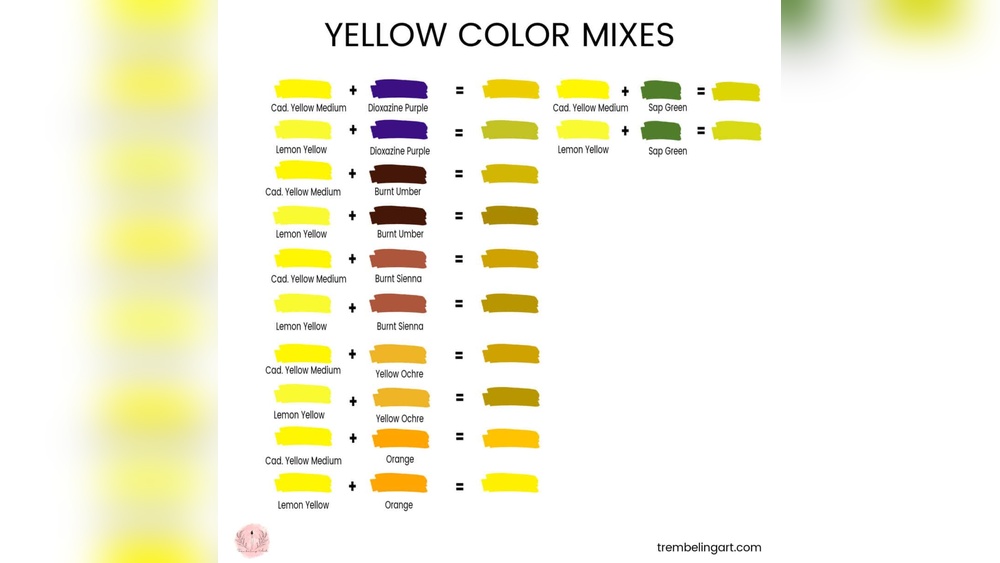
While pure yellow is a primary color in pigments, many shades can be made by mixing other colors. These blends add depth and interest to your yellow tones. Understanding how to create these shades helps you customize your palette effectively.
Mixing Yellow With White For Soft Shades
Adding white to yellow makes softer, pastel tones. These shades are perfect for gentle, light backgrounds. Use this mix to create a sunny, calm effect in your art.
Creating Warm Yellows With Red
Mixing a small amount of red with yellow produces warm, golden hues. These shades resemble autumn leaves or sunset colors. This mix adds richness and warmth to your yellow palette.
Adding Green For Earthy Yellow Tones
Mix yellow with a touch of green to get natural, earthy shades. These colors work well for landscapes and nature-inspired designs. The green tones soften yellow’s brightness for a balanced look.
Using Blue To Cool Yellow Shades
A small amount of blue mixed into yellow creates cooler, muted yellows. These shades appear calm and subtle. They are ideal for modern, minimalist art styles.
Adjusting Saturation For Vibrancy
Keep your yellow pure and bright by avoiding too much mixing. Use clean, high-quality pigments for vivid color. Controlling saturation helps maintain the vibrancy of your yellow shades.
Using Complementary Colors
Using complementary colors to make yellow is a unique approach that works mainly with light, not paint. Complementary colors sit opposite each other on the color wheel. When combined in light, they create bright and vivid colors, including yellow.
This method is part of the additive color model. It differs from mixing paint pigments, which follows the subtractive color model. Understanding these differences helps in achieving the yellow color effectively.
What Are Complementary Colors?
Complementary colors are pairs of colors that contrast strongly. On the RGB color wheel, red and green are complementary. When red and green light mix, they produce yellow light. This mix is bright and pure in digital displays.
How Complementary Colors Create Yellow Light
In the additive color system, combining red and green light creates yellow. This happens because light colors add their wavelengths together. The result is a new color perceived as yellow. This is common in screens and lighting.
Why This Method Doesn’t Work With Paint
Paint mixing uses the subtractive color model. Mixing red and green paint creates a brown or gray shade, not yellow. Paint pigments absorb light rather than emit it. This absorption changes how colors blend physically.
Using Complementary Colors In Digital Art
Digital artists use red and green light to make yellow easily. This method works well for screen design and lighting effects. Adjusting the intensity of red and green lights can change the shade of yellow.
Credit: colorkit.co
Tips For Color Accuracy
Getting the right shade of yellow is not always easy. Small changes in mixing can cause big differences. Paying attention to details helps you achieve accurate colors. These tips guide you to better color precision.
Understanding how light and pigments work is important. Yellow is a primary pigment color, so you cannot create it by mixing paints. Knowing this helps avoid common mistakes.
Use Quality Primary Yellow Paint
Start with a pure, high-quality yellow paint. Cheaper paints may have impurities or added colors. This can affect the final shade. Using a reliable yellow gives a clear base for your work.
Check Your Lighting Conditions
Natural daylight shows colors best. Avoid mixing colors under artificial light with strong color casts. Shadows and yellow light can change how you see the paint. Work near a window or use daylight bulbs.
Mix Small Amounts First
Test mixing in small quantities. This lets you adjust quickly without wasting paint. Small batches help you control the color better. Change the mix bit by bit to reach the right yellow.
Keep Your Palette Clean
Clean your palette before mixing. Leftover colors can contaminate yellow and dull it. Use a clean brush or palette knife. Keeping colors pure helps maintain brightness and accuracy.
Use Consistent Tools
The type of brush or knife affects mixing. Use the same tools for each mix to get consistent results. Different tools spread paint differently and may change the color look.
Note The Paint Brand Differences
Different brands produce slightly different yellows. Some are warmer or cooler. Try several brands to find your preferred tone. Knowing this saves time during mixing.
Record Your Color Mixes
Write down the amounts and brands used. This helps you repeat the exact color later. Keeping notes improves accuracy for future projects.
Frequently Asked Questions
What Two Colors Make Yellow?
Yellow is a primary pigment color and cannot be made by mixing paints. In light (RGB), red and green combine to make yellow.
Do Red And Green Make Yellow?
Red and green light mix to make yellow in the additive color model (light). Mixing red and green paint creates brown, not yellow.
Do Red And Orange Make Yellow?
Red and orange do not make yellow. Yellow is a primary color and cannot be created by mixing other pigments.
What Colors Mix To Make Golden Yellow?
Golden yellow cannot be made by mixing paint colors since yellow is a primary pigment. On screens, mixing red and green light creates yellow.
What Colors Mix To Make Yellow Paint?
Yellow paint cannot be made by mixing colors because yellow is a primary pigment.
Can Red And Green Paint Create Yellow?
Mixing red and green paint usually makes brown, not yellow.
How Is Yellow Made On Digital Screens?
Yellow is made by combining red and green light on screens.
Is Yellow A Primary Or Secondary Color?
Yellow is a primary color in both paint and pigment systems.
Can You Lighten Yellow To Make Pale Yellow?
Yes, mix yellow with white paint to create a pale yellow shade.
What Happens If You Mix Yellow With Blue Paint?
Mixing yellow and blue paint creates green.
Conclusion
Yellow is a primary color in paint and cannot be mixed from others. On screens, yellow appears by combining red and green light. Mixing red and green paint creates brown, not yellow. Understanding these basics helps with art and design projects.
Use this knowledge to choose the right colors easily. Experiment with light or pigments depending on your medium. Keep practicing to see the difference in color mixing results. Creating yellow may be simple, but knowing why helps your creativity.