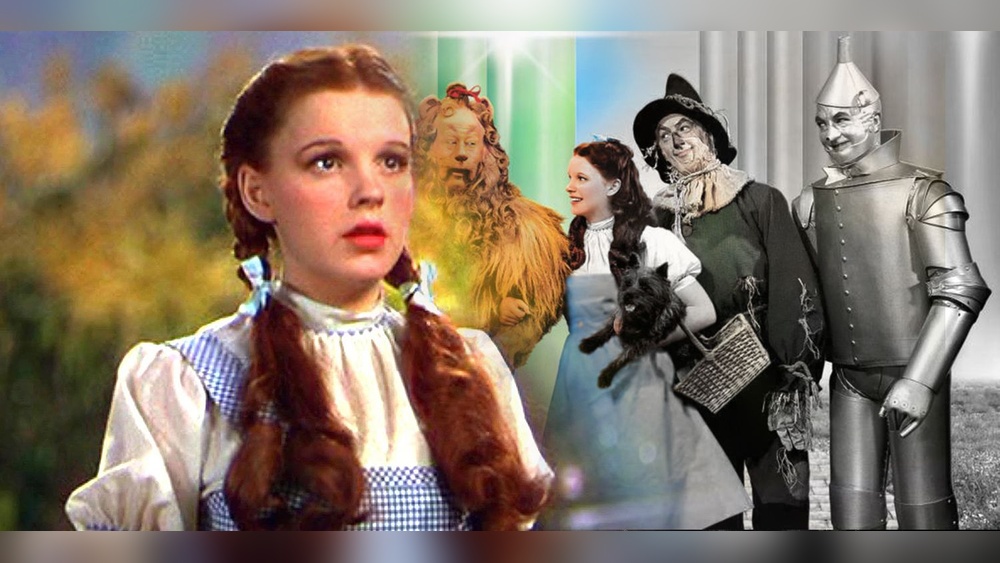
Have you ever wondered if The Wizard of Oz was the very first color movie ever made? The dazzling shift from sepia-toned Kansas to the vibrant land of Oz feels like magic itself.
But was this iconic film truly the pioneer of color in cinema? If you think the answer is simple, think again. The story behind color movies is filled with surprising twists and fascinating history that might change how you see your favorite classic.
Keep reading to uncover the truth about The Wizard of Oz and discover what really holds the crown as the first color movie. Your curiosity is about to be rewarded!
Early Color Techniques
Many early films used hand-coloring or tinting to add color. The Wizard of Oz used Technicolor but was not the first color movie. It famously shifts from sepia tones to vibrant color to highlight the fantasy world of Oz.
Early filmmakers added color by hand-painting each frame. This process was slow and costly. Tinting was another method, where entire scenes received a single color wash. Both techniques added mood and tone but lacked realism. These methods appeared in films long before the 1930s.
Kinemacolor was an early color system developed in the 1910s. It used red and green filters to capture color images. The film showed partial color, not full spectrum. Kinemacolor was a major step toward true color cinema but had limitations in color accuracy and flicker.
Technicolor Innovations
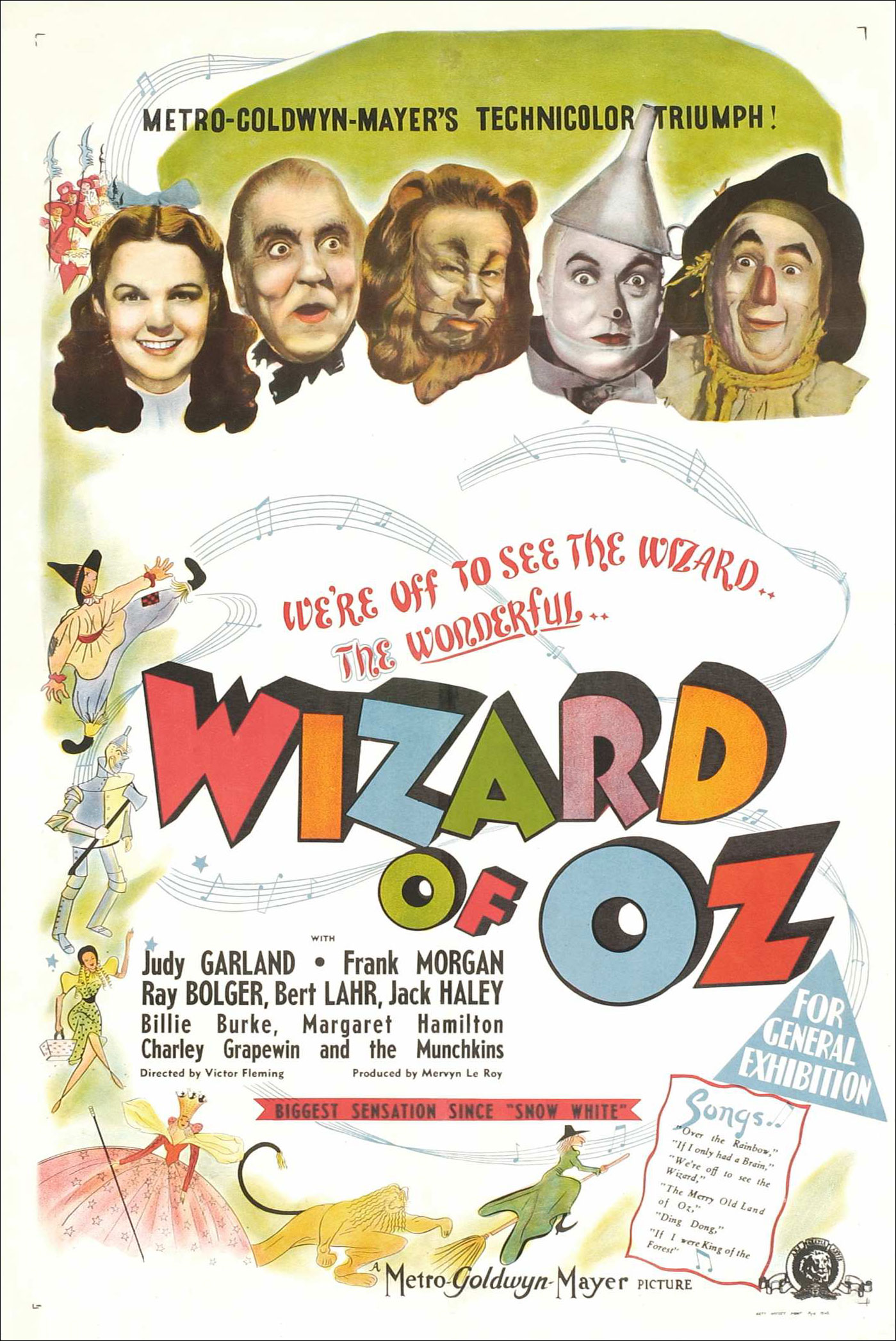
Technicolor introduced a new color process in the 1920s and 1930s. It used multiple film strips to capture different color channels. This created vibrant and more natural colors on screen. The 1939 film The Wizard of Oz used a three-strip Technicolor process. This made the colors rich and striking for audiences of the time.
Credit: en.wikipedia.org
Hand-coloring And Tinting
The art of hand-coloring and tinting played a vital role in early cinema’s journey to color. Before true color film processes, filmmakers added color by painting directly on the film or applying tinted dyes. This method brought a new visual experience but was slow and costly. Each frame required careful attention and artistic skill.
Hand-coloring allowed filmmakers to highlight key scenes and create mood. Tinting gave entire scenes a single color tone, such as blue for night or red for fire. These techniques made black-and-white films more engaging. They also paved the way for more advanced color technologies.
What Is Hand-coloring?
Hand-coloring is the process of adding color to black-and-white film frames by hand. Artists used small brushes or stencils to paint colors on each frame. This method was time-consuming and expensive. It was common in the early 1900s before color film existed.
Hand-coloring brought life to silent films and early narratives. It highlighted costumes, scenery, and important objects. The results varied depending on the artist’s skill and available materials.
How Tinting Changed Film Color
Tinting involved dyeing whole scenes in a single color. Filmmakers dipped film strips into colored dyes to change their tone. Blue tint suggested night or cold scenes. Red tint conveyed danger or fire. Sepia tint gave a warm, nostalgic feeling.
Tinting was faster and cheaper than hand-coloring. It became popular in the 1910s and 1920s. Many films combined tinting with hand-coloring for dramatic effect.
Hand-coloring And Tinting In The Wizard Of Oz
The Wizard of Oz used hand-coloring and tinting creatively. The Kansas scenes were filmed in black and white. Then, tinted with a sepia tone to feel old and dull. The fantasy land of Oz was filmed in full Technicolor. This made the colors bright and magical.
The transition from sepia to vibrant color happens when Dorothy opens her door. This switch emphasizes the difference between the two worlds. The use of tinting and early color film techniques helped tell this story visually.
Kinemacolor Process
The Kinemacolor process marks an important step in the history of color movies. It was one of the first successful methods to bring color to motion pictures. Invented in the early 1900s, Kinemacolor allowed audiences to see films with natural hues for the first time. This process laid the groundwork for future color technologies in cinema.
Kinemacolor used a special technique involving two colors: red and green. Films were shot and projected using these colors in rapid succession. The human eye combined these shades to create a full-color image. While not perfect, this method created a more vivid viewing experience than black-and-white films.
Though limited in color range, Kinemacolor was popular for several years. It was used in documentaries, travel films, and some early narrative movies. The process showed that color films could attract audiences and bring stories to life in new ways. Kinemacolor’s impact can still be seen in the evolution of film color technology.
Kinemacolor’s Two-color System
The process used red and green filters for filming and projection. Each frame was exposed twice through these filters. This created a sequence of red and green tinted images. When projected quickly, these images blended in viewers’ eyes. The result was a color effect that was new and exciting at the time.
Limitations Of The Kinemacolor Process
Kinemacolor could not reproduce all colors accurately. Blue tones were especially hard to show. This limited the natural look of some scenes. The process also required special projectors. This made it harder for all theaters to show Kinemacolor films. Despite these issues, it was a major step forward.
Kinemacolor’s Place In Film History
Before Technicolor, Kinemacolor was the leading color film system. It proved color movies were possible and profitable. Its success encouraged other inventors to improve color processes. Though eventually replaced, Kinemacolor opened the door to true color cinema. It reminds us that color in movies did not start with The Wizard of Oz.
Technicolor’s Emergence
Technicolor’s emergence marked a turning point in cinema history. This color process brought vibrant hues to the silver screen. It created a new visual experience for moviegoers. Technicolor was not the first attempt at color films. Early films used hand-coloring or tinting techniques. These methods were labor-intensive and inconsistent in quality.
Technicolor introduced a more reliable and vivid color system. It used a special camera to record three color channels. These channels combined to produce a full-color image. The process improved with time, becoming more affordable and practical. Studios began adopting Technicolor for big productions.
Early Color Experiments Before Technicolor
Before Technicolor, filmmakers tried several ways to add color. Hand-coloring involved painting each film frame. Tinting colored the entire frame one shade. These techniques added atmosphere but lacked realism. Kinemacolor was an early two-color process used in the 1910s. It showed some natural colors but had limitations.
Technicolor’s Three-strip Process
The breakthrough came with Technicolor’s three-strip camera in the 1930s. It captured red, green, and blue light separately. This method created richer and more accurate colors. The three-strip process was complex but delivered stunning results. It helped movies stand out visually and attracted audiences.
The Wizard Of Oz And Technicolor
The Wizard of Oz famously used Technicolor to enhance its story. The Kansas scenes were shot in sepia tones to feel old-fashioned. The vibrant Oz scenes used full Technicolor to create a fantasy world. The switch from sepia to color symbolized Dorothy’s journey. This technique showed Technicolor’s power to shape storytelling.
Technicolor’s Impact On Hollywood
Technicolor changed how movies were made and seen. It encouraged studios to invest in color films. Color became a selling point for new releases. By the late 1930s, Technicolor was a popular choice for musicals and fantasies. It paved the way for the color films we enjoy today.
First Feature-length Color Films
The history of color movies is rich and dates back to the early 20th century. Color in films did not appear suddenly but evolved through many experiments and techniques.
Early films often used hand-coloring or tinting to add color effects. These processes were slow and costly, limiting their use to short films or special scenes.
Feature-length color films began emerging as technology improved. Different color processes competed for attention, shaping the future of cinema.
Hand-coloring And Tinting Techniques
Hand-coloring was one of the first methods to add color. Artists painted each frame by hand, which took a lot of time. Tinting involved dyeing the entire film strip to give a color tone, like blue for night scenes.
These techniques gave early films a unique look but were not true color movies. They lacked the full spectrum of natural colors.
Kinemacolor: The First Successful Color System
Kinemacolor appeared in 1908 and was the first system to show natural colors on screen. It used two colors, red and green, to create images. This process allowed longer films but had color limitations and flickering problems.
Despite its flaws, Kinemacolor was a major step toward full-color films. It showed audiences the potential of color cinema.
Technicolor And Feature-length Color Films
Technicolor became the most famous color process. It started with two-color systems but later developed a three-color method. This gave films bright, vibrant colors closer to real life.
One of the earliest feature-length color films using Technicolor was The Toll of the Sea in 1922. It showed the beauty of natural color on a longer scale.
The Wizard Of Oz And Its Place In Color Film History
The Wizard of Oz (1939) is often thought to be the first color movie. It was not. The film used Technicolor in a famous way, switching from sepia tones to full color to tell its story.
This creative use of color made the movie stand out. It helped popularize Technicolor and color movies in general but was not the first feature-length color film.
Color Use In The Wizard Of Oz
The Wizard of Oz uses color in a very special way. It shows two different worlds: the dull reality of Kansas and the magical land of Oz. The filmmakers used color to help the audience feel these differences. This choice makes the story more vivid and memorable.
Sepia Toning For Kansas Scenes
The scenes in Kansas look old and simple. They were filmed in black and white. Then, sepia toning was added to make them look brownish. This gives a feeling of the past and a quiet, sad mood. It shows that Kansas is plain and not exciting.
Technicolor In Oz Scenes
When Dorothy arrives in Oz, the colors change completely. The movie uses Technicolor, a bright and rich color process. This makes Oz look magical and full of life. The green of the Emerald City and the colorful characters stand out clearly.
Transition From Sepia To Color
The switch from sepia to color is very important. It happens when Dorothy opens her house door after the tornado. The film changes from dull brown tones to bright, full color. This moment shows the move from reality to fantasy and captures the viewer’s attention.
Audience Reception Of Color
The audience reception of color in early films was a mix of wonder and curiosity. Color was a new experience for moviegoers. It added a fresh layer to storytelling. Films suddenly felt more alive and vivid. This change made scenes more memorable and engaging.
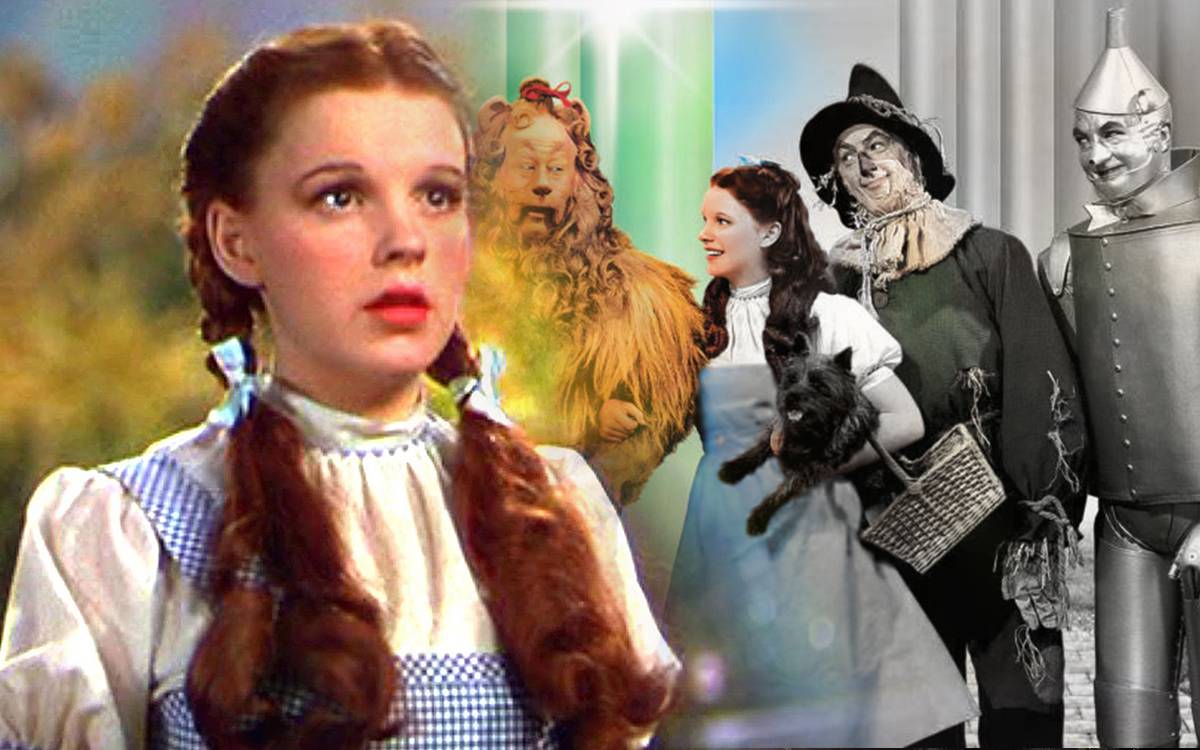
The Wizard of Oz used color in a unique way. It showed a stark contrast between Kansas and Oz. This technique helped viewers feel the difference between reality and fantasy. The shift from sepia tones to bright Technicolor amazed many. It was a magical moment in cinema history.
Initial Audience Reactions To Color Scenes
Viewers were surprised by the sudden burst of color. The transition from dull sepia to vibrant hues caught their attention. Many felt excited and delighted by this visual change. It made the fantasy world of Oz seem more real and inviting. The colors helped deepen emotional connections with the story.
Impact On Movie Experience
Color added a new dimension to the film experience. It increased immersion and made characters stand out. Costumes and scenery became more striking and beautiful. Audiences remembered the colorful scenes long after watching. The use of color made the film feel special and unique.
Color’s Role In Storytelling
The color shift symbolized Dorothy’s journey from reality to fantasy. It helped viewers understand the story’s different worlds. Color became a storytelling tool, not just a visual effect. This creative choice influenced how future movies used color. Audiences appreciated this clear and artistic use of color.
Credit: screenrant.com
The Wizard Of Oz’s Impact On Film
The Wizard of Oz marked a major shift in movie history. It introduced a vivid use of color that captivated audiences. The film showed how color could enhance storytelling and emotion. This helped pave the way for future films to use color creatively.
Before this movie, most films were in black and white or had limited color. The Wizard of Oz used Technicolor, making its fantasy world bright and alive. The color transition from sepia-toned Kansas to vibrant Oz amazed viewers. This technique highlighted the contrast between reality and fantasy in the story.
The Use Of Technicolor In Storytelling
The Wizard of Oz used Technicolor to separate two worlds clearly. Kansas scenes had a dull sepia tone, symbolizing a plain life. Oz scenes burst with bright colors, showing magic and wonder. This helped audiences feel the difference in Dorothy’s journey.
The color change was not just visual but emotional. It made the fantasy world more inviting and exciting. This use of color showed filmmakers new ways to tell stories.
Influence On Future Filmmaking
After The Wizard of Oz, more movies adopted full-color filming. Filmmakers saw how color could draw attention and deepen stories. The success of the film encouraged studios to invest in color technology. This led to the growth of color movies in the 1940s and beyond.
It also inspired directors to think about color as a tool for mood and theme. Color palettes became part of the storytelling process. The Wizard of Oz set a standard for how color could shape a film’s world.
Cultural And Technological Legacy
The Wizard of Oz remains a cultural icon partly because of its colors. Its look has influenced many films, TV shows, and ads. The film also pushed the film industry to improve color technology. This helped create more vibrant and realistic movies.
Even decades later, the film’s colors feel fresh and magical. It proved that color could be more than decoration—it could be central to a film’s heart.
Color Movies Before Wizard Of Oz
Many color films existed before The Wizard of Oz appeared in 1939. The movie did not start the era of color cinema. Color technology had been developing for decades before this famous film.
Early filmmakers experimented with different methods to add color to movies. Some used hand-painting techniques. Others created special cameras and processes for natural color filming.
Kinemacolor was the first successful color motion picture process. It appeared in the early 1900s. This system used red and green filters to capture color images. It was mostly used for short films and documentaries.
Before color film stocks, filmmakers hand-colored black and white footage. Artists painted each frame by hand. Another method was tinting, where entire scenes were dyed a single color. These techniques added emotion or mood to scenes.
Two-color Technicolor
Technicolor introduced a two-color system in the 1920s. It combined red and green dyes to create a limited color range. Films like The Toll of the Sea used this method. It was an important step toward full color films.
Full Technicolor And Feature Films
Full three-strip Technicolor came in the 1930s. This process captured red, green, and blue colors separately. It produced vibrant and realistic colors on screen. Some feature films used this before The Wizard of Oz. Examples include Becky Sharp (1935) and La Cucaracha (1934).

Credit: pixflow.net
Legacy Of Color Cinema
The legacy of color cinema changed how audiences experience movies. Color brought stories to life in vivid ways. It created new emotions and deeper connections with characters. The impact of color film continues to influence filmmaking today.
Though not the first color movie, The Wizard of Oz showed color’s full potential. It used color to separate fantasy from reality. This technique inspired many filmmakers to explore color creatively. The movie remains a classic example of color’s power in storytelling.
Early Experiments In Color Film
Before The Wizard of Oz, filmmakers used hand-tinting and two-color processes. These methods offered limited and often uneven color. Kinemacolor and Technicolor’s early versions tried to improve color quality. These experiments set the stage for more advanced color techniques.
Technicolor And Its Role In Film History
Technicolor became the most famous early color process. It produced bright, saturated colors that captured audiences’ attention. The three-strip Technicolor process improved color accuracy and depth. Many classic films used this technology to enhance their visual appeal.
The Wizard Of Oz’s Influence On Future Films
The film’s use of color created a clear visual story divide. It showed a sepia-toned Kansas and a vibrant, colorful Oz. This contrast helped audiences understand the narrative better. After this movie, color became a vital storytelling tool in cinema.
Frequently Asked Questions
Was Wizard Of Oz In Color Originally?
The Wizard of Oz originally used sepia tones for Kansas scenes and vibrant Technicolor for Oz scenes. It wasn’t filmed entirely in black and white or color. This contrast highlights the transition from reality to fantasy.
What Is The First Color Movie?
The first color movie was “A Visit to the Seaside” (1908), using the Kinemacolor process. It predates “The Wizard of Oz. “
Did Audiences Know The Wizard Of Oz Was In Color?
Audiences knew The Wizard of Oz featured color in Oz scenes, as it used vibrant Technicolor. Kansas scenes appeared in sepia tones. This creative contrast highlighted the fantasy world, making the color transition clear and memorable to viewers.
When Was The Wizard Of Oz First On Tv In Color?
The Wizard of Oz first aired on TV in color on November 3, 1961, on CBS as a special broadcast.
Was The Wizard Of Oz The First Color Movie Ever Made?
No, The Wizard of Oz was not the first color movie; color films existed earlier.
What Color Process Was Used In The Wizard Of Oz?
The Wizard of Oz used the Technicolor process for its vibrant color scenes.
Were All Scenes In The Wizard Of Oz Filmed In Color?
No, Kansas scenes were in sepia tone, while Oz scenes were in full color.
Why Does The Wizard Of Oz Switch From Sepia To Color?
The sepia to color switch shows Dorothy’s arrival in the magical land of Oz.
When Was The Wizard Of Oz Filmed In Color?
The Oz scenes were filmed in Technicolor during production in 1938-1939.
Did Audiences Know The Wizard Of Oz Used Both Color And Sepia?
Yes, audiences noticed the creative use of sepia and color to tell the story.
Conclusion
The Wizard of Oz remains a beloved classic with stunning color scenes. It used Technicolor to show the magical land of Oz. But it was not the first color movie ever made. Early color films appeared long before it. The movie’s shift from sepia to bright color still captivates viewers today.
It helped make color film popular with audiences. The Wizard of Oz showed how color could enhance storytelling. It stands as a key moment in cinema history. Color movies had many pioneers before this timeless film.