
Have you ever wondered who first organized colors into the familiar circle you see today? The color wheel is more than just a tool for artists and designers—it’s a key to understanding how colors relate and interact.
But who invented this essential guide? Knowing its origin can change the way you see color in your everyday life and creative projects. You’ll discover the fascinating story behind the creation of the color wheel, how it started with a brilliant mind, and why it still shapes the way you choose and combine colors today.
Keep reading to unlock the secrets of the color wheel and transform your approach to color forever.
Newton’s Prism Experiment
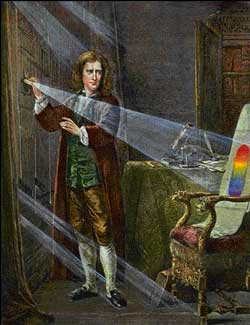
Isaac Newton’s prism experiment marks a key moment in color theory. He discovered how white light splits into a range of colors. This simple experiment helped explain the nature of color.
Newton passed sunlight through a glass prism. The prism bent the light, showing a spectrum of colors. These colors ranged from red to violet. This was the first clear proof that white light contains many colors.
Experiment: Splitting White Light
Newton aimed sunlight through a narrow slit. The light entered a glass prism. The prism bent the light and broke it into separate colors. This showed that color is part of light, not added by the prism.
He observed red, orange, yellow, green, blue, indigo, and violet. These colors appeared in a continuous band. This phenomenon is called a spectrum.
Color Wheel Construction
Newton then arranged these colors in a circle. He connected the ends of the spectrum to form a wheel. The colors followed a natural order, blending smoothly from one to the next.
He linked each color to a musical note. This idea showed a connection between color and sound. This early color wheel was a new way to organize colors visually.
Influence On Color Theory
Newton’s color wheel was different from the ones used today. Still, it set the foundation for modern color theory. Artists and scientists built on his work to develop color wheels and systems.
This experiment helped people understand color as a scientific concept. Newton’s work remains a key part of color history. It changed how we see and use color in art and science.

Credit: study.com
First Circular Color Arrangement
The first circular color arrangement marked a key moment in understanding color relationships. This concept helped people see how colors connect and change smoothly from one to another. The idea of a color wheel allowed artists, scientists, and designers to organize colors in a simple, visual way.
Before this, colors were studied but not arranged in a circle. The circular form made it easier to compare colors and their mixtures. It showed how colors relate as neighbors or opposites. This insight opened new paths in art and science.
Isaac Newton’s Experiment With Light
Isaac Newton was the first to create a circular color arrangement. He split white light using a prism. This action showed the spectrum of colors hidden in sunlight. Newton observed red, orange, yellow, green, blue, indigo, and violet.
He arranged these colors in a circle, joining the ends of the spectrum. This formed a continuous loop of color. Newton also linked each color to a musical note. This connection reflected harmony in both sound and color.
How Newton Built The Color Wheel
Newton’s color wheel placed colors in a natural order. It followed the sequence of hues found in the light spectrum. The circle helped explain color mixing and contrast. Opposite colors on the wheel showed strong visual differences.
This design was not the same as today’s color wheel. Still, it laid the foundation for future versions. Artists and scientists later expanded Newton’s ideas. They added new colors and refined the wheel’s layout.
Newton’s Influence On Color Theory
Newton’s circular color arrangement changed how people understand color. It provided a clear system to study color relationships. This work influenced painters, printers, and designers. Color wheels became essential tools in many fields.
The idea of a color wheel started as a scientific discovery. Over time, it became central to art education and color science. Newton’s invention remains a milestone in the history of color.
Linking Colors And Musical Notes
Linking colors and musical notes is a fascinating idea. This connection shows how light and sound share patterns. It helps us understand both senses better. The first person to make this link was Sir Isaac Newton. He found a way to pair colors with musical tones.
Newton’s work opened a new way to think about colors. He did not just separate colors but also connected them in a circle. This circle, or color wheel, helped explain how colors relate to each other. He then matched each color with a note from the musical scale. This created a bridge between the world of color and music.
Newton’s Experiment With Light And Sound
Newton used a prism to split white light into a spectrum of colors. The colors appeared in a natural order. He then arranged these colors in a circle. This was the first color wheel. Newton also thought about musical notes, which follow a clear order too. He matched seven colors to seven musical notes, linking the two systems.
The Color Wheel As A Circle Of Harmony
The color wheel shows how colors blend and contrast. Newton’s circle made it easy to see these relationships. By matching colors with musical notes, he suggested that colors could have harmony, like music. This idea helped artists and scientists understand color better. It showed that color is not random but follows patterns like sound.
Impact On Art And Science
Newton’s linking of colors and notes influenced both art and science. Artists use the color wheel to create balanced and pleasing works. Scientists study color and light based on his discoveries. The idea of matching color and sound inspired later thinkers too. It remains a key part of color theory today.
Credit: www.artandobject.com
Newton’s Color Wheel Legacy
Isaac Newton’s invention of the color wheel marked a major step in understanding color. His work showed how light splits into different colors. This discovery helped people see color as a spectrum rather than separate parts.
Newton arranged colors in a circle. This circle showed how colors relate to each other. It was the first color wheel and a new way to study colors.
Experiment: Newton’s Prism And Light
Newton used a glass prism to split sunlight. White light broke into many colors. These colors formed a spectrum from red to violet. This showed that white light contains all colors.
Color Wheel Construction
Newton connected the spectrum’s ends to make a circle. He placed colors in a natural order. Red moved next to violet, completing the loop. He also linked colors to musical notes, adding harmony to his idea.
Influence On Color Theory
Newton’s color wheel was not the same as today’s. Still, it laid the base for future color wheels. Artists and scientists used his ideas to explore color relationships. His work helped develop color theory as we know it now.
Pre-newton Color Beliefs
Before Isaac Newton’s famous discoveries, people had many ideas about color. These beliefs shaped how color was understood for centuries.
Color was often linked to natural elements and mystical qualities. Ancient thinkers saw colors as symbols rather than parts of a system.
Theories about color focused on light and darkness or the four classical elements: earth, air, fire, and water. Colors were thought to come from these forces.
Aristotle’s View On Color
Aristotle believed color came from light mixing with darkness. He thought colors existed on a scale from black to white.
For Aristotle, colors did not stand alone but changed depending on light and shadow. This idea was simple but influential for many years.
Empedocles And The Four Elements
Empedocles connected colors to the four elements. He said red came from fire, blue from water, yellow from air, and black from earth.
This elemental view made colors part of nature’s building blocks. It helped explain why colors appeared in the world around us.
Medieval Color Symbolism
In medieval times, colors held strong symbolic meanings. Each color represented moral or spiritual ideas, such as purity or sin.
Colors were less about science and more about culture and religion. This view kept color separate from any organized theory.
Evolution Of Color Theory
Color theory has a long and fascinating history. It began with early attempts to understand how colors relate. Over time, artists and scientists developed tools to organize colors. The color wheel is one such tool that helps explain color relationships.
This tool did not appear overnight. It evolved through many discoveries and experiments. Each step brought new insights about light and color. These discoveries shaped how we see and use color today.
Newton’s Breakthrough With Light
Sir Isaac Newton made a key discovery in 1666. He used a prism to split white light into a spectrum of colors. This spectrum showed red, orange, yellow, green, blue, indigo, and violet. Newton arranged these colors in a circle. This circle became the first color wheel.
Newton linked colors to musical notes, showing a natural order. His wheel helped explain how colors blend and contrast. This idea formed the base for modern color theory.
Development By Artists And Scientists
After Newton, many artists studied color mixing. They created wheels showing primary, secondary, and tertiary colors. These wheels helped artists choose colors that work well together. Scientists also explored how the eye perceives color. Their work improved color accuracy in art and design.
Modern Color Wheels And Systems
Today’s color wheels are more detailed and precise. They include digital models used in computers and printing. New systems like the Munsell and Pantone wheels organize color by hue, value, and saturation. These systems help designers pick exact colors for projects.
The evolution of color theory continues as technology advances. Understanding this history helps us appreciate the colors around us.
Modern Color Wheel Adaptations
The color wheel has evolved significantly since its first creation by Sir Isaac Newton. Modern adaptations build on Newton’s original model, making the wheel more practical for artists, designers, and educators. These versions simplify color relationships and improve color mixing understanding.
Today’s color wheels often include additional hues and clearer divisions between primary, secondary, and tertiary colors. They help users choose harmonious colors quickly and improve visual communication.
Expanded Color Ranges
Modern color wheels show more shades between the main colors. This gives a fuller spectrum and more choices for blending. Artists can see gradual color transitions clearly. This helps when mixing paints or designing digital graphics.
Digital Color Wheels
With digital tools, color wheels now exist in apps and software. These wheels allow users to pick colors with exact values. Some even suggest matching colors based on harmony rules. This makes color selection faster and more accurate.
Educational Color Wheels
Many modern wheels focus on teaching color theory simply. They use clear labels and diagrams to explain color mixing and contrast. These wheels help beginners learn how colors work together. They also show how to create moods using color combinations.
Interactive And Customizable Wheels
Some wheels let users change the layout or color order. This customization helps artists explore new color relationships. Users can test different palettes before creating art or designs. Interactive wheels encourage creativity and experimentation.
Influence On Art And Design
The invention of the color wheel changed art and design forever. Artists and designers use it to understand color relationships clearly. The wheel helps in choosing colors that look good together. It also guides in mixing new colors effectively.
Isaac Newton’s color wheel started these ideas. His work inspired many artists to explore colors in new ways. The color wheel became a key tool in visual creativity. It supports balance and harmony in artworks and designs.
Newton’s Color Wheel And Artistic Exploration
Newton’s color wheel showed how colors relate naturally. He split light into a spectrum and arranged colors in a circle. This helped artists see how colors blend and contrast. It opened new paths for artistic experimentation with hues.
Impact On Modern Design Principles
Designers use the color wheel to build appealing color schemes. It helps in creating balance with complementary and analogous colors. The wheel guides choices in branding, fashion, and digital design. This makes visuals attractive and easy to understand.
Educational Role In Color Theory
The color wheel is a basic tool in art education worldwide. It teaches students about primary, secondary, and tertiary colors. Understanding the wheel improves skills in color mixing and color harmony. This knowledge strengthens artistic and design foundations.
Other Early Color Theorists
Before Sir Isaac Newton created the first recognized color wheel, several early thinkers explored color theory. These pioneers studied how colors relate to each other and how they affect human perception. Their work helped shape the ideas that Newton later developed.
These early color theorists observed nature and experimented with pigments. They aimed to understand the harmony and contrast between colors. Their contributions remain important in the history of art and science.
Aristotle’s Observations On Color
Aristotle, the ancient Greek philosopher, wrote about colors more than 2,000 years ago. He believed colors came from light mixing with darkness. Aristotle identified basic colors such as red, yellow, and blue. His ideas influenced early color study but lacked a formal system.
Leonardo Da Vinci’s Color Studies
Leonardo da Vinci studied color in nature and art during the Renaissance. He noted how light and shadow change a color’s appearance. Da Vinci emphasized the importance of warm and cool colors. His notes helped artists use color more effectively in paintings.
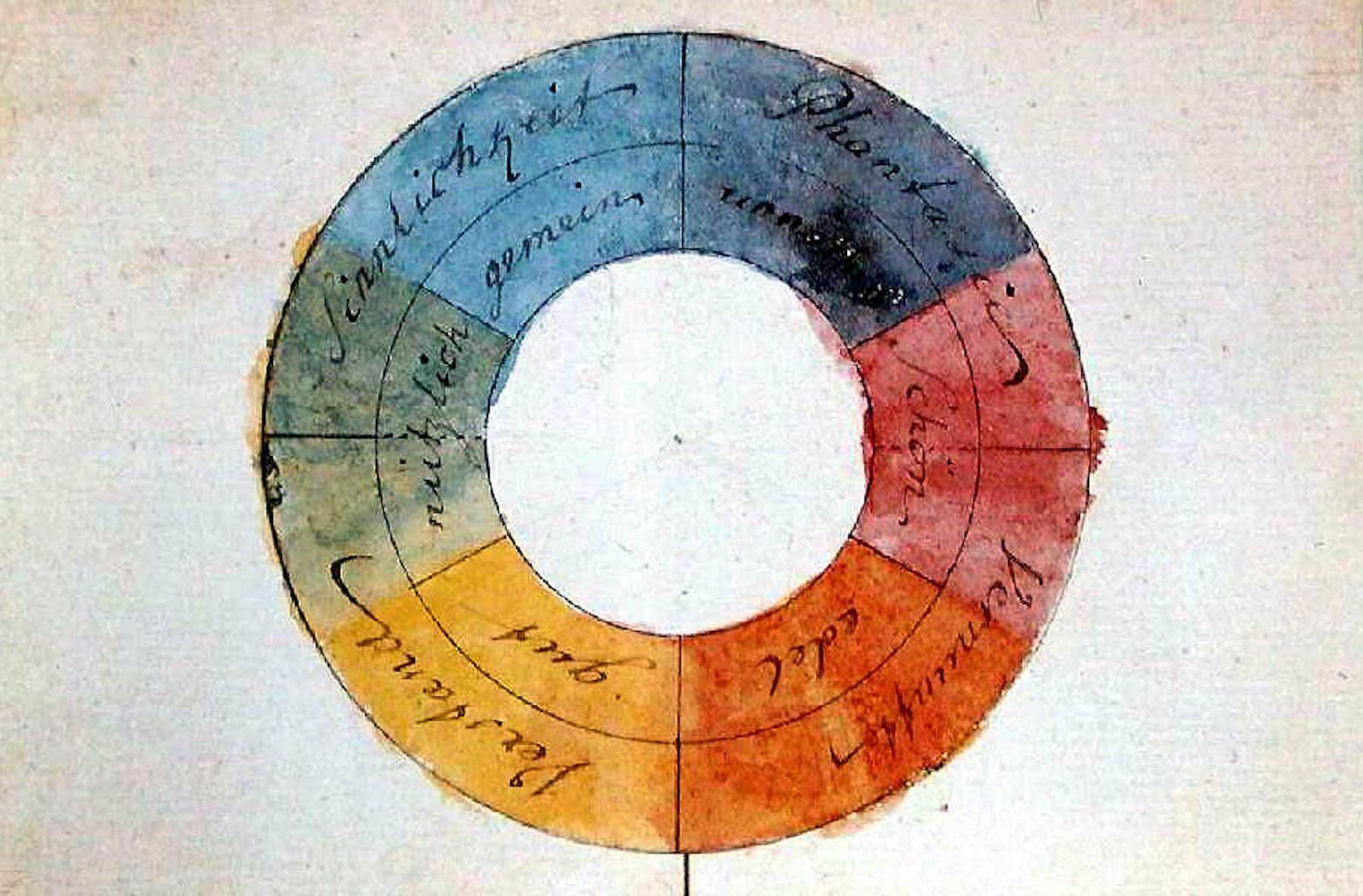
Johann Wolfgang Von Goethe’s Color Theory
Goethe, the German writer and scientist, challenged Newton’s ideas in the 18th century. He focused on human color perception and emotions. Goethe categorized colors into groups based on their psychological effects. His theory inspired artists and designers to explore color feelings.
Michel Eugène Chevreul’s Laws Of Contrast
Chevreul, a French chemist, studied how colors affect each other in the 19th century. He explained color contrast and harmony rules. Chevreul’s work influenced textile and art industries greatly. His color wheel helped creators mix and match colors with confidence.
Credit: munsell.com
Natural Origins Of Pigments
Colors have fascinated humans for thousands of years. Long before the color wheel existed, people used natural pigments for art and decoration.
These pigments came from plants, minerals, and even animals. They gave early artists a way to express ideas and emotions through color.
Plant-based Pigments
Many early colors came from plants. Leaves, roots, and flowers were crushed to create dyes and paints.
For example, indigo plants produced deep blue shades. Madder roots gave a rich red color. These natural sources were easy to gather and use.
Mineral Pigments
Minerals offered vibrant and lasting colors. Ochre, a common clay, created yellow and red hues.
Lapis lazuli, a rare stone, provided a bright blue pigment used in ancient art. These mineral colors were ground into powders to mix with binders.
Animal-derived Colors
Some pigments came from animals. Cochineal insects produced a vivid red dye.
Sepia ink was made from cuttlefish. These colors added variety and richness to early palettes.
Impact On Early Color Theory
Natural pigments helped shape early ideas about color relationships. Artists noticed how colors combined or contrasted.
This understanding laid the foundation for later inventions like the color wheel by Sir Isaac Newton.
Frequently Asked Questions
Who Created The First Color Wheel?
Sir Isaac Newton created the first color wheel by splitting white light into a spectrum using a prism. He arranged colors in a circular order, linking them to musical notes. Newton’s design laid the foundation for modern color theory and all subsequent color wheels.
What Was Leonardo Da Vinci’s Color Theory?
Leonardo da Vinci’s color theory emphasized light and shadow to create depth. He explored color harmony and natural hues for realistic art.
Which Color Was First Invented?
The first invented color was red, created from natural pigments like ochre used in ancient cave paintings.
What Is The Origin Of The Color Wheel?
Sir Isaac Newton invented the first color wheel in 1666 by splitting white light with a prism. He arranged colors in a circle, linking them to musical notes. Newton’s wheel laid the foundation for modern color theory and all future color wheels.
Who Invented The First Color Wheel?
Sir Isaac Newton invented the first color wheel in 1666 by arranging colors in a circle.
What Inspired Isaac Newton To Create The Color Wheel?
Newton split white light through a prism to see the spectrum of colors, inspiring his wheel.
How Did Newton Arrange Colors On The Color Wheel?
He placed colors in a circle in the order they appeared in the light spectrum.
Why Is Newton’s Color Wheel Important In Art And Science?
It formed the base for modern color theory used in art, design, and science.
Did Newton Connect Colors To Anything Else Besides The Color Wheel?
Yes, Newton linked each color to a musical note, showing a harmony between color and sound.
How Does Newton’s Color Wheel Differ From Today’s Color Wheels?
Newton’s wheel focused on spectral colors, while modern wheels include primary, secondary, and tertiary colors.
Conclusion
Sir Isaac Newton invented the first color wheel in 1666. He split white light into colors with a prism. Newton arranged these colors in a circle to show their relationships. His work connected colors to musical notes too. This early color wheel set the base for modern color theory.
Artists and designers still use ideas from Newton’s wheel today. Understanding who invented the color wheel helps us appreciate color better. It shows how science and art come together. The color wheel remains a simple tool with a rich history.