
Have you ever wondered what the world looks like through the eyes of a cougar? If you’re curious about whether cougars see colors the way you do, you’re not alone.
Understanding their vision can change how you think about these powerful predators and even help you stay safe if you’re exploring their territory. Cougars don’t see colors as vividly as humans; their view is more muted and focused on certain shades.
But what exactly can they see? And how does this affect their behavior? Keep reading to discover the surprising truth about cougar vision and how it influences their hunting and interaction with the environment around them.
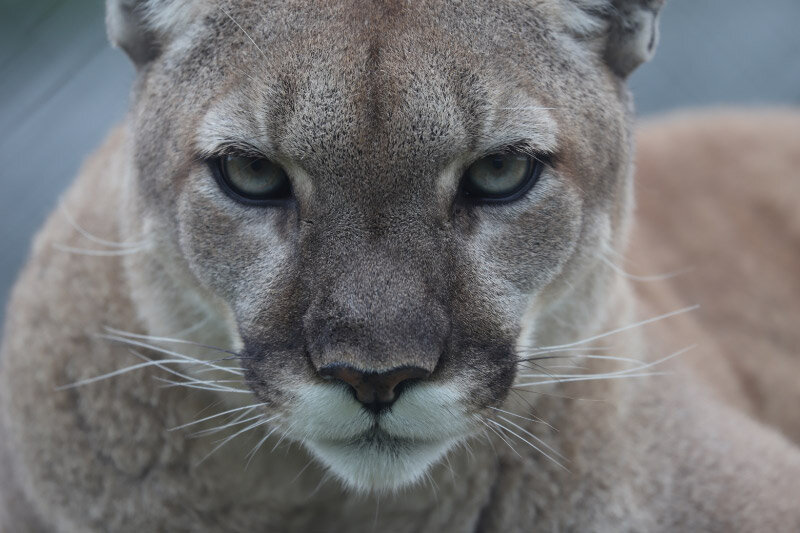
Credit: www.wildlifesciencecenter.org
Cougars’ Color Vision
Cougars do see colors, but their color vision is not like humans’. Their eyes work differently. This affects how they perceive the world.
Understanding cougar color vision helps explain their behavior. It also shows how they hunt and interact with their environment.
Limited Color Spectrum
Cougars see fewer colors than humans. Their vision focuses mainly on blues and greens. Reds and oranges appear dull or grayish to them. This limited spectrum means they cannot see the full rainbow of colors we do.
More Vibrant Blues And Yellows
Cougars can distinguish blues and yellows well. These colors stand out more clearly in their vision. This helps them spot prey or objects against natural backgrounds. Bright colors like red or pink do not catch their attention as much.
Contrast And Movement Are Key
Cougars rely more on movement and contrast than color. Moving animals are easier for them to detect. High contrast shapes stand out better in their vision. Wearing bright, contrasting clothes helps humans stay visible in cougar habitats.

Credit: www.walmart.com
Dichromatic Sight Explained
Cougars do not see the world in the same colors humans do. Their eyes have a type of color vision called dichromatic sight. This means they see fewer colors and in less detail.
Dichromatic sight allows cougars to see mostly blues and greens. Reds and oranges appear dull or gray to them. Their vision is tuned to detect movement more than color.
What Is Dichromatic Vision?
Dichromatic vision means having two types of color receptors, called cones, in the eyes. Humans have three cones, allowing full color vision. Cougars have only two, limiting the colors they see.
This type of vision is common in many animals. It helps cougars focus on shapes and movement in low light. It also aids them in hunting at dawn or dusk.
Colors Cougars Can See
Cougars mainly see blues and greens clearly. These colors stand out more to them. Yellows may also be visible but not as bright as to humans.
Reds and oranges blend into the background. This makes it harder for cougars to spot these colors. They rely less on color and more on contrast and movement.
Why Movement Matters More Than Color
Movement triggers a cougar’s attention faster than color differences. Their eyes are sensitive to changes in light and motion. This skill helps them catch prey efficiently.
Bright or moving objects stand out to cougars. This is why hikers wear bright clothes to avoid being mistaken for prey. Noise and movement alert cougars of human presence.
Colors Cougars Perceive
Cougars have special eye features that help them see well at night. Night vision is crucial for hunting in low light. Their eyes contain many rod cells that detect light and motion. These rods work better than cone cells in darkness. This allows cougars to spot prey even in near-total darkness.
The structure behind their retina, called the tapetum lucidum, reflects light back through the retina. This reflection boosts their ability to see with very little light. It also causes their eyes to shine in the dark. These adaptations give cougars an advantage during nighttime hunts.
Rod Cells And Low-light Vision
Rod cells outnumber cone cells in cougar eyes. Rods are sensitive to dim light, but they do not detect color well. This means cougars see shapes and movement better than colors at night. Their vision focuses on brightness and contrast in the dark.
The Role Of The Tapetum Lucidum
The tapetum lucidum acts like a mirror behind the retina. It reflects light that passes through the retina back into the eye. This reflection gives rod cells a second chance to absorb light. It greatly improves their vision in low-light settings.
Color Perception In Low Light
Cougars have limited color vision in the dark. Their eyes focus more on detecting light and movement. Colors like blue and green appear more clearly than reds. Night vision is about detecting prey, not seeing colors vividly.
Colors Cougars Can’t See
Cougars rely heavily on their vision during encounters with other animals or humans. They do not see the full range of colors like humans. Their color vision is limited but still useful in their natural environment.
Their behavior changes based on what they see and sense. Movement and contrast catch their attention more than color. This helps them detect prey or threats quickly.
Alertness To Movement
Cougars focus mainly on movement. They can spot even small motions from a distance. This skill helps them stalk prey or avoid danger. Stillness can make them less noticeable.
Reaction To Colors
Cougars see blues and yellows more clearly than reds or greens. Bright or high-contrast colors may stand out to them. Wearing such colors could signal that a person is not prey.
Defensive Postures
When threatened, cougars show clear signs. They may hiss, growl, or bare their teeth. Their body stiffens, and ears lay back. These signals warn intruders to stay away.
Use Of Senses Beyond Vision
Besides sight, cougars rely on hearing and smell. Their hearing is very sharp and helps detect nearby movement. Their sense of smell is weaker but still helps identify threats.

Credit: www.aces.edu
Frequently Asked Questions
Can Cougars See Color?
Cougars see limited colors, mainly blues and greens, with muted reds and yellows. They rely more on movement than color.
How Good Is A Cougar’s Vision?
A cougar’s vision excels in low light due to many rods in the retina. They see limited colors, mainly blues and greens. Movement detection aids their hunting more than color recognition. Their night vision is excellent, helping them track prey effectively in darkness.
What Colors Do Mountain Lions Not Like?
Mountain lions dislike dark, midtone, or drab woodsy colors that blend with their environment. Bright, high-contrast clothing deters them. Avoid colors that mimic deer, as these may increase risk. Wearing vivid colors and making noise helps signal your presence and reduces encounters.
Should You Make Eye Contact With A Mountain Lion?
Yes, maintain eye contact with a mountain lion to show awareness and avoid appearing as prey. Slowly back away while making yourself look larger. Speak firmly and never run, crouch, or turn your back, as these actions may trigger the mountain lion’s chase instinct.
Can Cougars See Colors Like Humans Do?
Cougars see some colors but not as vividly as humans. Their color vision is limited.
What Colors Can Cougars Distinguish Best?
Cougars see blues and yellows more clearly than reds and greens.
Are Cougars Colorblind Animals?
Cougars are not fully colorblind but have limited color perception, similar to color-blind humans.
How Does Cougar Color Vision Affect Hunting?
Cougars rely more on movement and contrast than on color to hunt prey.
Do Cougars See Red And Green Colors?
Cougars have difficulty distinguishing reds and greens; these colors appear muted to them.
Why Is Contrast Important For Cougars’ Vision?
Contrast helps cougars detect prey and objects better than color differences.
Conclusion
Cougars see colors differently than humans do. They mostly notice blues and greens, with reds and other colors less clear. Their eyes focus more on movement than color shades. This helps them hunt and stay alert in the wild. Knowing this can help people stay safe around cougars.
Wearing bright, contrasting clothes and making noise can reduce risks. Understanding how cougars see the world gives us a better chance to live peacefully near them.