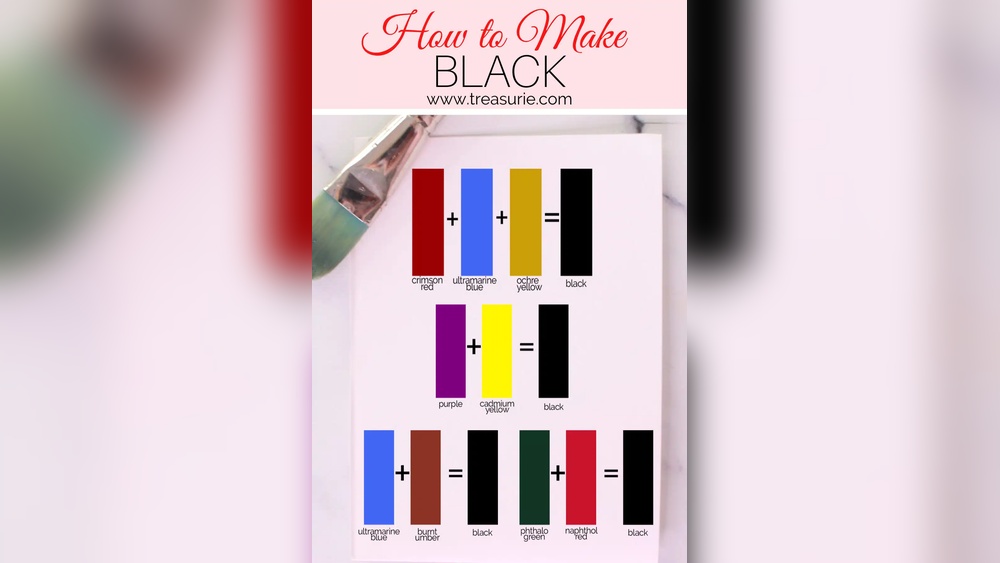
Have you ever wondered how to make the color black without just grabbing a tube of black paint? Whether you’re an artist, a DIY enthusiast, or just curious about colors, knowing how to create black by mixing other paints can give you more control over your work.
Imagine being able to craft a deep, rich black that leans warmer or cooler depending on your project. You’ll discover simple, effective ways to mix black using colors you probably already have. Ready to unlock the secret behind making perfect black?
Keep reading and transform your color mixing skills today!
Primary Colors For Black
Creating the color black using primary colors is possible by mixing red, yellow, and blue. These three colors are the foundation of all other colors. When combined in the right way, they produce a deep, rich black shade.
Mixing primary colors to make black requires balancing each color carefully. Too much of one color can result in a muddy or dull tone. The goal is to achieve a dark, neutral black that looks natural.
Using Red, Yellow, And Blue To Make Black
Start by mixing equal parts of red and blue to create a purple base. Then add a small amount of yellow to the purple. Adjust the yellow until the mix turns dark and neutral. This combination makes a blackish color.
Adjusting The Color Balance
If the mix looks too purple or blue, add more yellow. If it appears too brownish, add more blue or red. The balance between the three primary colors determines the final black tone. Experiment with small amounts for best results.
Why Primary Colors Work For Black
Primary colors cover the full color spectrum when mixed. Combining them absorbs most light, creating black. This method works well in painting and printing. It also helps artists create custom blacks with unique undertones.

Credit: drawlish.com
Complementary Color Combos
Complementary color combos offer a simple way to create black by mixing two colors opposite each other on the color wheel. These pairs balance each other out, resulting in a rich, dark shade close to black. This method works well for artists and hobbyists who want to mix their own black without using pure black paint.
Blue And Orange
Mixing blue and orange produces a deep, near-black color. Start with equal parts of both. Adjust the ratio to get a cooler or warmer black. This combo works because blue cancels out the warmth of orange, creating a dark neutral.
Red And Green
Red and green combine to form a dark tone close to black. Use a bright red and a natural green for the best result. The colors neutralize each other, producing a muted, dark shade perfect for shadows.
Yellow And Purple
Yellow and purple can also create black. Mix a strong yellow with a deep purple. The balance between warm yellow and cool purple creates a rich, dark color. Adjust the amounts to avoid muddy colors.
Mixing Blue And Brown
Mixing blue and brown is a simple way to create the color black. These two colors combine to form a deep, rich black shade that works well for many art projects. The key is to use the right shades of blue and brown and adjust their amounts carefully.
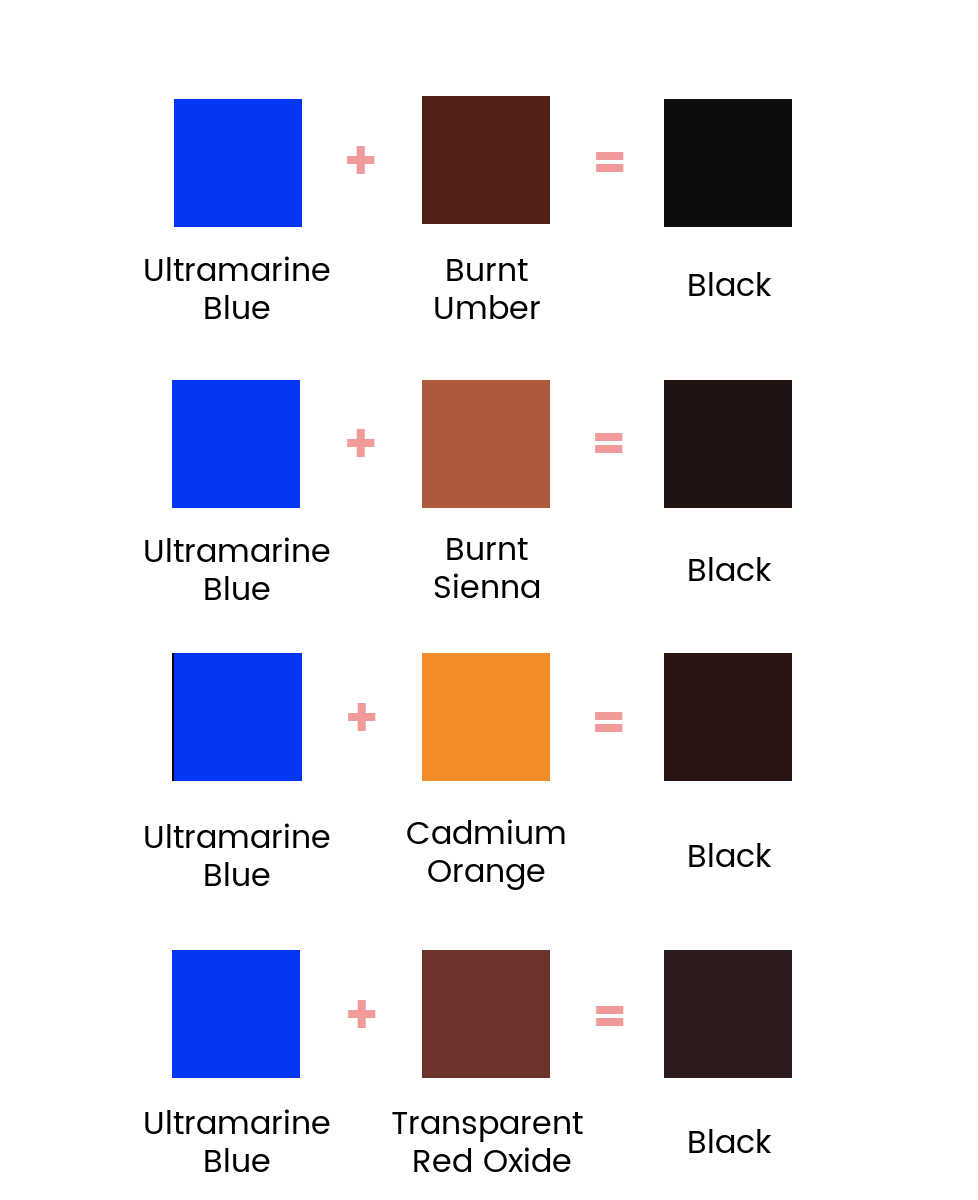
Dark blue, like ultramarine, pairs perfectly with dark brown shades such as burnt umber or burnt sienna. Mixing these colors brings out a natural black tone without using pure black paint. This technique is great for artists who want more control over their black color.
Choosing The Right Shades Of Blue And Brown
Select a dark blue, such as ultramarine or navy. For brown, burnt umber or burnt sienna works best. These colors have deep, warm tones that blend smoothly. Using lighter shades may result in muddy or dull colors.
How To Mix Blue And Brown For Black
Start by mixing equal parts of blue and brown paint on your palette. Stir well to see the combined color. If the mix looks too brown, add more blue slowly. If it looks too blue, add more brown. Keep adjusting until you get a true black color.
Tips For A Perfect Black Mix
Mix small amounts at first to avoid waste. Use a palette knife or brush to blend colors evenly. Test the color on a scrap paper or canvas. Let it dry to see the true shade. Remember, drying may change the color slightly.

Credit: artmakespeople.com
Using Transparent Oxide Red
Using Transparent Oxide Red is a unique way to create black color. This pigment has a deep red-brown tone. When mixed with certain colors, it helps form a rich, dark black shade. Artists often use it for its transparency and warmth.
Transparent Oxide Red adds depth to the black color. It is perfect for mixing with blue or green pigments. The result is a natural, soft black that is less harsh than pure black paint.
What Is Transparent Oxide Red?
Transparent Oxide Red is a pigment made from iron oxide. It has a rusty red color and is transparent. This means light can pass through it, creating glowing effects in paint.
It is often used in oil and acrylic painting. This pigment mixes well with darker colors to create rich blacks.
How To Mix Transparent Oxide Red To Make Black
Start with a small amount of Transparent Oxide Red. Add a dark blue, like ultramarine, slowly. Mix until you reach a deep, dark black color.
The red brings warmth. The blue adds coolness. Together, they create a balanced black shade.
Benefits Of Using Transparent Oxide Red For Black
Using Transparent Oxide Red makes black look natural. It avoids the flatness of pure black paint. This black also has more complexity and depth.
The transparency allows layers underneath to shine through. This effect is useful for glazing and shading in art.
Alizarin Crimson And Viridian
Alizarin Crimson and Viridian are two vibrant colors often used in mixing paints. Together, they can create a deep, rich black without using pure black paint. This mix is popular among artists who want a natural black that has more depth and variation.
Alizarin Crimson is a deep red with a slightly cool tone. Viridian is a cool, blue-green color. When combined, these two colors balance each other out. The red and green tones cancel out, producing a dark color close to black.
How To Mix Alizarin Crimson And Viridian
Start with equal parts of Alizarin Crimson and Viridian paint. Mix them slowly on your palette. You will see the color darken quickly. Adjust the amount of each color to get the shade of black you want.
Why Use Alizarin Crimson And Viridian For Black?
This mix creates a softer black than pure black paint. It has more warmth and depth. The black looks natural and less flat. It works well in painting shadows and dark areas with more life.
Tips For Better Mixing Results
Use high-quality paints for brighter colors. Mix small amounts first to test the color. Add tiny amounts of one color to adjust the shade. Clean your brush between mixing to avoid muddy colors.
Adjusting Shades And Tones
Adjusting shades and tones plays a key role in making the color black more versatile. Black is not just one flat color. It can have many variations depending on the mix of other colors. Small changes in shades or tones can create deep, rich blacks or softer, muted blacks.
These adjustments help artists and designers match black to different styles and moods. Understanding how to tweak black improves your color mixing skills. It also gives you more control over your final artwork or design.
Adding Warm Or Cool Tones
You can warm up black by adding a little red, orange, or yellow. This creates a black with a warm feel. Cool black is made by adding blue, green, or purple. These tones give black a cooler, more calming effect.
Try mixing small amounts of warm or cool colors to your black base. Adjust slowly to find the perfect shade without losing the black’s depth.
Lightening Black With Gray
Mixing black with gray softens the black color. This creates different shades of dark gray. It helps when pure black is too strong or harsh. Lightening black also adds subtle texture and depth to your work.
Use white mixed into black very carefully. Even a tiny amount can change the black into gray. Adjust gradually for the best results.
Creating Matte Or Glossy Effects
Tones affect how black looks on different surfaces. Matte black has no shine and looks flat. Glossy black reflects light and appears shiny. You can change the tone by adding certain mediums or varnishes.
Matte black works well for a soft, smooth finish. Glossy black adds drama and highlights. Choose the tone based on your project’s needs.
Avoiding Muddy Colors
Creating a true black color by mixing paints can be tricky. One common problem is ending up with a muddy color instead of a clean black. Muddy colors look dull and unclear. They happen when the colors mix in a way that reduces brightness and contrast. Avoiding muddy colors ensures your black looks rich and deep.
Choosing the right colors and mixing them carefully helps prevent muddiness. Understanding how different pigments interact is key. With the right technique, you can make a beautiful black that enhances your artwork.
Using High-quality Pigments
High-quality pigments have purer colors. They mix better and create cleaner blacks. Cheap paints often contain fillers that cause dull, muddy colors. Investing in good pigments improves your results. Always test your colors before mixing large amounts.
Mixing Complementary Colors Carefully
Complementary colors lie opposite on the color wheel. Mixing them creates black or dark grey. Examples are blue and orange, red and green, or yellow and purple. Mixing too much of one can cause brown or muddy tones. Add small amounts slowly. Stop once you reach a rich black shade.
Balancing Warm And Cool Tones
Combining warm and cool colors helps control muddiness. Warm colors are reds, oranges, and yellows. Cool colors include blues, greens, and purples. Mixing a warm color with a cool one can make black. If the mix looks too dull or brown, adjust by adding more cool or warm tones. This balance keeps black clear and vibrant.
Layering Instead Of Mixing
Layering colors on top of each other can create a deep black look. This avoids muddy mixing. For example, paint a dark blue layer first, then add a dark brown or purple layer. Let each layer dry before adding the next. Layering builds richness without dullness.
Tips For Paint Mixing
Mixing paint to create the color black can be simple with the right approach. Understanding the basics of paint mixing helps achieve a deep, rich black without using pure black paint. Small changes in color ratios can greatly affect the final shade. Follow these practical tips to mix black paint successfully.
Use Primary Colors For Mixing Black
Mix equal parts of red, yellow, and blue paint. These three primary colors combine to form a basic black. Adjust the amounts slightly to get the right tone. More blue will cool the black, while more red will warm it up.
Try Complementary Colors
Combine two colors opposite on the color wheel. Examples include blue and orange, red and green, or yellow and purple. These pairs create a darker, near-black color. Change the ratio to adjust the shade’s warmth or coolness.
Mix Dark Blue With Brown
Use ultramarine blue and burnt umber or burnt sienna. Start with equal parts and adjust based on the shade you want. Add more blue to reduce brown tones. Add more brown to deepen the warmth of the black.
Test Small Batches First
Always mix small amounts of paint first. This helps avoid wasting paint. It also allows you to see how colors blend before making a larger batch. Adjust the ratios carefully with each test.
Use A Palette Knife For Mixing
Mix paints thoroughly using a palette knife. This tool helps blend colors evenly. Avoid using brushes to mix as they may not blend the paint fully. A smooth, consistent mix creates a true black.
Adjust With White Or Other Colors
Add tiny amounts of white to lighten black if needed. Use it sparingly to avoid turning the black gray. Sometimes adding a bit of another color can warm or cool the black for a specific look.
Black Without Black Paint
Creating the color black without using black paint is a useful skill for artists and DIY enthusiasts. Mixing colors to achieve black can add depth and richness to your work. This approach also allows for more control over the shade and tone of black you want.
Mixing Primary Colors To Make Black
Start with the three primary colors: red, blue, and yellow. Mix equal parts of each color. This blend usually results in a dark, muddy color close to black. Adjust the amounts to make it darker or lighter as needed.
Using Complementary Colors For Black
Complementary colors sit opposite on the color wheel. Mixing these pairs creates a near-black color. Try mixing blue and orange, red and green, or yellow and purple. Each mix produces a slightly different black tone.
Combining Dark Blue And Brown
Mix a dark blue like ultramarine with a dark brown such as burnt umber. This combination creates a deep, rich black. If the color looks too brown, add more blue. Add more brown if it looks too blue.
Experimenting With Other Color Combos
Try mixing transparent oxide red with dark green or navy blue. These blends can create unique black shades. Adjust colors slowly until you get the perfect black tone for your project.
Common Mistakes To Avoid
Avoiding common mistakes helps you create a true black color. Mixing black paint may seem simple, but small errors can change the shade. Knowing what to avoid saves time and paint.
Using Only Two Primary Colors
Mixing just two primary colors rarely produces a deep black. The result usually looks muddy or dark gray. Use all three primary colors—red, blue, and yellow—for better black tones.
Adding Too Much Blue Or Brown
Mixing blue with brown is popular but tricky. Too much blue makes the black look cold and dull. Too much brown gives a muddy, warm color. Balance the colors carefully for true black.
Ignoring Complementary Color Pairs
Complementary colors create black by neutralizing each other. Avoid mixing colors that are not direct opposites on the color wheel. This mistake leads to dull or off-black shades instead of pure black.
Using Bright Or Saturated Colors
Bright colors do not mix well to form black. They tend to produce dull browns or grays. Choose muted or darker tones for better black mixing results.
Overmixing Paint
Mixing paint too long can change the texture and color. It may cause the black to look uneven or patchy. Stir gently and stop once the color looks uniform.
Relying On Black Paint Alone
Using only black paint limits your color depth. Mixing your own black gives more control over shade and tone. Experiment with mixes to create a richer black than store-bought paint.
Credit: trembelingart.com
Frequently Asked Questions
What Colors To Mix To Make Black?
Mix equal parts of red, yellow, and blue to make black. Alternatively, mix complementary colors like blue and orange, red and green, or yellow and purple. Combining dark blue with brown (ultramarine blue and burnt umber) also creates black. Adjust ratios for desired shade.
Do Purple And Green Make Black?
Purple and green mix to a dark, muddy color but not pure black. True black comes from mixing complementary colors or all primary colors.
How Was The Color Black Made?
Artists create black by mixing primary colors—red, yellow, and blue—or combining complementary colors like blue and orange. Mixing dark blue with brown also produces rich black tones. Adjust ratios to achieve the desired black shade easily.
What Color Combination For Black?
Black pairs well with white, red, gold, gray, and bright colors like turquoise or pink for striking contrast.
What Colors Mix To Make The Color Black?
Black can be made by mixing primary colors or complementary colors like blue and orange.
Can You Make Black By Mixing Only Two Colors?
Yes, mixing complementary colors such as red and green can create black.
How Do Primary Colors Create Black Paint?
Mix red, yellow, and blue in equal amounts to produce a black shade.
What Is A Simple Way To Mix Black Paint?
Combine dark blue with dark brown and adjust until you get black.
Why Does Mixing Blue And Brown Make Black?
Dark blue and brown together neutralize colors, resulting in a black tone.
Can You Make Black Without Using Black Paint?
Yes, by mixing specific colors like blue, red, and yellow or complementary pairs.
Conclusion
Creating the color black is simple with the right mixes. Use primary colors or complementary pairs for good results. Adjust amounts to get the shade you want. Mixing dark blue with brown also works well. Experimenting helps you find the perfect black tone.
Practice and patience improve your color mixing skills. Enjoy exploring how colors combine to make black!