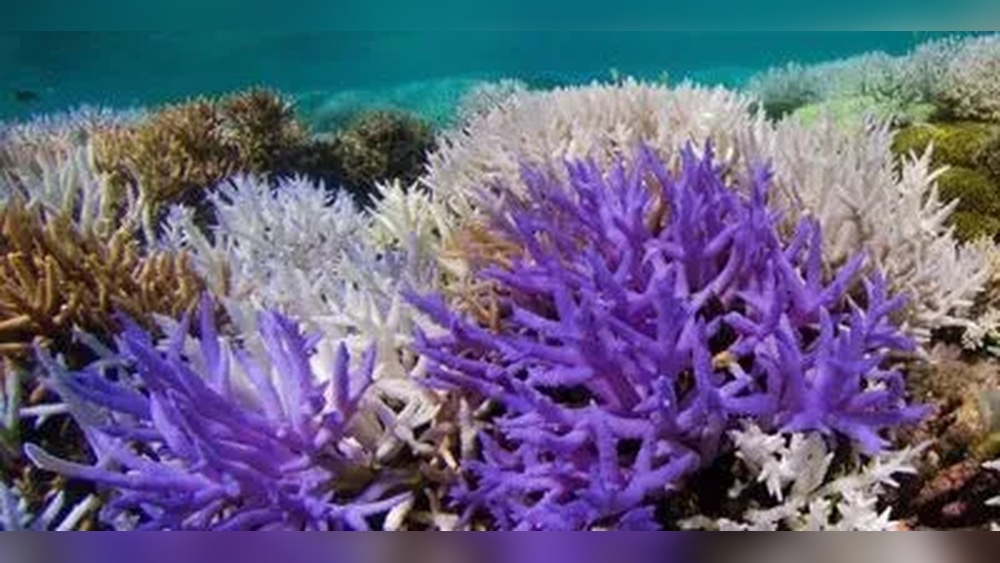
Have you ever noticed corals glowing in bright, fluorescent colors and wondered why? These dazzling hues are more than just nature’s spectacle—they’re a sign of something happening beneath the surface that affects the entire ocean ecosystem.
If you care about marine life or simply love the beauty of coral reefs, understanding why corals turn fluorescent can give you a new perspective on their health and survival. Keep reading to discover the fascinating science behind this glow and what it means for the future of our oceans.

Credit: microbiozindia.com
Coral Fluorescence Basics
Coral fluorescence occurs when corals absorb light and then emit it in bright colors. This process makes corals glow in shades of pink, green, and purple. The glowing is due to special proteins within coral tissues. These proteins react to sunlight and produce the fluorescent effect.
This fluorescence helps protect corals from harmful sunlight. It acts like a sunscreen, shielding the coral’s tiny algae partners. These algae, called zooxanthellae, live inside the coral and provide it with food through photosynthesis. Fluorescent colors can also signal coral health or stress.
What Causes Coral Fluorescence?
Sunlight triggers coral fluorescence. Corals contain fluorescent proteins that absorb ultraviolet and blue light. Then, they release this energy as visible light. This process creates the bright, neon colors we see underwater. Light intensity and water quality can affect how much corals glow.
Role Of Fluorescent Proteins
Fluorescent proteins protect coral tissues from too much sunlight. They absorb harmful rays and convert them into safer light forms. This reduces damage to the coral and its algae. These proteins also help corals manage heat stress and recover from injuries.
Connection Between Zooxanthellae And Fluorescence
Zooxanthellae are tiny algae living inside coral cells. They produce food for coral through photosynthesis. Fluorescent proteins protect these algae from intense light. Healthy algae are essential for coral survival. When algae leave, coral loses color and may bleach.
Role Of Zooxanthellae
Zooxanthellae are tiny algae living inside coral tissues. They form a close partnership with corals, called symbiosis. These algae use sunlight to make food through photosynthesis. They share this food with the coral, helping it grow and build reefs.
Corals depend on zooxanthellae for energy. The algae also give corals their natural colors. When corals face stress, such as strong sunlight or warm water, zooxanthellae can be harmed. This can cause changes in coral color, including fluorescent hues.
How Zooxanthellae Protect Corals
Zooxanthellae absorb sunlight and help corals use this energy. They also produce pigments that protect corals from harmful light. These pigments can change color, making corals look fluorescent. This glow helps reduce light damage to both coral and algae.
Impact Of Stress On Zooxanthellae
Heat or strong light stresses zooxanthellae. When stressed, they produce fewer nutrients for corals. Sometimes corals expel zooxanthellae, causing bleaching. Fluorescent colors may appear before or during this stress, signaling coral distress.
Fluorescence As A Survival Tool
Fluorescent pigments act like sunscreen for corals. They absorb harmful rays and emit safer light. This helps zooxanthellae survive inside coral tissues. The glow may increase coral chances of recovery after stress.
Light Absorption And Emission
Corals turn fluorescent due to a fascinating process of light absorption and emission. This natural phenomenon helps corals protect themselves from harmful sunlight. It also plays a role in their survival and health. Understanding how corals absorb and emit light reveals why these vibrant colors appear underwater.
How Corals Absorb Light
Corals contain special pigments that absorb sunlight. These pigments capture high-energy ultraviolet (UV) rays. UV rays can damage coral tissues and the tiny algae living inside them. The algae, called zooxanthellae, perform photosynthesis and provide food for corals.
Absorbing harmful light protects both coral and algae from damage. This process reduces stress and helps corals survive in bright, sunny waters.
Emission Of Fluorescent Light
After absorbing UV light, corals emit it as glowing colors. This emission usually appears as bright pink, green, or purple shades. The light is less harmful and safer for coral tissues. It also creates the beautiful fluorescent effect seen in many coral reefs.
This glowing light acts like a shield. It scatters excess energy and prevents coral cells from overheating. The emitted light can also improve photosynthesis by zooxanthellae under certain conditions.
The Role Of Fluorescent Proteins
Fluorescent proteins in corals are responsible for this light transformation. These proteins absorb high-energy light and release it at a lower energy level. The process is called photoluminescence. It changes invisible UV rays into visible colors.
These proteins vary among coral species, creating different glowing hues. They help corals adapt to changing light environments in the ocean. This adaptation supports coral growth and resilience.
Protective Pigments In Corals
Corals turn fluorescent colors because of special pigments they produce. These pigments act like a shield. They protect the coral’s tiny algae partners, called zooxanthellae. These algae live inside the coral and provide it with food through photosynthesis. The pigments help corals survive in bright and harmful sunlight.
Fluorescent pigments absorb harmful light rays. They change these rays into safer, colorful light. This reduces damage to the coral and its algae. This protective glow is a sign that corals are defending themselves from stress.
What Are Fluorescent Pigments?
Fluorescent pigments are natural chemicals found in coral tissue. They absorb high-energy light, like ultraviolet (UV) rays. Then, they emit this energy as visible colors such as pink, green, or purple. This process lowers the risk of light damage.
How Pigments Protect Zooxanthellae
Zooxanthellae need sunlight for photosynthesis but too much light hurts them. Pigments filter out the strongest rays and reduce light stress. This keeps the algae healthy, so they can keep feeding the coral. Healthy algae mean healthy corals.
Role In Coral Stress Response
When corals face stress from heat or light, pigment production increases. This causes the coral to glow brighter in fluorescent colors. It is a sign the coral is trying to protect itself. This glowing helps corals survive harsher conditions.
Causes Of Color Changes
Corals change colors for several reasons related to their environment and health. These color changes often signal stress or adaptation. Fluorescent colors can appear when corals react to changes in light, temperature, or water quality. Understanding these causes helps us protect coral reefs better.
Light Intensity And Quality
Corals adjust their color based on sunlight levels. Too much light can damage their tissues. They produce fluorescent pigments that absorb harmful rays and emit safer colors. This process protects the tiny algae living inside corals.
Water Temperature Fluctuations
Rising ocean temperatures stress corals. Heat causes corals to expel algae, which provide food and color. This loss leads to bleaching, but before bleaching, some corals turn bright fluorescent colors. This change is a warning sign of stress.
Water Pollution And Chemicals
Pollutants like chemicals and sediments affect coral health. These toxins cause corals to produce more fluorescent pigments. This response may shield them from damage but also indicates poor water quality.
Symbiotic Algae Health
Corals rely on algae called zooxanthellae. These algae give corals their natural color. When stressed, algae produce less pigment or leave the coral. Corals then change color, sometimes turning fluorescent as a protective measure.
Genetic And Species Differences
Not all corals react the same way. Some species naturally display fluorescent colors. Others produce pigments only under stress. Genetics play a role in how corals change color in response to their surroundings.

Credit: theconversation.com
Coral Bleaching Explained
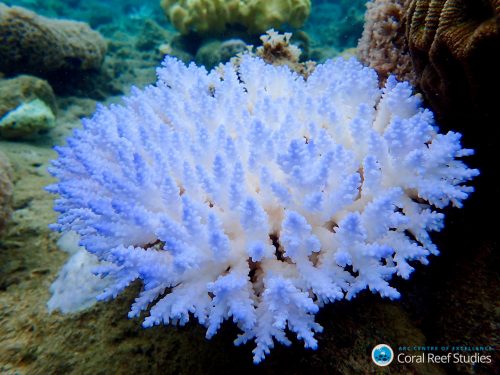
Coral bleaching happens when corals lose their bright colors and turn white. This change shows the coral is stressed. The main cause is water that is too warm. Corals have tiny algae called zooxanthellae living inside them. These algae give corals food and color.
When the water gets too hot, corals push out these algae. Without algae, corals lose their food source and color. This makes the coral look pale or completely white. Bleached corals can become weak and may die if stress continues.
What Causes Coral Bleaching?
High sea temperatures are the biggest cause of bleaching. Pollution and strong sunlight also stress corals. Changes in water quality can harm the delicate balance corals need. Even small changes can trigger bleaching.
Role Of Zooxanthellae In Coral Health
Zooxanthellae are tiny algae living inside coral tissues. They use sunlight to make food through photosynthesis. This food feeds the coral and helps it grow. The algae also give coral their vibrant colors.
How Bleaching Affects Coral Ecosystems
Bleached corals lose their main food source. This causes coral to weaken and grow slowly. Fish and other sea animals depend on healthy corals for shelter. Bleaching can disrupt the entire reef ecosystem.
Signs Of Light Stress In Corals
Corals show clear signs when they suffer from too much light. These signs help identify stress early. Light stress can harm coral health and their color.
Watching for these signs can prevent further damage. Corals react to strong light by changing their appearance and behavior.
Bleaching Symptoms
One common sign of light stress is bleaching. Corals lose their color and turn pale or white. This happens when they expel tiny algae called zooxanthellae. These algae give corals food and color. Without them, corals become weak and more vulnerable.
Polyp Retraction
Coral polyps pull back into their skeleton when stressed by light. This makes the coral look smaller and less alive. Polyp retraction reduces the coral’s ability to feed and breathe. It is a quick response to avoid damage from bright light.
Tissue Recession
Tissue recession means coral flesh starts to peel away. This often happens on parts facing strong light. The coral’s skeleton becomes visible. Tissue loss can lead to infections and slower growth. It shows serious stress and damage from light.
Wilting Effects
Wilting in corals looks like shriveling or folding. The coral appears limp and unhealthy. This reduces their surface area for photosynthesis. Wilting weakens coral and lowers their chance of survival. It signals prolonged exposure to harmful light levels.
Measuring Light Intensity
Measuring light intensity is crucial to understanding why corals change their colors to fluorescent shades. Light affects coral health and their unique glowing appearance. By measuring light, scientists and hobbyists can track how much energy corals receive. This helps in studying coral responses to different light conditions. Proper measurement allows better care and protection of coral reefs.
Using Par Meters
PAR meters measure the light usable by corals for photosynthesis. PAR stands for Photosynthetically Active Radiation. It captures light in wavelengths between 400 and 700 nanometers. This range is vital for the algae living inside corals. These algae provide food to corals through photosynthesis. Using PAR meters helps monitor if corals get enough light or too much. Balanced light prevents stress that causes corals to fluoresce.
Adjusting Light Distance
Changing the distance between light sources and corals controls light intensity. Moving lights closer increases the light corals receive. Moving them away decreases light exposure. This adjustment helps create ideal conditions for coral health. Proper light distance reduces stress that triggers fluorescent colors. Experimenting with distance can find the best setup for coral growth. It also prevents damage from excessive light intensity.
Coral Adaptation Strategies
Corals face many challenges in their environment. Their survival depends on adapting to changes in light and temperature. One way corals respond is by changing colors to fluorescent shades. This change helps them protect themselves and adjust to stress. Understanding these coral adaptation strategies shows how they cope with harsh conditions.
Fluorescent colors act as a natural sunscreen. They shield coral and the tiny algae living inside. These algae provide food through photosynthesis. The coral protects them by reducing harmful light exposure. This balance is vital for coral health and growth.
Gradual Acclimation
Corals slowly adjust to new light conditions. This process is called gradual acclimation. It allows corals to build tolerance to stronger or weaker light. By changing their pigments, corals manage how much light they absorb. This slow change prevents damage to their tissues and the algae inside.
Acclimation helps corals survive in varying environments. It supports their ability to stay healthy despite changes in water clarity or depth. This adaptation shows coral resilience and their capacity to cope with stress.
Light Intensity Reduction
Corals reduce light intensity to avoid harm. Fluorescent pigments absorb dangerous light waves. They then emit safer, lower-energy light in pink or purple tones. This process lowers the risk of damage from ultraviolet rays.
Reducing light stress protects the coral’s algae. It keeps their photosynthesis process stable. With less light stress, corals can maintain their food supply and energy. This strategy is crucial during periods of high sunlight or water warming.
Impact On Coral Health
Corals turning fluorescent is a sign of stress but not always harm. This color change shows how corals react to their environment. Scientists study these colors to understand coral health better.
Fluorescent colors come from special pigments inside coral tissues. These pigments can protect corals from harmful sunlight. At the same time, they may help corals cope with changes in water temperature and light.
Protection Against Sunlight Damage
Fluorescent pigments absorb strong sunlight that can harm corals. They change dangerous light waves into safer colors. This process helps protect the tiny algae living inside corals. These algae provide food to corals through photosynthesis.
Without this protection, the algae can get damaged. Damaged algae means less food for corals. The fluorescent colors act like a natural sunblock.
Stress Indicator In Corals
Bright fluorescent colors often appear when corals face stress. Stress can come from warm water, pollution, or disease. The color change warns that corals are struggling to survive.
Scientists use this color shift to spot early signs of coral bleaching. Bleaching happens when corals lose their algae and turn white. Fluorescence can show problems before bleaching starts.
Energy Use And Recovery
Producing fluorescent pigments costs energy for corals. They use energy to fight stress and protect themselves. If stress lasts too long, corals may lose energy and weaken.
Fluorescent colors may help corals recover. They can improve the coral’s ability to heal after stress. This means fluorescence plays a role in coral survival.
Credit: extendedhorizons.com
Frequently Asked Questions
Why Do Corals Turn Fluorescent?
Corals turn fluorescent to protect themselves from harmful sunlight. Fluorescent pigments absorb damaging light and emit safer wavelengths. This process shields their symbiotic algae, zooxanthellae, which provide essential nutrients. Fluorescence also helps corals manage light stress and survive in bright environments.
Why Does Coral Turn Bright White?
Coral turns bright white due to coral bleaching. Warm water stresses corals, causing them to expel algae, losing color and nutrition.
How To Tell If Corals Are Getting Too Much Light?
Corals get too much light if they bleach, turn pale or white, retract polyps, or show tissue loss near the light source.
Can Bleached Coral Come Back To Life?
Bleached coral can recover if stressors like heat lessen quickly. Recovery depends on coral species and severity of bleaching. Prolonged bleaching often kills coral.
Why Are Corals Turning Fluorescent Colors?
Corals turn fluorescent to protect themselves from harmful sunlight and stress by glowing bright colors.
What Causes Coral Fluorescence In Ocean Reefs?
Fluorescent pigments in corals absorb harmful light and emit safer light, helping corals survive.
How Does Coral Fluorescence Protect Zooxanthellae?
Fluorescent colors shield zooxanthellae algae inside corals from damaging light, keeping them healthy.
Can Coral Fluorescence Indicate Coral Stress Or Damage?
Yes, bright fluorescence often shows corals under stress, signaling environmental changes or harm.
Why Do Some Corals Glow More At Night?
Corals glow at night as their fluorescent proteins respond to low light conditions.
Is Coral Fluorescence A Sign Of Coral Health?
Not always; fluorescence can mean stress but sometimes helps corals adapt to tough conditions.
Conclusion
Corals turn fluorescent to protect themselves from strong sunlight. This glowing helps shield tiny algae living inside corals. These algae give corals food through photosynthesis. When corals face stress, their colors change as a survival signal. Understanding this glow reveals how corals cope with their environment.
Protecting coral reefs means protecting ocean life and health. Watching these colors helps scientists track coral well-being. Bright colors are not always a sign of health. Coral fluorescence shows nature’s way of adapting and surviving.