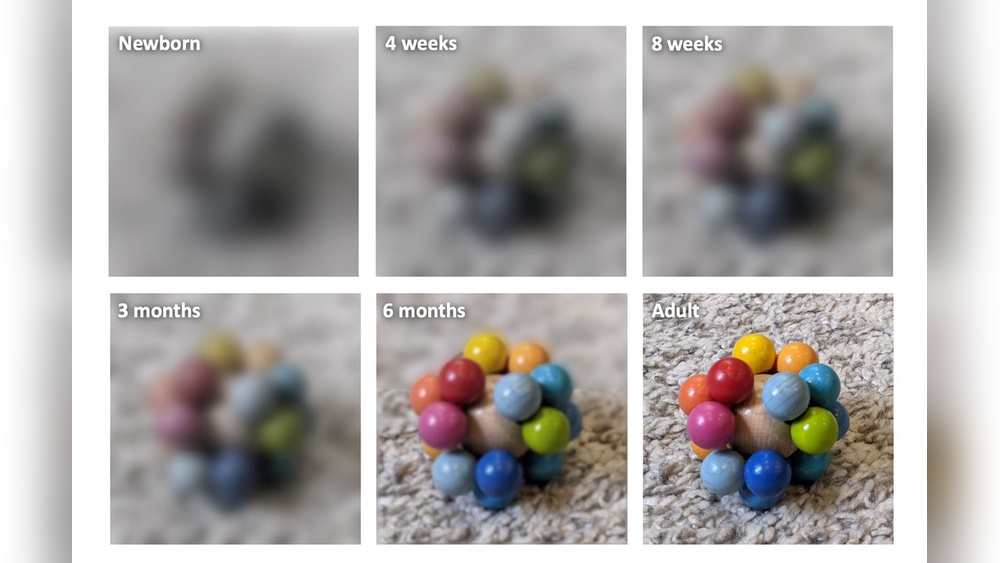
Have you ever wondered when your baby will start to see the world in color? From the moment they are born, your little one’s vision is a work in progress.
At first, everything might look like a blur of black, white, and shades of gray. But soon enough, your baby’s eyes begin to pick up bright, bold colors that catch their attention. Understanding when and how your baby starts to see color can help you support their development in the best way possible.
Keep reading to discover the fascinating timeline of your baby’s color vision, and learn simple ways you can nurture this important milestone every day.
Early Vision At Birth
At birth, a baby’s vision is very limited. Newborns see mostly in shades of gray. Their eyes are still learning how to focus and process images. Color vision is not fully developed yet.
Babies rely on high-contrast shapes and patterns to make sense of their world. They respond to strong light and dark contrasts more than colors. This helps them begin to recognize faces and objects.
How Newborns Perceive Light And Shadow
Newborns can detect light and dark differences. They notice bright areas and shadows around them. This ability helps them track movement and recognize shapes.
Their eyes react to changes in brightness, which builds basic visual skills. This is the first step toward understanding their environment.
Focus And Clarity At Birth
Newborns can only focus on objects about 8 to 12 inches away. This distance is perfect for seeing the face of a caregiver during feeding or cuddling. Beyond this range, things look blurry.
Their eyes often wander and may not move together at first. This is normal and improves over the first few months.
The Beginning Of Color Perception
Babies start with limited color vision. At birth, they mainly see in black, white, and shades of gray. Bright, bold colors like red and yellow catch their attention first.
Color vision develops gradually over the first few months. By two months, babies begin to see some colors clearly. This early stage is crucial for their brain to learn how to process colors.
Color Perception In Newborns
Newborns initially see mostly shades of gray. By two months, babies start to notice bright colors like red, yellow, and blue. Their eyes gradually learn to distinguish more colors as they grow.
Newborn babies see the world differently than adults. Their eyes and brain are still developing. At birth, babies mostly see in shades of gray. Colors do not appear clear or bright yet.
During the first few weeks, babies start to notice light and dark contrasts. Their vision is blurry, so they focus on shapes and movements more than colors. Bright colors and high-contrast patterns catch their attention best.
Early Color Recognition
By about two months, babies begin to see some colors. Red, yellow, and blue stand out first. These colors are easier for their eyes to detect. Babies may also start to notice green, but it is less clear to them.
Pastel and soft colors are still hard to see. Bold colors attract babies because their vision is limited. They respond more to bright and contrasting colors than subtle shades.
How Babies Distinguish Colors
- Red: One of the first colors babies recognize.
- Yellow: Babies start to react differently to yellow compared to other colors.
- Blue: They can tell blue apart from red and yellow.
- Green: Some babies may begin to see green when it contrasts strongly with other colors.
Supporting Your Baby’s Color Vision
- Use toys and books with bright red, yellow, and blue colors.
- Show high-contrast patterns like black and white to help vision development.
- Expose babies to a variety of colors as their vision grows.
- Be patient; color perception improves over several months.
Milestones At Two Months
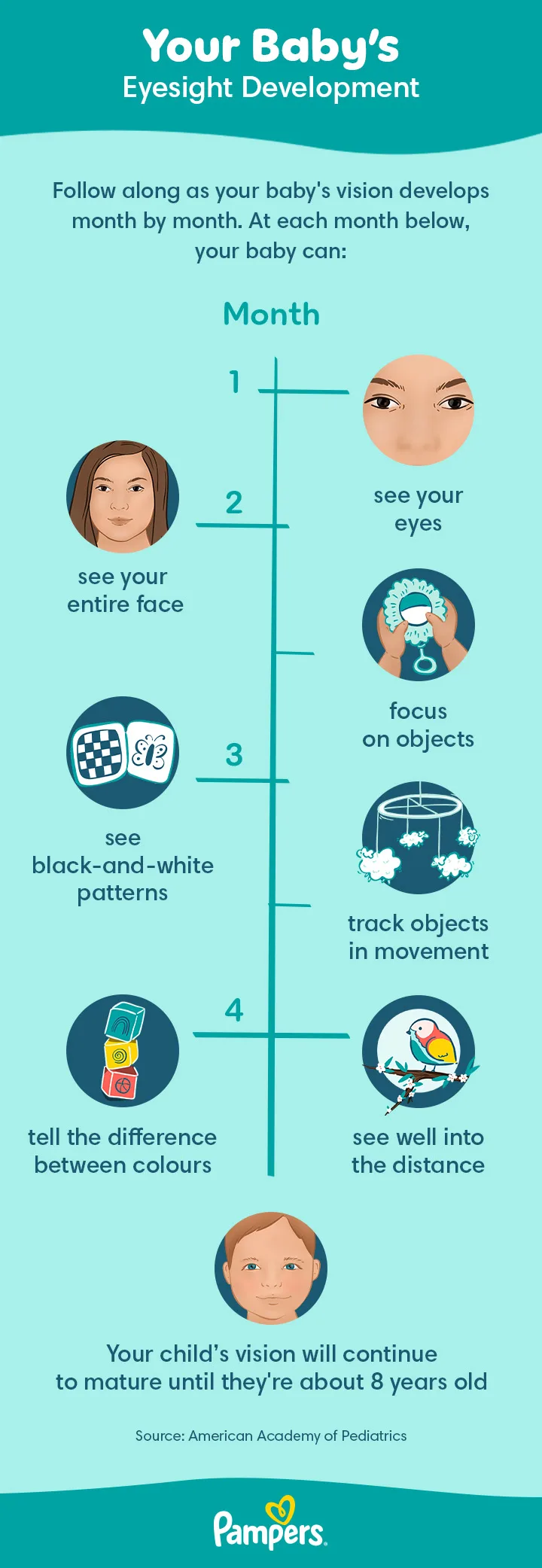
At two months, babies start to see the world in color. Their vision improves enough to notice bright and bold colors. This stage marks an important milestone in their visual development.
Babies begin to tell apart primary colors like red, yellow, and blue. Their eyes still struggle with lighter shades. High-contrast patterns catch their attention more easily. These early experiences help shape their color perception.
Distinguishing Primary Colors
By two months, babies can distinguish key primary colors. Red is often the first color they notice clearly. They also start to react differently to yellow compared to other colors. Blue becomes recognizable as they grow. Some babies may begin to see green, especially in bright settings. These colors stand out because their eyes are more sensitive to strong shades.
Preference For High-contrast Patterns
Babies at this age prefer high-contrast patterns. Black and white designs are especially attractive. Bold stripes and shapes help their eyes focus better. These patterns stimulate brain development related to vision. Using toys and books with sharp contrasts supports their growing sight. This preference shows how their visual system builds connections.
Credit: www.pampers.com
Color Recognition Progression
Babies do not see colors clearly at birth. Their color vision develops step by step. This growth happens over the first few months after birth. Understanding this progression helps parents support their baby’s visual development.
At first, babies notice only contrasts and shapes. Then, they start to recognize bright colors. This change allows them to engage more with their surroundings.
Red And Yellow Awareness
Red is one of the earliest colors babies recognize. It stands out due to its brightness and warmth. Around two months, babies begin to notice yellow too. They react differently to yellow compared to other colors. These colors attract their attention more than others. Parents can use red and yellow toys to help babies focus and learn.
Blue And Green Differentiation
By two to three months, babies start to tell blue apart from red and yellow. Blue is a cooler tone, so it offers a new visual experience. Some babies may also begin to see green. This color recognition depends on how bright or dark the shade is. High-contrast green is easier for babies to see. Introducing blue and green objects helps expand their color understanding.
Eye Coordination Development
Eye coordination development is a crucial step in a baby’s vision growth. It allows babies to focus both eyes on one object at the same time. This skill helps them judge distance and depth. Without good eye coordination, babies struggle to see the world clearly.
During the first few months, babies’ eye muscles strengthen and begin to work together. This process improves their ability to track moving objects and recognize faces. Eye coordination also plays a role in how babies start to see colors more vividly.
Early Signs Of Eye Coordination
Newborns often move their eyes independently. They may appear cross-eyed or have wandering eyes. These signs are normal and usually improve by two to three months. At this stage, babies start to look at objects more steadily.
How Eye Coordination Affects Color Perception
Good eye coordination helps babies combine images from both eyes. This combination makes colors appear more distinct. Babies begin to notice bright colors like red, yellow, and blue. They respond better to high-contrast patterns, which stimulate their vision.
Activities To Boost Eye Coordination
Parents can help by holding colorful toys in front of babies. Moving the toys slowly from side to side encourages eye tracking. Playing peek-a-boo also promotes focus and coordination. These simple games support healthy vision development.
Supporting Color Vision Growth
Supporting color vision growth helps babies learn about their world. Their eyes and brain work together to see and understand colors. Parents and caregivers can aid this process by choosing the right objects and activities.
Simple changes in the baby’s environment can make a big difference. Bright, clear colors and strong contrasts attract their attention. These visual cues encourage babies to focus and practice seeing colors better.
Using Bright Toys And Books
Bright toys and books catch babies’ eyes quickly. Colors like red, yellow, and blue stand out and are easier for babies to notice. Toys with these colors help babies practice distinguishing hues.
Books with colorful pictures encourage babies to look closely. This helps their brain learn to identify different colors. Repeated exposure to bright colors supports healthy vision development.
Incorporating High-contrast Items
High-contrast items, such as black-and-white patterns, are excellent for early vision growth. Babies see these contrasts more clearly than soft or pale colors. Patterns like stripes, dots, and checks stimulate their eyes.
Using high-contrast objects during playtime sharpens a baby’s focus. It also improves their ability to notice small details. This visual training supports the gradual recognition of more colors.
Vision Changes In The First Months
Babies’ vision changes rapidly during the first months after birth. Their eyes and brain learn to work together to understand the world. At first, babies see mostly in black, white, and gray. Color vision develops bit by bit as their eyes grow stronger.
By two months, babies start to notice bright, high-contrast colors. They focus best on red, yellow, and blue. These colors catch their attention more than soft or pastel shades. Patterns with strong contrasts also help their vision develop.
Early Vision: Seeing Shapes And Light
Newborns can see shapes and light, but not clearly. Their vision is blurry at first. They recognize faces mainly by movement and contrast. Bright lights and dark shadows stand out most to them.
Color Recognition Begins
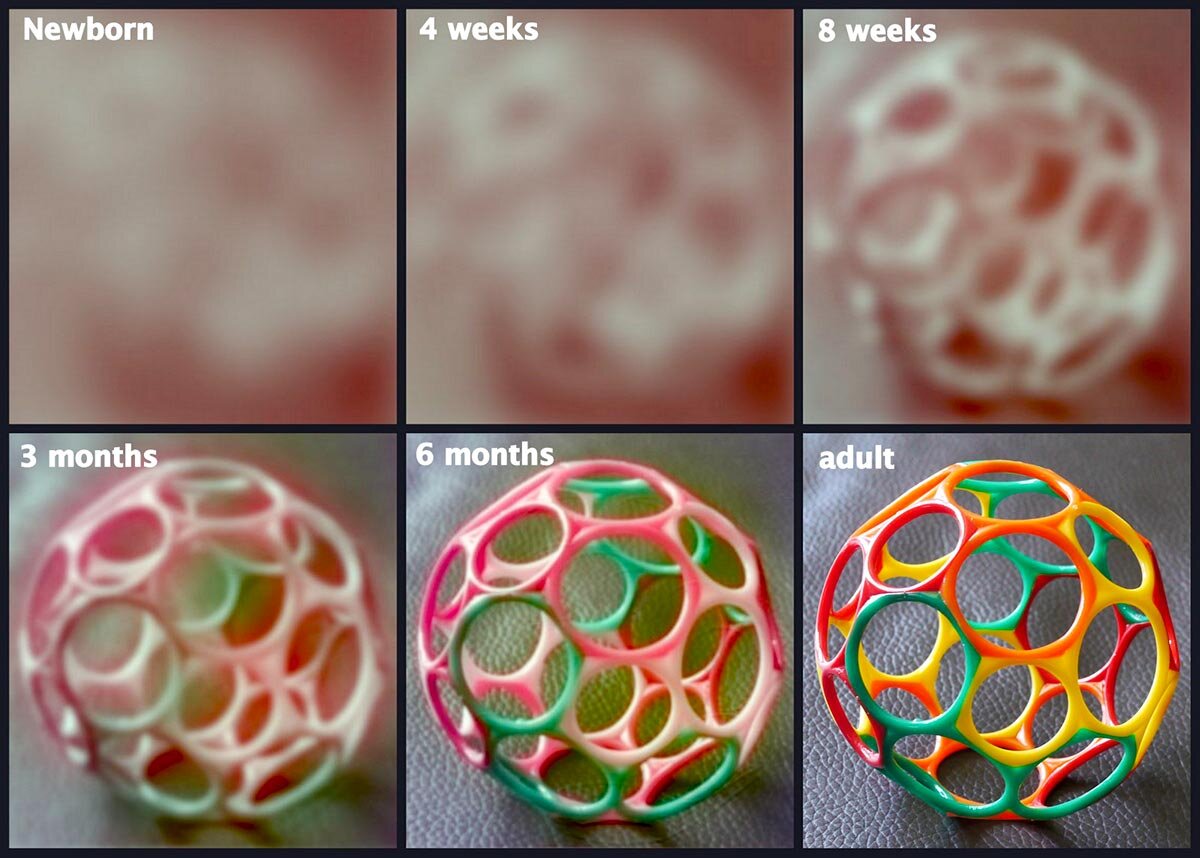
At about six to eight weeks, babies begin to see some colors. Red is often the first color they notice. Yellow and blue follow soon after. Green may appear later as their eyes improve. These colors help babies explore their surroundings.
Why High-contrast Colors Matter
High-contrast colors like black and white are easy for babies to see. These patterns help their eyes focus and track objects. Bright colors like red and yellow also draw their attention. Toys and books with these colors support vision growth.
Credit: www.spectacleoptometry.com
Impact Of Nursery Colors
Nursery colors play a big role in a baby’s early visual experience. Babies start to see some colors by two months old. Bright and bold colors catch their attention the most. Soft pastels are harder for them to notice at first.
Choosing the right colors in a nursery can help stimulate a baby’s vision. Colors like red, yellow, and blue stand out and encourage focus. These colors can also make the room feel lively and welcoming.
How Colors Affect Baby’s Visual Development
Bright colors help babies practice seeing and recognizing hues. They learn to tell colors apart by looking at contrasting shades. High-contrast colors, such as black and white, also support early vision skills.
Strong colors create a visual playground that supports brain growth. Babies use their eyes and brain together to make sense of the world. Nursery colors can make this learning easier and more fun.
Choosing The Best Colors For A Nursery
Pick colors that are easy for babies to see. Red, yellow, and blue are excellent choices. These colors stand out and hold a baby’s attention longer. Avoid soft pastel shades until the baby’s vision is stronger.
Mix bright colors with high-contrast patterns for more stimulation. Stripes, polka dots, or simple shapes in black and white work well. These patterns help babies focus and track objects with their eyes.
Creating A Stimulating And Calming Environment
Bright colors can excite and engage a baby’s senses. Use these colors on toys, wall art, or mobiles. Soft colors in other parts of the room can help balance the mood. A mix of stimulation and calm helps babies feel safe.
Changing colors and patterns as your baby grows keeps their interest. As their vision improves, they will notice more shades and details. This gradual change supports healthy visual development over time.
Common Vision Challenges
Babies’ vision develops rapidly but can face some common challenges. Understanding these helps parents support healthy sight growth. Early vision issues may affect how babies see colors and shapes.
Newborns often have blurry vision and limited color detection. Their eyes and brain need time to connect and improve seeing ability. Some babies may struggle more than others.
Delayed Color Perception
Some infants take longer to see colors clearly. This delay can be normal but might need monitoring. Babies usually start seeing bright colors by two months. If color recognition is slow, check with a pediatrician.
Focus And Tracking Difficulties
Newborns may find it hard to focus on objects or follow moving items. This challenge can affect how they recognize colors. Simple toys with bold colors and slow movement help improve focus and tracking skills.
Eye Alignment Issues
Crossed or wandering eyes are common vision problems in babies. This can disrupt color perception and depth understanding. Early eye exams can detect these issues and guide treatment if needed.
Light Sensitivity
Some babies are sensitive to bright light, causing discomfort or turning away. This may limit their ability to explore colors in bright environments. Soft lighting and shaded areas support better visual comfort.
Tracking Vision Milestones
Babies’ vision develops quickly after birth. Tracking milestones helps understand how they begin to see the world.
Vision starts blurry. Colors appear as shades of gray at first. Over weeks, babies start to notice bright colors and shapes.
Early Color Recognition
By two months, babies begin to see bright, high-contrast colors. Red, yellow, and blue stand out most to them. They can tell these colors apart better than pastels.
Some babies may also notice green if it contrasts well with other colors. This stage is crucial for their color vision growth.
How Vision Changes Over Time
At three to four months, babies see more colors clearly. They start to recognize softer shades and more complex patterns. Their eyes and brain work together better now.
This progress helps with hand-eye coordination and recognizing familiar faces and objects.
Supporting Your Baby’s Vision
Bright toys and books help babies learn colors. Choose items in red, yellow, and blue for easier recognition. High-contrast patterns like black and white also attract their attention.
Regular playtime with colorful objects encourages stronger vision skills. Watching their reactions can show what colors they prefer.

Credit: www.visionlearncenter.com
Frequently Asked Questions
What Color Do Babies See At 2 Months?
At 2 months, babies see bright, high-contrast colors like red, yellow, and blue. They start distinguishing some shades of green. Their vision favors bold primary colors and high-contrast patterns. Pastel and subtle tones remain difficult for them to recognize at this stage.
How Far Can A 3 Week Old See?
A 3-week-old baby can see about 8 to 15 inches away, focusing best on faces and high-contrast objects.
Which Is The First Color A Baby Sees?
Newborns first see high-contrast colors, especially red. By two months, they distinguish red, yellow, and blue clearly.
Do Babies See The World In Black And White?
Babies do not see the world only in black and white. At birth, they see high-contrast patterns best. By two months, they begin distinguishing bright colors like red, yellow, and blue. Their color vision gradually improves as their eyes develop during early infancy.
When Do Babies Start Seeing Colors Clearly?
Babies begin to see bright colors like red, yellow, and blue at about two months old.
Which Colors Can Babies See First?
Red, yellow, and blue are the first colors babies can usually distinguish.
How Does A Baby’s Color Vision Develop?
Color vision improves gradually, starting with bright primary colors and later pastel shades.
Can Newborns See All Colors At Birth?
No, newborns see mostly shades of gray and some high-contrast colors.
Why Do Babies Prefer High-contrast Colors?
High-contrast colors like black and white are easier for babies to notice and focus on.
When Do Babies Recognize More Colors Beyond Primary Ones?
Around four to six months, babies start to recognize green and more shades.
Conclusion
Babies start seeing colors around two months old. They notice bright colors like red, yellow, and blue first. Their vision improves slowly over time. High-contrast patterns attract their attention and help learning. Parents can support vision by offering colorful toys and books.
As babies grow, they recognize more colors and shades. Watching this progress is exciting and important. Color vision helps babies explore and understand their world. Keep encouraging their sight with simple, bright visuals every day.