Are you ready to unlock the secret to creating the perfect shade of brown? Whether you’re painting a masterpiece, decorating your home, or simply curious about color mixing, knowing how to make brown gives you endless creative possibilities.
Brown isn’t just one color—it’s a rich, warm tone that you can customize to fit your style and needs. In this guide, you’ll discover easy and practical ways to mix colors and achieve the exact brown you want. Keep reading, and by the end, you’ll feel confident mixing your own beautiful browns every time.
Basic Color Mixes For Brown
Brown is a unique color that you can create by mixing other colors. It is not a primary color but a combination of different hues. Understanding basic color mixes helps you make the perfect shade of brown for your project. This section explains simple ways to mix colors to get brown.
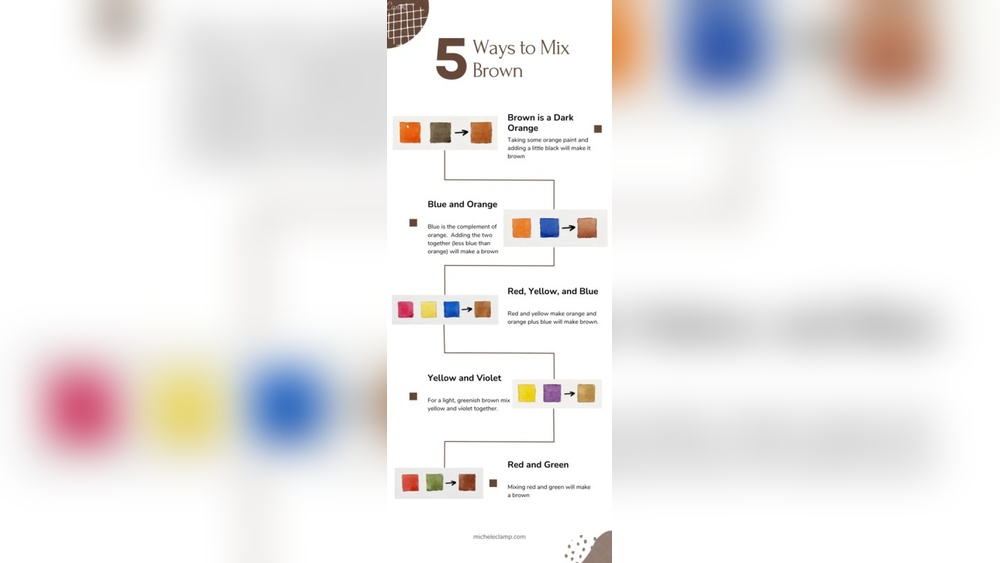
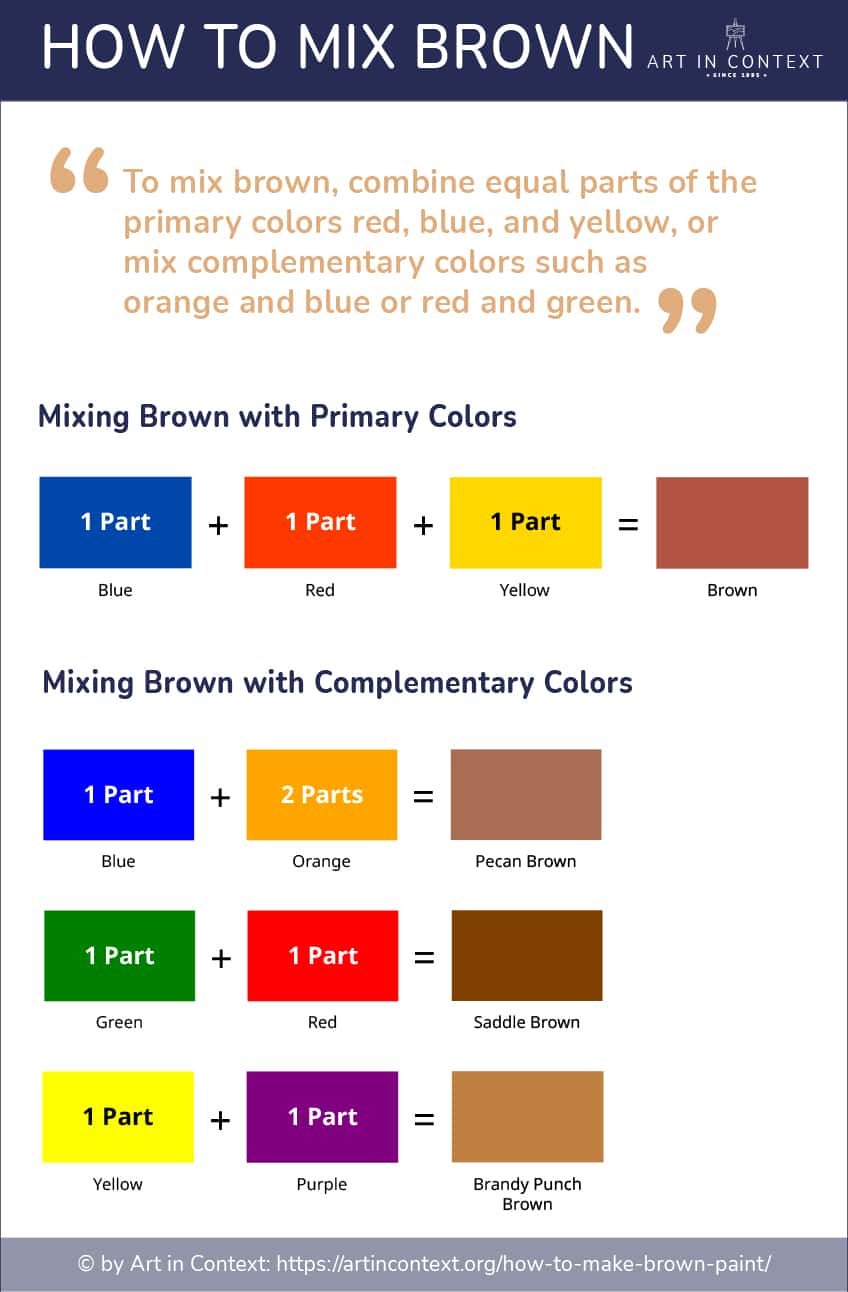
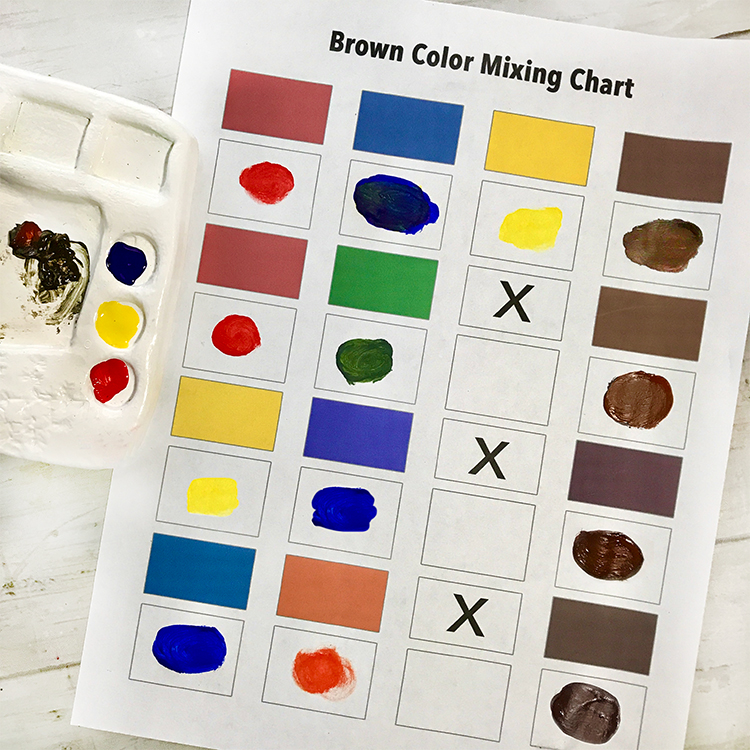
Complementary colors are pairs that sit opposite each other on the color wheel. Mixing these pairs creates brown. For example, blue and orange make a brown with a greenish tone. Red and green create a deep, rich brown. Yellow and purple mix into a warm brown with a slight yellow tint. Experiment with these pairs to find your favorite brown shade.
Using The Three Primary Colors
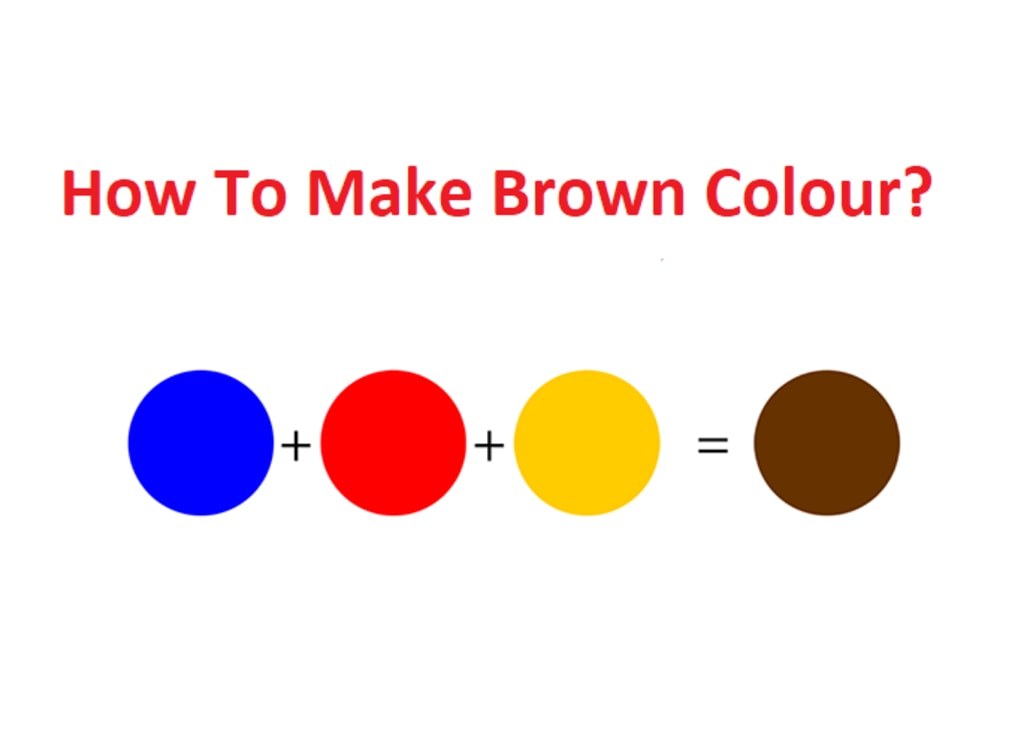
Combine red, yellow, and blue to make brown. Start with equal parts of each color. Adjust the amounts to change the brown’s warmth or darkness. More red makes it warmer. More blue makes it cooler. This mix gives you a balanced, neutral brown.
Adjusting Brown With Other Colors
You can change brown’s look by adding small amounts of other colors. Adding white lightens brown to a tan or beige. Black darkens brown for a chocolate shade. Adding yellow can create a golden brown, while red makes it richer. Use these tweaks to create browns for any purpose.
Using Primary Colors
Using primary colors to make brown is a simple and effective method. Primary colors include red, yellow, and blue. By mixing these colors, you can create a wide range of brown shades. This technique works because combining all three primary colors balances their hues, producing brown.
Start with equal parts of red, yellow, and blue. Mix them well to see the basic brown color. Adjust the amounts to change the shade and tone. More red will give a warmer brown. Adding more blue results in a cooler brown.
Mixing Equal Parts Of Red, Yellow, And Blue
Take equal amounts of red, yellow, and blue paint. Stir them together thoroughly. This mix creates a neutral brown color. It looks natural and earthy. This is the easiest way to get brown from primary colors.
Adjusting The Shade Of Brown
Change the amount of each color to alter the brown. For a warm brown, add more red or yellow. For a cool brown, add more blue. Use small amounts to avoid drastic changes. Keep mixing until you get the desired shade.
Using Red, Yellow, And Blue To Create Different Browns
Mixing different ratios of red, yellow, and blue creates many brown variations. More yellow makes a lighter, golden brown. More blue creates a darker, muted brown. Experiment with small amounts to find your perfect brown.
Mixing Complementary Colors
Mixing complementary colors is a simple way to create the color brown. Complementary colors sit opposite each other on the color wheel. When combined, they neutralize each other and produce a rich, earthy brown.
Using complementary colors offers control over the shade and warmth of the brown. You can create different browns by adjusting the amount of each color. This technique is popular in painting and design for its versatility and ease.
What Are Complementary Colors?
Complementary colors are pairs of colors that contrast strongly. Examples include blue and orange, red and green, and yellow and purple. Mixing these pairs balances the colors, resulting in brown shades.
Mixing Blue And Orange
Blue and orange create a brown with a slight green undertone. Start by mixing equal parts of both colors. Adjust the ratio to make the brown cooler or warmer. Adding more blue cools the brown, while more orange warms it.
Mixing Red And Green
Red and green combine to form a deep, rich brown. Use a balanced amount of red and green paint. Changing the green shade affects the brown’s tone. Dark green gives a darker brown, while lighter green softens it.
Mixing Yellow And Purple
Yellow and purple produce a warm brown with a yellowish tint. Mix small amounts of purple into yellow to control the shade. More purple darkens the brown, while more yellow brightens it. This mix is great for warm, sunny browns.
Adjusting Brown Shades
Adjusting brown shades lets you create many different tones for your artwork. Brown is versatile. It can be warm, cool, dark, or light. By changing the mix of colors, you control the shade and mood.
Small changes in color balance affect the final brown shade. This section shows simple ways to adjust brown shades with easy color tweaks. Understanding these tips improves your color mixing skills.
Using More Red For Warm Browns
Add more red to your brown mix to make it warmer. Red gives brown a rich, earthy feel. Warm browns work well in autumn scenes and natural themes. Try mixing red with yellow and blue in small amounts. Adjust slowly to avoid making the brown too bright.
Adding Blue For Cooler Browns
Mix a little blue into your brown to cool it down. Blue tones create a soft, muted brown. Cool browns suit shadows and backgrounds. Be careful with blue; too much can turn the brown gray or black. Start with a drop and blend well.
Lightening Brown With White
Add white paint to lighten brown shades. White creates softer, pastel browns. Light brown colors are good for skin tones and soft textures. Add white little by little. Mixing thoroughly ensures even color without streaks.
Darkening Brown With Black Or Dark Blue
To darken brown, add black or dark blue. Black deepens the shade but can dull it if overused. Dark blue keeps the color rich and vibrant. Use tiny amounts of black or dark blue. Mix well to keep the brown balanced and avoid overpowering it.
Changing Brown Tone With Yellow
Adding yellow shifts brown towards a golden tone. Yellow brightens brown and gives it warmth. This shade fits sunny, bright scenes. Use yellow carefully to keep the brown natural. Mix slowly and test the color often.
Creating Warm Browns
Creating warm browns adds a cozy and rich feel to your artwork or designs. Warm browns carry hints of red, orange, or yellow. These undertones make the color inviting and lively. You can achieve this by mixing specific colors carefully.
Mixing Red And Yellow For Warmth
Start by blending red and yellow to get an orange base. Then add a small amount of blue to darken the shade. This mix creates a brown with warm, reddish tones. Adjust the red or yellow to make the brown warmer or lighter.
Adding Orange For A Vibrant Brown
Orange enhances the warmth of brown. Mix equal parts of red and yellow to make orange first. Combine this orange with blue or a bit of green to get brown. More orange creates a brighter and warmer brown shade.
Using Yellow To Brighten Brown
Yellow lightens and warms the brown color. After making a basic brown from primary colors, add yellow slowly. This shifts the brown towards a golden or amber hue. It feels cheerful and soft, perfect for natural themes.
Credit: artincontext.org
Making Cool Browns
Making cool browns adds depth and mood to your artwork. Cool browns have a subtle blue, green, or gray undertone. These shades feel calm and natural. They work well in shadows and backgrounds. Learning how to mix cool browns helps you create balanced colors.
Mixing Blue And Orange For Cool Brown
Start with equal parts of blue and orange paint. Blue cools down the warmth of orange. This blend creates a brown with a slight greenish tint. Adjust the amount of blue to cool the brown further. Add a little white to lighten the color without warming it.
Using Red And Green To Make Cool Brown
Mix red and green in small amounts. Green adds a cool, earthy tone to the red. This mix results in a deep, rich brown shade. Add more green to make the brown cooler. Use this brown for natural elements like trees or soil.
Creating Cool Brown With Yellow And Purple
Combine yellow and purple for a subtle cool brown. Purple cools the brightness of yellow. The result is a soft brown with a grayish hue. Increase the purple to deepen the coolness. This brown works well in muted or shadowed areas.
Lightening Brown Tones
Lightening brown tones helps create softer and more delicate shades. It makes brown colors appear brighter and less intense. This technique is useful in painting, design, and coloring projects. Understanding how to lighten brown can improve your color mixing skills and results.
Adding White To Brown
White paint or color lightens brown effectively. Mix small amounts of white with brown paint. Adding white makes the brown softer and paler. Be careful not to add too much white at once. Mix gradually to reach the desired lightness. This method works best for pastel and muted brown tones.
Using Yellow To Lighten Brown
Yellow can brighten brown without losing warmth. Mix yellow with brown in small amounts. It creates a warm, light brown shade. Yellow adds a golden glow to the brown. This mix is great for natural and earthy colors. Adjust the yellow to avoid an overly bright tone.
Mixing Brown With Light Beige
Light beige tones soften brown without strong contrast. Add beige paint or color to brown gently. It creates a neutral, creamy brown shade. Beige helps keep the brown subtle and natural. This mix works well for skin tones and backgrounds. Blend slowly to maintain smooth color transition.
Darkening Brown Shades
Darkening brown shades adds depth and richness to your color palette. It helps create more natural and varied tones for art or design projects. Dark brown can bring warmth and sophistication to your work.
To darken brown, you need to add colors that reduce brightness without changing the brown hue too much. This process requires careful mixing to keep the shade balanced and appealing.
Adding Black To Darken Brown
Black is the most common color to darken brown. Add it slowly in small amounts. Too much black can make brown look dull or muddy. Mix well after each addition to see the true shade.
Using black helps create deep chocolate or espresso browns. It works best for shadows or rich backgrounds in paintings.
Using Dark Blue For Cooler Browns
Dark blue can darken brown without making it gray. It adds a cool tone to the brown color. This method is useful for natural scenes like trees or soil.
Add dark blue bit by bit. Mix thoroughly to avoid overpowering the brown. This mix keeps the color lively and complex.
Mixing Dark Red To Warm Up Brown
Dark red adds depth and warmth to brown shades. It helps create reddish or mahogany brown tones. This approach suits warm and cozy designs.
Start with a small amount of dark red. Stir well and check the color. Adjust slowly until you get the desired darkness and warmth.
Common Mistakes To Avoid
Mixing the color brown seems simple but many make common mistakes. These errors can result in unwanted shades or dull colors. Understanding these pitfalls helps create the perfect brown every time.
Careful color mixing and attention to detail avoid frustration and wasted paint. Here are some mistakes to watch out for when making brown.
Using Too Much Of One Color
Adding too much red, yellow, or blue creates an uneven brown. The color may lean too warm or too cool. Use small amounts and mix gradually for balance.
Not Mixing Complementary Colors Properly
Brown needs complementary colors like blue and orange or red and green. Using colors that clash or do not complement will not make brown. Learn which colors pair well for a true brown.
Ignoring Paint Consistency
Thick or thin paint affects color outcome. Thick paint can look darker, thin paint lighter. Keep paint consistency steady for accurate color mixing.
Skipping Testing On Paper
Mixing brown directly on canvas risks mistakes. Test colors on scrap paper first. This shows the true tone before applying on your project.
Overmixing Colors
Mixing colors too long may create a muddy brown. Stop mixing once the desired shade appears. Overmixing dulls the vibrancy of the color.
Credit: thegraphicsfairy.com
Using Brown In Art And Design
Brown is a versatile color in art and design. It often represents earth, warmth, and stability. Artists use brown to create natural and realistic images. Designers apply brown to add depth and comfort to their work.
Brown works well as a background or accent color. It pairs nicely with many other colors. This makes brown a popular choice for many creative projects.
Creating Mood With Brown
Brown sets a calm and cozy mood. It reminds people of wood, soil, and nature. This color often gives a feeling of safety and reliability. Artists use brown to make scenes feel grounded and real.
Using Brown In Different Art Styles
Brown suits many art styles. It works well in realistic paintings like landscapes and portraits. In abstract art, brown can add warmth and balance. It also fits well in vintage and rustic designs.
Combining Brown With Other Colors
Brown blends easily with many colors. It looks great with greens, blues, and warm tones like orange and yellow. Using different shades of brown creates texture and interest. This helps designs feel rich and layered.
Brown In Interior Design
Brown is common in interior design. It brings warmth to rooms and pairs well with natural materials like wood and leather. Brown tones make spaces feel inviting and comfortable. Designers use it to create timeless and elegant interiors.
Credit: vocal.media
Frequently Asked Questions
What Two Colors Make Brown?
Mix brown by combining two complementary colors: blue and orange, red and green, or yellow and purple. Mixing all three primary colors—red, yellow, and blue—also creates brown. Adjust ratios to get different shades.
What Is The Brown Mix?
The brown mix is a color created by combining complementary colors like blue and orange, or mixing the three primary colors: red, yellow, and blue. Adjusting the ratios changes its shade.
How To Make Real Brown Color?
Mix two complementary colors like blue and orange, red and green, or yellow and purple. Alternatively, mix all three primary colors—red, yellow, and blue—to create a natural brown shade. Adjust ratios to get your desired tone.
Do Black And Yellow Make Brown?
Black and yellow do not make brown. Brown forms by mixing complementary colors or all three primaries, not black and yellow.
What Colors Do I Mix To Make Brown Paint?
Mix equal parts of red, yellow, and blue to get a basic brown color.
Can I Make Brown Using Only Two Colors?
Yes, combine complementary colors like blue and orange to create brown.
How Does Mixing Primary Colors Create Brown?
Red, yellow, and blue mixed together absorb light, resulting in brown.
What Is The Easiest Way To Make Brown?
Mix red and green or blue and orange for quick brown shades.
How To Make A Warm Brown Shade?
Add more yellow or red to your brown mix for warmth.
How To Make A Dark Brown Color?
Add a bit of blue or black to your brown mixture.
Conclusion
Making brown is simple with the right color pairs. Mix blue with orange, red with green, or yellow with purple. Using all three primary colors—red, yellow, and blue—also works well. Adjust the amounts to find your perfect shade. Adding white can lighten the brown if needed.
Experimenting helps you see how colors change. Now, you can create brown easily for any art or project. Keep practicing and enjoy mixing colors!