
Want to create a deep, rich black color with your food coloring but don’t know where to start? Whether you’re decorating cakes, cookies, or cupcakes, getting the perfect black shade can be tricky.
You might think black food coloring is hard to achieve or that it requires a special bottle, but you can actually mix your own using simple colors you already have. In this guide, you’ll learn easy and effective ways to make true black food coloring at home.
By the end, you’ll have all the tips you need to create stunning, bold black hues that make your treats stand out. Ready to get started? Let’s dive in!
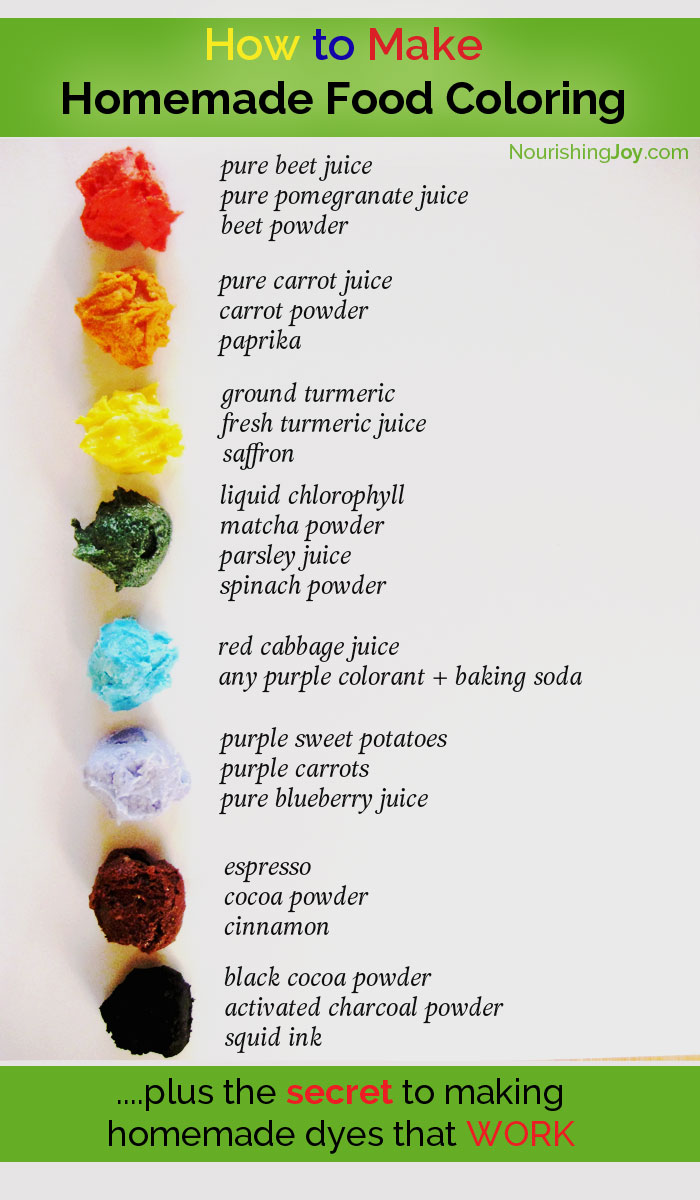
Credit: nourishingjoy.com
Primary Colors For Black
Creating black food coloring starts with the primary colors. These are red, blue, and yellow. When mixed in the right way, they form black or a very dark color.
Using the primary colors gives you control over the shade of black. You can make it warmer or cooler by adjusting the amounts. This method works well for homemade food coloring.
Understanding Red, Blue, And Yellow
Red, blue, and yellow are the base colors. Each color adds a unique tone to the mix. Red warms up the black, blue cools it, and yellow adds depth.
How To Mix Primary Colors For Black
Start with equal parts of red, blue, and yellow. Mix them thoroughly until the color darkens. Adjust the amounts to get the perfect black shade.
Troubleshooting Color Imbalance
If the mix looks muddy or too dark, add a bit more of one color. A touch of red can warm the color, blue cools it, and yellow brightens it slightly.

Credit: www.wikihow.com
Mixing Red, Blue, And Green
Mixing red, blue, and green food coloring is a simple way to create black color at home. These three colors are primary in light theory and combine to absorb most light. The result is a dark shade that looks close to black.
Start by adding equal parts of red, blue, and green into a small bowl. Use gel or liquid food coloring for easy mixing. Stir the colors well until the mixture looks uniform. This base mixture will look dark but may not be pure black yet.
Adjusting The Color Balance
After mixing equal parts, check the shade carefully. You might see a dark brown or muddy color instead of true black. Add a few extra drops of red to deepen the tone. If the mix becomes too warm, add small amounts of blue or green to cool it down. Adjust slowly to avoid over-darkening.
Testing The Black Food Coloring
Test the color on a white surface like a plate or paper. Let it dry slightly to see the true shade. If it appears dull or gray, add more color carefully. Keep testing and adjusting until you achieve the perfect black shade for your recipe.
Tips For Best Results
Use gel food coloring for stronger, richer colors. Mix colors in a small amount of frosting or icing for better control. Stir thoroughly to avoid streaks. Store unused black coloring in an airtight container to keep it fresh.
Adjusting Color Balance
Adjusting the color balance is key to creating a true black with food coloring. Simple mixtures can look muddy or dark gray. Small changes in amounts of each color make a big difference.
Start with equal parts of red, blue, and green food coloring. Mix them well. This blend forms a base close to black but often looks dull or off.
Adding More Red For Warmth
Adding a bit more red can warm up the black color. This helps remove any green or bluish tint. Use small drops of red and mix thoroughly.
Balancing With Green Or Blue
If the black looks too warm, add a drop of green or blue. This cools the tone and deepens the black shade. Adjust slowly to avoid turning the mix dark green or purple.
Testing And Fine-tuning
Test the color on a white surface to see the true shade. Let it sit for a few minutes as colors may change. Keep adjusting by adding tiny amounts of each color until the perfect black appears.
Using Gel Vs Liquid Coloring
Choosing between gel and liquid food coloring affects the way you make black color. Each type offers different results in intensity, texture, and ease of use. Understanding these differences helps achieve the perfect black shade for your food creations.
What Is Gel Food Coloring?
Gel food coloring has a thick, concentrated texture. It contains more pigment and less water than liquid coloring. This makes the color richer and more vibrant. A small amount goes a long way. It does not change the consistency of your frosting or batter much.
What Is Liquid Food Coloring?
Liquid food coloring is thin and watery. It spreads easily but is less concentrated than gel. You may need more drops to get a dark color. Using too much can thin your icing or dough. It works best in recipes where extra liquid is not a problem.
How Gel Coloring Affects Black Color
Gel colors give a deep, strong black quickly. They blend well with thick mixtures like frosting. Gel helps avoid a runny texture. The color stays true and does not fade after baking. It is ideal for icing and fondant.
How Liquid Coloring Affects Black Color
Liquid coloring can make black color but may need more drops. It can thin your mix if used too much. The black might look lighter or less even. Good for thin batters or drinks. Not best for thick frostings or dough.
Incorporating Black Cocoa Powder
Using black cocoa powder is a smart way to get a deep black color in your food. It adds richness and a natural dark tone. This method works well for recipes needing both color and flavor, like cakes and frostings.
Black cocoa powder differs from regular cocoa. It is heavily Dutch-processed, which gives it a very dark color and less bitterness. It mixes smoothly into batters and icings, making the black color more intense.
Choosing The Right Black Cocoa Powder
Select high-quality black cocoa powder for best results. Look for products labeled “black cocoa” or “Dutch-processed cocoa.” These offer a richer, darker color than natural cocoa powder. Avoid regular cocoa powder, which is lighter and may not give the desired black shade.
How To Use Black Cocoa Powder For Coloring
Start by adding black cocoa powder to your recipe. Use it as a base for batters or frostings. Mix it well to spread the color evenly. Adjust the amount to reach your preferred black tone. A small amount gives a subtle dark color; more powder creates a bold black.
Combining Black Cocoa Powder With Food Coloring
For an even darker black, mix black cocoa powder with dark food coloring. Use gel or liquid food coloring for easy blending. Add a few drops of black or blue food coloring to the cocoa powder mixture. This combination enhances the depth of black and improves color uniformity.
Combining Cocoa With Food Coloring
Combining cocoa with food coloring creates a rich, deep black shade perfect for desserts. Cocoa adds natural darkness and texture. It enhances the color and flavor simultaneously. This method works well for frostings, cakes, and doughs.
Using cocoa powder reduces the amount of artificial dye needed. It also prevents colors from looking dull or gray. The result is a smooth, vibrant black with a hint of chocolate.
Choosing The Right Cocoa Powder
Use black cocoa powder for the darkest color. It has a strong, almost black hue. Regular cocoa powder creates a softer brown tone. Pick unsweetened cocoa to avoid changing sweetness levels.
Mixing Cocoa With Food Coloring
Start by adding cocoa powder to your batter or frosting. Stir well to combine. Add black or dark food coloring drop by drop. Mix thoroughly after each addition. This helps achieve a consistent black shade.
Adjusting Color Intensity
Add more cocoa for a deeper chocolate flavor and darker color. Add more food coloring for a pure black without changing taste. Test the color under good light to see true results.
Tips For Best Results
Mix cocoa powder into wet ingredients first. This avoids clumps and uneven color. Use gel or paste food coloring for stronger color. Powdered coloring may not blend well with cocoa.
Natural Alternatives For Black
Natural alternatives for black food coloring offer a safe and simple way to achieve dark hues. These options come from plants and spices. They add color without artificial chemicals. Many cooks prefer them for health reasons or to avoid synthetic dyes.
These natural ingredients can create rich black tones. They work well in baking and cooking. Some add unique flavors along with color. Others provide a deep, neutral black shade.
Activated Charcoal PowderActivated charcoal powder is a popular natural black colorant. It comes from coconut shells or wood. A small amount adds a deep black color. It blends easily into frostings and batters. Use food-grade charcoal to ensure safety. Avoid using too much to prevent a gritty texture.
Black Cocoa PowderBlack cocoa powder is a dark, Dutch-processed cocoa. It creates a strong black color. It works well in chocolate recipes. Adding it to frosting or dough darkens the mix. It also adds a rich chocolate taste. Use it as a natural black substitute in desserts.
Squid InkSquid ink is a natural black food coloring used in savory dishes. It provides a deep black shade and a salty flavor. Common in pasta, rice, and sauces. Use sparingly to avoid overpowering taste. It is a unique option for seafood dishes.
Black Sesame PasteBlack sesame paste offers both color and flavor. It has a dark gray to black hue. Works well in Asian desserts and baked goods. Adds a nutty taste along with color. Mix it into dough, icing, or batter for a natural tint.
Common Mistakes To Avoid
Making black food coloring can be tricky. Many try but end up with dark brown or muddy colors. Avoiding common mistakes helps achieve a true black shade. Understanding these errors will save time and ingredients.
Using Only One Color
Black cannot be made with a single color. It requires mixing multiple colors. Relying on just blue or red will not produce black. Use a combination of red, blue, and green food coloring for the best results.
Adding Too Much Color At Once
Adding too much dye can overwhelm the mixture. It causes uneven color and affects taste. Add colors gradually, mixing well after each addition. This helps control the shade and avoid waste.
Ignoring The Base Ingredient
The base you mix colors into matters. Using white frosting or batter works best. Darker bases can change the final color. Always start with a light-colored base for true black results.
Skipping The Test Sample Step
Not testing small samples wastes ingredients. Mix a small amount first to check the color. Adjust with more dye or base until the desired black is achieved. This prevents large batch mistakes.
Using Low-quality Food Coloring
Cheap or old food coloring may not mix well. It can produce dull or uneven black tones. Use good-quality gel or liquid food colors. They blend smoothly and give richer blacks.
Tips For Darker Buttercream
Making darker buttercream can be tricky but very rewarding. The right shade of black enhances cake designs and makes details pop. Simple tricks help deepen the color without ruining the texture or taste. These tips ensure your buttercream looks rich and smooth.
Use quality food coloring and adjust slowly. Too much liquid can make the buttercream runny. Patience and small steps lead to the perfect dark shade.
Use Gel Or Paste Food Coloring
Gel or paste food colorings are stronger than liquid ones. They add deep color without thinning the buttercream. A little goes a long way. Start with a small amount and mix well before adding more.
Add Cocoa Powder For Depth
Cocoa powder adds a natural dark tint and rich flavor. Use unsweetened cocoa to avoid extra sweetness. Mix it well into your buttercream. It helps create a deeper, chocolatey black shade.
Mix Primary Colors Carefully
Combine red, blue, and green gels to make black. Use equal parts at first. Add a bit more red or blue to adjust the tone. Mix slowly to avoid over-coloring.
Chill Buttercream Before Coloring
Cold buttercream holds color better. Chill it for 20-30 minutes before adding color. This step helps the food coloring blend evenly and keeps the texture firm.
Use Small Amounts And Layer
Add color in small doses. Mix fully after each addition. Layering color prevents over-darkening and controls the shade. Stop when you reach the desired black.

Credit: www.lilaloa.com
Storage And Shelf Life
Proper storage is key to keeping homemade black food coloring fresh and effective. Knowing how long it lasts helps avoid waste and keeps your recipes tasting great. Store the mixture carefully to maintain color quality and prevent spoilage.
Storage Tips For Black Food Coloring
Use a clean, airtight container to store your black food coloring. Glass jars or plastic bottles with tight lids work well. Keep the container in a cool, dark place away from sunlight. Avoid storing near heat sources or in the fridge door.
Label the container with the date you made the coloring. This helps track freshness and decide when to replace it.
Shelf Life Of Homemade Black Food Coloring
Homemade black food coloring usually lasts about 1 to 2 weeks at room temperature. If stored in the refrigerator, it can last up to 1 month. Check the color and smell before use. Discard it if you see mold, changes in color, or a bad odor.
Signs Your Black Food Coloring Has Gone Bad
Look for signs like separation, clumps, or an off smell. These mean the coloring has spoiled. Also, if the color fades or changes, it may not work well in recipes. Always test a small amount before using large quantities.
Frequently Asked Questions
What Food Coloring Colors Make Black?
Mix equal parts red, blue, and green food coloring to create black. Adjust by adding more red and a little green or blue. Use gel or paste food coloring for best results. Alternatively, mix black cocoa powder with a small amount of dark food coloring for a chocolate black.
What Colors Do You Mix To Make Black?
Mix equal parts of red, blue, and green food coloring to make black. Adjust with more red or green for a deeper shade. Using gel or paste colors gives better results than liquid. Alternatively, combine black cocoa powder with dark food coloring for a chocolate-black tint.
How To Make Black Food Coloring Ratio?
Mix equal parts red, blue, and green food coloring. Add extra red and a little green or blue to deepen black. Use gel or paste colors for best results. Adjust drops to correct hue until you get a true black shade.
How To Achieve Black Color In Icing?
Mix equal parts red, blue, and green gel food coloring. Add extra red and a bit of green or blue to deepen black. Use black cocoa powder for a chocolate flavor and richer black shade. Avoid liquid colors to prevent runny icing.
What Colors Mix To Make Black Food Coloring?
Mix equal parts of red, blue, and green food coloring for black.
Can I Use Gel Food Coloring To Make Black?
Yes, gel food coloring works well and gives a rich black color.
How To Adjust Color For A Deeper Black Shade?
Add more red and a little green or blue to darken the mix.
Is Black Cocoa Powder Useful For Making Black Color?
Yes, black cocoa powder creates a natural dark black shade.
Can I Make Black Food Coloring Without Buying Black Dye?
Mix primary colors (red, blue, green) in the right ratio at home.
How Long Does Homemade Black Food Coloring Last?
Store in a sealed container; it lasts for several weeks in the fridge.
Conclusion
Making black food coloring at home is simple and fun. Mix red, blue, and green in equal parts first. Then add more red and a little green or blue to get a true black shade. Using gel or paste colors helps achieve a richer black.
Test your mix on a small amount before using it fully. This way, you control the color and avoid wasting food coloring. Try this method for your baking and decorating needs. Enjoy creating perfect black hues easily and confidently!