
Painting a car is a process that can vary widely in time. Factors like the type of paint job and the condition of the vehicle play a crucial role.
If you’re wondering how long it takes to paint a car, the answer isn’t straightforward. A basic paint job may take just a few days, while a complete overhaul could stretch into several weeks. Car painting involves multiple stages, including preparation, priming, and painting itself.
Each step requires careful attention to detail. If the car needs repairs, this will add more time to the project. Understanding these factors can help you plan better. In this blog post, we will explore the timeline for different types of car paint jobs and what you can expect during the process.
Credit: elmersautobody.com
Factors Influencing Painting Time
Painting a car can vary greatly in time due to several factors. Key elements include the size of the vehicle, the type of paint used, and the amount of prep work needed. A simple paint job may take a few days, while more complex jobs could extend to several weeks.
Painting a car is not just about slapping on a new coat of color. The time it takes can vary significantly based on several factors. Understanding these factors will help you gauge how long the process might take for your specific situation. Let’s break down the main influences on painting time.Extent Of Bodywork Required
The amount of bodywork needed plays a crucial role in determining the overall painting time. If your car has dents, scratches, or rust, you’ll need to spend extra time repairing these issues before applying paint.Minor repairs might only add a few hours to your timeline, while extensive bodywork could stretch the project to days or even weeks. I once had a vehicle that needed significant dent removal. What seemed like a quick paint job turned into a month-long project due to the repairs required.Consider how much prep work your car needs. Are you looking at just a simple touch-up, or do you have a full restoration in mind? Knowing the extent of repairs can help you set realistic expectations.Size And Type Of Vehicle
The size and type of your vehicle can also affect painting time. Smaller cars typically require less time than larger vehicles like SUVs or trucks. For example, painting a compact car might take a few days, while a full-size truck could take over a week.Additionally, the complexity of the vehicle’s design matters. Cars with intricate curves or multiple colors may require more attention and additional layers of paint.Think about your vehicle’s features. Does it have a lot of trim or specialized parts? The more details involved, the longer the painting process will take.By considering these factors, you can better plan your car painting project and manage your expectations. How much time are you willing to invest in getting your car back to its prime?
Credit: valleycollision.com
Preparation Process
Painting a car involves several steps that can influence the total time needed. Basic jobs may take a few days, while extensive work can stretch to weeks. Factors like prep work, car size, and paint type play a significant role in the overall timeline.
The preparation process is crucial when painting a car. It sets the foundation for a smooth and professional finish. Skipping steps or rushing through this phase can lead to poor results, which you definitely want to avoid. Here’s a breakdown of the essential steps involved in preparing your car for a fresh coat of paint.Sanding And Cleaning The Surface
Sanding is the first step in the preparation process. It removes old paint and helps create a rough surface for the new paint to adhere to. Start with a coarse sandpaper to eliminate imperfections, then gradually move to finer grits for a smooth finish.Cleaning follows sanding. Use a degreaser to remove dust, dirt, and grease from the surface. This step is vital because any residue can ruin the paint job. When I painted my old sedan, I spent extra time on this part, and it made all the difference in the end.Are you considering painting your car yourself? Remember that thorough sanding and cleaning can save you time and frustration during the painting phase. It’s a step you don’t want to overlook.Masking And Taping Non-painted Areas
Masking and taping is your next critical step. Use painter’s tape and plastic sheeting to cover areas you don’t want to paint, like windows, tires, and trim. This prevents paint from getting on surfaces where it doesn’t belong, ensuring clean lines.Pay attention to the edges when taping. A small mistake here can lead to a messy finish. I learned this the hard way during my first DIY paint job, where I ended up with paint splatters in all the wrong places.Before you start painting, double-check your masking. A little extra time spent here can save you hours of touch-ups later. Are you ready to see your car transformed? Proper preparation makes all the difference!Priming Stage
The priming stage is crucial in the car painting process. It prepares the surface for the final paint. Proper priming enhances adhesion. It also helps achieve a smooth finish. This stage involves several steps that require attention.
Applying The Primer Coat
Start by cleaning the car’s surface. Remove dirt, grease, and any previous paint. Use a suitable primer based on the surface type. Spray the primer evenly across the entire area. Aim for thin, even layers. This helps avoid drips and runs.
Allow the primer to settle. A well-applied primer ensures better paint adhesion. It also provides a uniform base for the topcoat. Always follow the manufacturer’s instructions for best results.
Drying Time Considerations
Drying time varies based on the primer used. Some primers dry quickly, while others take longer. Factors like temperature and humidity play a role. Generally, allow at least 30 minutes before applying the next coat.
For best results, check the primer’s label. It will provide specific drying times. Ensure the primer is fully dry before sanding. This avoids damaging the surface.
Painting The Vehicle
Painting a vehicle involves several careful steps. Each step is important for a smooth and lasting finish. Understanding these steps helps you know what to expect. Let’s dive into the details.
Base Coat Application
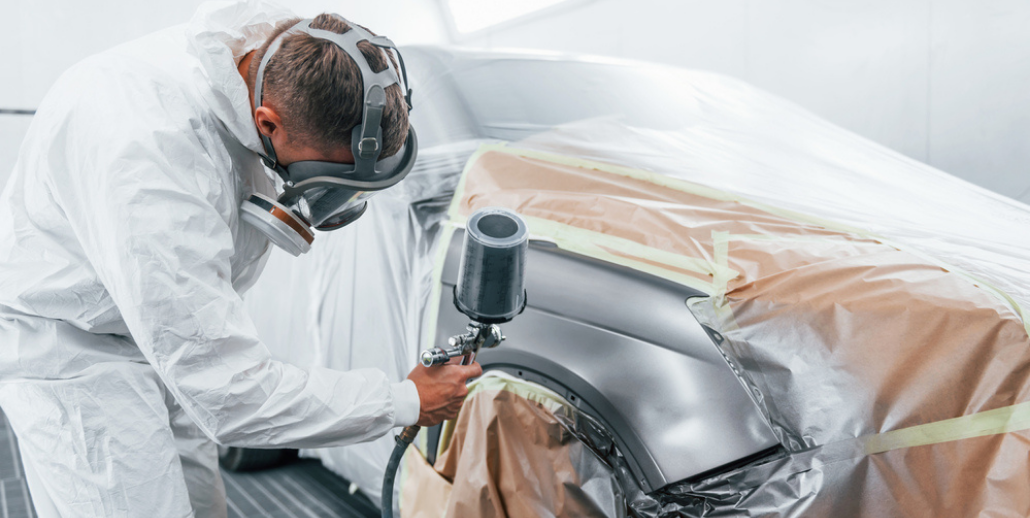
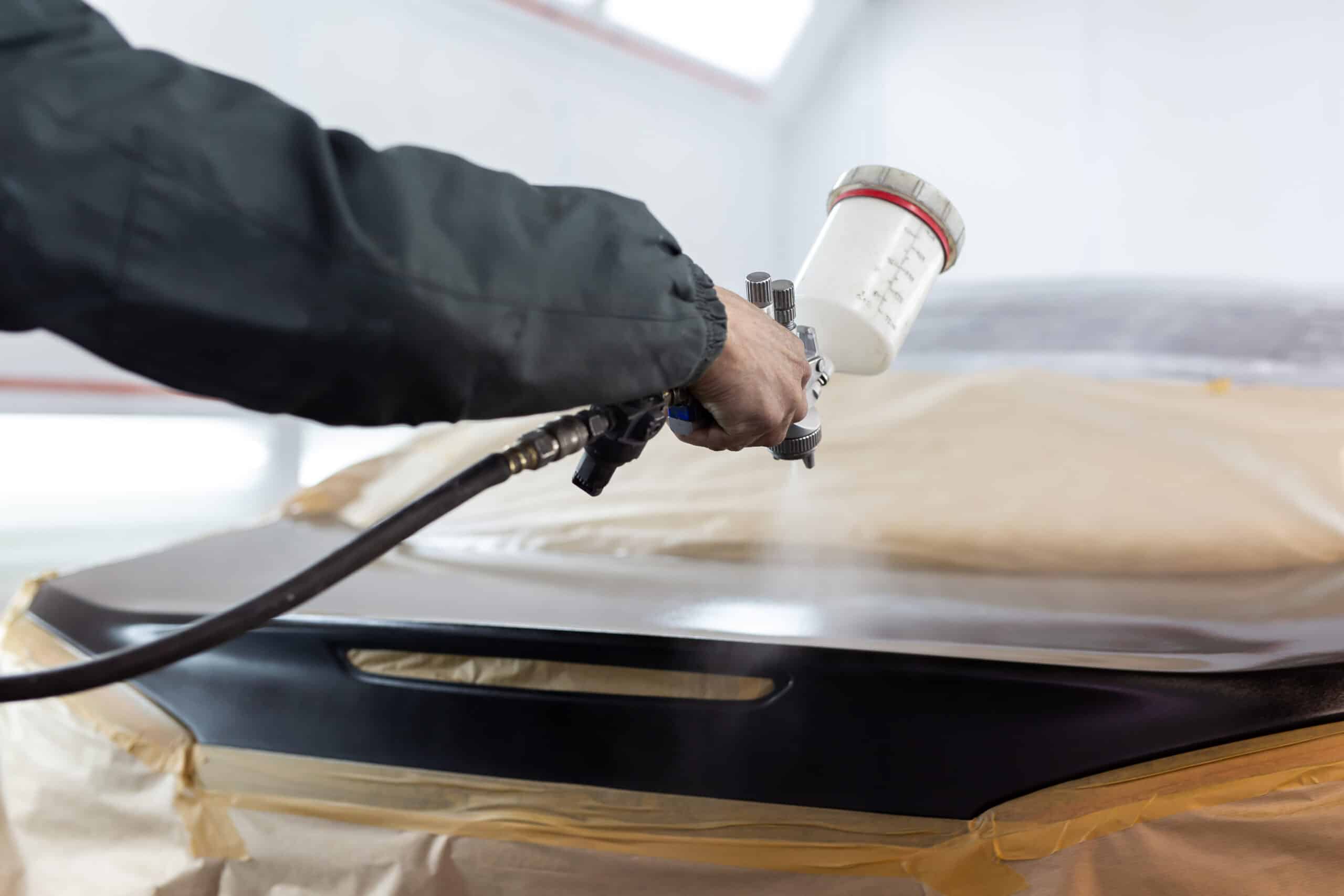
The first step in painting is applying the base coat. This layer provides the main color. A skilled technician will spray the base coat evenly. They use professional equipment for a smooth finish.
Timing is crucial during this stage. The base coat usually dries quickly, but it needs time to cure. Proper curing ensures the paint adheres well to the surface. This process can take a few hours.
Multiple Layers For Full Coverage
After the base coat, multiple layers are necessary. Each layer adds depth and vibrancy. Technicians often apply two to three layers for full coverage. This ensures no spots are missed and the color is consistent.
Each layer requires drying time. Technicians wait between applications for the best results. This careful layering process can take additional hours. Patience is key for a perfect finish.
Clear Coat Finishing
Clear coat finishing is the final step in painting a car. It adds a protective layer on top of the paint. This layer enhances the car’s shine. It also helps to protect against scratches and fading. Proper application of the clear coat is crucial. It ensures the paint job lasts longer and looks great.
Adding Protection And Shine
The clear coat provides essential protection for the paint below. It guards against UV rays, dirt, and debris. This layer helps maintain the vibrant color of the paint. A glossy finish can elevate the car’s overall look. A high-quality clear coat can last for years with proper care.
Curing And Drying Duration
After applying the clear coat, patience is vital. Curing time can vary based on the environment. Generally, clear coats take about 24 hours to dry. However, complete curing may take several days. Humidity and temperature can affect drying times significantly. Following the manufacturer’s guidelines helps ensure the best results.
Environmental Impact
The environmental impact of painting a car is a critical aspect that often goes unnoticed. You may not realize that the choices you make during the painting process can affect not just the quality of the finish but also the surrounding environment. Understanding how factors like weather, humidity, and temperature control in paint booths play a role can help you make more informed decisions.
Weather And Humidity Factors
Weather conditions can significantly influence the painting process. High humidity can lead to moisture getting trapped in the paint, which may cause bubbling or peeling. If you’ve ever painted outdoors, you might have seen how a sudden rain shower ruined your hard work.
On the flip side, low humidity can be just as problematic. It can lead to rapid drying, preventing the paint from adhering properly. Keeping an eye on the local weather forecast is essential to avoid these pitfalls. Are you willing to wait for the right conditions to ensure a quality finish?
Temperature Control In Paint Booths
Temperature plays a crucial role in the paint application process. Paint booths are often equipped with climate control systems to maintain optimal conditions. A stable temperature ensures that paint cures correctly and adheres well.
For instance, if you’ve ever worked in a too-cold environment, you might have noticed that the paint doesn’t spread evenly. This can lead to unsightly patches and an uneven finish. Maintaining the right temperature not only improves the paint job but also reduces the environmental footprint by minimizing waste.
So, the next time you consider painting your car, think about how you can optimize these environmental factors. Your choices can have a lasting impact on both your vehicle and the planet.
Post-paint Maintenance
After painting a car, proper maintenance is crucial. This ensures the new paint lasts. Simple steps can protect the finish. It helps maintain the car’s appearance.
Avoiding Washing For Initial Weeks
Do not wash the car for at least two weeks. The paint needs time to cure. Washing too early can damage the finish. Wait for the paint to fully harden. This process typically takes about 30 days.
Keep the car away from harsh weather. Rain and sun can affect the new paint. It is best to park in a garage or shaded area.
Protecting The New Paint Job
Use a high-quality wax after the paint cures. Waxing protects against dirt and scratches. It also adds a nice shine to the paint. Choose a wax that is safe for new paint.
Avoid using automatic car washes. Brushes can scratch the surface. Hand washing is the safest method. Use a soft cloth and gentle soap.
Consider a paint protection film. This adds an extra layer of defense. It can help prevent chips and scratches.
Regularly inspect the paint for any issues. Early detection can save time and money. Address any problems quickly to keep the car looking great.
Tips To Minimize Downtime
Minimizing downtime during a car paint job is essential. You want your vehicle back quickly. Here are some practical tips to help speed up the process.
Choosing The Right Auto Body Shop
Select an experienced auto body shop. Look for shops with good reviews. Ask friends or family for recommendations. Check their portfolio of past work.
Make sure they have the right equipment. Modern tools can speed up the job. A shop with skilled workers will finish faster. Get a written estimate before starting the work.
Planning For Quick Turnaround
Communicate your timeline to the shop. Let them know you need your car back soon. Schedule your paint job during less busy times.
Prepare your vehicle before dropping it off. Remove personal items and clean it thoroughly. This saves time for the shop.
Be flexible with your color choice. Some colors take longer to mix. Choosing a common color can reduce wait times.
Consider a simpler paint job. Full restorations take longer. A basic respray can often be completed faster.

Credit: globalcollisioncenters.com
Frequently Asked Questions
How Long Does It Take To Properly Paint A Car?
Painting a car typically takes a few days to several weeks. Factors include the extent of preparation, the car’s size, and job complexity. A basic respray may require less time, while a complete repaint with repairs will take longer. Proper planning ensures a quality finish.
Can A Car Be Painted In One Day?
Painting a car in one day is generally not feasible. Most jobs require extensive prep work and drying time. A basic respray may take a few days, while more complex jobs can extend to weeks. Always consult with professionals for accurate timelines based on your specific needs.
How Long After A Car Is Painted Can You Drive It?
You can typically drive a car 24 to 48 hours after painting. This allows the paint to cure enough for safe use. However, avoid washing the car for at least two weeks to protect the finish. Always consult with your painter for specific guidance.
Why Does Painting A Car Take So Long?
Painting a car takes time due to several factors. Extensive prep work, size, and complexity of the job significantly affect the duration. Basic resprays may take a few days, while full repaints with repairs can extend to several weeks. Proper drying and curing times also contribute to the overall process.
Conclusion
Painting a car requires careful planning and execution. Time frames vary greatly. Simple jobs can be done in a few days. More complex jobs may take several weeks. Always consider preparation, size, and paint type. Each factor plays a key role in the total time.
Understanding these elements helps set realistic expectations. Whether you do it yourself or hire a professional, patience is essential. A quality paint job improves your car’s appearance and value. Take your time for the best results. Enjoy your freshly painted car when it’s finally done.