
Adhesive residue on car paint can be a frustrating problem. It often appears after removing stickers, decals, or tape.
Fortunately, you can safely remove it with the right techniques. In this guide, you will learn how to remove adhesive from car paint effectively. Adhesive can damage your car’s finish if not handled properly. Using incorrect methods may scratch or harm the paint.
Knowing how to tackle this issue will keep your vehicle looking its best. From household items to specialized products, various solutions exist to help you. Follow simple steps to ensure you restore your car’s appearance without causing damage. Let’s explore the best methods to clean that sticky mess from your vehicle.
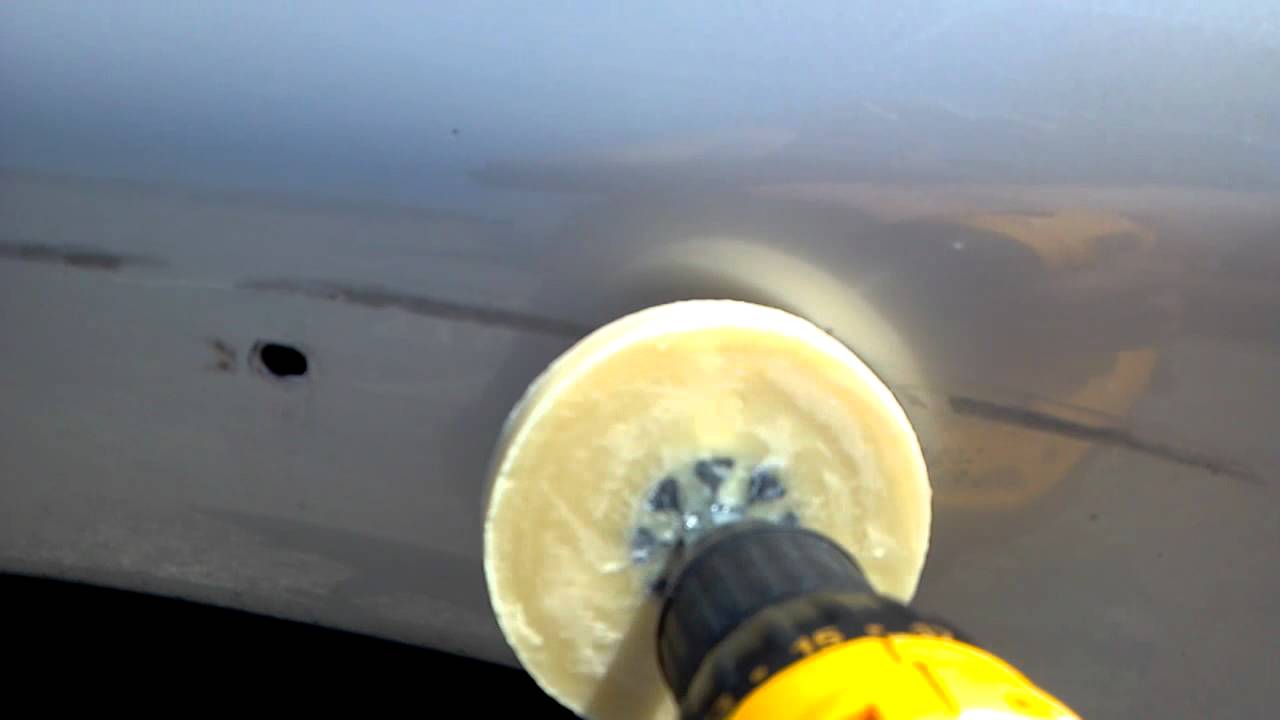
Credit: www.youtube.com
Preparation Steps
Removing adhesive from car paint requires careful preparation. Start by gathering necessary tools, like a hairdryer, plastic scraper, and adhesive remover. Ensure the car is clean and parked in a shaded area to prevent damage while working on the adhesive.
Removing adhesive from your car paint can seem daunting, but proper preparation can make the process easier and more effective. Getting ready involves gathering the right tools and creating a safe workspace. Let’s break down these preparation steps to ensure you’re set for success.Gather Necessary Tools
Start by collecting all the tools you will need. This will save you time and frustration during the removal process.- Plastic scraper: This is essential for gently lifting the adhesive without scratching the paint.
- Heat source: A hairdryer works well to soften the adhesive. Avoid using high heat settings to prevent damage.
- Adhesive remover: Look for an automotive-specific product. Always follow the instructions on the label.
- Soft cloths: Use these for wiping away residue after the adhesive has been removed.
- Protective gloves: These will keep your hands safe from chemicals and sticky substances.
Choose A Safe Workspace
Selecting the right location is crucial. You want a space that protects your car and ensures you can work comfortably.– Shade or indoors: Avoid direct sunlight to prevent the adhesive remover from drying too quickly. – Well-ventilated area: This is important for safety, especially when using chemical products. Open windows or work outside if possible. – Flat surface: Ensure your vehicle is parked on a flat area to make handling easier.Taking these steps may seem simple, but they set the stage for a successful removal. Have you thought about how much easier tasks become with a little planning?The right preparation can turn a potentially messy job into a straightforward process. With everything in place, you’re ready to tackle that adhesive!Softening The Adhesive
Softening the adhesive is the first step in removing it from car paint. Heat helps to break down the adhesive’s grip. This makes it easier to scrape off. Using the right technique is key. You want to avoid damaging the paint underneath.
Use Heat Effectively
Heat can be your best friend in this process. A hairdryer is a common tool for this task. Set it to low heat and hold it a few inches away. Move the dryer in a circular motion. This warms the adhesive evenly. Do not overheat the paint. Too much heat can cause damage.
Test The Surface Temperature
Before applying heat, check the surface temperature. Touch the area to ensure it is warm, not hot. You want it warm enough to soften the adhesive. A good rule is to keep it below 140°F. This keeps the paint safe while helping the adhesive release.
Scraping Techniques
Removing adhesive from car paint can be done safely with the right techniques. Start by using heat to soften the adhesive, then gently scrape it away with a plastic scraper. For tough spots, an automotive adhesive remover can help, making cleanup easier without damaging the paint.
Removing adhesive from car paint can be a delicate process. However, with the right scraping techniques, you can restore your vehicle’s appearance without damaging the surface. Here’s how to approach this task effectively.Select The Right Scraper
Choosing the correct scraper is crucial. Opt for a plastic scraper instead of metal to avoid scratching your car’s paint.Plastic scrapers are gentle yet effective. They provide the right balance of firmness and flexibility, making it easier to remove adhesive without causing damage.If you don’t have a plastic scraper, you can use an old credit card or a similar item. Just ensure it’s not too sharp.Apply Gentle Pressure
When scraping, apply gentle pressure. Start at one corner of the adhesive and work your way across.Using too much force can lead to scratches or dents in the paint. Instead, let the scraper do the work.Make sure to keep the scraper at a slight angle. This technique helps lift the adhesive without harming the underlying paint.It’s surprising how much patience pays off. Sometimes, taking your time can yield better results than rushing the process.Have you ever had a stubborn adhesive that wouldn’t budge? Remember that persistence is key. Scrape slowly and steadily for the best outcome.Using Adhesive Removers
Removing adhesive from car paint can be simple. Start by applying heat with a hairdryer to soften the glue. Then, use a plastic scraper to gently lift it off. For tough spots, an automotive adhesive remover can help. Apply it as directed, and wipe away the residue with a clean cloth.
Using adhesive removers can be an effective way to tackle stubborn sticky residues on your car paint. Whether you’ve just removed a decal or are dealing with old adhesive left behind, knowing how to use these products correctly is key to preserving your vehicle’s finish. Here’s how to go about it effectively.Pick A Car-safe Product
Choosing the right adhesive remover is crucial. Not all products are created equal, and some can damage your car’s paint.Look for options specifically designed for automotive use. Brands like Goo Gone or 3M offer products that are both effective and safe for car paint. Always read the label to ensure it’s safe for your specific finish.Have you ever tried a product that worked wonders on your friend’s car but left yours looking dull? It’s all about compatibility.Follow Application Guidelines
Once you have your adhesive remover, follow the application instructions carefully. Start by applying the product to a small, inconspicuous area. This ensures it won’t cause any unexpected damage.Apply the remover generously over the adhesive, allowing it to sit for the recommended time. This step is vital, as it allows the product to penetrate and soften the adhesive for easier removal.After waiting, use a soft cloth or plastic scraper to gently lift the adhesive away. Avoid using metal scrapers, as they can scratch your paint.If the adhesive is still stubborn, don’t hesitate to reapply the remover and give it more time. Patience is key here—sometimes, a second application is all it takes.Have you ever had a sticky residue ruin your car’s appearance? This simple process can help restore its beauty without the need for expensive fixes.Alternative Diy Methods
Removing adhesive from car paint can be simple with the right methods. Try using heat to soften the glue, then gently scrape it off. For tough spots, consider using automotive adhesive remover for better results. Always use safe tools to avoid damaging the paint.
Removing adhesive from car paint can be tricky. However, there are some alternative DIY methods that can make the job easier and safer for your vehicle’s finish. These methods utilize common household items, saving you time and money while ensuring your car stays looking pristine.Use Household Oils
Household oils can be surprisingly effective for removing adhesive residue. Oils like olive oil, coconut oil, or even baby oil can penetrate the sticky substance, softening it for easier removal.Start by applying a small amount of oil to a clean cloth. Gently rub it over the adhesive, allowing it to sit for a few minutes. This extra time helps break down the glue.Once the adhesive has softened, use a plastic scraper to lift it away carefully. You might need to repeat this process a couple of times for stubborn spots. Have you ever used oil for a different purpose around your home? You might be surprised at how versatile it can be!Try Vinegar Or Alcohol
Vinegar and rubbing alcohol are excellent alternatives for tackling adhesive residues. Both are known for their solvent properties, making them effective in breaking down sticky substances.To use vinegar, soak a cloth in white vinegar and place it over the adhesive for a few minutes. The acidity of the vinegar helps dissolve the glue. Afterward, wipe the area with a clean cloth to remove the adhesive.For rubbing alcohol, dampen a cloth and gently rub the adhesive until it begins to lift. This method is particularly useful for smaller or harder-to-reach areas. Have you ever tried using these items for cleaning? It’s amazing how they can tackle various tasks around the house!
Credit: www.carparts.com
Cleaning The Residue
Removing adhesive from car paint requires careful steps. Start by softening the adhesive with heat from a hairdryer. Then, gently scrape it off using a plastic scraper. For tougher residue, apply an automotive adhesive remover, letting it sit before wiping clean with a cloth.
Cleaning off adhesive residue from your car’s paint requires a careful touch. It’s not just about removing the sticky stuff, but also ensuring you maintain the integrity of your vehicle’s finish. After you’ve successfully scraped off the bulk of the adhesive, the next step is to clean the residue thoroughly. This will help restore your car’s shine and protect the paint underneath.Wipe With A Clean Cloth
Start by grabbing a clean, soft cloth. Microfiber works best as it’s gentle on the paint. Dampen the cloth with a bit of water or a mild automotive cleaner.Gently wipe the area where the adhesive was. This action helps lift any remaining residue. Be patient and avoid scrubbing too hard, as this could scratch your paint.If you find that the residue is stubborn, you might want to use a bit of rubbing alcohol or adhesive remover. Apply a small amount directly onto the cloth. Then, wipe the area again, making sure to work in circles to avoid streaks.Rinse And Inspect The Area
After you’ve wiped the area clean, it’s time to rinse. Use a hose or a bucket of clean water to rinse off any cleaning solution or loosened debris.Inspect the area closely. Is there any leftover residue? If so, you may need to repeat the cleaning process.Taking the time to ensure the area is spotless will prevent future issues and keep your car looking its best. A clean finish not only enhances appearance but also protects your paint from wear and tear. Are you ready to give your car the care it deserves?Protecting The Paint
Removing adhesive from car paint requires care. Start by applying heat with a hairdryer to soften the glue. Use a plastic scraper to gently lift it away, ensuring you don’t scratch the surface. For tough spots, an automotive adhesive remover can help, making the process easier.
Protecting your car’s paint is essential, especially after removing adhesive. The last thing you want is to damage the finish while trying to restore your vehicle’s appearance. A few simple steps can ensure that your car’s paint remains in pristine condition after tackling that stubborn adhesive.Apply Wax Or Sealant
Once you’ve successfully removed the adhesive, it’s crucial to apply wax or sealant to the affected area. This step creates a protective barrier against environmental elements.Choose a high-quality car wax or sealant that suits your car’s finish.Apply it using a soft microfiber cloth, ensuring even coverage.Not only does this enhance the shine, but it also helps prevent future damage.Think about how often your car is exposed to dirt, UV rays, and other contaminants. Wouldn’t you want to keep it looking its best?Check For Scratches Or Damage
After you’ve waxed or sealed the area, inspect it closely for any scratches or damage. Look for signs of wear that might have occurred during the adhesive removal process.If you find scratches, consider using a scratch repair kit specifically designed for automotive paint.These kits can effectively minimize the appearance of minor scratches and restore the shine.Have you ever noticed how a tiny scratch can become more noticeable over time? Addressing them early can save you from larger problems later.Taking these protective steps not only maintains your car’s aesthetic but also adds value. Your car deserves the best care, so why not invest in its protection?

Credit: www.youtube.com
Tips For Stubborn Adhesive
Removing stubborn adhesive from car paint can be frustrating. Certain adhesives cling tightly, making them hard to remove. Follow these tips to tackle those tough spots effectively.
Repeat The Process
Sometimes, one attempt isn’t enough. Apply heat again to soften the adhesive. Use a hairdryer on low to warm the area. This makes the adhesive easier to scrape off.
After heating, gently scrape with a plastic scraper. If some residue remains, reapply the adhesive remover. Patience is key. Repeat until all adhesive is gone.
Seek Professional Assistance
If stubborn adhesive still lingers, consider professional help. Detailers have special tools and products. They can safely remove adhesive without harming your car’s paint.
Professionals can also give advice on future adhesive applications. This can help prevent damage to your car’s finish. Don’t hesitate to reach out for expert assistance.
Frequently Asked Questions
How Do You Remove Adhesive From A Car Without Damaging Paint?
To remove adhesive from a car without damaging paint, apply heat using a hairdryer to soften the glue. Use a plastic scraper to gently lift the adhesive. For stubborn residue, dampen a cloth with rubbing alcohol or an automotive adhesive remover, then wipe away the remnants carefully.
Will Wd-40 Remove Adhesive From Car Paint?
WD-40 can effectively remove adhesive from car paint. Spray it on the adhesive, let it sit briefly, and then wipe away with a clean cloth. Always test on a small area first to ensure it doesn’t damage the paint. Use caution to avoid oversaturation.
How Do You Remove Adhesive Without Removing Paint?
To remove adhesive without damaging paint, apply heat using a hairdryer to soften it. Use a plastic scraper to gently lift the adhesive. For residue, dab a cloth in rubbing alcohol or a solvent-based remover, wiping it clean. Always test products on a hidden area first.
Will Acetone Ruin Car Paint?
Acetone can damage car paint by causing it to dull or strip away the finish. It’s best to avoid using acetone directly on painted surfaces. Instead, opt for automotive-specific adhesive removers designed to be safe for car paint. Always test any product on a small, inconspicuous area first.
Conclusion
Removing adhesive from car paint can be simple and effective. Use the right tools and techniques for the best results. Always start with heat to soften the adhesive. This makes it easier to scrape off. For tough spots, an automotive adhesive remover works wonders.
Take your time and be gentle to avoid damaging the paint. With patience, your car can look as good as new. Follow these steps, and you’ll successfully restore your vehicle’s finish. Enjoy your clean, adhesive-free paint!