Have you ever wondered how to make the color red? It’s a question that might seem simple at first, but when you dive deeper, you realize it’s not as straightforward as mixing two colors.
If you’re an artist, designer, or just curious about colors, understanding how red works can unlock a whole new level of creativity for you. You’ll discover why red is unique, how it behaves in different color systems, and the secrets to creating stunning shades and tones of red that can bring your projects to life.
Ready to find out how to make red and master its vibrant power? Let’s get started!
Primary Red And Color Models
Understanding primary red and color models is key to making red. Red is unique in color theory. It cannot be made by mixing other colors in most cases.
Different color models treat red differently. Each model has its own rules and uses. These models explain how red appears in art, printing, and digital screens.
Primary Red In Traditional Color Theory
Red is a primary color in traditional paint mixing. It means you cannot make red by mixing other paints. Blue and yellow mix to make green, but red stands alone.
Artists start with pure red pigment to create reds. They then add other colors to change its shade or tone. Red is the foundation of many color palettes.
Red In The Cmyk Color Model
The CMYK model is used for printing. It uses cyan, magenta, yellow, and black inks. In this model, red is not primary.
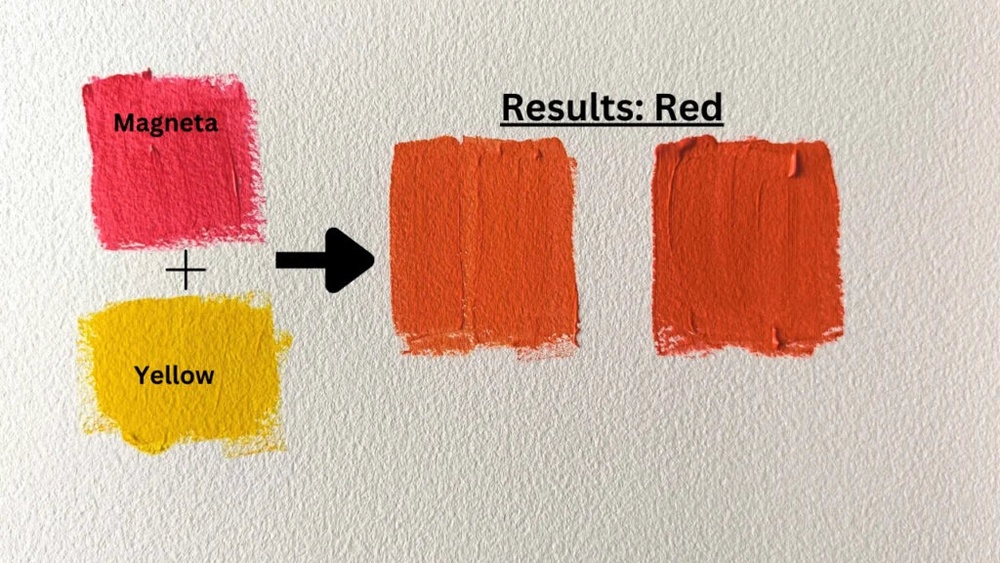
You can create red by mixing magenta and yellow ink. This mix produces vibrant reds for printed materials. Printers rely on this process to show reds on paper.
Red In The Rgb Color Model
The RGB model uses red, green, and blue light. It is common for screens and digital displays. Here, red is a primary color.
RGB red cannot be made by mixing other colors of light. It is one of the three main colors that combine to form all other colors on screens.
Credit: trembelingart.com
Why Red Can’t Be Mixed
Red is unique among colors. It belongs to the group called primary colors. Primary colors cannot be made by mixing other colors. This is why you cannot create red by blending paints or pigments.
Many people ask if mixing certain colors can produce red. The simple answer is no in painting and light. Red stands alone as a base color. You must start with red itself to get any shade of red.
Understanding Red As A Primary Color
Red is one of the three primary colors in art. The other two are blue and yellow. These colors form the foundation for all other hues. Since red is primary, it cannot be formed by mixing other paints.
This rule applies in traditional painting and pigment mixing. You can combine red with other colors to make new shades. But you cannot make pure red by mixing two colors together.
Exceptions In Printing And Light Models
Printing uses a different color system called CMYK. This system uses cyan, magenta, yellow, and black inks. In CMYK, red can be created by mixing magenta and yellow.
On screens, color works with light in the RGB model. Red is a primary light color. It cannot be mixed from other lights. It comes from a pure red light source.
How To Create Different Shades Of Red
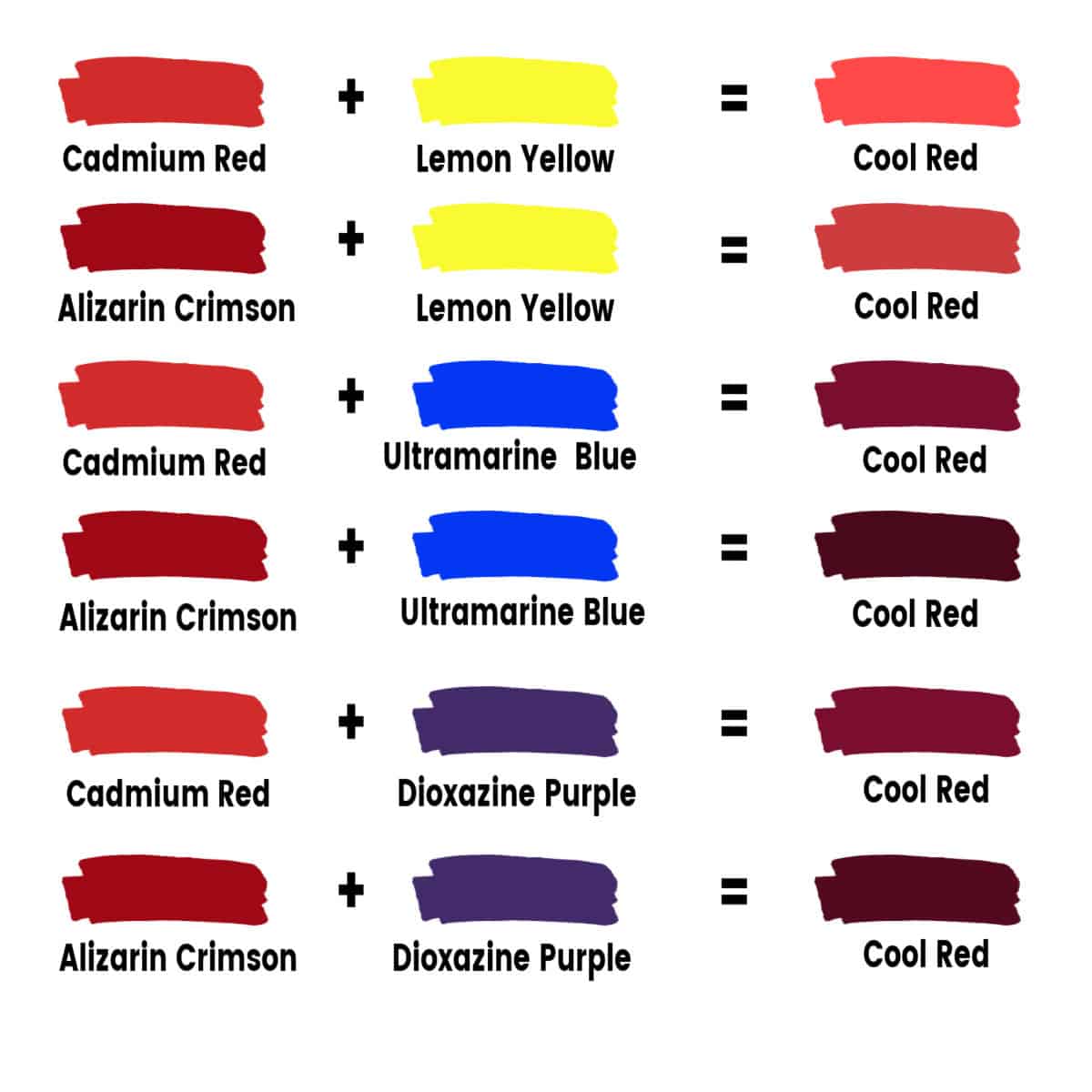
While you cannot mix red itself, you can change its tone and shade. Add a little yellow to red for a warm, orange-red. Add blue for a cooler, deeper red.
Mixing these colors with pure red alters the shade but not the base color. This technique helps artists expand their red palette without losing red’s essence.
Creating Red In Printing
Creating red in printing uses a different approach than painting. Printers do not use red ink directly. Instead, they mix other colors to produce red. This process relies on the CMYK color model. CMYK stands for cyan, magenta, yellow, and black. By mixing magenta and yellow inks, printers create the color red.
The red produced in printing can vary in tone and brightness. Adjusting the ratio of magenta and yellow changes the shade. More magenta results in a deeper red. More yellow creates a brighter, warmer red. This method allows printers to produce a wide range of red colors for different designs.
Understanding The Cmyk Color Model
Printing uses the CMYK model, not RGB. CMYK is subtractive, meaning inks absorb light. Magenta and yellow inks overlap to form red. Cyan and black inks add other colors and depth. Mixing these inks in varying amounts creates many colors.
Mixing Magenta And Yellow For Red
Magenta and yellow are the key inks for making red. Equal parts of magenta and yellow make a pure red. Changing the balance shifts the shade. More yellow creates an orange-red. More magenta leads to a purple-red. This flexibility helps match specific reds in printing.
Adjusting Red Shades In Printing
Printers adjust red by varying ink density. Adding black ink darkens the red. Using less ink makes the red lighter. This control allows for precise color matching. It ensures printed reds appear consistent on paper.
Red In Digital Light
Red in digital light works differently than with paint. Screens use light to create colors. This method is called the RGB color model. RGB stands for Red, Green, and Blue. These three colors combine in various ways to make all other colors.
Red is one of the three primary colors in the RGB system. It cannot be made by mixing other colors of light. Instead, red is created by shining pure red light. The screen controls the brightness of red light to show different shades.
How Rgb Creates Red
In the RGB system, red appears when the red light is at full brightness. Green and blue lights stay off. This produces pure red on your screen. Adjusting the brightness changes the red’s intensity. Lower brightness makes a darker red.
Combining Red With Other Colors Of Light
Mixing red light with green or blue creates new colors. For example, red plus green makes yellow. Red plus blue makes magenta. When all three colors shine equally, the screen shows white. This is different from mixing paint colors.
Why Red Cannot Be Mixed In Digital Light
Red is a primary color in the RGB model. You cannot create it by mixing other colors of light. This makes red unique. The screen must have red light to display red color. Without red light, you cannot see red on digital devices.
Mixing Warmer Reds
Mixing warmer reds creates vibrant and rich tones that feel energetic and bright. Warmer reds lean toward orange or yellow hues, giving a cozy and lively impression. These reds are perfect for designs needing warmth and passion.
To mix warmer reds, start with a pure red base. Then, add small amounts of yellow or orange to shift the tone. This process brightens the red and adds warmth without losing its intensity.
Using Yellow To Warm Up Red
Adding yellow to red pushes the color toward orange. Use a little yellow at a time. Too much yellow can change the red into orange completely. This mix gives a glowing, sunny red tone.
Incorporating Orange For Richer Reds
Mixing orange with red deepens the warmth. Orange adds a subtle glow and creates a bold red shade. This mix works well for autumn-themed art or warm lighting effects.
Balancing With A Touch Of Brown
A tiny bit of brown softens bright red. It gives a natural, earthy warmth. Use brown carefully, as it can dull the red if added excessively. This mix suits rustic or vintage designs.
Mixing Cooler Reds
Mixing cooler reds involves adjusting the tone of pure red to create shades that feel calm or slightly bluish. Cooler reds have a subtle blue or purple tint. These reds appear less fiery and more muted than warm reds.
To achieve cooler reds, start with a bright red base. Then, add small amounts of blue or violet paint. Mixing in blue tones down the warmth and creates a soft, cool red. This technique helps produce rich, deep reds that work well in landscapes and portraits.
Using Blue To Cool Down Red
Add a tiny bit of blue paint to red. Mix slowly and check the color often. Too much blue can turn the mix purple. The goal is a balanced cooler red, not purple or violet. This method is simple and effective for adjusting red tones.
Adding Violet For A Softer Cool Red
Violet contains both blue and red. Adding violet to red creates a softer, cooler red shade. Use violet sparingly to avoid overpowering the red. This mix adds depth and richness, perfect for artistic projects needing subtle color shifts.
Balancing With White To Lighten Cooler Reds
Mixing white with cooler reds creates lighter, pastel-like shades. This step brightens the red without losing the cool tone. Use white carefully, as too much can wash out the color. Light cooler reds add variety and elegance to your palette.
Lightening Red Shades
Lightening red shades creates softer, brighter versions of red. These lighter reds add variety and depth to your color palette. They are perfect for designs that need energy without being too bold.
To lighten red, you start with a pure red base. Then, you add small amounts of lighter colors carefully. This process adjusts the shade without losing the red’s intensity.
Using White To Lighten Red
White is the most common color used to lighten red. Mixing white with red creates pink tones. The more white you add, the softer and paler the red becomes.
Be cautious with the amount of white. Too much white can wash out the red, making it look pastel.
Adding Yellow For Warm Light Reds
Mixing a small amount of yellow with red produces warm, light red shades. These shades appear sunny and bright. They resemble coral or peach colors.
Yellow keeps the color vibrant while softening the strong red tone.
Mixing Red With Light Orange
Combining red with light orange creates a glowing, light red shade. This mix adds warmth and energy. It works well in designs that need an inviting feel.
Start with more red, then slowly add orange until you reach the desired lightness.
Darkening Red Shades
Darkening red shades is a simple way to add depth and richness to your artwork or design. Starting with a bright red base, you can create darker versions by mixing in certain colors carefully. This process helps achieve various moods and effects using red tones.
Dark reds often feel bold and dramatic. Artists use these shades to highlight shadows or create contrast in paintings and graphics. Understanding how to darken red properly improves your color mixing skills.
Adding Black To Darken Red
Black paint is the easiest way to darken red. Add a small amount of black to red and mix well. Be cautious: too much black can make the red look dull or muddy. Start with tiny amounts and increase gradually until you reach the desired shade.
Using Blue To Create Cooler Dark Reds
Blue can also darken red while cooling its tone. Mixing a bit of blue with red results in a deep burgundy or wine color. This method keeps the red rich but adds a hint of coolness. It works well for painting shadows or evening scenes.
Mixing Complementary Colors For Darker Reds
Complementary colors like green can darken red by neutralizing its brightness. Add a very small amount of green to red to reduce vibrancy and create a muted dark red. Use this technique when you want a natural and earthy red shade.
Using Brown To Achieve Warm Dark Reds
Brown tones blend nicely with red for warm, dark shades. Mixing brown into red produces a deep, rustic color. This combination works well in autumn-themed artwork or vintage designs. Adjust the ratio to control warmth and darkness.
Common Color Mixing Myths
Many people have wrong ideas about making the color red. These common myths can confuse beginners and slow down learning. Understanding these myths helps clear up how colors really work.
Red is a primary color in painting and light. This means it cannot be made by mixing other colors. Yet, many believe mixing colors can create red. This section explains why that is not true and clears up common mistakes.
Red Can Be Made By Mixing Other Colors
Red is a primary color. You cannot make it by mixing two or more colors. Some think mixing yellow and blue makes red. Actually, yellow and blue make green. Red stands alone as a base color in art.
Mixing Colors Always Produces Brighter Colors
Mixing colors does not always brighten the result. Sometimes mixing colors creates dull or muddy tones. Trying to mix red from other colors can cause unexpected dark shades. Bright red comes from pure red pigment.
All Color Models Work The Same Way
Color models differ in how they handle red. In paint, red is primary and cannot be mixed. In printing, red is made by mixing magenta and yellow inks. On screens, red light is a primary color. Knowing the model helps avoid confusion.

Credit: smart.dhgate.com
Tips For Vibrant Red Tones
Creating vibrant red tones requires more than just using red paint. Small tweaks in mixing and application bring out the brightness and depth. These tips help achieve rich, eye-catching reds in your art or design projects.
Use Pure Red As A Base
Start with a high-quality pure red paint. It sets a strong foundation for vivid shades. Avoid mixing from other colors if possible, as red is a primary color and cannot be made by mixing.
Add Small Amounts Of Yellow For Warmth
Mix tiny bits of yellow into red to warm the tone. This creates fiery and lively reds. Be careful not to add too much yellow, or the red will turn orange.
Mix With Blue For Cooler Reds
Adding a touch of blue cools the red, producing deep crimson or burgundy shades. Use blue sparingly to avoid muddy colors. This technique adds variety to your red palette.
Use Complementary Colors To Enhance Red
Place red near its complementary color, green, to make it pop visually. This contrast intensifies the red without changing the paint itself. It works well in both painting and design.
Layer Red Paint For Intensity
Apply multiple thin layers of red paint. Each layer increases the color’s depth and vibrancy. Let each layer dry before adding the next for best results.
Credit: www.youtube.com
Frequently Asked Questions
Which Two Colors Make Red?
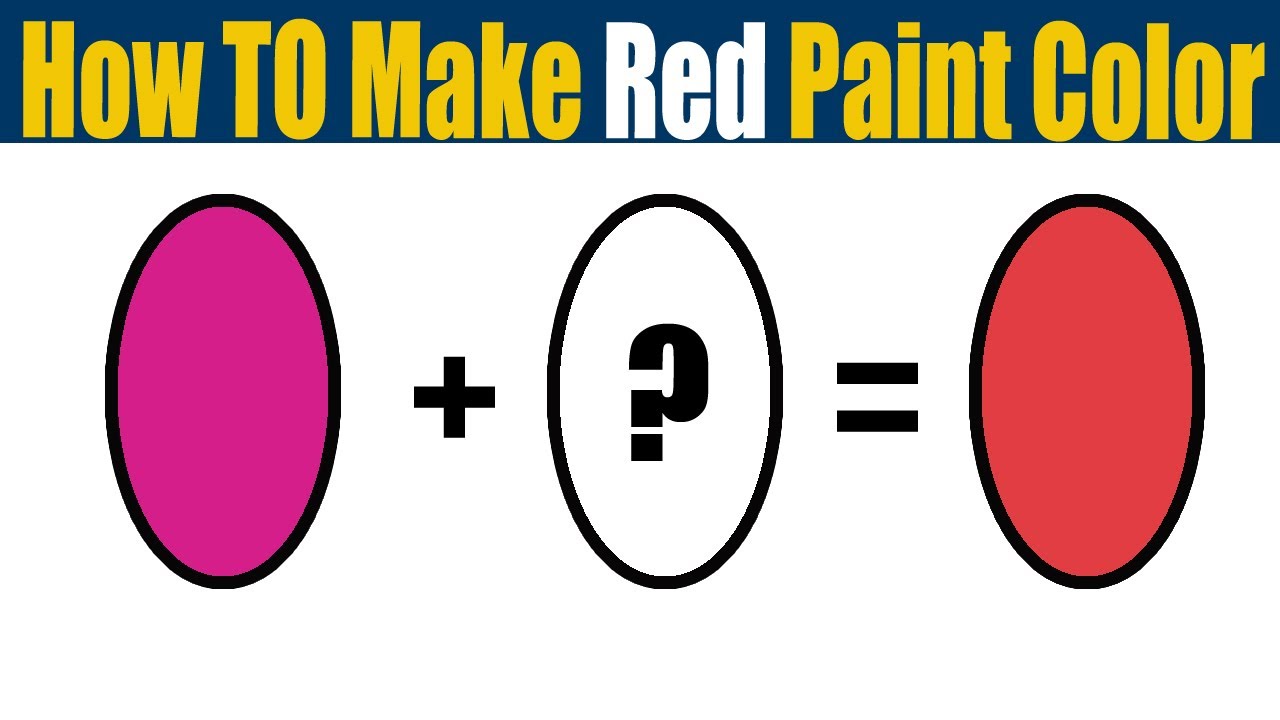
Red is a primary color and cannot be made by mixing two colors. In printing, magenta and yellow combine to create red.
Do Orange And Yellow Make Red?
No, orange and yellow do not make red. Red is a primary color and cannot be created by mixing other colors.
What Colors Make You Red?
Red is a primary color and cannot be made by mixing other colors. In printing, mix magenta and yellow to create red. To adjust red shades, add yellow for warmth or blue for cool tones.
How To Make Basic Red Color?
Red is a primary color and cannot be made by mixing other colors. In printing, mix magenta and yellow to create red. For shades, add yellow for warm red or blue for cool red.
What Colors Mix To Make Red Paint?
Red paint is a primary color and cannot be made by mixing other paints.
Can Red Be Created By Mixing Other Colors?
No, red is a primary color and must be used as is for paint.
How To Make Red In Digital Screens?
Red is a primary RGB color and cannot be mixed from other colors on screens.
Which Inks Combine To Produce Red In Printing?
Mixing magenta and yellow inks creates red in the CMYK printing process.
How To Make Different Shades Of Red?
Add yellow for warmer reds or blue for cooler reds to pure red paint.
Is There A Way To Make Red Without Using Red Pigment?
No true red can be made without red pigment since it is a primary color.
Conclusion
Red stands out as a primary color that you cannot mix from others. In printing, combining magenta and yellow can create red. To get different shades, start with pure red paint and add small amounts of yellow, blue, white, or black.
These simple steps help you create warm, cool, lighter, or darker reds. Understanding how red works makes color mixing easier and more fun. Keep practicing, and you will see how colors come alive in your art.