Have you ever wondered how to make the color brown with your own hands? Whether you’re painting, crafting, or just curious about colors, knowing how to create brown can open up a world of possibilities for your projects.
Brown is more than just a simple color—it’s rich, warm, and full of depth. You’ll discover easy ways to mix colors to get the perfect shade of brown every time. Ready to unlock the secrets behind this classic color? Let’s dive in and find out exactly how you can make brown with colors you probably already have!
Credit: artincontext.org
Basic Brown Mixing
Basic brown mixing is simple and fun. Brown is not just one color but many shades. You can create brown by mixing a few colors together. Understanding basic brown mixing helps you make the perfect shade every time.
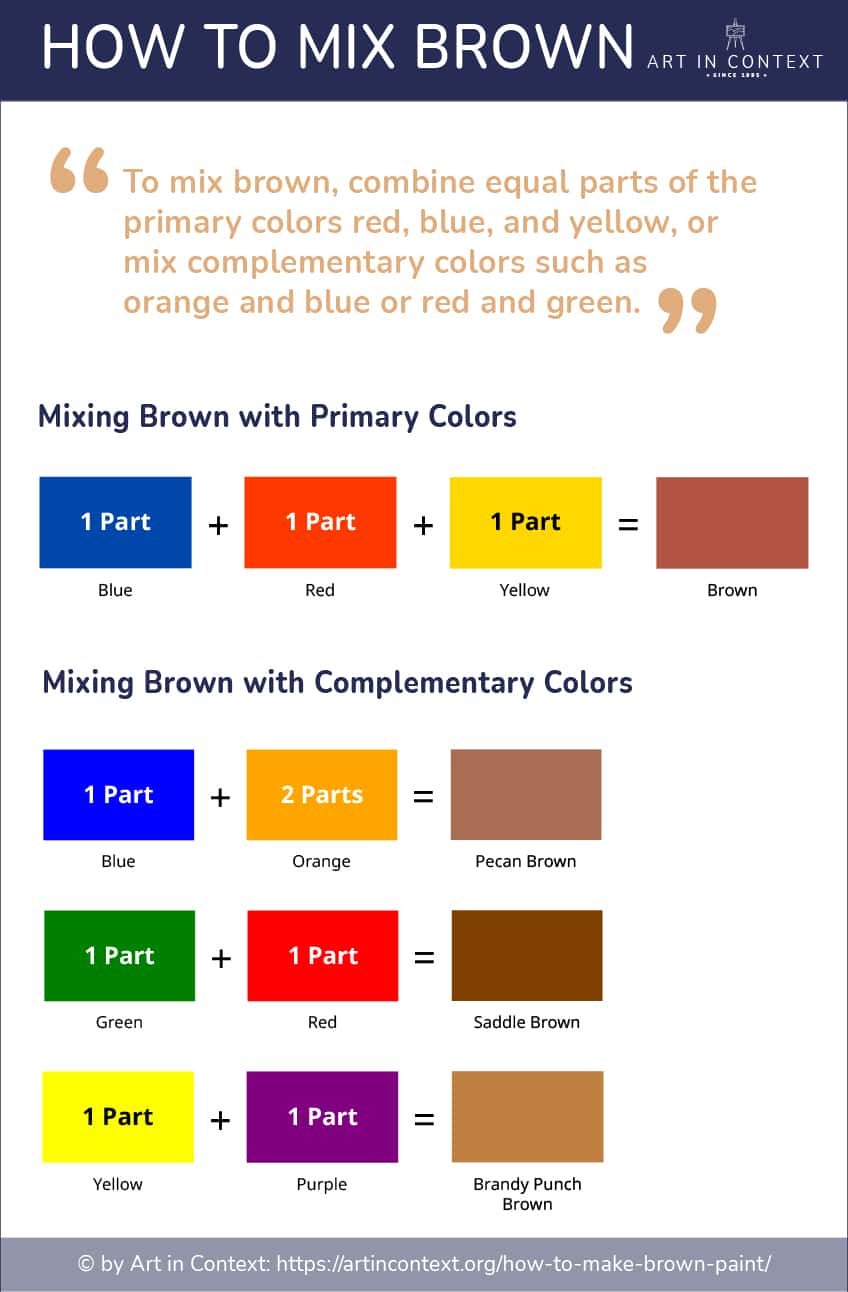
Brown can be made using primary colors or complementary colors. Each method gives a slightly different brown. Let’s explore how to mix these colors for brown.
Mixing Complementary Colors
Complementary colors are opposite on the color wheel. Mixing these pairs creates brown tones. Blue and orange make a brown with a greenish tint.
Red and green form a deep, rich brown. Yellow and purple give a warm brown with a yellow hue. Adjust the amount of each color to change the shade.
Mixing Primary Colors
Combine red, yellow, and blue to make brown. Using equal parts creates a neutral brown. More red makes the brown warmer.
More blue cools the brown tone. Adding more yellow lightens the color. Experiment with these ratios to find your favorite brown shade.
Adding white lightens brown to create tan. Black darkens brown for a richer look. A small amount of color can change the shade a lot.
Mix slowly and test often to get the exact brown you want. This helps you avoid wasting paint and achieve the perfect color.
Primary Colors Method
Mixing the three primary colors—red, yellow, and blue—creates brown. Adjust the amounts to get different brown shades. Combining two opposite colors, like blue and orange, also makes brown with unique tones.
Understanding The Primary Colors Method
The primary colors method uses red, yellow, and blue to make brown. These three colors are the base of all other colors. When mixed together in the right amounts, they produce a rich brown shade.
This method helps create many brown tones by adjusting the amount of each color. It is a simple way to make brown using basic colors you already have.
Mixing Red, Yellow, And Blue
Start with equal parts of red, yellow, and blue paint. Mix them slowly to see the color change. The result is usually a dark brown or muddy color.
Change the amount of each primary color to get different browns. More red makes the brown warmer. More blue makes it cooler and darker. More yellow gives a lighter, golden brown.
Tips For Balancing The Colors
Add small amounts of one color at a time. Mix well before adding more. This controls the shade and keeps the brown from becoming too dull or too bright.
Use a palette knife or brush to mix paints evenly. A smooth, consistent brown is easier to work with in art projects.
Complementary Colors Approach
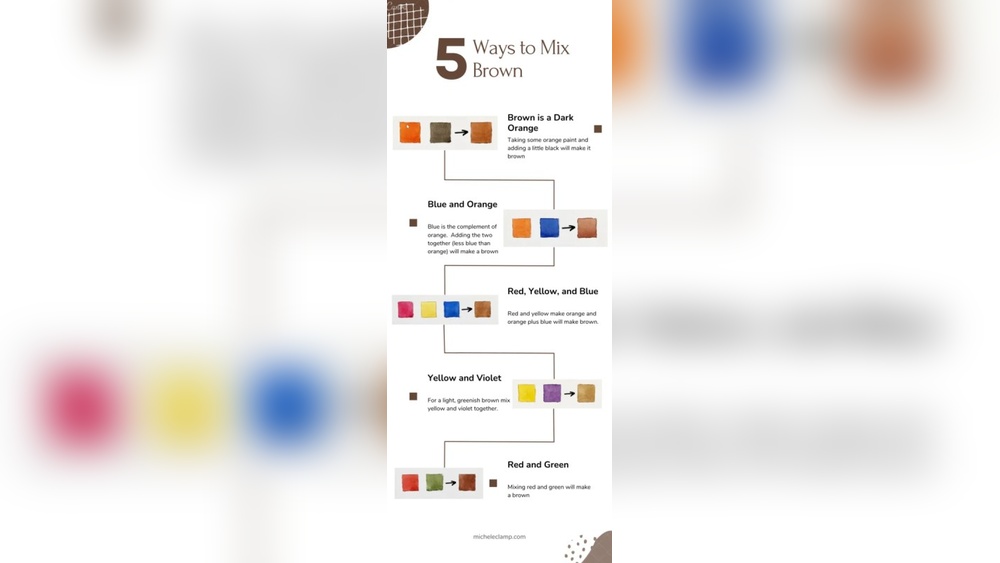
Mixing complementary colors like blue and orange or red and green creates brown by balancing warm and cool tones. Combining red, yellow, and blue, the primary colors, also produces brown with different shades. Adjusting color amounts changes the brown’s warmth and darkness.
Understanding The Complementary Colors Approach
The complementary colors approach is a simple way to make brown. It uses pairs of colors opposite each other on the color wheel.
When these colors mix, they cancel out brightness and create brown. This method gives natural and earthy brown tones.
Pairs Of Complementary Colors That Make Brown
Three main pairs create brown: blue and orange, red and green, yellow and purple.
Blue and orange mix to form brown with a slight green tint. Red and green create a rich, deep brown. Yellow and purple produce a warmer brown with a soft yellow glow.
Adjusting Brown Shades By Changing Color Ratios
Adding more of one color changes the brown’s shade. More orange in blue and orange makes a warmer brown.
More red in red and green creates a reddish brown. More yellow in yellow and purple results in a lighter, warmer brown.
Why Choose The Complementary Colors Method?
This approach is easy and uses basic colors. It helps beginners mix brown without complex steps.
It also offers control to create different browns by adjusting color amounts. Perfect for painting, crafts, or design projects.

Credit: micheleclamp.com
Adjusting Brown Shades
Adjusting brown shades gives you control over the exact color tone you want. Brown is a versatile color with many variations. Small changes in the color mix can make brown lighter, darker, warmer, or cooler.
Understanding how to tweak the colors helps create the perfect shade for your project. Experimenting with different amounts of each color leads to unique browns. This section explains simple ways to adjust brown shades effectively.
Adjusting The Warmth Of Brown
Add red or yellow to make brown warmer. Warm browns have a cozy, earthy feel. Adding more red results in a reddish-brown, while yellow gives a golden tint.
To cool down brown, add a small amount of blue. This creates a cooler, muted shade. Blue reduces warmth and makes brown look more neutral or grayish.
Lightening Brown Shades
Mix white paint carefully to lighten brown. White softens the color and makes it less intense. Add white slowly to avoid making brown too pale or chalky.
Another way to lighten brown is by adding yellow. Yellow brightens brown and adds a sunny look. This method keeps the color rich and warm.
Darkening Brown Shades
To darken brown, add a bit of black or blue paint. Black deepens the color and adds richness. Blue darkens brown without making it look muddy.
Be cautious when adding dark colors. Too much can overpower brown and change it completely. Add small amounts and mix well for the best results.
Creating Warm Browns
Warm browns bring a cozy, inviting feeling to any artwork or design. They mimic the colors of autumn leaves, rich wood, and soft earth. To create warm browns, you need to focus on mixing colors with red, yellow, and orange tones.
These browns feel lively and comforting. They add depth and warmth to paintings or digital designs. Understanding how to mix these shades helps you create natural, beautiful browns every time.
Using Red And Yellow For Warm Brown
Start with red and yellow as your base colors. Mix equal parts of these two to get an orange shade. Then, slowly add a small amount of blue or green to tone it down. This will create a warm brown with a rich glow.
Adjust the amount of red or yellow to make the brown more reddish or golden. This method is simple and perfect for warm brown hues.
Adding Orange To Deepen Warm Brown
Orange is key to making warm browns deeper and more vibrant. Mix orange with a touch of blue or purple to balance brightness. This creates a strong warm brown that feels full and natural.
Keep the orange dominant for a lively brown. Add a little blue carefully to avoid dullness. This balance makes the brown warm and rich.
Mixing Complementary Colors For Warm Brown
Complementary colors like red and green or yellow and purple can produce warm browns. These pairs cancel out brightness and create muted, warm tones.
For a warm brown, use more of the red or yellow in your mix. This keeps the brown warm instead of cool or grayish. Experiment with these combinations to find your perfect warm brown.
Making Cool Browns
Making cool browns involves creating brown hues that have a subtle blue or green undertone. These cool browns give a fresh, calm feeling compared to warm browns with red or yellow tones. Artists often use cool browns to paint shadows, backgrounds, or natural elements like tree bark and stones.
Cool browns balance warm colors with cooler ones. This helps avoid a color that looks too orange or red. Mixing cool browns requires careful choice of colors and proportions.
Mixing Blue And Orange For Cool Brown
Start with equal parts of blue and orange. Blue cools down the warmth of orange. This mix creates a brown with a slight greenish tint. Adjust the blue amount to make the brown cooler or warmer.
Adding Green To Red For Rich Cool Browns
Mix red and green to get a deep, cool brown. Green tones down the brightness of red. Add a little more green to cool the brown further. This mix is great for natural, earthy colors.
Using Purple And Yellow To Create Muted Browns
Combine purple and yellow for a brown with a muted, cool feel. Purple cools the yellow’s brightness. Change the purple and yellow ratio to control the brown’s tone. This brown works well in soft, calm art pieces.
Using White To Lighten
Using white to lighten brown is a simple way to create softer, lighter shades. White paint changes the tone without altering the basic color. This method helps achieve pastel browns or tans easily. It also allows more control over the final look of your color. Adding white can brighten your brown, making it perfect for highlights or backgrounds.
How White Affects Brown
Adding white to brown makes the color lighter and less intense. It reduces the darkness and deepness of the original brown. The brown becomes softer and more muted. The more white you add, the lighter the brown gets. This is useful for painting skin tones or light wood colors.
Mixing White With Different Browns
Different browns react differently when mixed with white. A dark chocolate brown will turn into a creamy beige. A reddish brown will become a warm peachy shade. Yellowish browns will change into soft tan colors. Experiment with your brown base to see the result after adding white.
Tips For Using White To Lighten
Start with a small amount of white paint. Mix it well with the brown to see the true shade. Add more white gradually to avoid making the color too pale. Use a palette knife or brush for even mixing. Test your color on paper or canvas before applying it.
Credit: thegraphicsfairy.com
Adding Black For Depth
Adding black to brown paint deepens the color and creates rich shadows. It makes brown look darker and more intense. This technique works well for painting objects with depth and volume.
Black changes the tone of brown without altering its warmth. Use it sparingly to avoid making the color too dull or muddy. A little black can give brown a strong, elegant appearance.
How To Add Black To Brown Safely
Start with a base brown made from red, yellow, and blue. Add a tiny amount of black paint using a brush. Mix thoroughly to see the real color change. Add more black bit by bit until you reach the desired shade.
Effects Of Black On Different Browns
Light brown becomes a deep chocolate shade with black. Warm browns keep their richness but gain shadow-like depth. Cool browns turn closer to a dark gray-brown mix. Each variation suits different artistic needs.
Tips For Using Black With Brown
Mix black gradually for control over darkness. Test the color on a palette before applying to your work. Combine black with other colors to create unique brown tones. Avoid adding too much black at once to prevent overpowering the brown.
Common Mistakes To Avoid
Mixing the color brown may seem simple, but many make common errors. These mistakes can lead to muddy or dull colors. Avoiding these pitfalls helps create a rich and vibrant brown every time.
Using Too Much Black
Black paint can darken brown quickly. Adding too much black makes the color look flat and lifeless. Use dark blue or burnt umber to deepen brown instead.
Mixing Only Two Primary Colors
Brown often requires all three primary colors: red, yellow, and blue. Using only two can create muted or off shades. Mixing all three ensures a balanced brown.
Ignoring Color Ratios
The amount of each color affects the shade of brown. Too much of one color can create unwanted tones. Measure and adjust colors gradually for better results.
Not Testing The Color
Skipping a color test wastes paint and time. Always mix a small sample first. This step shows how the color looks when dry.
Using Poor Quality Paints
Cheap paints lack pigment strength. The resulting brown may appear dull or uneven. Invest in quality paints for richer colors and smoother mixing.
Tips For Smooth Blending
Smooth blending is key to creating rich, natural brown shades. Blending colors well makes the final brown look even and vibrant. Poor blending can cause unwanted streaks or muddy colors. Follow these tips for smooth, professional results.
Use A Clean Brush For Blending
Always use a clean, dry brush to blend colors. Dirt or wet brushes can muddy the colors. A soft brush helps mix colors gently without harsh lines. Light, circular strokes work best for even blending.
Start With Small Amounts Of Color
Begin mixing with small amounts of paint. This gives you better control over the final shade. Add colors slowly and blend as you go. This prevents overmixing and dull, lifeless brown tones.
Blend While Paint Is Wet
Blend colors while the paint is still wet. Wet paint mixes more smoothly than dry paint. Work quickly but carefully for the best results. Dry paint can cause patchy or rough textures.
Use A Palette Knife For Mixing
Use a palette knife to mix colors before applying. This tool helps combine colors evenly without wasting paint. Mixing well on the palette creates a more uniform brown on your canvas.
Layer Colors Gradually
Build brown tones by layering thin washes of color. Let each layer dry before adding the next. This method creates depth and richness in your brown shade. Avoid thick layers that can crack or peel.
Frequently Asked Questions
What Two Colors Make Brown?
You make brown by mixing two complementary colors like blue and orange, red and green, or yellow and purple.
Do Red And Green Make Brown?
Yes, mixing red and green paint creates brown. These complementary colors neutralize each other, producing various brown shades.
What Is The Brown Mix?
The brown mix is a color blend made by mixing complementary colors like red and green, blue and orange, or yellow and purple. Combining all three primary colors—red, yellow, and blue—also creates brown. Adjusting ratios changes the brown shade’s warmth or darkness.
How To Make Real Brown Color?
Mix equal parts of red, yellow, and blue to make real brown. Adjust ratios for lighter or darker shades. Mixing complementary colors like blue and orange also creates brown.
What Two Colors Make The Color Brown?
Mixing two complementary colors like blue and orange creates brown.
How Do You Make Brown Using Primary Colors?
Combine red, yellow, and blue to get brown paint.
Can Brown Be Made By Mixing Red And Green?
Yes, red and green mixed together produce a rich brown.
What Happens When You Mix Yellow And Purple?
Yellow and purple mix to create a warm brown shade.
How To Adjust The Shade Of Brown Paint?
Add more of one color to change brown’s tone.
Is It Possible To Make Different Browns With The Same Colors?
Yes, varying amounts of colors create many brown shades.
Conclusion
Making brown is simple and fun. Mix two complementary colors like blue and orange or red and green. You can also blend all three primary colors: red, yellow, and blue. Adjust each color’s amount to find your perfect brown shade.
Adding white lightens the brown, while more color darkens it. Practice mixing to see how different browns appear. Now, you have the knowledge to create many brown tones for your art projects. Experiment and enjoy the process of mixing your own beautiful brown!