Are you wondering how to make the perfect teal color for your next project? Whether you’re painting a room, mixing icing for a cake, or working on a creative art piece, getting that rich, calming teal just right can be tricky.
But don’t worry—you’re about to learn simple, clear steps to mix teal using basic colors you probably already have. By understanding the right balance of blue, green, and a touch of white or yellow, you can create your ideal shade of teal every time.
Keep reading, and you’ll discover easy tips that will make your color mixing fast and foolproof. Your perfect teal awaits!

Credit: smart.dhgate.com
Basic Teal Mix
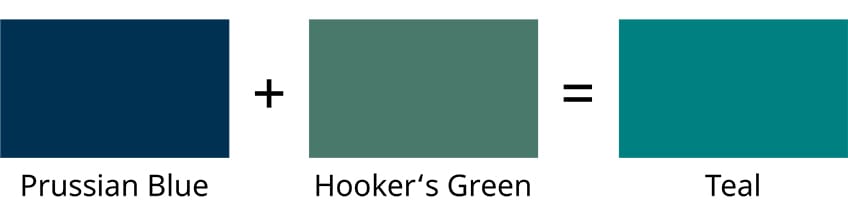
Teal is a beautiful color made by mixing blue and green. The balance between these two colors creates a rich, deep shade. Small changes in the amount of blue or green can change the teal’s look.
Adding white, black, or yellow will change the tone. White lightens the color, while black darkens it. Yellow can give teal a warmer touch. This makes teal a flexible color for many uses.
Mix Equal Parts Blue And Green
Start by mixing equal amounts of blue and green paint. This gives a basic teal shade. Use a palette knife or brush to blend them well. This mix works well for most projects.
Adjust Blue And Green Ratio
Try mixing two parts blue with one part green. This creates a cooler teal with more blue. Add a small amount of yellow to warm it slightly. Play with these ratios to find your perfect teal.
Lighten Or Darken Your Teal
Add white paint to lighten the teal. This makes a soft, pastel version. For a darker shade, add a tiny bit of black or burnt umber. Mix carefully to avoid making the color muddy.
Add Yellow For Warmth
A small drop of yellow paint can warm up teal. This changes it from cool to a more vibrant greenish tone. Add yellow slowly and mix well to control the color.
Adjusting Blue And Green Ratios
Mix blue and green to create teal, adjusting the amounts for different tones. More blue gives cooler teal, while more green adds warmth. Adding white lightens the shade for a softer look.
Understanding The Balance Between Blue And Green
Teal is a unique color that sits between blue and green. Adjusting the amount of each color changes the shade of teal. More blue results in a cooler, deeper teal. More green creates a warmer, brighter teal. Finding the right balance is key to the perfect teal.
Mixing Equal Parts Of Blue And Green
Start by mixing equal amounts of blue and green paint. This gives a basic teal shade. It is a good base to work from. From here, you can adjust the color by adding more blue or green.
Adding More Blue For A Cooler Teal
Add extra blue to your mix for a cooler tone. This teal looks calm and deep. It works well in designs that need a relaxed feel. Use this mix for ocean or sky-inspired projects.
Adding More Green For A Warmer Teal
Add more green for a warmer and brighter teal. This shade feels fresh and lively. It fits well with nature themes and bright interiors. Adjust slowly to avoid overpowering the blue.
Fine-tuning Teal With White And Black
Add white to lighten the teal and make it softer. This creates pastel teal shades for gentle looks. Add black to darken the teal for a richer, deeper shade. Use these tips to match your exact color needs.
Adding White For Lighter Shades
Adding white to teal changes its look and feel. It creates lighter shades that feel soft and fresh. This technique helps you get pastel teals perfect for many projects. Lighter teals work well in designs that need calm and airy vibes. They also make teal easier to match with other colors.
Start with your basic teal mix of blue and green. Slowly add white paint in small amounts. Mix well each time you add white. Watch the color change and stop when you reach the shade you want. Adding too much white can make the color lose its depth. So, add white carefully and check the result often.
How To Add White To Teal
Use a clean brush or palette knife to add white paint. Add a little white at a time. Mix the white thoroughly with your teal base. This helps you see the true lighter shade. Keep adding white until you like the lightness. Stop before the color becomes too pale.
Effects Of Adding White On Teal
White makes teal softer and less intense. It creates pastel or minty shades. These lighter teals are gentle on the eyes. They work great for walls, clothes, and digital designs. White also makes teal look more modern and fresh. It helps balance teal with other light colors.
Tips For Using Lighter Teal Shades
Pair lighter teal with neutral colors like white or gray. Use it to create calm and peaceful spaces. Lighter teal works well in bedrooms, bathrooms, and offices. Try it in graphics for a clean, stylish look. Always test your lighter teal in different lights before final use.

Credit: www.youtube.com
Using Black To Darken Teal
Using black to darken teal is a simple way to create a deeper, richer color. Black reduces brightness and adds depth to teal. It helps to achieve a more elegant and muted shade. This technique is popular in painting, design, and crafts.
Adding black should be done carefully. Too much black can make the color look muddy or dull. Small amounts, mixed gradually, give the best results.
How To Add Black To Teal
Start with your base teal color, made from blue and green. Use a palette knife or brush to mix in tiny amounts of black. Stir well to see the true effect. Stop adding black once you reach the desired darkness.
Tips For Mixing Black With Teal
Add black in very small amounts, like a pinch or a drop. Mix thoroughly before adding more. Test the color on a white surface to check the tone. Avoid adding too much at once to keep control of the shade.
Uses Of Darkened Teal
Dark teal works well in backgrounds and shadows. It can give artwork a dramatic or moody feel. Designers use dark teal for elegant and sophisticated looks. This shade pairs nicely with light colors like white or cream.
Incorporating Yellow For Warmth
Incorporating yellow into teal adds warmth and depth. This blend softens teal’s coolness and makes it more inviting. Yellow shifts teal towards a greenish tone, creating a natural and earthy feel.
Using yellow carefully balances the color, preventing it from looking too cold or harsh. Small amounts of yellow can brighten teal without losing its blue-green essence.
How Yellow Affects Teal’s Tone
Adding yellow changes teal’s temperature. It warms the color and adds richness. The more yellow you add, the softer and lighter the teal becomes. Yellow can make teal appear more golden or olive-like.
Best Yellow Shades To Use
Choose warm yellows like lemon or cadmium yellow for mixing. These yellows blend smoothly with blue and green. Avoid cool yellows, which may dull the teal color. Test small amounts first to find the perfect mix.
Step-by-step Mixing Tips
Start with equal parts blue and green. Add yellow slowly, drop by drop. Mix well after each addition to check the color. Stop adding yellow once you reach the desired warmth. Use white to lighten if needed.
Credit: artincontext.org
Mixing Teal With Different Paint Types
Mixing teal with different paint types requires understanding how each base paint behaves. Teal is a mix of blue and green, but the final look depends on the paint’s texture and opacity. Each paint type—acrylic, oil, watercolor—interacts with pigments uniquely. Knowing these differences helps create the exact teal shade desired.
Choosing the right paint type affects drying time, blending ease, and finish. Acrylic paints dry fast and have vibrant colors. Oils blend smoothly and dry slowly, giving more time to adjust. Watercolors are transparent and create soft, delicate teals. Each type offers unique results for your teal mixing project.
Acrylic Paints And Teal Mixing
Acrylic paints are popular for mixing teal. Start with equal parts of blue and green. Use a palette knife to blend well. Add small amounts of white to lighten the teal. To deepen the color, add a touch of black or darker blue. Acrylics dry quickly, so mix fast.
Oil Paints And Creating Teal
Oil paints allow smooth blending for teal shades. Mix blue and green on the palette slowly. Add white oil paint to soften the color. Oils take longer to dry, giving time to adjust the teal tone. Use a thin brush for fine color mixing.
Watercolor Techniques For Teal
Watercolors produce translucent teal colors. Mix blue and green with plenty of water. Layer the paint to build a richer teal shade. Adding white is tricky; use less pigment for lighter tones. Watercolors require patience and gentle strokes for perfect teal.
Using Gouache To Mix Teal
Gouache offers an opaque finish for teal mixing. Mix blue and green directly on the palette. Add white gouache to brighten the teal easily. Gouache’s thick texture helps create solid, vibrant teal colors. It is ideal for bold, flat color areas.
Creating Pastel Teal Variations
Creating pastel teal variations softens the boldness of standard teal. These lighter shades bring calm and subtlety to your designs. Pastel teal works well in home decor, fashion, and digital art.
To make pastel teal, start with a basic teal mix of blue and green. Then, add white paint gradually to lighten the color. This process helps control the shade and keeps the color fresh and soft.
Mixing Basic Teal As A Base
Combine equal parts of blue and green paint. Use a bright blue and a medium green for best results. Stir the mix thoroughly until the color is even. This base gives you the classic teal color needed for pastel variations.
Lightening Teal With White
Add white paint slowly to the basic teal mix. Mix well after each addition. Stop adding white when the color reaches the desired pastel shade. This step ensures the color remains smooth and balanced.
Adjusting Hue With Yellow Or Blue
To warm the pastel teal, add a small amount of yellow. This gives a softer, slightly greenish tint. For a cooler tone, add a little more blue. Adjust carefully to avoid overpowering the pastel effect.
Using Pastel Teal In Design
Pastel teal pairs well with soft pinks, creams, and light grays. It works nicely in calming interiors and gentle fashion palettes. Use pastel teal to create a peaceful and inviting atmosphere.
Matching Teal With Complementary Colors
Matching teal with complementary colors creates striking and balanced designs. Teal is a mix of blue and green, giving it a cool, calming effect. Choosing the right complementary colors enhances teal’s beauty. It adds contrast and makes your palette more vibrant. Understanding color harmony helps make smart choices for art, decor, or fashion.
Understanding Teal’s Complementary Colors
Complementary colors sit opposite each other on the color wheel. For teal, the main complementary color is coral or a warm reddish-orange. This contrast highlights teal’s cool tones. Using coral with teal creates energy and balance. Other warm colors like peach, salmon, or rust also pair well.
Using Neutral Colors With Teal
Neutrals calm teal’s vibrance and create a clean look. White, beige, and gray work well with teal. These colors soften the palette and keep it elegant. Dark neutrals like charcoal or black add depth and sophistication. Neutrals allow teal to remain the focus without overwhelming the eyes.
Pairing Teal With Analogous Colors
Analogous colors sit next to teal on the color wheel. These include blue, turquoise, and green shades. This pairing creates harmony and a soothing effect. Using analogous colors keeps the design unified and natural. It works well for spaces needing calm and relaxation.
Adding Metallics To Complement Teal
Metallic colors add sparkle and richness to teal. Gold, bronze, and copper warm up teal’s cool tone. Silver and chrome maintain a sleek, modern look. Metallic accents bring texture and interest. They make teal stand out in decor and fashion choices.
Common Mistakes To Avoid
Making teal color is simple but easy to make mistakes. These errors can change the shade and spoil your work. Avoiding common mistakes helps get the perfect teal every time.
Small errors in mixing can cause big color changes. Pay attention to the amount and type of colors used. Correct technique improves your results.
Using Too Much Blue Or Green
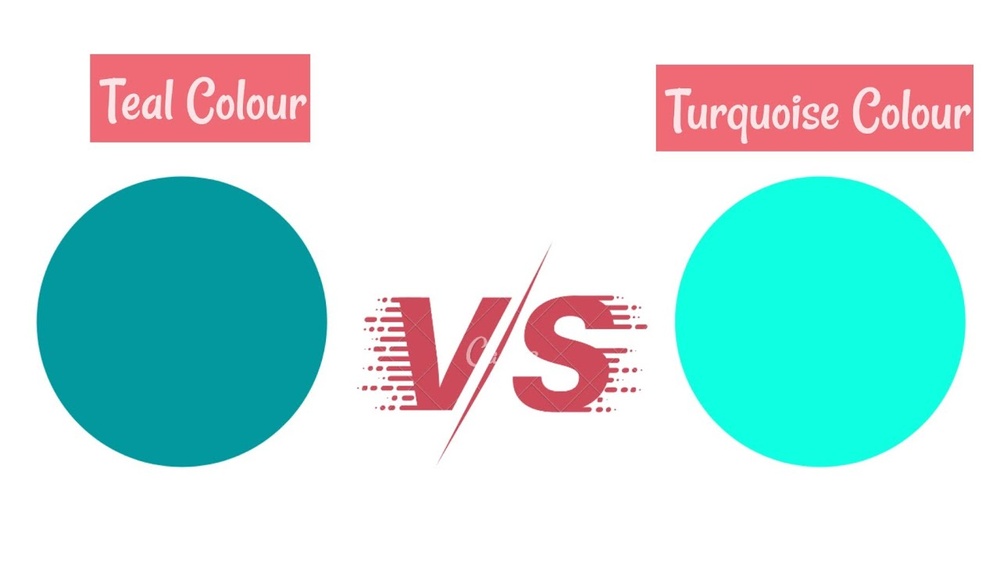
Teal needs a balance of blue and green. Too much blue makes it look like turquoise. Too much green makes it look like sea green. Start with equal parts and adjust slowly.
Skipping White Or Black Adjustments
Adding white lightens teal for a soft look. Black or dark brown can deepen the tone. Not using these can make the teal too bright or dull. Use small amounts to control the shade.
Ignoring Yellow’s Effect
Yellow can warm up teal slightly. Too much yellow shifts teal toward olive or lime. Use yellow sparingly to keep the true teal color.
Mixing Colors Without Testing
Colors appear different when dry. Test a small amount on paper or canvas first. This helps see the true color and avoid surprises.
Not Using Quality Paints Or Pigments
Cheap paints may not mix well or have weak color. Use good quality paints for vibrant teal. Quality pigments give consistent and rich results.
Tips For Perfect Teal Every Time
Getting the perfect teal color can be tricky without the right approach. Small changes in mixing can lead to very different results. These tips help create a consistent and beautiful teal every time. Follow these simple steps to control the shade and tone of your teal paint or dye.
Use Equal Parts Blue And Green
Start by mixing equal amounts of blue and green paint. This creates a balanced teal base. Use a flat palette or mixing tray for even blending. Stir thoroughly to avoid streaks and get a smooth color.
Adjust With White For Lighter Shades
Add small amounts of white paint to your teal mixture to lighten it. Mix slowly and check the color after each addition. White softens the teal and gives it a pastel or muted look. Avoid adding too much at once to keep control.
Add Yellow To Warm Up The Color
Mix in a tiny bit of yellow to warm the teal hue. This makes the color more vibrant and less cool. Add yellow drop by drop to prevent overpowering the teal. Stir well and observe the change carefully.
Darken Teal With Black Or Brown
Use a small amount of black or burnt umber to darken teal. These colors deepen the shade without changing it too much. Add just a touch and mix well to maintain the teal tone. This tip is perfect for creating rich, deep teal shades.
Test Your Color On Paper Or Canvas
Always test your mixed teal on a scrap piece before final use. Colors can look different when dry or on other surfaces. Testing helps you see the true shade and make adjustments easily. Let the test patch dry completely for best results.
Frequently Asked Questions
What Colors Do I Mix To Get Teal?
Mix equal parts blue and green to get teal. Adjust the shade by adding white to lighten or black to darken.
What Is The Color Combination Of Teal?
Teal is a mix of blue and green, often with added white for lightness or black for depth. It pairs well with neutrals and warm tones.
How To Mix Colors To Make Turquoise?
Mix equal parts blue and green paint to make turquoise. Adjust with white to lighten or yellow for warmth.
Is Teal The Same As Turquoise?
Teal and turquoise are similar but not identical. Teal is a deeper blue-green, while turquoise leans lighter and more vibrant.
What Colors Do I Mix To Make Teal?
Mix blue and green paint in equal parts to create teal color.
How Can I Make Teal Color Lighter?
Add white paint gradually to your teal mix to lighten its shade.
How Do I Darken The Teal Color?
Add a small amount of black or burnt umber to darken teal.
Can I Adjust Teal Color With Yellow Paint?
Yes, adding a bit of yellow makes teal warmer and more vibrant.
What Is The Easiest Way To Make Basic Teal?
Mix equal parts of blue and green paint for a simple teal.
How Do I Get A More Greenish Teal Shade?
Use more green than blue when mixing to get greener teal tones.
Conclusion
Creating teal color is simple by mixing blue and green paint. Adjust the amount of each to get your desired shade. Adding white lightens teal, while black or darker colors deepen it. A little yellow can warm up the tone.
Experiment with these combinations to find the perfect teal for your project. With practice, you will easily mix teal that suits your needs. Keep trying different mixes and enjoy the process of making this beautiful color.