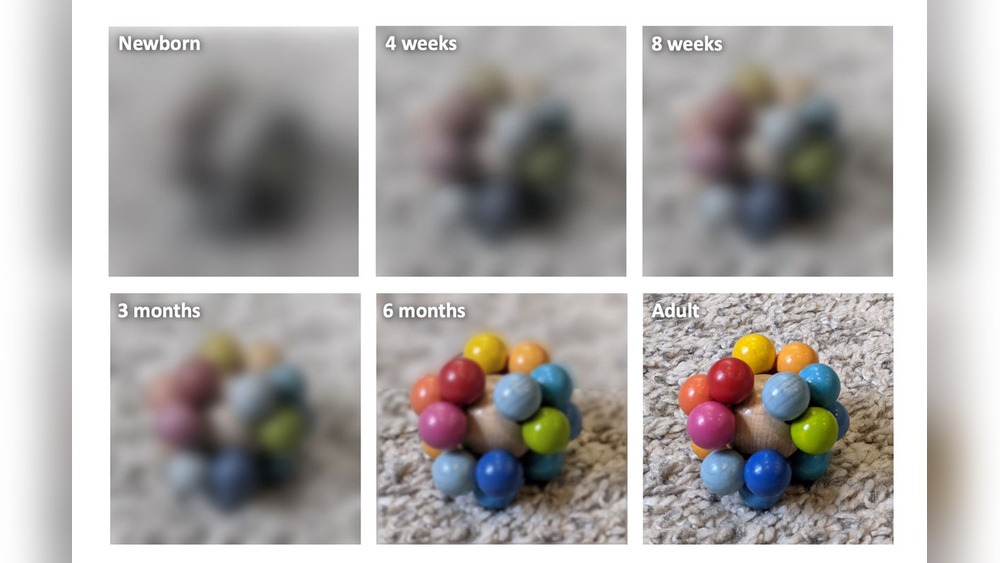
Have you ever wondered what your newborn truly sees when they open their eyes for the first time? You might be surprised to learn that your baby doesn’t see the world in full color right away.
In fact, their vision starts out quite different from yours. Understanding how and when your little one begins to perceive colors can help you connect with them in new ways and support their early development. Curious about what colors your baby can see now and how their vision will grow?
Keep reading to discover the fascinating journey of your newborn’s color vision and what it means for you both.
Newborn Vision Basics
Newborns enter the world with very limited vision. Their eyes and brain are still learning how to see clearly. At birth, babies see mostly in black, white, and shades of gray. Colors are not clear yet. Their vision is blurry and they focus best on objects about 8 to 12 inches away.
During the first weeks, babies start to notice colors. Red is usually the first color they can see. Over time, their eyes develop more, letting them see other colors like yellow and blue. This growth helps babies understand their surroundings better.
Initial Vision: Black, White, And Gray
Newborns begin life seeing simple shapes and contrasts. They respond well to black and white patterns. Bright, high-contrast images catch their attention more than colors. This helps stimulate their eyes and brain to work together.
First Colors Babies See
Within weeks, babies start to see the color red. This color stands out against the gray tones they first notice. Seeing red helps babies track objects and focus better. It marks the start of color vision development.
After red, babies gradually learn to see yellow and blue. This usually happens around two months old. Green and other colors come later, around four to six months. Their eyes and brain keep improving in how they process color.
Seeing In Black And White
Newborns see the world mostly in black, white, and gray with blurry vision. Red is the first color they begin to notice within weeks. By two months, babies start to see yellow and blue, while green appears later around four to six months.
Newborns enter the world seeing mostly black, white, and gray. Their vision is blurry and unclear at first. Sharp details and colors are hard to notice. High-contrast patterns stand out the most to them. This helps babies begin to make sense of their surroundings.
In the first few weeks, babies focus on contrasts. Black and white shapes catch their attention easily. This is because their eyes and brain are still developing. Bright, simple patterns are best for early visual learning.
Early Color Perception
After a few weeks, babies start to see red. Red is usually the first color they can spot. This happens as their color vision begins to improve. Parents often notice babies reacting to red toys or clothes first.
Developing Color Vision
By two months, babies can see more colors like yellow and blue. Their eyes grow stronger and can tell colors apart better. Green colors appear later, between four and six months. Color recognition improves as their vision sharpens.
First Colors Newborns Notice
Newborn babies start life with limited color vision. At birth, they mostly see in black, white, and shades of gray. Their vision is blurry and not well focused. This makes it hard for them to see many colors clearly.
Colors appear more vivid to babies as their eyes develop. Within weeks, they begin to recognize certain colors better. This growth happens step by step during their first months.
Black And White
Right after birth, babies see mostly black and white. Strong contrasts like stripes or patterns catch their attention. These high-contrast images are easier for them to notice than soft colors.
Red
Red is often the first color newborns can see. They start to notice red within a few weeks. This color stands out because it has a strong contrast against other shades.
Yellow And Blue
After red, babies begin to see yellow and blue. This usually happens around two months old. These colors are brighter and help babies learn more about their surroundings.
Green
Green is one of the last colors babies can easily notice. It appears more clearly between four and six months. By this time, their eyes and brain work better to tell colors apart.
Color Vision Development Timeline
Newborns do not see colors clearly at birth. Their vision starts mostly in black, white, and gray. The world looks blurry to them.
Color vision develops in stages during the first months. Different colors become visible as their eyes and brain grow.
Immediately After Birth
Newborns see only black, white, and gray shades. Their vision is blurry and out of focus. High-contrast patterns catch their attention best.
A Few Weeks Later
Babies begin to recognize the color red first. This is usually the initial color they can tell apart from others.
Two Months Old
At two months, babies start to see yellow and blue. Their color vision becomes stronger and more detailed.
Four To Six Months
Green and other colors appear in their vision during this period. Their ability to see many colors improves greatly.
How Babies Perceive Red
Newborns see mostly black, white, and gray with blurry vision. Within weeks, they begin to notice red, the first color they can often distinguish. Other colors like yellow and blue come later, while green appears around four to six months.
Newborn babies start life seeing mostly black, white, and shades of gray.
Within a few weeks, they begin to notice the color red.
Red is often the first color babies can clearly recognize.
This early recognition helps them focus on objects and faces.
Why Red Stands Out To Newborns
Red has a strong, bright wavelength that catches babies’ attention.
Their eyes and brain respond more easily to red than to other colors.
This makes red ideal for toys, clothes, and nursery decorations.
How Red Helps Baby Development
Seeing red encourages babies to practice focusing their eyes.
It supports early brain connections linked to vision and color recognition.
Red objects can also help babies track movement better.
Tips For Using Red In Baby’s Environment
Choose red toys and books to stimulate your baby’s sight.
Place red items in the baby’s line of vision during playtime.
Use red patterns with high contrast to attract your baby’s gaze.

Credit: www.visionlearncenter.com
Emergence Of Blue And Yellow
Newborns initially see mostly black, white, and gray. Around two months, they begin to notice blue and yellow colors. This gradual color perception helps babies explore the world more clearly.
Newborns start life seeing mostly black, white, and gray. Their vision is blurry and unfocused. During the first weeks, they notice high-contrast patterns best. Red is the first color they begin to see clearly.
By about two months old, babies start to recognize more colors. Blue and yellow become visible to them. These colors have high contrast and stand out against the background. This helps babies practice distinguishing different shades.
Their eyes and brain work together to improve color perception. Blue and yellow are easier for newborns to see than green or other colors. This stage marks important growth in how babies experience the world visually.
Green And Other Colors Later On
Newborns’ color vision improves gradually. At first, babies see mainly black, white, and shades of gray. Red appears as the first color they recognize. Other colors follow as their eyes and brain develop.
Green and other colors show up later in this process. This stage is important for babies’ visual growth. It helps them explore the world more clearly and enjoy a variety of colors.
When Do Babies Start Seeing Green?
Babies usually begin to see green between four and six months old. This color comes after red, yellow, and blue. Green is a bit harder for newborns to detect early on. Their eyes and brain need time to process it well.
How Do Babies Learn To See Different Colors?
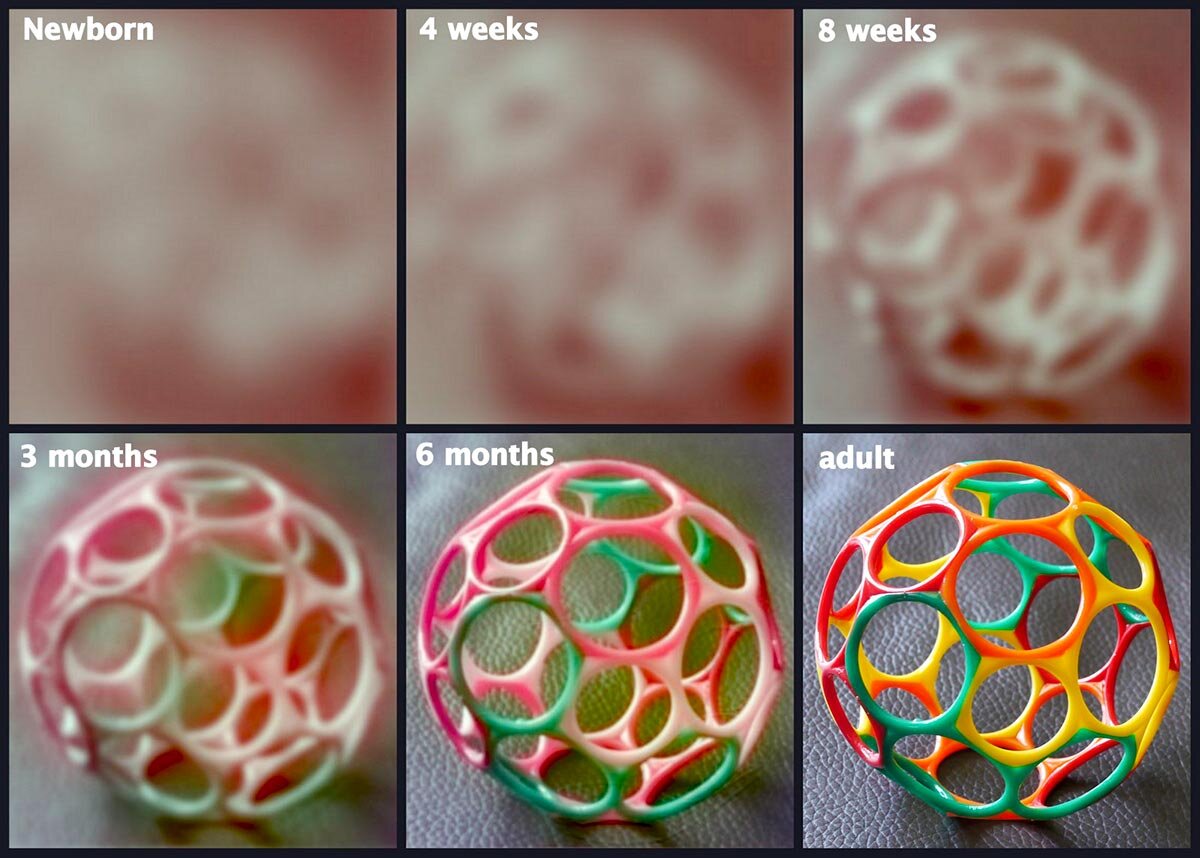
Color vision develops as babies’ eyes grow stronger. The cones in the retina become more active. These cones help detect different colors. The brain also learns to interpret these signals correctly. This learning happens slowly over several months.
Why Is Color Vision Important For Babies?
Seeing colors helps babies understand their surroundings better. It supports brain development and cognitive skills. Colors also attract babies’ attention and keep them interested. Toys and objects with bright colors aid in their learning and play.
What Colors Come After Green?
After green, babies start to see more complex colors. These include shades like orange, purple, and brown. The full range of color vision usually develops by the time babies are one year old. This allows them to enjoy a colorful world fully.
Credit: www.spectacleoptometry.com
Visual Clarity And Focus Growth
Visual clarity and focus growth are key parts of a newborn’s early development. At birth, babies see the world mostly in shades of gray. Their vision is blurry and their eyes cannot focus well on objects. This limits what they can understand from their surroundings.
Over the first weeks, a baby’s eyes start to work better. They become more sensitive to light and shapes. Their focus sharpens, helping them notice details. This growth allows babies to recognize faces and objects more clearly.
How Newborns Initially See
Newborns have poor visual clarity at first. Their eyes can only focus on objects 8 to 12 inches away. This is about the distance to a parent’s face during feeding. At this range, babies begin to learn and connect with caregivers.
Improvement Of Focus Over Time
Within a few weeks, babies improve their focusing skills. Their eyes start to move together smoothly. This helps them track moving objects. Stronger eye muscles contribute to better control and coordination.
Development Of Visual Sharpness
As weeks pass, newborns see more sharply. They notice contrasts between light and dark. High-contrast patterns catch their attention best. This is why black-and-white toys and books are popular for infants.
Role Of Visual Growth In Color Perception
Clearer vision supports color recognition. At first, babies see red colors first. By two months, they begin to see yellow and blue. Green colors appear later, around four to six months. This gradual growth matches their improving focus.
Best Colors For Baby’s Environment
Creating a colorful space for your newborn can support their early vision development. Babies begin life seeing mostly black, white, and gray. Over weeks, their ability to recognize colors grows.
Choosing the right colors in their surroundings helps stimulate their sight and keeps them engaged. Bright and simple colors work best because newborns see high contrast more clearly. Soft lighting and gentle hues make the environment calm and welcoming.
High-contrast Colors
Black and white patterns stand out most to newborns. These colors help their eyes focus and track objects. Toys or wall decorations with bold black and white shapes can catch their attention easily.
Red And Warm Shades
Red is one of the first colors babies can see after a few weeks. Warm colors like red, orange, and pink attract their gaze and promote visual interest. Adding red accents can brighten a baby’s room and aid early color recognition.
Soft Blues And Greens
Blue and green appear clearer to babies around two to six months. These colors have a calming effect, perfect for nurseries and play areas. Soft blues and greens create a peaceful space for your baby to relax.
Yellow For Cheerful Vibes
Yellow is a happy color that newborns begin to see soon after birth. It stimulates the brain and encourages alertness. Adding yellow elements like blankets or wall art can make the room feel cheerful and bright.
Tips To Stimulate Baby’s Sight
Stimulating a newborn’s sight helps develop their vision and brain. Early visual activities support healthy eye growth. Focused stimulation encourages babies to explore the world visually. Simple, fun exercises improve their ability to see colors and shapes.
Use High-contrast Colors
Newborns see black and white best. Show them cards with bold black and white patterns. Stripes, checks, and simple shapes catch their attention. As weeks pass, add red and bright colors. This helps their color recognition grow.
Move Objects Slowly
Hold toys or pictures near the baby’s face. Move them slowly from side to side. This encourages the baby to track objects with their eyes. Tracking helps strengthen eye muscles and focus skills.
Provide Different Shapes And Textures
Give the baby toys with various shapes and textures. Soft, smooth, rough, or bumpy surfaces attract their curiosity. This variety helps the brain connect sight with touch, improving sensory development.
Talk And Make Eye Contact
Look into the baby’s eyes while speaking softly. Eye contact builds emotional bonds and encourages the baby to focus visually. Use gentle facial expressions and smiles to hold their attention.
Create A Stimulating Environment
Place colorful mobiles or pictures around the baby’s crib. Change the display regularly to keep the baby interested. Bright and colorful surroundings help the baby notice and learn colors.
Credit: www.pampers.com
Frequently Asked Questions
What Colors Can Newborns See First?
Newborns first see black, white, and gray with blurry vision. They begin to perceive red within weeks. Yellow, blue, and green appear by two to six months as color vision develops.
What Is A Baby’s Vision At 2 Weeks Old?
At 2 weeks old, a baby sees blurry shapes mainly in black, white, and gray. They start to notice red colors.
How Far Can A Baby See At 1 Month?
At 1 month, a baby can see about 8 to 15 inches clearly. They mainly focus on high-contrast objects. Their vision is blurry, and they begin to perceive red colors. Depth perception and full color vision develop in the following months.
Can Newborns See Colors At Birth?
Newborns mainly see in black, white, and gray with blurry vision at birth.
Which Color Can Babies See First?
Babies usually begin to see the color red within the first few weeks.
When Do Babies Start Seeing Other Colors?
Babies start seeing yellow and blue around two months old.
How Clear Is A Newborn’s Vision?
Newborns have very blurry vision and poor focus during the first weeks.
Why Do Newborns Prefer High-contrast Colors?
High-contrast colors like black and white are easier for babies to see early on.
When Can Babies See The Color Green?
Green usually becomes visible to babies between four and six months of age.
Do Babies See Colors The Same As Adults?
No, babies’ color vision develops gradually and is less sharp than adults’.
Conclusion
Newborns start with blurry vision and see mostly black and white. They notice red first, then yellow and blue after a few weeks. Green and other colors appear by four to six months. Their color vision improves as they grow but is not as clear as adults’.
Watching this change is exciting for parents. Babies slowly discover the colorful world around them. Understanding this helps caregivers support healthy visual development. Keep providing bright, simple patterns to help their sight grow. Colorful toys and safe environments aid this natural learning process.