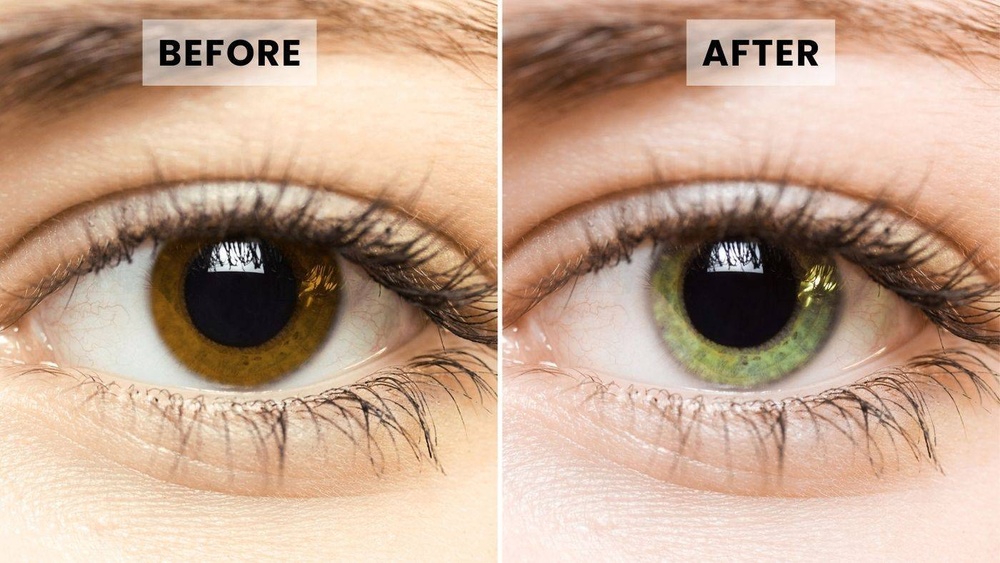
Have you ever glanced in the mirror and wondered, “Can eyes change color?” Maybe you’ve noticed your eye shade looking a bit different in certain lights or moments.
It’s a fascinating question because your eyes are one of the most unique features that define you—and any change can feel surprising or even a little mysterious. Whether you’re curious about natural shifts, aging effects, or medical reasons behind eye color changes, this article will guide you through everything you need to know.
Keep reading to discover how and why your eyes might change color—and when it’s important to get professional advice. Your eyes hold more secrets than you think!
How Eye Color Develops
Eye color begins to form before birth and changes during early life. The color depends on pigments and how light interacts with the iris. Melanin is the main pigment that decides eye color. Higher melanin means darker eyes, while less melanin results in lighter eyes.
Babies often have blue or gray eyes because their irises have little melanin. Over months, melanin builds up, causing eyes to darken or change shade. This process usually finishes by age two, but slight changes can continue later.
Genetics And Eye Color
Eye color is inherited from parents through multiple genes. These genes control melanin production and distribution in the iris. The combination of genes from both parents creates the unique eye color of a child. This is why eye color runs in families but can vary widely.
Role Of Melanin
Melanin is a natural pigment found in skin, hair, and eyes. In the iris, melanin absorbs light and gives color. Brown eyes have high melanin levels, green and hazel eyes have moderate melanin, and blue eyes have little melanin. The exact amount shapes the final color.
Influence Of Light And Environment
Light can affect how eye color looks. Bright sunlight can make eyes appear lighter. Dim light or shadows may make eyes look darker. Changes in surroundings, clothes, or emotions can also influence the perceived color, but the actual pigment stays the same.
Changes Over Time
Eye color can shift slightly with age. Some people notice their eyes becoming lighter or duller as they grow older. Certain health conditions or injuries can also alter eye color. Sudden or large changes in adults should be checked by a doctor.

Credit: www.paddykalish.com
Natural Changes In Infancy
Most babies enter the world with light-colored eyes. Their irises have little melanin at birth. This pigment affects eye color and develops over time. As melanin increases, the eye color changes gradually.
These changes usually happen within the first year or two. The final eye color depends on how much melanin the iris produces. This natural process explains why many babies’ eyes darken as they grow.
Why Do Babies’ Eyes Start Light?
Babies often have blue or gray eyes at birth. The iris is still developing melanin. Low melanin means lighter eye color. The pigment builds up slowly after birth.
How Does Melanin Affect Eye Color?
Melanin is the pigment that gives color to eyes. More melanin results in darker eyes. Less melanin leads to lighter eyes. The amount of melanin in the iris changes during infancy.
When Does Eye Color Settle?
Eye color usually settles by 12 to 24 months. Some children’s eyes change even after two years. The process varies for each baby. Most see stable eye color by toddler age.
Eye Color Shifts With Age
Eye color shifts with age happen naturally for many people. Eyes can look different as melanin changes in the iris over time. These changes are often subtle but noticeable. Understanding how eye color evolves helps explain why our eyes may not stay the same shade forever.
Eye Color Changes In Infants
Most babies are born with blue or gray eyes. Their irises have little melanin at birth. Over months, melanin levels increase. This process darkens the eye color. By age two, eye color usually settles into its permanent shade.
Color Fading In Older Adults
With age, eye color can fade or dull slightly. The iris may lose some pigment as time passes. This change is slow and often subtle. Some people notice their eyes look lighter or less vibrant as they grow older.
Factors That Affect Eye Color Shifts
Pupil size influences how eye color appears. Larger pupils show less iris, making eyes seem darker. Smaller pupils reveal more iris, which can brighten eye color. Lighting and environment also change how eyes look. Different lights and surroundings can make colors seem different.

Credit: www.wsj.com
Impact Of Lighting And Environment
The color of your eyes can seem to change based on lighting and environment. Light plays a big role in how your eye color looks. Different settings can make your eyes appear lighter or darker.
Colors may shift subtly with the way light hits your iris. Natural sunlight, indoor lighting, and shadows all affect eye color perception. Your surroundings also influence the way your eyes reflect light.
Effect Of Natural And Artificial Light
Sunlight enhances the true color of your eyes. Bright daylight can make eyes look more vibrant. Indoor lights, such as warm bulbs, may soften eye color. Fluorescent lights can give a cooler tone. The angle of light changes the iris’ appearance.
Background Colors And Clothing
Colors around you impact how your eyes look. Wearing bright clothes can make your eyes pop. Dark backgrounds might deepen eye color. Light walls or furniture can brighten your eyes. Your environment’s colors reflect in the iris, changing perception.
Emotional State And Pupil Size
Emotions affect pupil size, altering eye color look. When pupils dilate, less iris shows, darkening eye color. Stress or excitement can cause pupil changes. Calm states may shrink pupils, making eyes appear lighter. This change is temporary but noticeable.
Pupil Size And Color Perception
The size of your pupil affects how your eye color looks to others. Pupils expand and shrink depending on light and emotions. This change can make your eye color seem different at times.
When pupils get bigger, less of the colored part of the eye shows. This can make the eye color appear darker or richer. Smaller pupils reveal more of the iris, making the color look lighter or brighter.
Pupil Dilation And Eye Color
Pupil dilation happens in dim light or strong emotions like excitement or fear. The black center of the eye grows larger. This reduces the visible iris area, changing how the eye color is seen.
Pupil Constriction And Color Perception
In bright light, pupils shrink to protect the eye. More of the iris becomes visible. This can make the eye color look clearer and sometimes lighter.
How Lighting And Environment Affect Pupil Size
Light levels around you control pupil size naturally. Different settings cause pupils to adjust constantly. This leads to small shifts in perceived eye color throughout the day.
Medical Causes Of Color Changes
Eye color changes can sometimes signal medical issues. Changes caused by health problems often need prompt attention. Understanding these causes helps recognize when to see a doctor. Below are common medical reasons for eye color changes.
Eye Injuries And Trauma
Injuries to the eye can alter its color. Damage to the iris or surrounding tissues may cause discoloration. Bleeding inside the eye can also change the eye’s appearance. Trauma may lead to permanent or temporary color shifts.
Inflammation And Uveitis
Uveitis is inflammation inside the eye that affects the iris. This condition can cause redness and color changes. It often results from infections or autoimmune diseases. Untreated uveitis can lead to serious vision problems.
Neurological Conditions
Certain neurological disorders affect eye color by changing nerve signals. Horner’s syndrome is a known example causing one pupil to appear lighter. These changes happen due to nerve damage or compression. Early diagnosis is important for treatment.
Effects Of Medications
Some eye medications can darken or lighten the iris over time. Glaucoma drugs, for instance, may cause increased pigmentation. These changes usually develop slowly and are harmless. Patients should follow doctors’ advice and report any changes.
Risks Of Eye Color Change Procedures
Eye color change procedures have grown in popularity, but they carry serious risks. These procedures aim to alter the eye’s natural color permanently. Understanding the dangers is crucial before considering any treatment. Many risks can affect vision and eye health, sometimes leading to permanent damage.
Risks Of Laser Eye Color Change
Laser methods remove pigment from the iris to lighten eye color. This can cause severe inflammation inside the eye. Some patients experience increased eye pressure, leading to glaucoma. Glaucoma can cause permanent vision loss if untreated. The procedure may also cause damage to the cornea or retina.
Complications From Iris Implant Surgery
Iris implant surgery inserts a colored artificial iris into the eye. This invasive method carries high risks of infection and inflammation. The implant can cause chronic eye pain and redness. It may also lead to cataracts or damage to the natural iris. Many patients require additional surgeries to fix complications.
Long-term Vision Problems
Changing eye color through surgery or laser can lead to lasting vision issues. These include blurry vision, halos, or double vision. Some patients develop permanent light sensitivity. Untreated complications may result in partial or total blindness. Regular eye exams are essential after any procedure.
Why Natural Eye Color Change Is Safer
The eye’s color can change naturally due to age or health conditions. These changes are gradual and pose no risk. Natural shifts in eye color do not require medical intervention. Unlike surgery, natural changes do not harm eye function or vision.
When To Consult An Eye Doctor
Changes in eye color can happen naturally, especially in babies. Adults may notice slight shifts due to lighting or emotions. Sudden or dramatic changes in eye color should never be ignored. These changes might point to health problems. Knowing when to see an eye doctor is important for your eye health.
Early consultation can help catch serious issues before they worsen. Regular checkups keep your eyes healthy and your vision clear. Watch for signs that need medical attention.
Sudden Change In Eye Color
A quick change in eye color in one or both eyes requires immediate attention. This may signal inflammation, infection, or other eye diseases. Do not wait to get an eye exam if this happens.
Eye Pain Or Vision Problems
Eye color changes accompanied by pain, redness, or blurry vision are warning signs. These symptoms might indicate glaucoma, uveitis, or other serious conditions. Prompt medical care can prevent permanent damage.
Injury Or Trauma To The Eye
Any injury to the eye can cause color changes. Trauma may affect the iris or other eye parts. Visit an eye doctor right after an eye injury to avoid complications.
New Spots Or Darkening On The Iris
Dark spots or unusual markings on the iris should be checked by a specialist. These changes might be harmless or signal tumors or pigment disorders. Early diagnosis is key.
Changes In Eye Color With Other Health Issues
Some diseases like Horner’s syndrome or Wilson’s disease affect eye color. If you notice changes along with other symptoms, see an eye doctor. A full health evaluation may be needed.
Rare Conditions Affecting Eye Color
Some unusual medical conditions can change eye color. These changes are often subtle but can be permanent. They might affect one or both eyes. Such changes may signal health issues. Knowing about these conditions helps in early detection and care.
Rare conditions often alter the iris pigmentation. The iris is the colored part of the eye. Changes can include darkening, lightening, or patches of different colors. These shifts do not happen often but are important to understand.
Horner’s Syndrome
Horner’s syndrome affects the nerves controlling the eye. It can cause one eye to look lighter in color. This happens due to a loss of pigment in the iris. The condition may also cause drooping eyelids and smaller pupils.
Waardenburg Syndrome
Waardenburg syndrome is a genetic disorder. It may cause bright blue eyes or different colored eyes. Some people have patches of lighter color in their irises. Hearing loss can also be linked to this syndrome.
Fuchs’ Heterochromic Iridocyclitis
This rare eye inflammation can change eye color. It usually affects one eye and makes it lighter. People may also experience blurry vision or discomfort. The cause is unknown but it requires medical attention.
Pigmentary Glaucoma
Pigmentary glaucoma is a type of eye pressure disease. It can cause pigment to spread in the eye. This may lead to a darker eye color in some cases. Treatment is needed to prevent vision loss.
Nevi Of The Iris
Nevi are small, benign growths on the iris. They look like freckles or moles on the eye. These spots can change color over time. Most are harmless but should be monitored by a doctor.
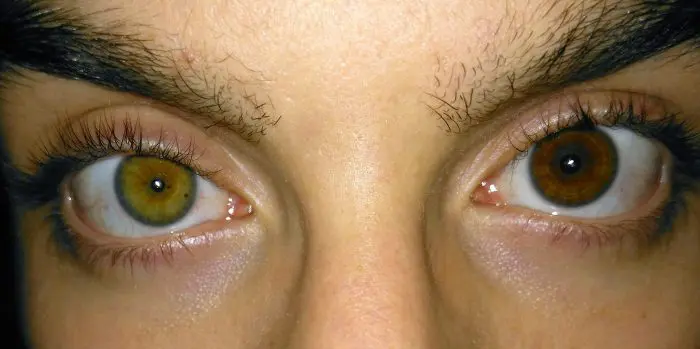
Credit: eyedoctorsite.com
Temporary Vs Permanent Changes
Eye color can seem to shift for many reasons. Some changes last only a short time. Others are permanent and cannot be reversed.
Understanding the difference helps you know what to expect and when to see a doctor. Temporary changes often result from light, mood, or health. Permanent changes usually involve genetics or medical procedures.
Temporary Changes In Eye Color
Temporary changes happen because of light and pupil size. In dim light, pupils get bigger, showing less iris. This makes eyes look darker.
Strong light causes pupils to shrink, revealing more iris color. Mood and emotions also affect pupil size. This can make eyes appear lighter or darker.
Clothing and surroundings can reflect on the iris. This reflection can change how eye color looks for a short time.
Permanent Changes In Eye Color
Permanent changes are rare and often genetic. Babies’ eyes change color in the first years as melanin grows. This color usually stays for life.
Some medical conditions cause lasting color change. Trauma or diseases can alter iris pigment permanently.
Surgical procedures can also change eye color. These are irreversible and carry risks. Always consult a specialist before considering such options.
Frequently Asked Questions
Can Your Eyes Naturally Change Color?
Yes, eyes can naturally change color during infancy as melanin develops and sometimes with aging or health conditions. Sudden adult changes need a doctor’s evaluation.
Why Do Brown Eyes Turn Green?
Brown eyes can turn green due to changes in melanin levels or light scattering in the iris. Aging, lighting, and emotions also influence this shift.
What Causes Eye Color To Change Later In Life?
Eye color can change later in life due to aging, pupil size shifts, lighting, injury, inflammation, medications, or certain health conditions. Sudden or significant changes require medical evaluation.
Can Eyes Change Color Naturally Over Time?
Yes, eye color can change naturally during infancy and sometimes with age due to melanin changes.
Why Do Babies’ Eyes Change Color After Birth?
Babies often have blue or gray eyes that darken as melanin develops in the iris over months.
Can Lighting Affect How Eye Color Appears?
Lighting and surroundings can change the perceived eye color by reflecting differently off the iris.
Does Pupil Size Impact Eye Color Appearance?
Yes, pupil dilation or constriction can alter how much iris shows, changing the eye’s visible color.
Can Eye Color Change Due To Aging?
Eye color may slightly dull or lighten as a person gets older, but changes are usually subtle.
Are Medical Conditions Able To Change Eye Color?
Certain diseases and eye injuries can cause noticeable changes in eye color and should be checked by a doctor.
Can Emotions Cause Temporary Eye Color Changes?
Emotions can affect pupil size, which may make eye color appear different temporarily.
Conclusion
Eyes can change color naturally, mostly in babies and sometimes with age. Lighting and emotions may also alter how eye color looks. Certain health problems can cause sudden changes, so seeing a doctor is important. Permanent color changes usually need medical procedures, but these carry risks.
Understanding how and why eyes change helps you appreciate this unique trait. Keep an eye on any sudden shifts to protect your eye health. Your eyes tell a story, sometimes changing with time and life.