
Have you ever caught yourself wondering if your eye color can actually change as you get older? Maybe you’ve noticed your brown eyes looking a bit greener, or your blue eyes seeming lighter than before.
It’s not just your imagination—your eye color can shift over time, and understanding why can be both fascinating and important. You’ll discover the surprising reasons behind these changes, from natural aging and genetics to environmental effects and even health warnings you shouldn’t ignore.
Keep reading to learn how your eyes might be telling you more than just how you feel—they could be revealing hidden stories about your body and your life.
Eye Color Basics
Eye color depends on the amount and type of pigment in the iris. Melanin is the main pigment that gives color to the eyes. The more melanin present, the darker the eye color appears.
Eye color ranges from very light blue to dark brown. It forms early in life and usually stays the same. Some subtle changes can happen naturally over time.
What Determines Eye Color?
Genes control how much melanin the iris produces. Multiple genes work together to set the final eye color. This is why family members may share similar eye colors.
Different types of melanin cause different colors. Brown eyes have a lot of melanin. Blue eyes have less melanin and more light scattering.
How Eye Color Is Measured
Eye color is often described by the hue and the pattern of the iris. The iris has layers that reflect light differently. This can create unique colors and patterns in each person.
Doctors sometimes use special cameras or tools to study eye color. This helps in detecting unusual changes or medical issues.
Common Eye Colors
Brown is the most common eye color worldwide. Blue and green eyes are less common but are found in many populations. Hazel eyes combine brown, green, and gold tones.
Rare colors include gray and amber. These colors result from unique combinations of melanin and light reflection.

Credit: www.reddit.com
Genetics And Eye Color
Eye color depends largely on genetics. Genes control the amount and type of pigment in the iris. This pigment, called melanin, gives eyes their color. The more melanin, the darker the eyes appear. Less melanin results in lighter eye colors like blue or green.
Several genes interact to determine eye color. This interaction can create a wide range of shades. Eye color can also change slightly over time due to genetic factors. These changes happen slowly and are natural.
How Genes Affect Eye Color
Genes inherited from parents decide the eye color of a child. Some genes are dominant and others are recessive. Dominant genes usually result in darker eyes. Recessive genes often lead to lighter eye colors.
Many genes combine to form the final eye color. This complex process explains why siblings can have different eye colors. It also explains why eye color can shift subtly with age.
Melanin And Its Role
Melanin is the key pigment in the iris. Its amount changes the eye color. High melanin means brown eyes. Low melanin means blue or green eyes. The type of melanin also matters for color shade.
Melanin levels can fluctuate slightly over time. This can cause the eye color to appear different. These changes are usually gentle and gradual.
Genetic Changes Over Time
Some genetic factors influence eye color as you age. Melanin production may reduce slowly over the years. This reduction can lighten the eye color slightly.
Genetic traits can also cause central heterochromia. This condition makes the inner iris a different color. It may create the illusion of eye color change with age.
Melanin’s Role
Melanin controls the color of your eyes by absorbing light. As melanin levels change with age, eye color can slowly shift. Less melanin often makes eyes appear lighter over time.
Understanding Melanin And Eye Color
Melanin is the pigment that gives color to the eyes, skin, and hair. The amount and type of melanin in the iris determine eye color. More melanin results in darker eyes, while less melanin leads to lighter eyes. Brown eyes have the highest melanin concentration, and blue eyes have the least.
Eye color can change slightly over time as melanin levels shift. This change is usually subtle and happens slowly. Babies often have lighter eyes at birth that darken as melanin develops in the first years of life.
Melanin Changes With Age
Melanin production can decrease with age, causing eyes to lighten. Some people may notice a gradual shift from dark brown to a lighter shade. This change is natural and varies from person to person.
In rare cases, melanin can increase or redistribute in the iris, slightly darkening the eye color. These changes happen over many years and are part of the aging process.
Factors Affecting Melanin And Eye Color
Sun exposure influences melanin levels in the iris, similar to how it affects skin. More sunlight can increase melanin, making eyes appear darker temporarily. Less sunlight may cause a slight lightening effect.
Health and hormonal changes also impact melanin. Some medical conditions affect melanin cells in the eye, which may lead to noticeable color changes. Always consult a doctor if sudden eye color changes occur.
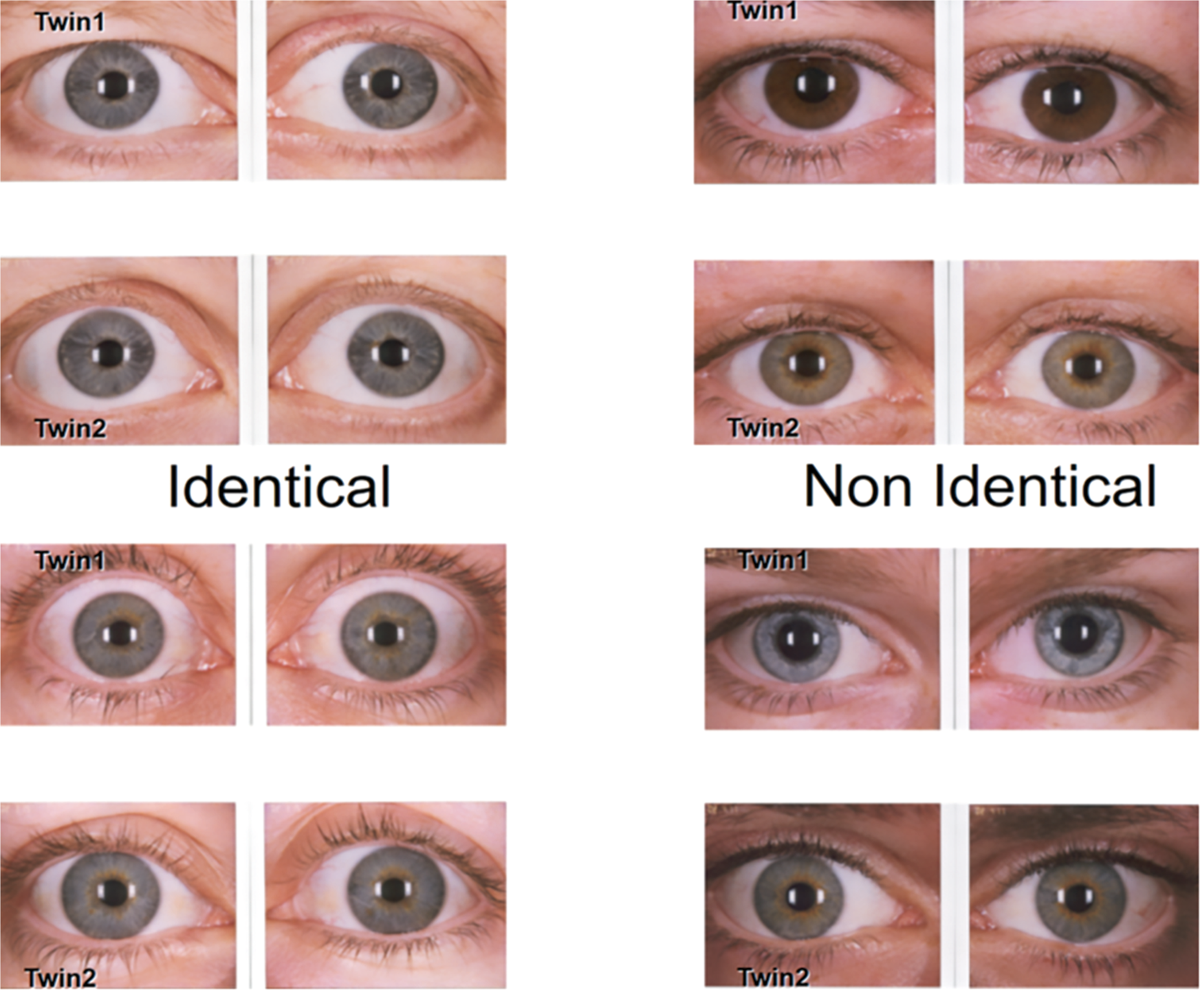
Credit: www.nature.com
Age-related Changes
Eye color can shift subtly as people grow older due to changes in melanin levels. Lighting and pupil size also affect how eye color looks at different ages. Sudden or drastic changes should be checked by a doctor to ensure eye health.
How Eye Color Changes Over Time
Eye color can shift as people grow older. This change happens slowly and is usually subtle. The amount of melanin, the pigment in the iris, can decrease with age. Less melanin may make the eyes look lighter or duller.
In some cases, changes in eye color are linked to genetics. Genes control how much melanin is made and stored. These genetic factors can cause gradual color shifts over many years.
Common Age-related Eye Color Changes
Babies often have blue or gray eyes at birth. Their eye color may darken during the first few years. This change is due to melanin production increasing after birth.
Adults may notice their eye color fades slightly with age. Brown eyes can become lighter brown or hazel. Blue eyes may look more faded or grayish.
Some older adults develop a ring of gray or white around the iris. This is called arcus senilis and is a normal sign of aging. It does not usually affect vision or eye color directly.
When To Seek Medical Advice
Sudden or dramatic changes in eye color are rare and should be checked by a doctor. This may signal an eye disease or other health issue.
Conditions like glaucoma or Horner’s syndrome can cause eye color changes in adults. These require prompt medical attention.
Regular eye exams help monitor any unusual changes. Early detection protects eye health and vision.
Lighting And Pupil Effects
Lighting and pupil size affect how eye color appears. Eyes do not truly change color fast, but they can look different under various lights. The pupil controls how much light enters the eye. Its size changes with light levels and emotions. These changes can reveal different shades in the iris.
The iris has layers with colors that mix. When the pupil dilates, it shows more of the iris’s colors. This can make eyes look lighter or darker. Sometimes, a brown eye can look greenish due to this effect. The way light hits the eye also plays a key role.
How Lighting Influences Eye Color
Bright light makes pupils smaller. This limits the colors visible in the iris. Eyes often appear darker in bright light. In dim light, pupils expand. This shows more of the iris’s base colors, such as blue or gray. These colors mix with brown or yellow tones. The mix can create a greenish or hazel look.
The Role Of Pupil Dilation
Pupil size changes with light and emotions. When pupils dilate, they expose more of the iris. This reveals hidden colors beneath the surface. People may notice their eye color seems to shift. For example, a person with brown eyes might see a green tint. This happens because the base colors become more visible.
The Tyndall Effect And Eye Color
The Tyndall effect scatters light in the iris. It works like the sky’s blue color. Light scattering makes eyes with less melanin look blue or green. This effect combines with pupil changes. It creates subtle shifts in eye color appearance. Eyes with moderate brown pigment can look green due to this scattering.
Tyndall Effect Explained
The Tyndall effect is a key reason why eye color may seem to change. It happens when light scatters as it passes through the layers of the iris. This scattering affects how we see the color of the eyes.
In eyes with less melanin, light scatters more. This makes the blue tones in the iris more visible. The mix of light and melanin creates shades like green or hazel.
What Is The Tyndall Effect?
The Tyndall effect occurs when light scatters in small particles. In the iris, these particles are tiny structures and pigments. Scattered light changes the color we perceive.
How Does It Affect Eye Color?
People with low to moderate melanin show the Tyndall effect most. Light scatters in the stroma, the front layer of the iris. This scattering reveals blue hues that mix with brown or yellow.
Why Do Eyes Appear Green?
Green eyes often result from the Tyndall effect plus melanin. Brown or yellow pigments combine with scattered blue light. This mix makes the eyes look green or hazel.
Does The Tyndall Effect Change With Age?
The Tyndall effect itself does not change, but melanin levels can. As people age, melanin may fade slightly. This shift can alter how much light scatters, changing eye color subtly.
Central Heterochromia
Central heterochromia causes the inner iris to have a different color than the outer part. This can make eyes look like they change color as a person ages. Changes in melanin or pupil size often affect how this color shift appears.
What Is Central Heterochromia?
Central heterochromia is a unique eye condition. It means the inner ring of the iris has a different color than the outer part. This difference creates a striking look in the eyes.
People with central heterochromia often have a mix of colors. For example, the inner ring can be golden or brown, while the outer iris is blue or green. This contrast can make the eyes appear to change color under certain lights or emotions.
How Central Heterochromia Affects Eye Color Change
Central heterochromia can cause subtle shifts in eye color over time. The inner ring’s color may stay the same, but the outer iris can look lighter or darker. Changes in pupil size also change how much of each color you see.
As people age, melanin levels in the iris may change slightly. This can make the colors in central heterochromia more or less visible. The result is a natural variation in eye color, without any disease or harm.
Why Central Heterochromia Is Not A Health Concern
Central heterochromia is usually harmless. It does not affect vision or eye health. Most people do not even notice it unless they look closely at their eyes.
If eye color changes suddenly or is accompanied by pain or vision problems, see an eye doctor. But central heterochromia alone does not require treatment or worry.
Credit: www.nature.com
Medical Conditions Impact
Eye color can change due to several medical conditions. These conditions affect the pigments or structure of the iris. Sometimes, they may cause sudden or noticeable changes in eye color. Understanding these health issues helps identify when to seek medical advice.
Inflammation And Eye Color Changes
Inflammation inside the eye can change its color. Conditions like uveitis cause swelling in the iris. This swelling may lead to discoloration or darkening of the eye. Uveitis requires prompt treatment to prevent vision loss.
Horner’s Syndrome And Eye Appearance
Horner’s syndrome affects the nerves controlling the eye. It can cause one pupil to become smaller and the iris to lighten. This change in color is often subtle but noticeable over time. The condition usually results from nerve damage.
Pigmentary Glaucoma’s Role In Eye Color
Pigmentary glaucoma occurs when pigment granules block eye fluid drainage. This buildup can change the iris color. The eye may appear darker or patchy. Early detection and treatment are essential to avoid vision damage.
Waardenburg Syndrome And Eye Color Variations
Waardenburg syndrome is a genetic disorder. It can cause very light or different colored eyes. People with this syndrome may have one blue eye and one brown eye. The change is present from birth but may become more obvious with age.
Other Medical Causes Of Eye Color Change
Some tumors or eye injuries can alter iris color. Certain medications also affect pigmentation in the eye. Any sudden or unusual change in eye color should prompt a medical check-up. Early diagnosis helps manage potential health risks.
Diet And Eye Color
Diet plays a subtle role in the appearance of eye color over time. While genetics primarily determine eye color, the foods consumed can influence the health and vibrancy of the eyes. Nutrients in certain foods support the tissues of the eyes and may impact how light interacts with the iris. This interaction can affect the perceived color of the eyes.
Healthy eating promotes good circulation and reduces inflammation, which helps maintain eye clarity. Some vitamins and minerals are known to support eye health and could indirectly affect eye color perception. The following sections explore how diet links to eye color changes.
Foods Rich In Antioxidants And Eye Health
Antioxidants protect eye cells from damage caused by free radicals. Blueberries, spinach, and kale are high in antioxidants. These foods support the tissues in and around the iris. A well-nourished iris may reflect light differently, making eye color appear brighter or more vivid.
Vitamin A And Eye Pigmentation
Vitamin A is crucial for overall eye health and vision. Carrots, sweet potatoes, and pumpkin provide vitamin A. This vitamin helps maintain the cells in the retina and the iris. Healthy cells may enhance the natural eye color without changing the pigment itself.
Omega-3 Fatty Acids And Eye Clarity
Omega-3 fatty acids improve blood flow and reduce dryness in the eyes. Fish, flaxseeds, and walnuts are excellent sources. Improved blood flow can affect how the iris looks under different lighting. Clearer eyes might give the illusion of a subtle shift in color.
Hydration And Eye Brightness
Proper hydration keeps the eyes moist and vibrant. Drinking enough water prevents dullness in the iris. Hydrated eyes reflect light better, which may make eye color appear more intense. Dry eyes can look dull and tired, affecting color perception.
When To See A Doctor
Not all eye color changes are harmless. Some changes require medical attention. Knowing when to see a doctor can protect your eye health and overall well-being.
Sudden or significant color changes may signal an underlying problem. Early diagnosis helps prevent serious issues. Pay attention to other symptoms that appear with the color change.
Sudden Eye Color Change
Sudden shifts in eye color can mean health trouble. This may include inflammation, trauma, or disease. Do not ignore rapid changes in iris color. Visit an eye specialist immediately for a full check-up.
Eye Pain Or Vision Problems
Eye pain with color change is a warning sign. Blurred vision, light sensitivity, or seeing halos need urgent care. These symptoms can indicate infections or glaucoma. Seek medical help without delay.
Signs Of Eye Infection
Redness, swelling, or discharge alongside color change may mean infection. Infections can worsen fast and cause damage. A doctor can provide the right treatment. Avoid self-medicating or ignoring these signs.
Changes In Pupil Size Or Shape
Unequal or unusual pupil size with color change needs evaluation. This might suggest neurological issues or eye trauma. An eye doctor can run tests to find the cause. Early care improves outcomes.
History Of Eye Disease Or Injury
People with previous eye problems should monitor color changes closely. Past injuries or conditions increase risks for complications. Regular eye exams help catch new issues early. Consult your doctor if you notice any change.
Frequently Asked Questions
Why Did My Brown Eyes Turn Green?
Your brown eyes may look green due to lighting, pupil dilation, or gradual melanin changes. Genetics and age also affect eye color. Sudden changes need an eye doctor’s evaluation to rule out health issues.
What Are The Top 3 Rarest Eye Colors?
The top 3 rarest eye colors are green, amber, and violet. Green eyes occur in 2% of the population. Amber eyes have a golden, coppery hue. Violet eyes are extremely rare, caused by a mix of red and blue hues.
Can Blue Eyes Turn Brown?
Blue eyes can appear to turn brown due to lighting, pupil dilation, or aging. True permanent change from blue to brown is rare. Consult an eye doctor if eye color changes suddenly or noticeably.
Do Brown Eyes Turn Hazel With Age?
Brown eyes can gradually appear hazel with age due to melanin changes and light scattering in the iris. Sudden changes need medical advice.
Can Eye Color Naturally Change As We Get Older?
Eye color can slowly change due to melanin fading or genetic factors over time.
Why Do My Brown Eyes Sometimes Look Green?
Lighting, pupil size, and light scattering can make brown eyes appear green.
Is It Common For Babies’ Eye Color To Change?
Yes, many babies’ eye color changes during the first year as melanin develops.
Can Medical Conditions Cause Sudden Eye Color Changes?
Certain diseases or injuries can cause quick eye color changes; see a doctor if this happens.
Does Pupil Dilation Affect How Eye Color Looks?
Yes, dilated pupils reveal more iris color, sometimes changing the eye’s apparent shade.
What Is Central Heterochromia And How Does It Affect Eye Color?
Central heterochromia means the iris center is a different color, creating mixed eye tones.
Conclusion
Eye color can change subtly with age but usually stays stable. Factors like lighting, genetics, and health impact eye color appearance. Sudden or large changes in eye color need medical attention. Most people’s eye color changes slowly or not at all.
Understanding this helps you appreciate your unique eyes. Keep an eye on any unusual changes and stay healthy. Your eyes tell a story of genetics and life’s journey.