Have you ever wondered if grizzly bears roam the wilds of Colorado? If you love exploring the outdoors or simply want to know what creatures share this beautiful state with you, this question matters.
The idea of spotting a massive grizzly nearby can be thrilling but also a bit intimidating. So, are there really grizzlies in Colorado today? What happened to them if they once lived here? And could you actually encounter one on your next hike?
Keep reading to discover the surprising history, current facts, and future possibilities about grizzly bears in Colorado—knowledge that every nature lover and adventurer should have.
Grizzly Bear History In Colorado
Grizzly bears once roamed widely across Colorado’s forests and mountains. These powerful animals were part of the natural landscape for centuries. Their presence shaped the ecosystems and the culture of the region.
Over time, grizzly bears faced many threats. Human expansion and hunting led to their sharp decline. By the late 1900s, grizzlies had vanished from Colorado’s wild.
Early Presence Of Grizzlies In Colorado
Historical records show grizzly bears lived throughout Colorado. They favored remote, forested areas and alpine regions. Native peoples respected and feared these large animals. Grizzlies played a role in local stories and traditions.
Causes Of Grizzly Extinction In Colorado
Hunting was the main cause of grizzly bear extinction here. Ranchers saw them as threats to livestock. Federal trappers were hired to remove bears from the land. This led to rapid population loss by the early 1900s.
Habitat loss also played a role. Expanding farms and towns pushed bears out of their homes. Conflicts between bears and humans increased as a result.
Last Confirmed Sightings And Official Decline
The last confirmed grizzly bear in Colorado was seen in 1979. Since then, no verified sightings have been reported. Colorado Parks and Wildlife officially considers grizzlies extinct in the state. Their disappearance marks the end of an era.
Current Views On Grizzly Bear Restoration
Some groups want to bring grizzly bears back to Colorado. They believe bears can help restore natural balance. Plans focus on carefully chosen wilderness areas. Experts study the risks and benefits before any action.
Restoring grizzlies would require public support and careful management. The idea remains controversial but sparks interest in wildlife conservation.

Credit: coloradosun.com
Last Sightings And Extinction
The story of grizzly bears in Colorado is one of loss and change. These powerful animals once roamed freely across the state. Their presence shaped the natural landscape and local culture.
Today, grizzly bears no longer live in Colorado. The last sightings mark the end of an era. Understanding these final encounters helps us grasp how and why grizzlies disappeared.
Last Confirmed Sightings Of Grizzlies In Colorado
The last known grizzly bear in Colorado was seen in 1979. Wildlife officials confirmed this sighting through reports and evidence. Since then, no verified grizzly bears have been found in the state.
Before 1979, grizzlies were spotted occasionally in remote wilderness areas. These sightings became rarer over time due to shrinking populations. The bears moved further from human settlements as threats increased.
Reasons Behind Grizzly Extinction In Colorado
Grizzly bears faced intense hunting pressure in Colorado. Settlers and ranchers saw them as threats to livestock and safety. This led to widespread trapping and killing of the bears.
Conflicts with sheep ranchers were especially common. Federal trappers worked alongside ranchers to remove grizzlies. This effort greatly reduced the bear population.
Habitat loss also played a role. Expanding agriculture and development pushed bears out of their natural homes. Over time, these factors combined to wipe out grizzlies in Colorado.
Official Declaration Of Grizzly Extinction
Colorado Parks and Wildlife officially declared grizzly bears extinct in the state. This declaration came after years without confirmed sightings. It marked the end of grizzlies as a native species in Colorado.
The declaration helps guide wildlife management and conservation plans. It also informs public understanding of the state’s natural history. Recognizing this loss encourages protection of other species and habitats.
Potential For Future Grizzly Reintroduction
Some groups advocate bringing grizzly bears back to Colorado. They argue the bears can thrive again in protected wilderness areas. Reintroduction efforts depend on careful study and public support.
Restoring grizzlies could help rebalance ecosystems and boost biodiversity. Yet, challenges remain. These include ensuring human safety and managing land use conflicts.
Colorado’s future with grizzlies remains uncertain. The idea sparks debate and hope among conservationists and residents alike.
Causes Of Grizzly Decline
The decline of grizzly bears in Colorado happened over many years. Human activities played a big role in reducing their numbers. Understanding these causes helps explain why grizzlies no longer roam the state.
Grizzly bears faced many threats. These threats made it hard for their populations to survive and grow. Two main causes stand out: hunting and trapping, and conflicts with agriculture.
Hunting And Trapping
Hunting and trapping were major reasons for grizzly decline. People hunted bears for sport and safety. Trappers set traps to catch or kill bears seen as threats. These actions reduced bear numbers quickly. Bears had little chance to recover from heavy hunting. The fear of bears led to their widespread killing.
Agricultural Conflicts
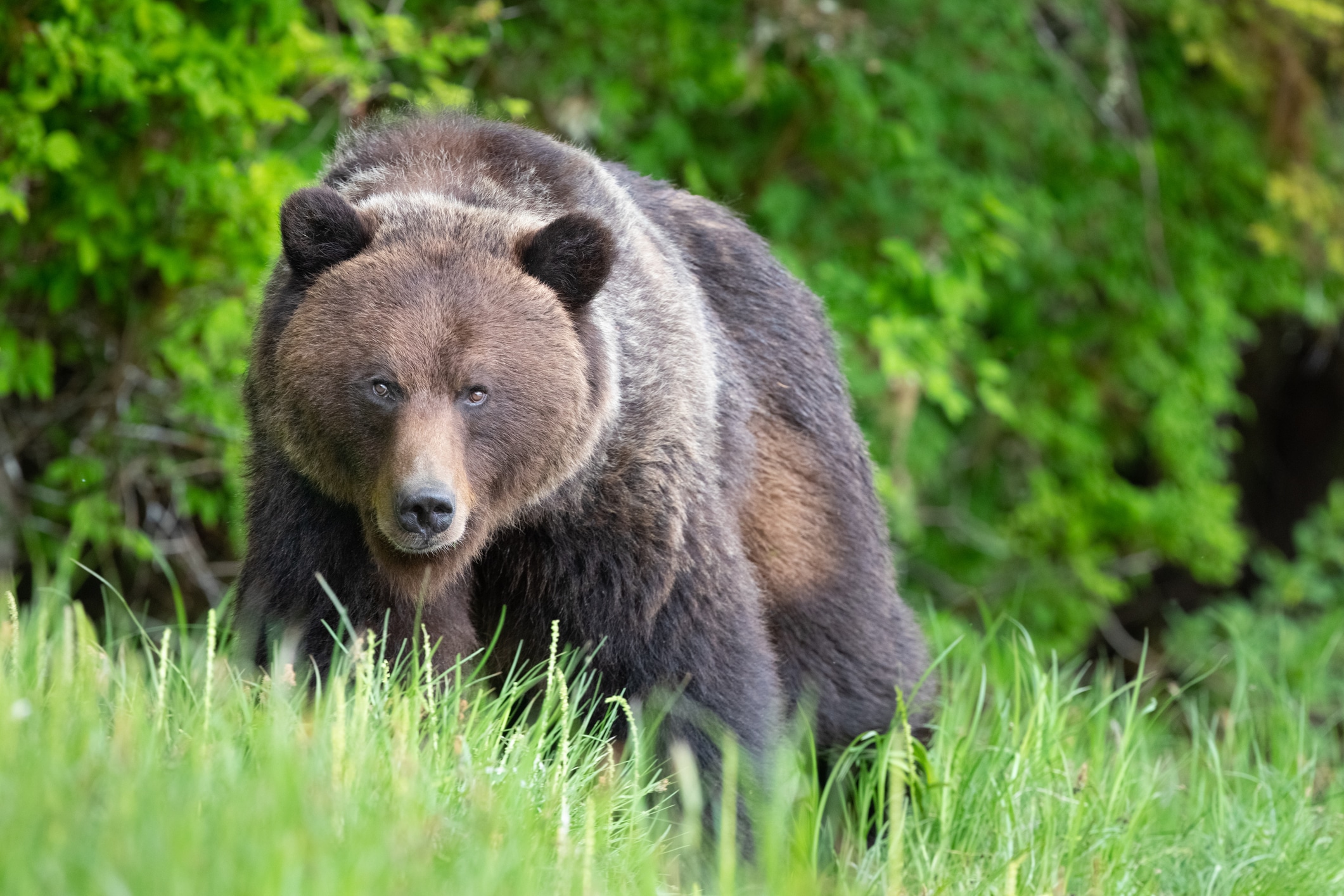
Grizzlies often came into conflict with farmers and ranchers. Bears would raid livestock, especially sheep and cattle. Ranchers saw bears as a danger to their animals and income. Many bears were killed to protect livestock. Federal trappers helped ranchers remove bears from the land. These conflicts pushed grizzlies out of Colorado’s farming areas.
Credit: www.rockymtnresorts.com
Current Grizzly Status
Grizzly bears no longer roam Colorado; they were hunted to extinction by the late 1970s. Some groups hope to bring them back to wild areas in the future. For now, only black bears live in the state’s forests and mountains.
Grizzly bears no longer roam wild in Colorado. The last confirmed grizzly sighting was in 1979. Since then, there have been no verified reports of grizzlies in the state.
The bears were hunted to extinction in Colorado. Conflicts with farmers and ranchers led to aggressive trapping and killing. Sheep ranchers played a major role in removing these bears from the region.
Today, Colorado Parks and Wildlife officially classifies grizzlies as extirpated, meaning locally extinct. The state’s natural landscape remains suitable, but the bears have vanished due to human actions.
Reasons For Grizzly Extinction In Colorado
Grizzly bears faced heavy hunting pressure in the 1800s and early 1900s. Trappers and settlers saw them as threats to livestock and safety. This led to widespread killing and trapping campaigns.
Habitat loss and fragmentation made survival harder for the bears. As towns and farms expanded, natural areas shrank. The combined effects caused a sharp population decline.
Potential For Grizzly Reintroduction
Some groups support bringing grizzly bears back to Colorado’s wilderness. They believe reintroduction could restore balance to ecosystems. Efforts include studying suitable habitats and public education.
Reintroduction faces challenges like public safety concerns and rancher opposition. Colorado Parks and Wildlife is cautious and continues research before any action. The future of grizzlies in Colorado remains uncertain.
Grizzly Populations In The Rockies
The Rocky Mountains once hosted many grizzly bears. These large bears lived across wide areas. Their populations have changed over time due to human activity and habitat loss.
Today, grizzly bears mainly live in the northern parts of the Rockies. These areas provide the space and food they need. Understanding where grizzlies live helps in protecting them.
Canadian Rockies
The Canadian Rockies have a strong grizzly bear population. This region covers parts of Alberta and British Columbia. Dense forests and remote valleys create perfect homes for grizzlies.
Grizzlies here find plenty of food like berries, fish, and small mammals. Protected parks, like Banff and Jasper, help keep these bears safe. The population here is stable and growing slowly.
Northern Us Rockies
Grizzly bears also live in the northern U.S. Rockies. States like Montana, Idaho, and Wyoming have protected lands for these animals. Yellowstone National Park is a key habitat.
These bears face challenges such as human encounters and limited space. Wildlife agencies monitor their numbers and work to reduce conflicts. The population is small but recovering.
Wildlife In Rocky Mountain National Park
Rocky Mountain National Park is home to many animals. This park has forests, mountains, and rivers. These places give shelter to a variety of wildlife. Visitors can see animals that live in the wild here. The park shows nature in its pure form. It is a great place for nature lovers and photographers.
Common Mammals In The Park
Deer and elk roam the valleys and meadows. Moose are also found near water bodies. Coyotes and foxes hunt small animals. Smaller mammals like squirrels and marmots are easy to spot. These animals add life to the park’s landscape.
Bird Species You Can Spot
The park is a bird watcher’s paradise. Eagles and hawks soar high above the mountains. Songbirds fill the air with sounds in spring. Owls and woodpeckers live in the dense forests. Birds create a lively atmosphere throughout the year.
Are There Grizzlies In Rocky Mountain National Park?
Grizzly bears no longer live in this park. They were hunted until they disappeared. The last grizzly in Colorado was seen in 1979. Today, only black bears live in the park. These bears are smaller and less aggressive. Visitors should still be cautious around all bears.
Reintroduction Efforts
Efforts to bring grizzly bears back to Colorado focus on restoring them in wild areas. Groups work to create safe habitats and protect the species. These projects aim to balance nature and human activities carefully.
Grizzly bears once roamed Colorado’s wild lands but disappeared decades ago. People want to bring them back to restore nature’s balance. Groups and wildlife experts work together on this challenging goal.
The effort focuses on finding safe places for grizzlies to live. They study habitats and food sources to ensure bears can thrive. Plans also consider how to keep people and bears safe.
Support From Conservation Groups
Many conservation groups support grizzly bear reintroduction. They raise awareness about the bears’ role in the ecosystem. These groups also fund research and promote peaceful coexistence between bears and humans.
State And Federal Involvement
Colorado Parks and Wildlife studies the possibility of reintroduction. They work with federal agencies to follow laws protecting wildlife. Careful planning is key to reintroducing grizzlies without harming other species or people.
Challenges And Concerns
Reintroducing grizzlies faces many challenges. Some locals worry about safety and livestock losses. Experts work on solutions like better fencing and education to reduce conflicts.
Future Outlook
Reintroduction may take years of planning and monitoring. Success depends on public support and strong safety measures. If done well, grizzlies could return to Colorado’s forests one day.
Challenges Of Bringing Grizzlies Back
Bringing grizzly bears back to Colorado faces many challenges. These challenges involve nature, people, and the law. Each factor plays a crucial role in the success of any reintroduction plan.
Understanding these challenges helps explain why grizzly bears have not returned yet. The effort requires careful planning, large spaces, and community support.
Habitat Limitations
Grizzly bears need large, wild areas to live and hunt. Colorado’s landscape has changed with roads, towns, and farms. These changes reduce safe spaces for bears. Without enough habitat, bears struggle to find food and avoid humans.
Human-wildlife Conflicts
Bears and people often come into conflict. Bears can damage property or threaten livestock. People may fear for their safety. These conflicts make it hard to gain support for reintroduction. Finding ways to prevent problems is essential.
Legal And Political Hurdles
Reintroducing grizzlies involves many laws and regulations. Agencies must agree on plans and funding. Some local groups oppose the idea. Politicians balance wildlife needs with public concerns. These hurdles slow down or block efforts.
Ecological Balance
Grizzly bears affect ecosystems in many ways. Their return could change animal populations and plant growth. Scientists study these effects carefully. Ensuring a balanced ecosystem is key before bringing bears back.
Conservation Groups And Initiatives
Conservation groups play a vital role in protecting wildlife and restoring lost species in Colorado. These organizations focus on education, research, and advocacy to support the return of grizzly bears. Their efforts aim to balance human activities with nature’s needs.
Several initiatives work to prepare habitats and raise public awareness. They promote coexistence between people and wildlife. Through collaboration with government agencies, these groups push for policies that protect grizzlies and other native animals.
Key Organizations Supporting Grizzly Bear Conservation
Groups like Colorado Parks and Wildlife lead scientific research on habitat conditions. They monitor areas that could support grizzly populations. Nonprofits such as the Rocky Mountain Wolf and Wildlife Center also advocate for bear reintroduction. They organize community outreach and educational programs to reduce fear and misinformation.
Habitat Restoration And Protection Efforts
Restoring natural habitats is essential for grizzly survival. Conservationists work to improve forest health and secure large wilderness corridors. These corridors allow bears to travel safely and find food sources. Protecting water quality and reducing human disturbance are also priorities.
Community Engagement And Education Programs
Educating local communities helps reduce conflicts with wildlife. Workshops and public events teach people how to live alongside bears safely. Conservation groups distribute materials on bear behavior and safety tips. This outreach builds support for grizzly conservation and reduces negative encounters.
Advocacy For Grizzly Bear Reintroduction
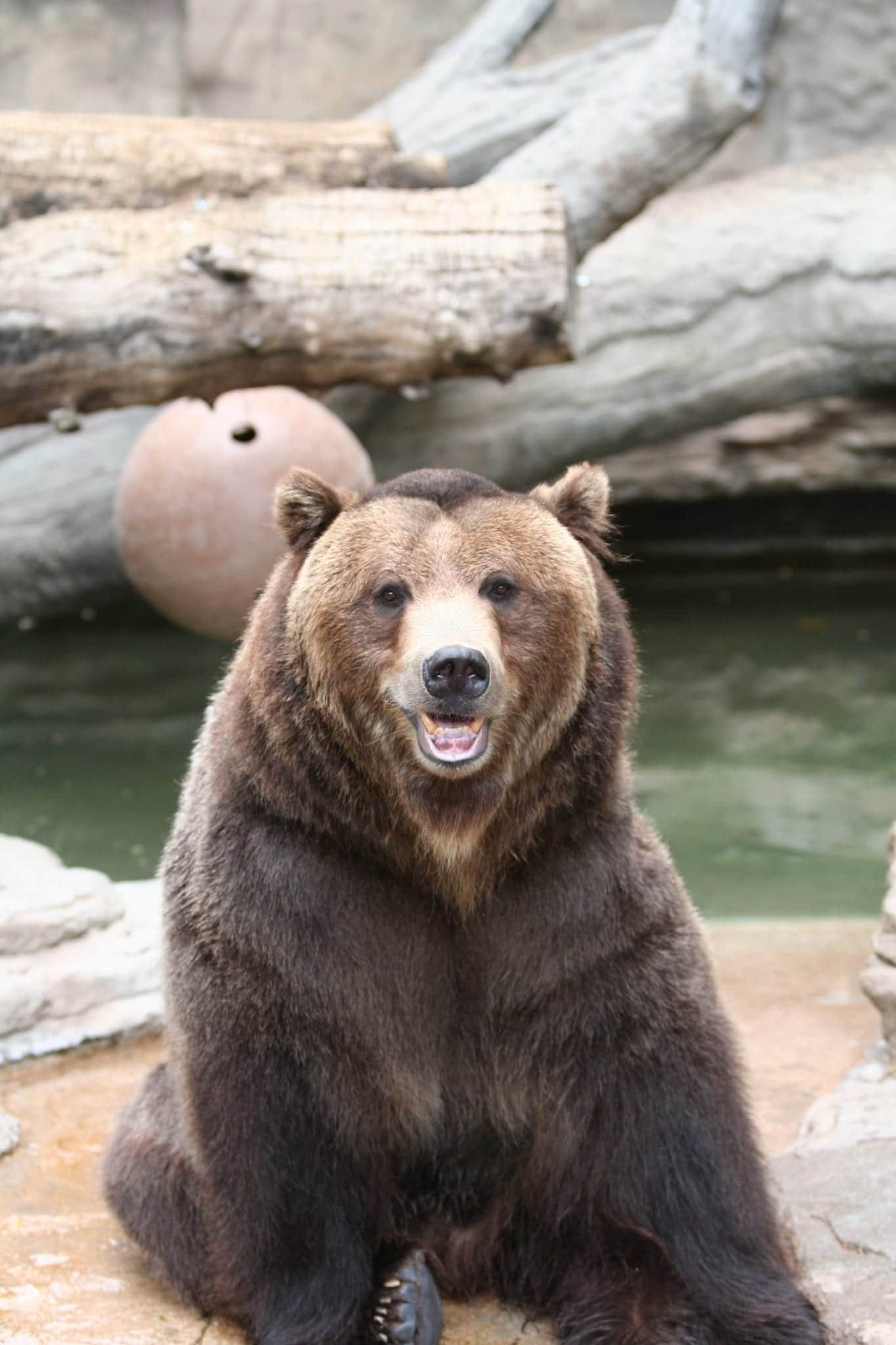
Some organizations actively campaign for bringing grizzlies back to Colorado. They present scientific evidence showing the benefits of reintroduction. These advocates push for government approval and funding. Their goal is to restore ecological balance and biodiversity in the state’s wild areas.
Credit: www.uncovercolorado.com
Future Outlook For Grizzlies In Colorado
The future outlook for grizzlies in Colorado is a topic of growing interest. Grizzly bears once roamed freely here but vanished decades ago. The idea of their return sparks both hope and debate among locals and wildlife experts.
Several groups support bringing grizzlies back to Colorado’s wild areas. They believe grizzlies can restore natural balance and boost biodiversity. This plan involves careful study and planning to avoid conflicts with people and livestock.
Colorado Parks and Wildlife and conservationists are examining suitable habitats. They look for places with enough space, food, and minimal human disturbance. The goal is to create safe zones where grizzlies can thrive without causing problems.
Efforts also focus on educating the public about coexisting with grizzlies. Awareness helps reduce fear and misunderstandings. It teaches how to stay safe and protect the bears.
Potential Reintroduction Efforts
Some organizations push for reintroducing grizzlies to Colorado’s wilderness. They argue the bears belong in the ecosystem. These efforts require permits, funding, and long-term monitoring. Success depends on careful planning and community support.
Challenges To Grizzly Return
Several challenges stand in the way of grizzly return. Human safety and livestock protection are top concerns. Grizzlies need large, undisturbed habitats, which are limited. Conflicts with ranchers and hikers may arise. Addressing these issues is crucial for any reintroduction plan.
Role Of Conservation Groups
Conservation groups advocate for grizzly restoration. They raise awareness and fund research. These groups work with government agencies to shape policies. Their role is vital in balancing wildlife needs with human interests.
Frequently Asked Questions
Where Are There Grizzly Bears In Colorado?
Grizzly bears no longer live in Colorado. The last confirmed sighting was in 1979. They were hunted to extinction.
When Was The Last Grizzly Bear Found In Colorado?
The last grizzly bear in Colorado was found in 1979. Human hunting caused their extinction in the state.
Why Are Grizzly Bears No Longer In Colorado?
Grizzly bears disappeared from Colorado due to intense hunting and conflicts with ranchers. The last confirmed bear was in 1979.
Do The Rockies Have Grizzly Bears?
The Rocky Mountains have grizzly bears mainly in Canada and northern U. S. states. Colorado’s grizzlies were eradicated.
Are There Grizzly Bears Currently In Colorado?
No, grizzly bears are not found in Colorado today. They were hunted to extinction.
When Was The Last Grizzly Bear Seen In Colorado?
The last confirmed grizzly bear in Colorado was spotted in 1979.
Why Did Grizzly Bears Disappear From Colorado?
Grizzlies were hunted and removed due to conflicts with ranchers and farmers.
Could Grizzly Bears Return To Colorado In The Future?
Some groups support reintroducing grizzlies, but no official plans exist yet.
Where Did Colorado’s Grizzly Bears Mainly Live Before Extinction?
They mostly lived in Colorado’s mountains and forests, especially in western areas.
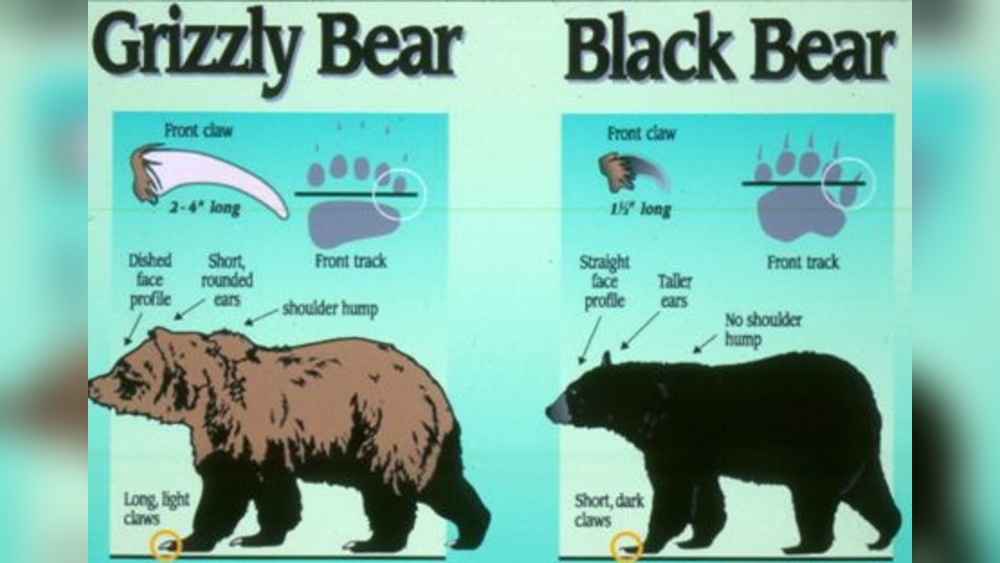
How Can I Tell A Grizzly From A Black Bear In Colorado?
Grizzlies have a distinctive hump on their shoulders and longer claws.
Conclusion
Grizzly bears no longer roam Colorado’s wild lands. Humans hunted them to extinction by the late 1970s. Today, only stories and old records remain. Some groups want to bring grizzlies back to nature. This idea sparks hope and debate among locals.
Until then, Colorado’s forests belong to black bears and other wildlife. Knowing this helps visitors stay safe and respect nature. The past shows the impact humans have on animals. The future might see grizzlies return, but for now, they are gone.