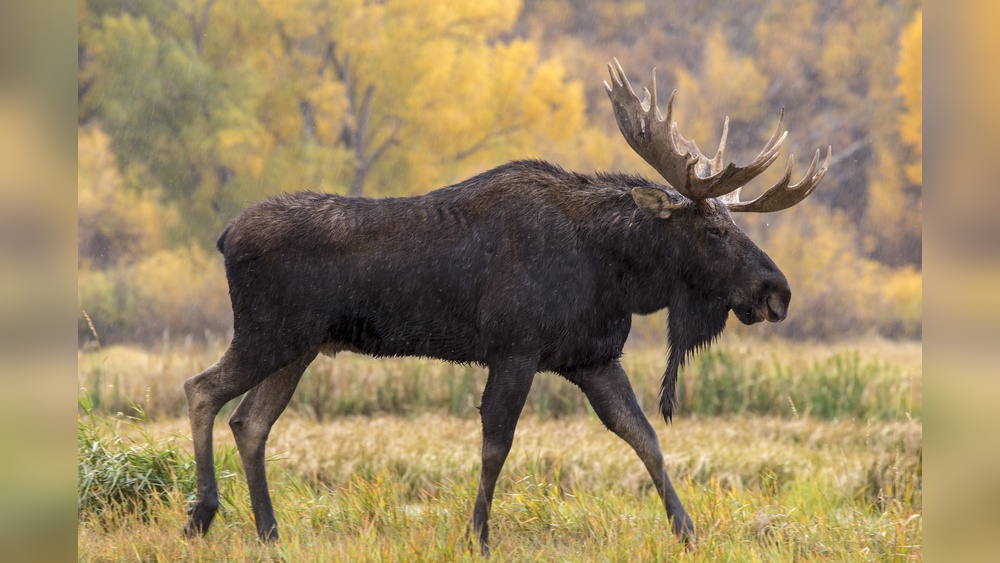
Have you ever wondered if moose roam the wilds of Colorado? If you’re curious about spotting one of these massive creatures during your next outdoor adventure, you’re not alone.
Moose sightings in Colorado have become more common, sparking excitement and questions among locals and visitors alike. But where exactly can you find them, and what should you know before heading out? Keep reading to discover where moose live in Colorado, how to spot them safely, and why their presence is growing across the state.
Your next wildlife encounter might be closer than you think!
Moose Presence In Colorado
Moose are present in Colorado, but they are not very common. They mainly live in cold, mountainous areas. In recent years, their numbers have grown in some parts of the state.
These large animals prefer places with water, like lakes and rivers. They also like forests with willow and aspen trees. Moose stay in areas where they find food and shelter easily.
Where Moose Are Found In Colorado
Moose mostly live in the northern and western parts of Colorado. North Park near Walden has many moose. Grand Mesa, a high mountain area, is another popular place for them.
They also live in the Laramie River Valley and White River National Forest near Meeker. The Rio Grande National Forest has some moose too. These areas offer good food and safe homes.
Moose Sightings Near Cities
Moose sometimes appear near Colorado cities. People have seen them near Golden, Boulder, and Colorado Springs. These sightings are less common but increasing.
Moose come closer to towns looking for food or new territory. Always keep a safe distance if you see a moose near urban areas.
Best Places To Spot Moose
State Forest State Park is known as the “moose capital” of Colorado. Aspen groves and willow bottoms here attract many moose. Lakes and wet areas are also good spots.
Rocky Mountain National Park has moose on both east and west sides. Other places include Steamboat Springs, Gunnison, and Summit County. These spots offer good chances to see moose in the wild.
Primary Moose Habitats
Moose in Colorado thrive in specific habitats that provide food, shelter, and water. These areas offer the right mix of wetlands, forests, and meadows. Understanding their primary habitats helps spot these large animals in the wild. Colorado’s moose population mainly lives in a few key regions. These places have the best conditions for moose to survive and reproduce.
North Park And Walden
North Park, near the town of Walden, is a top moose habitat. This high mountain basin has wide wetlands and dense willow thickets. The area’s rivers and marshes supply plenty of water and food. Aspen groves and open meadows offer good cover. Moose often feed on aquatic plants and young trees here. This region is known as the “moose capital” of Colorado. It supports a healthy and growing moose population.
Grand Mesa Plateau
The Grand Mesa Plateau is a vast, high-elevation area. It features many lakes, streams, and thick forests. Moose find plenty of food in the willow and aspen stands. The cooler climate suits them well. This plateau provides both shelter and water sources year-round. Moose numbers have increased on the Grand Mesa in recent years. It remains one of the best places to see moose in Colorado.
White River And Rio Grande Forests
The White River and Rio Grande National Forests cover large mountain areas. These forests have mixed woodlands, wetlands, and grassy clearings. Moose live near water bodies like rivers and ponds. They rely on the abundant willow and shrub growth here. The forests also offer protection from harsh weather. Moose sightings are common in the drainages and valleys of these forests. This region helps support Colorado’s expanding moose range.
Expanding Moose Range
Moose in Colorado are spreading to new places. Their range is growing beyond traditional habitats. This expansion means you can spot moose in more areas now. Changes in environment and food availability help moose move into new regions. Let’s explore some key locations where moose are expanding their range.
Rocky Mountain National Park
Moose have appeared on both east and west sides of this park. They use various drainages and wetlands for food and shelter. The park’s diverse landscape supports a growing moose population. Visitors often see moose near aspen groves and willow patches. This area is becoming a favorite spot for moose in Colorado.
Laramie River Valley
The Laramie River Valley is a stronghold for Colorado moose. It offers rich vegetation and water sources ideal for moose. This valley connects Colorado to Wyoming, helping moose travel and spread. Moose sightings here have increased over recent years. The habitat suits moose needs for food and cover well.
Other Mountainous Areas
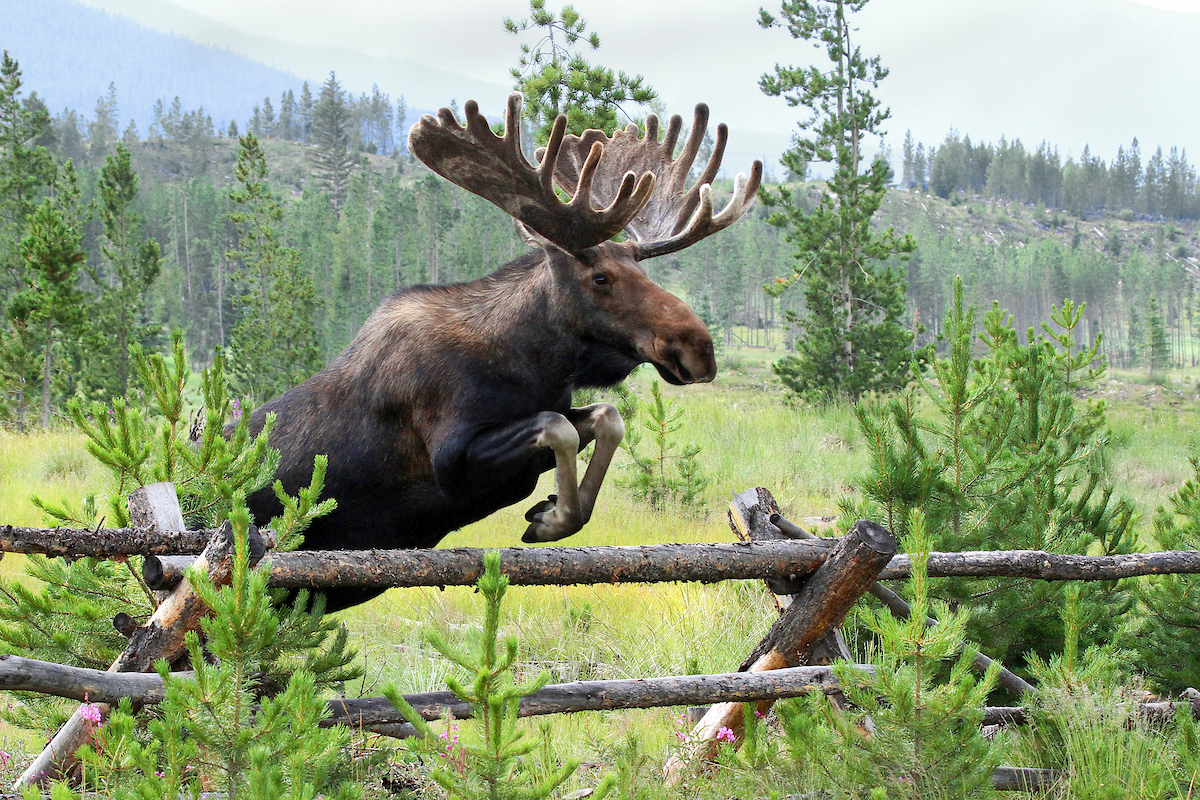
Moose now appear in many mountain regions across Colorado. Places like Steamboat Springs, Gunnison, and Summit County have growing moose populations. These areas provide cold climates and dense forests, perfect for moose. Moose also venture into foothills and some urban parks. Their ability to adapt helps them survive in varied mountain habitats.
Credit: www.kunc.org
Urban Moose Sightings
Urban moose sightings in Colorado have become more common. Moose, typically shy, are now seen near cities and towns. These large animals explore parks, golf courses, and green spaces inside urban areas. People living in Colorado’s front range may catch a rare glimpse of these gentle giants.
Moose adapt to urban settings by using natural corridors like rivers and open spaces. Sightings increase during early morning and late evening. Residents often report moose calmly crossing streets or feeding on shrubs near homes. Such encounters highlight the growing presence of moose close to human habitats.
Golden And Boulder
Golden and Boulder have reported several moose sightings over recent years. Both cities border forested foothills, providing moose easy access to urban areas. Parks and open spaces in these cities offer food and shelter for moose wandering from the mountains.
Golden’s South Table Mountain and Boulder’s open spaces attract moose seeking fresh vegetation. Residents sometimes find moose near hiking trails or quiet neighborhoods. These sightings remind locals to stay calm and keep a safe distance.
Castle Rock And Colorado Springs
Castle Rock and Colorado Springs also experience moose visits. The natural areas around these cities connect to larger mountain habitats. Moose use these corridors to explore lower elevations in search of food.
In Castle Rock, moose have been seen near parks and golf courses. Colorado Springs residents report moose sightings in foothill neighborhoods and open green spaces. Wildlife officials advise caution and respect for these large animals in urban settings.
Best Times To Spot Moose
Knowing the best times to spot moose in Colorado can greatly increase your chances of a sighting. Moose tend to be more active during specific seasons and times of day. Understanding these patterns helps you plan your visit or outdoor activities.
Moose usually prefer cooler parts of the day and certain months for movement. They are less active during the hot midday hours. Early morning and late evening are prime times to see them. Seasonal changes also affect their behavior and location.
Early Morning And Late Evening
Moose are most active at dawn and dusk. These cooler times of day offer the best chance to see them feeding or moving. Wildlife is generally quieter, making it easier to spot moose near water or in forest edges.
Spring And Fall Seasons
Spring brings new plant growth, attracting moose to wetlands and meadows. Fall is the mating season, so moose move more and become easier to find. Both seasons provide excellent opportunities for moose watching in Colorado.
Winter Months
Moose adapt well to cold weather and can be seen in winter. They often stay near lower elevations or areas with less snow. Winter sightings are common near river valleys and sheltered forests.
Ideal Moose Viewing Locations
Colorado offers several great places to spot moose in their natural habitat. These areas provide the right mix of food, water, and shelter for moose to thrive. Visiting these spots increases your chances of a close moose encounter. Early mornings and late evenings are the best times to see them. Remember to keep a safe distance and observe quietly.
State Forest State Park
State Forest State Park is known as Colorado’s moose capital. It hosts a large moose population year-round. The park’s aspen groves and willow thickets are favorite moose hangouts. Moose often feed and rest here during warmer months. The park also has many ponds and lakes where moose drink and cool off. Trails and roads offer good viewing spots for visitors.
Aspen Groves And Willow Bottoms
Aspen groves and willow bottoms provide excellent food and cover for moose. These areas have lush vegetation that moose eat daily. The dense trees offer shelter from harsh weather and predators. Moose use willow bottoms especially in spring and summer. The quiet environment helps moose feel safe. These spots are ideal for wildlife watchers hoping to see moose in action.
Near Lakes And Water Sources
Moose rely heavily on water for drinking and feeding. Lakes, ponds, and slow-moving streams attract moose throughout the year. They feed on aquatic plants found near water edges. Water sources also serve as cooling spots in summer. Moose are often seen standing in shallow water, calmly grazing. These areas provide some of the best opportunities for moose viewing in Colorado.
Moose Behavior And Safety
Understanding moose behavior is crucial for safe encounters in Colorado. Moose are large and powerful animals. Their behavior can change quickly, especially during certain seasons. Knowing how they act helps you avoid danger. Respecting their space keeps both you and the moose safe.
Moose can seem calm but may become aggressive without warning. They use their antlers and hooves to defend themselves. Observing moose from a distance is the best way to appreciate these majestic creatures safely.
Moose Temperament
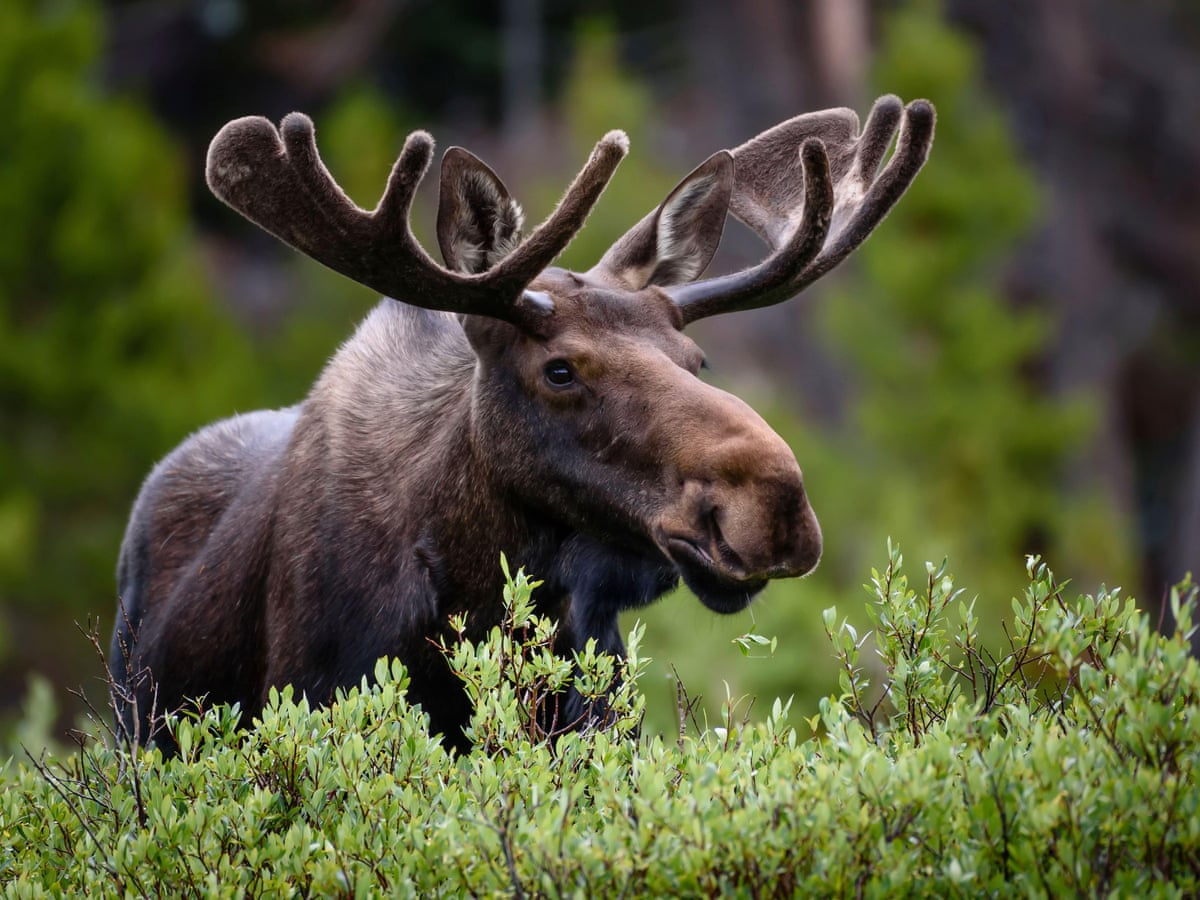
Moose usually avoid humans and stay quiet. They are not naturally aggressive but can be unpredictable. During mating season, bulls become more aggressive. Mothers with calves are protective and may charge if threatened. Moose are most active at dawn and dusk. They may appear calm but can react fast if startled.
Keeping A Safe Distance
Always keep at least 50 yards away from a moose. Use binoculars or a camera with zoom to watch them closely. Never try to feed or touch a moose. If a moose shows signs of stress, slowly back away. Signs include raised hair, lowered head, or stomping feet. Stay calm and avoid sudden moves. Keep pets on a leash to prevent provoking moose.
Credit: www.theguardian.com
Seasonal Moose Activity
Moose in Colorado show distinct seasonal patterns. Their activity changes with weather and daylight. These changes affect where and when you can spot them. Understanding seasonal behavior helps you plan the best times for moose watching.
Spring brings new life and shifts in moose habits. As temperatures rise, moose move to find food and water. Their movements become more visible during this time. Nighttime also plays a key role in moose activity throughout the year.
Spring And April Viewing
April marks the start of moose activity after winter. Moose leave deep forests to find fresh vegetation. They often appear near lakes and wetlands. These areas offer tender plants and cooler spots. Spring is ideal for spotting moose in open spaces. Early morning and late afternoon provide the best light and calm conditions.
Nighttime Movements
Moose are mostly active at night. They travel under cover of darkness to avoid predators. Nighttime is when moose feed the most. Roads near forest edges often show moose tracks. Watch for reflective eyes along quiet trails. Night movements keep moose safe and well-fed.
Moose Population Trends
Moose population trends in Colorado reveal significant changes over recent years. These large animals, once rare in the state, are now appearing more frequently. Their numbers have grown and their range has expanded into new areas. This shift affects both wildlife watchers and local ecosystems. Understanding these trends helps explain why moose have become a notable presence in Colorado.
The ‘moose Boom’ In Northern Colorado
Northern Colorado has seen a sharp rise in moose sightings. This increase is often called the ‘Moose Boom.’ Areas like Larimer County and parts of the Front Range report more moose than ever before. Experts believe better habitat conditions and fewer predators support this growth. Moose now roam places where they were rarely seen before. This boom excites nature lovers and challenges wildlife managers.
Impact On Local Ecosystems
Rising moose numbers influence local ecosystems in many ways. Moose feed heavily on shrubs and young trees, which can change forest growth patterns. Their browsing affects plant diversity and may impact other wildlife species. Increased moose presence also raises concerns about vehicle collisions on rural roads. Wildlife managers monitor these effects to balance moose populations with ecosystem health. Understanding these impacts guides future conservation efforts in Colorado.
Tips For Moose Enthusiasts
Moose enthusiasts visiting Colorado need clear tips to enjoy safe and rewarding wildlife experiences. Observing moose requires patience and respect for their natural space. This section shares practical advice on where to find moose, how to approach them, and ways to capture great photos.
Where To Look
Moose mostly live in northern and mountainous areas of Colorado. North Park near Walden offers large moose populations. Grand Mesa is another top spot with many moose. Rocky Mountain National Park has moose on both east and west sides. Check forested areas, wetlands, and lakeshores for signs of moose. Urban sightings happen near Boulder, Golden, and Colorado Springs. Early morning and late afternoon are best times to spot them.
How To Approach
Keep a safe distance of at least 50 yards from moose. They may seem calm but can become aggressive if startled. Move slowly and avoid loud noises. Never try to feed or touch a moose. Watch their body language for signs of stress, like raised hair or stomping feet. Use binoculars to observe without disturbing them. Always stay on marked trails and respect wildlife rules.
Photography Advice
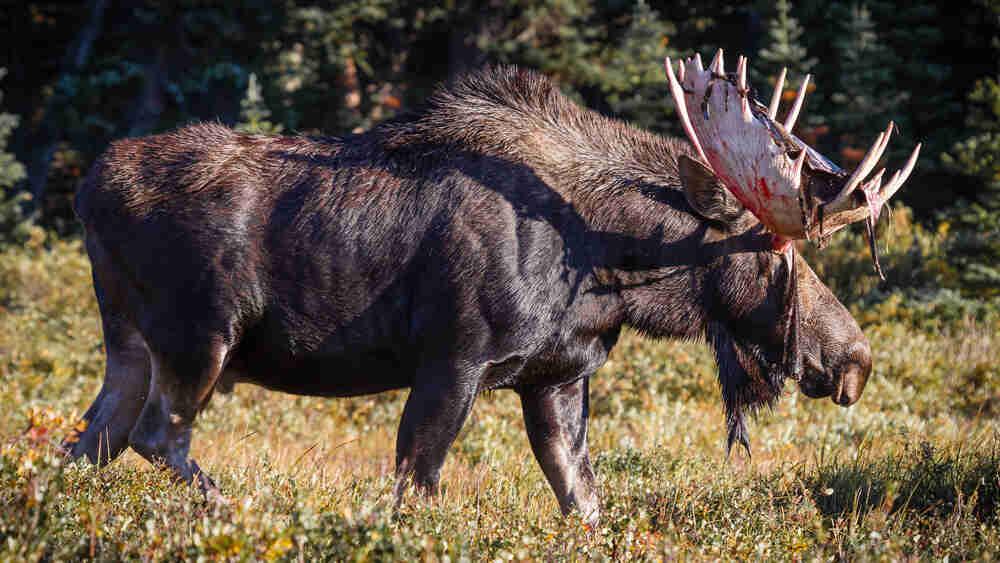
Use a zoom lens to capture close-up shots without getting too near. Shoot during golden hours for soft, natural light. Avoid flash as it can scare the moose. Be patient; moose move slowly and can offer unique photo opportunities. Focus on their large antlers, fur texture, and natural habitat. Keep your camera ready but avoid sudden moves. Safety comes first for you and the animal.
Credit: coloradoencyclopedia.org
Frequently Asked Questions
How Rare Is It To See A Moose In Colorado?
Seeing a moose in Colorado is uncommon but possible. Moose mainly inhabit North Park, Grand Mesa, and mountainous areas. Sightings near urban zones like Boulder and Colorado Springs occur occasionally, especially at dawn or dusk. Always observe from a safe distance.
Where Are The Moose In Colorado?
Moose in Colorado live mainly in North Park near Walden and on the Grand Mesa. They also inhabit Rocky Mountain, White River, and Rio Grande National Forests. Moose sometimes appear near Golden, Boulder, and Colorado Springs, especially in aspen groves, willow bottoms, and near water sources.
Do Moose Live In The Rocky Mountains?
Yes, moose live in the Rocky Mountains, especially in Colorado’s North Park, Grand Mesa, and Rocky Mountain National Park. They thrive near aspen groves, willow bottoms, and water sources. Moose sightings have also increased near foothills and some urban areas.
Are There Moose Or Elk In Colorado?
Yes, Colorado has both moose and elk. Moose thrive in North Park and Grand Mesa. Elk roam widely across the state’s mountains and forests.
Are There Moose In Colorado’s Wild Areas?
Yes, moose live mainly in Colorado’s mountainous and forested regions.
Where In Colorado Can You Most Often See Moose?
North Park, Grand Mesa, and State Forest State Park are top moose spots.
How Common Are Moose Sightings In Colorado Cities?
Moose are rare but increasingly seen near Boulder, Golden, and Colorado Springs.
What Habitats Do Colorado Moose Prefer?
Moose like wetlands, aspen groves, willow areas, and lakeshores in forests.
When Is The Best Time To Spot Moose In Colorado?
Early morning and late evening in spring and fall are best for sightings.
Do Moose Pose Any Danger To People In Colorado?
Moose are usually shy but can be aggressive if threatened or during mating.
Conclusion
Moose do live in Colorado, mostly in mountainous and forested areas. You can find them near lakes, aspen groves, and willow bottoms. They are most active during dawn and dusk, often close to water. Moose sometimes appear near towns like Boulder and Colorado Springs.
Always watch from a distance to stay safe. Spotting a moose can be exciting and rewarding. Remember, these large animals need space to roam freely. Keep patience and respect nature while enjoying Colorado’s wildlife.