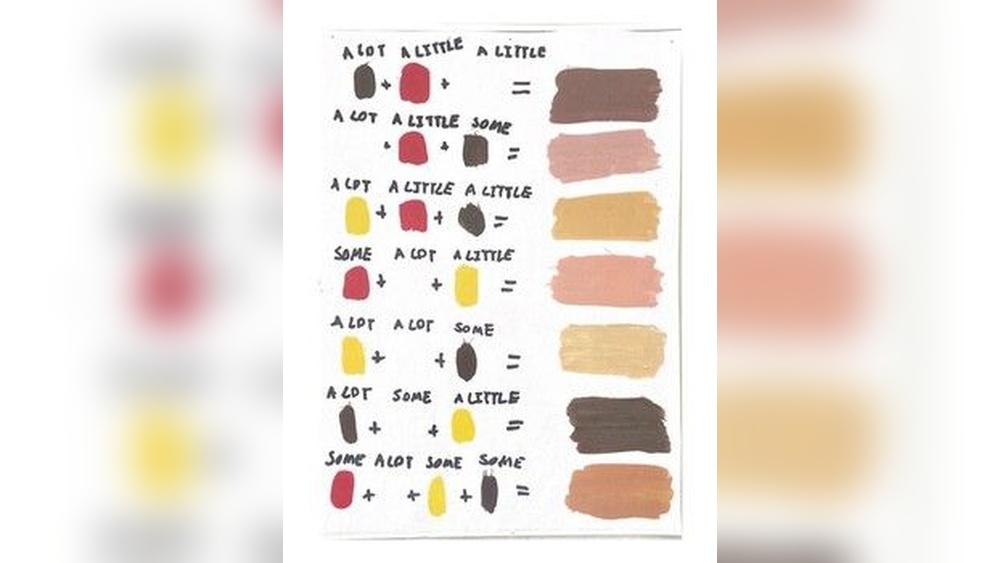
Are you ready to bring your paintings to life with realistic skin tones? Knowing how to make paint skin color is essential for any artist who wants to capture the true essence of human portraits.
Whether you’re painting light, medium, or dark skin tones, mixing the right colors can be tricky—but it doesn’t have to be. In this guide, you’ll discover simple steps to create natural-looking skin colors using basic paints you already have. By learning how to balance reds, yellows, whites, and even subtle touches of blues and browns, you’ll unlock the secret to adding depth and warmth to your artwork.
Keep reading, and soon you’ll be mixing skin tones like a pro, making your portraits more vivid and lifelike than ever before.

Credit: smart.dhgate.com
Basic Skin Color Mix
Creating a basic skin color mix starts with three simple colors. Red, yellow, and white form the foundation. Mixing red and yellow makes an orange or peach base. This base mimics natural skin tones well.
White lightens the mix to match lighter skin shades. Adjust the warmth by changing the red or yellow amounts. For cooler tones, add a small touch of blue or brown. These tweaks help create shadows and depth.
Choosing The Right Base Colors
Begin with primary colors: red, yellow, and white. Use a warm red and bright yellow for a natural look. Avoid using too many colors at once. Start simple for better control of the final tone.
Mixing The Base Tone
Mix equal parts of red and yellow first. This produces a warm orange base. Slowly add white to lighten the color. Test the tone on paper to see how it looks in light.
Adjusting Warmth And Coolness
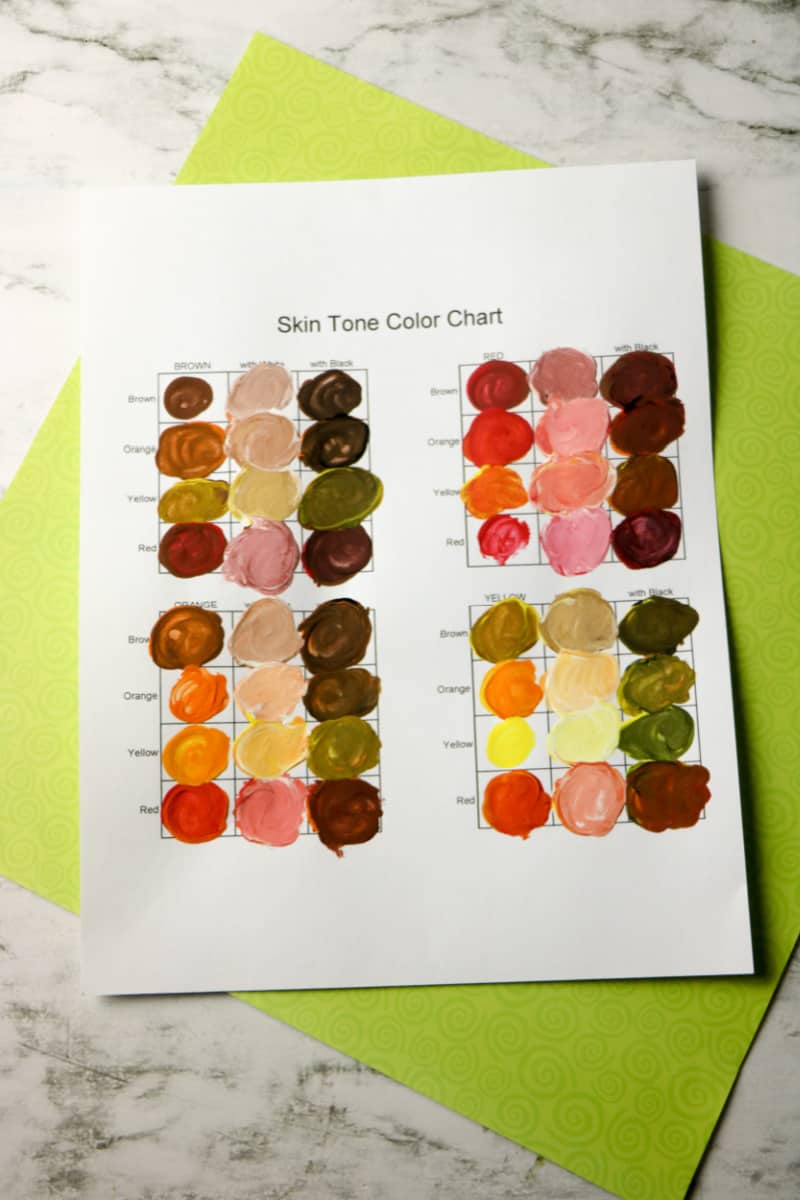
Add more red for a warmer skin tone. Increase yellow for a golden hue. To cool the color, mix in a tiny bit of blue or burnt sienna. These small changes create a natural look.
Lightening And Darkening The Mix
Use white to make the skin tone lighter. Add brown or a mix of blue and red to darken it. Darker tones work well for shadows and depth in portraits. Always mix gradually to avoid overshooting the shade.
Credit: in-our-spare-time.com
Mixing For Lighter Tones
Mixing for lighter tones requires a gentle touch and careful color balance. Start by creating a warm base using red, yellow, and white. This combination forms a soft peach or light orange shade that resembles many natural skin tones.
White paint plays a key role in lightening the mixture. Add it gradually to avoid washing out the color. A little white brightens the tone without losing warmth.
Adjust the warmth by changing the amounts of red and yellow. More yellow adds brightness, while more red brings warmth. Small changes can make a big difference.
For subtle shadows or cooler areas, add tiny amounts of blue or burnt sienna. These deepen the color without turning it too dark. Keep the additions minimal to maintain the light tone.
Choosing The Right Base Colors
Begin with primary colors: red, yellow, and white. These form the foundation for most skin tones. Mix red and yellow first to get an orange hue. Then add white to lighten it to a soft peach.
Lightening With White Paint
White paint is the safest way to lighten skin tones. Add it in small amounts and mix well. Avoid adding too much at once to keep the color natural and smooth.
Balancing Warmth And Coolness
Balance warmth by adjusting red and yellow. Add more red for rosy undertones. Add more yellow for golden hues. Use tiny drops of blue or burnt sienna to cool the tone slightly.
Creating Warm Skin Shades
Mix red, yellow, and white to form a warm base skin tone. Adjust warmth by adding more red or yellow. Use small amounts of blue or brown to create shadows and depth.
Choosing The Right Base Colors
Start with red, yellow, and white as your base colors. Red and yellow mix to form a warm orange tone. White lightens the mixture, creating a soft peach shade. This base sets a warm foundation for skin tones.
Adjusting Warmth With Red And Yellow
Add more red to deepen warmth and create a rosy tint. Increase yellow for a golden, sun-kissed effect. Balance these colors carefully to avoid too much orange or pink. Small changes make big differences in warmth.
Using Browns And Earth Tones
Introduce brown or burnt sienna to add depth and realism. These earth tones bring natural shadows and texture. Mix them slowly to keep the warmth without darkening too much. Browns help create lifelike, warm skin shades.
Lightening And Softening The Tone
Use white to lighten your mix for fairer skin shades. Add it gradually to maintain warmth. Avoid adding too much white, which can wash out the color. Lightening keeps the skin tone soft and natural.
Include tiny amounts of blue or green to cool down overly warm tones. A pinch of red or orange can intensify warmth if needed. Test your mix often on paper to check the exact shade. Fine-tuning creates balanced, warm skin colors.
Adding Cool Shadows
Adding cool shadows to skin color paint adds depth and realism. Shadows create contrast and help shape the face or body. Cool tones in shadows mimic natural light effects on skin. They give the painting a lifelike and balanced look.
Choosing The Right Cool Colors
Select colors like blue, purple, or green for cool shadows. Avoid using pure black as it can look harsh. Mix a small amount of blue or purple with your base skin tone. This will create soft, natural shadows.
Mixing Cool Shadows With Base Skin Color
Start by adding tiny amounts of cool colors to your base skin mix. Blend carefully to keep the shadow subtle. Test the mix on a palette before applying it to your painting. Adjust the color until the shadow feels natural.
Applying Cool Shadows To Your Painting
Use a small brush to apply cool shadows in shaded areas. Common shadow spots include under the chin, sides of the nose, and eye sockets. Layer the shadows lightly and build up gradually. This technique keeps the paint smooth and realistic.
Dark Skin Tone Mixing
Mixing paint for dark skin tones requires careful blending of several colors. The goal is to capture the richness and depth found in natural dark skin shades. Start with a strong base and add layers of color to bring warmth and realism.
Dark skin tones are not just brown. They contain hints of reds, blues, and yellows. Understanding the role of each color helps create a lifelike result. Patience and small adjustments make a big difference.
Choosing The Right Base Colors
Begin with burnt sienna or raw umber as the main base color. These provide the deep brown foundation needed. Mix in small amounts of red to add warmth. Yellow ochre can brighten the tone slightly without losing depth.
Adding Depth With Cool And Warm Tones
Use a touch of ultramarine blue or cobalt blue to cool down overly warm mixes. This balances the color and adds shadow. For warmth, add a bit of cadmium red or burnt sienna. Blend slowly to avoid overpowering the base.
Lightening And Highlighting Dark Skin
Lighten the dark base by mixing in small amounts of white or titanium white. Avoid too much white, which can make the color look chalky. Instead, add tiny touches and blend well. For highlights, use a mix of white and yellow ochre.
Adjusting For Different Undertones
Dark skin can have cool, neutral, or warm undertones. Add more blue for cool undertones. Add red or orange for warm undertones. Neutral undertones can be balanced with equal parts of red and blue. Test colors on a palette before applying.
Using Earth Tones
Using earth tones is a natural way to create realistic skin colors in paint. These colors come from nature and include shades of brown, ochre, sienna, and umber. Earth tones help to add warmth and depth to skin tones. They provide a solid base that mimics real skin’s subtle variations.
Earth tones work well with other colors like red, yellow, and white. Mixing these colors carefully can produce many skin shades. You can adjust the color to look lighter or darker by changing the amount of earth tones used. They also help create shadows and highlights, making the skin look three-dimensional.
Choosing The Right Earth Tones
Start with common earth tones like burnt sienna, raw sienna, and burnt umber. These colors have warm, reddish and brownish shades. Raw umber is cooler and darker, good for shadows. Experiment with small amounts to see how they change the mix.
Mixing Earth Tones With Primary Colors
Mix earth tones with red, yellow, and white for a balanced skin color. Begin by blending yellow and red to make orange. Add white to lighten the mix. Use earth tones to add depth and warmth. Adjust the mix by adding more red for pinkish skin or more yellow for golden tones.
Adjusting Skin Tone Shades Using Earth Tones
To darken skin tones, add burnt umber or burnt sienna slowly. For warmer skin, increase raw sienna or red. Use white to lighten the color without losing warmth. Add tiny amounts of blue or green for cooler shadows. Blend carefully for smooth transitions.
Adjusting Lightness And Value
Adjusting lightness and value is key to creating realistic skin tones in paint. Lightness controls how bright or dark the color looks. Value refers to the relative lightness or darkness within the color itself. Both affect the depth and dimension of the skin color.
Changing lightness and value helps match the tone to different skin types. It also allows for highlights and shadows that give a natural look. Understanding how to adjust these makes your skin color look more lifelike and less flat.
Understanding Lightness In Skin Color
Lightness means how much white is in the paint. Adding white paint makes the color lighter. Use small amounts to avoid washing out the skin tone. Lightness helps create highlights on cheeks, nose, and forehead.
Too much white can make skin look unnatural. Adjust gradually and test on paper or canvas. This step brightens the base skin tone without losing warmth.
Controlling Value For Depth
Value is about how dark or light the color feels, ignoring hue. To darken skin color, add a bit of brown, burnt sienna, or even a tiny amount of blue. These colors deepen shadows and contours.
Keep the changes subtle to keep the skin tone believable. Darkening adds dimension and helps show the shape of the face. Shadows under the jawline, eyes, and around the nose need careful value adjustment.
Balancing Lightness And Value
Balance lightness and value to capture natural skin tones. Lighten areas that catch light. Darken areas in shadow. This contrast makes skin look three-dimensional.
Test the mix by painting small areas and adjusting. Avoid extremes that flatten or over-brighten the skin. Good balance creates a smooth transition between light and dark.

Credit: www.messylittlemonster.com
Fine-tuning With Small Color Additions
Fine-tuning with small color additions helps perfect your paint skin color. These tiny changes adjust warmth, coolness, and depth. Small amounts of extra colors can transform a flat base into a lifelike tone. Patience is key. Add colors little by little. Watch how the shade changes with each drop. This approach creates natural-looking skin tones for your artwork.
Adding Small Amounts Of Blue For Cool Tones
Adding just a tiny bit of blue cools down the skin color. Blue tones work well for shadows or pale skin. Use a fine brush or palette knife to mix carefully. Too much blue can make the color look unnatural. Add slowly and check the color often. This helps keep control over the final shade.
Using Brown To Add Depth And Shadow
Brown adds richness and depth to your base skin color. It is perfect for shadows and darker areas. Start with a small amount and mix well. Brown tones make skin look more realistic and three-dimensional. Avoid adding too much at once. Gradual blending creates a smooth transition between light and shadow.
Brightening With Touches Of White Or Yellow
White lightens the skin color and adds highlights. Use it sparingly to avoid washing out the tone. Yellow warms the skin and gives a sunny glow. A tiny amount brings warmth without overpowering the base. Both white and yellow help create natural highlights on the skin. Add just a little at a time for balance.
Observing Real Skin Variations
Skin tones vary greatly across people. Each person’s skin has many subtle colors. These variations come from genetics, environment, and health. Observing these differences helps create realistic paint colors.
Look closely at real skin under natural light. Notice how some areas are warmer or cooler. Shadows add depth with darker, sometimes bluish or reddish tones. Highlights may have soft yellows or pinks.
Understanding Undertones
Undertones are the subtle colors beneath the skin’s surface. They can be warm, cool, or neutral. Warm undertones have yellow, peach, or golden hues. Cool undertones show pink, red, or blue hints. Neutral undertones blend both warm and cool shades.
Identify the undertone before mixing paint. This guides which colors to add for balance. It makes skin look natural and vibrant.
Noticing Color Changes In Different Areas
Skin color changes over the face and body. Cheeks often have more red or pink due to blood flow. The nose and ears might appear warmer or slightly darker. Areas like the forehead and chin can be lighter or more neutral.
Observe these shifts to mix paint layers correctly. This adds realism and depth to your painting.
Recognizing The Effect Of Lighting
Lighting impacts how skin color appears. Natural light shows true colors best. Indoor or artificial light can add yellow or blue tones. Shadows create cooler, darker shades. Highlights appear brighter with soft warm colors.
Consider lighting when mixing paint. Adjust colors to match the light source and mood of your artwork.
Common Mistakes To Avoid
Mixing paint to create skin color can be tricky. Many beginners make simple mistakes. These errors affect the final look of the skin tone. Avoiding these common pitfalls helps achieve natural results.
Understanding what to avoid saves time and paint. It makes the mixing process smoother and more enjoyable. Here are some common mistakes to watch out for.
Using Too Much Red Or Yellow
Starting with too much red or yellow creates an unnatural color. Skin tones often become too orange or pink. Begin with small amounts and build up slowly. This approach gives better control over the shade.
Ignoring The Importance Of White
White paint lightens the skin tone. Skipping white leads to colors that are too dark or harsh. Add white gradually to soften the mix. It helps mimic the natural lightness of skin.
Forgetting To Add Cool Colors
Only using warm colors makes the skin look flat. Adding a touch of blue or green balances warmth. These cool tones add depth and realism. Use them sparingly to avoid unnatural hues.
Mixing Large Batches At Once
Mixing too much paint can cause waste. Skin tones are hard to match exactly later. Mix small amounts first. Adjust the color little by little to reach the perfect tone.
Overlooking Skin Tone Variations
Skin has many subtle color changes. Using one flat color looks fake. Mix several shades for highlights and shadows. This technique brings life and dimension to your painting.
Frequently Asked Questions
What Colors Make Skin Color With Paint?
Mix red, yellow, and white paint to create a base skin tone. Adjust warmth with more red, lighten with white, and add blue or brown for shadows and depth.
What Colors Make Your Skin Tone?
Mix red, yellow, and white for a base skin tone. Add blue or brown to darken, and more white to lighten. Adjust red or yellow for warmth or coolness.
How To Make Beige Skin Tone With Paint?
Mix equal parts red, yellow, and white for a base beige tone. Add small blue or brown for shadows. Adjust white to lighten.
How Do I Create Skin Color?
Create skin color by mixing red, yellow, and white for a peach base. Adjust warmth with more red, coolness with blue, and darken using brown or burnt sienna. Add white to lighten. Blend carefully to match desired skin tone.
What Colors Create A Basic Skin Tone With Paint?
Mix red, yellow, and white to form a peach or light orange base color.
How Do I Lighten Or Darken Skin Tone Paint?
Add white to lighten; use blue or burnt sienna to darken or add shadows.
Can I Mix Skin Color Using Only Primary Colors?
Yes, mix red, yellow, and blue with white to adjust the skin tone shade.
What Is The Best Way To Make Warm Skin Colors?
Increase red and yellow amounts to achieve warmer and richer skin tones.
How To Make Cool Skin Tones With Paint?
Add a small amount of blue or green to cool down the skin tone.
How Much White Paint Should I Use For Skin Color?
Use white gradually to lighten the color without losing warmth or vibrancy.
Conclusion
Creating skin color paint takes patience and simple steps. Start with basic colors like red, yellow, and white. Then, add tiny amounts of blue or brown to change the tone. Test your mix on paper to see how it looks.
Adjust the colors little by little to get the shade you want. Practice helps you understand how colors blend well. Keep your colors balanced for natural skin tones. With time, mixing skin colors becomes easier and more fun. This skill adds life and realism to your artwork.
Enjoy the process and keep experimenting!