Are you ready to unlock the secret to creating the perfect brown paint for your next project? Whether you’re painting a cozy room, crafting artwork, or touching up furniture, knowing how to make brown paint gives you full control over the exact shade you want.
Imagine mixing your own rich, warm brown tones that match your vision perfectly—no need to settle for store-bought colors that don’t quite fit. In this guide, you’ll discover simple, step-by-step ways to mix brown using basic colors you probably already have.
You’ll also learn how to adjust your mix to get lighter, warmer, or cooler browns effortlessly. Keep reading, and you’ll soon master the art of making brown paint that brings your ideas to life with just a few strokes.
Primary Colors For Brown
Brown is a warm, earthy color created by mixing primary colors. The primary colors are red, yellow, and blue. Combining these colors in different amounts can produce various shades of brown.
Using primary colors to make brown is simple and effective. It gives you control over the tone and depth of the brown you want to create.
Red
Red is a strong, vibrant color that adds warmth to brown. It helps create rich, deep browns. Adding more red results in a reddish brown shade.
Yellow
Yellow brightens the mix and adds a golden tone. It lightens the brown and makes it warmer. More yellow creates lighter, softer browns.
Blue
Blue cools down the color mix and adds depth. It balances the warm tones of red and yellow. Increasing blue darkens the brown and gives it a cooler hue.
Using Complementary Colors
Using complementary colors is a simple way to create brown paint. Complementary colors sit opposite each other on the color wheel. When mixed, they cancel each other out, resulting in a brown or gray tone.
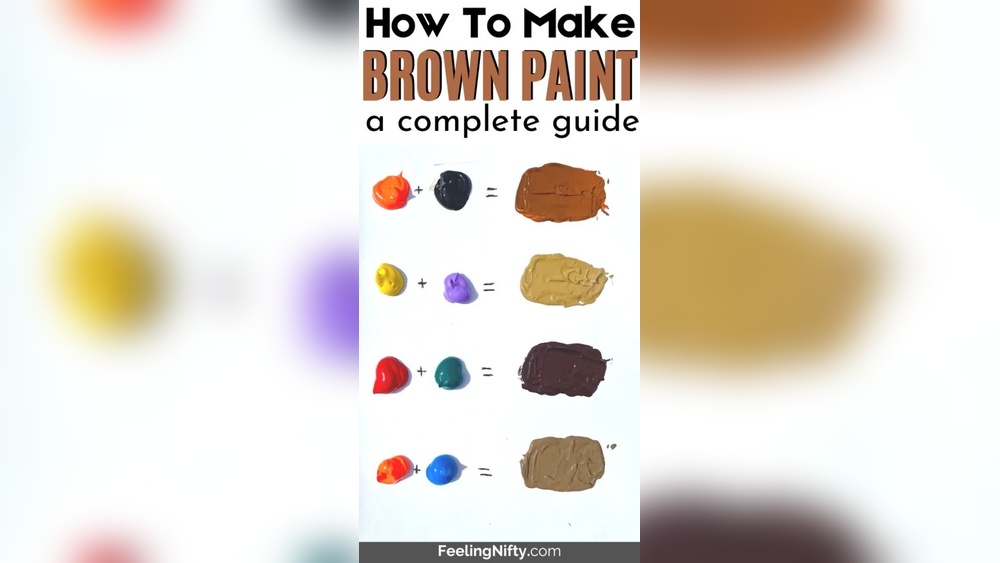
This method works well for artists who want a natural brown without using all three primary colors. It lets you control the shade by adjusting the amounts of each color. For example, mixing blue with orange makes a rich, warm brown. Mixing red with green gives a deeper, cooler brown.
Understanding Complementary Colors
Complementary colors pair red with green, blue with orange, and yellow with purple. Each pair contains one primary and one secondary color. When combined, they balance each other, producing neutral tones. This balance is key to mixing brown paint.
How To Mix Brown Using Complementary Colors
Start by choosing one complementary pair, like blue and orange. Add small amounts of each paint on your palette. Mix them slowly to see the color change. Adjust the ratio to get the brown shade you want. More orange gives a warmer brown, more blue cools it down.
Tips For Perfecting Brown Shades
Test your mix on paper before painting. Add white to lighten the brown. Add black or a little blue to darken it. Use this method to create different brown tones for your artwork. Experiment with all complementary pairs for unique browns.
Basic Brown Mixing Steps
Creating brown paint is simple once you understand the basic mixing steps. Brown is a neutral color made by combining other colors. These steps will help you make brown paint using primary colors. You can also adjust the shade to fit your project.
Mix Equal Parts Of Red, Yellow, And Blue
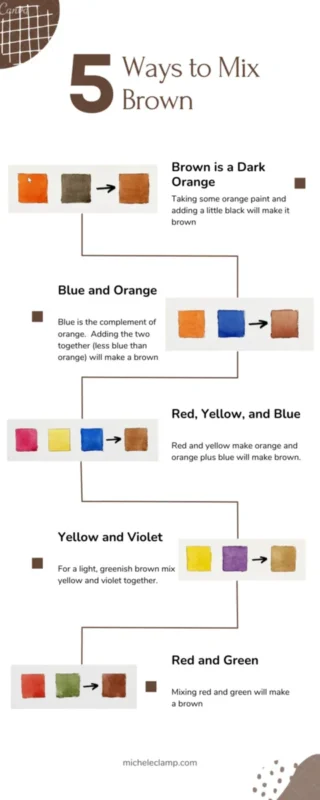
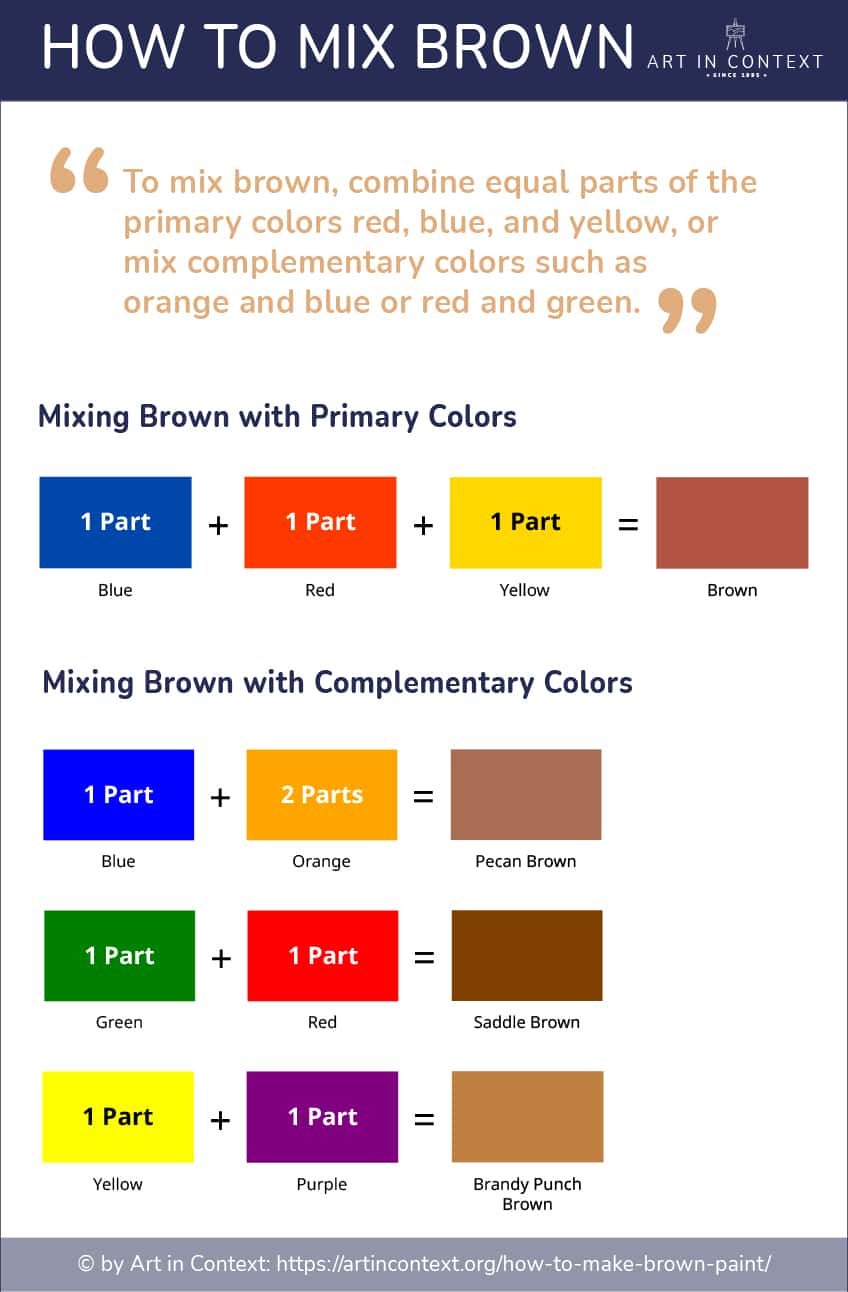
Start with equal amounts of red, yellow, and blue paint. These are the primary colors. Mixing them creates a basic brown. Use a palette or mixing tray for the colors. Blend the paints thoroughly for even color.
Adjust The Shade By Adding More Yellow
Add extra yellow paint to the mix to make a lighter brown. Yellow brightens the color and adds warmth. Mix the paint again until you reach the desired shade. Test the color on a piece of paper.
Add More Red For A Warmer Brown
If you want a warmer, reddish brown, add more red paint. Red deepens the brown and makes it richer. Blend the paint well and check the color often. Small changes create big differences.
Use Blue To Darken The Brown
Adding more blue paint will make the brown darker and cooler. Blue tones down the warmth of red and yellow. Mix carefully to avoid making the color too dark. Test your paint on a surface before use.
Lighten Brown By Adding White
Add white paint to lighten the brown color. White creates a softer, pastel shade of brown. Mix slowly to keep control of the lightness. Keep testing to get the perfect tone.
Credit: micheleclamp.com
Adjusting Brown Shades
Adjusting brown shades lets you create the perfect tone for any project. Brown is a flexible color that changes easily with small tweaks. Adding more of a single primary color changes the warmth, coolness, or brightness of brown. Experimenting helps find the exact shade you need.
Adding More Yellow
Adding yellow makes brown lighter and warmer. It creates a golden or honey-like shade. Use small amounts of yellow to avoid turning brown too bright. This adjustment is great for warm, earthy tones like autumn leaves or wood.
Adding More Red
Red deepens brown and adds richness. It brings a warm, reddish hue to the mix. This shade works well for brick, rust, or chocolate colors. Adding red slowly helps control the intensity of the brown shade.
Adding More Blue
Blue cools down brown and makes it darker. It creates a muted or smoky effect. This tone suits shadows, bark, or evening landscapes. Be careful with blue, as too much can turn brown into gray or black.
Creating Warm Brown Tones
Creating warm brown tones adds depth and richness to your paint palette. Warm browns evoke a cozy, inviting feel perfect for many art projects. These tones often resemble natural wood, earth, and autumn leaves.
Warm browns are created by carefully mixing colors that bring out red and yellow undertones. The balance of these colors influences how warm or cool the brown appears. Small changes in the mix result in different warm shades.
Mixing Primary Colors For Warm Brown
Start with red, yellow, and blue, the primary colors. Use more red and yellow than blue to create warmth. Blue cools the mix, so add it sparingly.
Mix equal parts red and yellow to make orange first. Then add a small amount of blue. Stir slowly and check the color.
Adding Red For Richness
Adding extra red deepens the brown and makes it warmer. Red gives the brown a reddish, earthy tone. Use it carefully to avoid turning the mix too dark.
Using Yellow To Brighten Brown
Yellow lightens and warms the brown color. It adds a golden hue to the paint. Increase yellow gradually to keep the warmth without washing out the color.
Adjusting With Complementary Colors
Complementary colors can help tweak your brown’s warmth. For example, adding a touch of orange or rust enhances the warm effect. Avoid adding too much blue or green, as they cool the tone.
Creating Cool Brown Tones
Creating cool brown tones adds depth and calmness to your artwork. Cool browns have a subtle blue or gray hint, making them less warm and more muted. These tones work well in shadows, backgrounds, and natural elements like tree bark or soil.
To create cool brown tones, start with the basic brown mix of red, yellow, and blue. Then, slightly increase the blue or add a small amount of green or gray. This cools down the warmth and gives a balanced, earthy color.
Use Blue To Cool Down Brown
Add a tiny bit of blue paint to your brown mix. Blue reduces the warmth from red and yellow. Mix slowly and test often. Too much blue can turn the brown into a grayish shade.
Add Green Or Gray For Muted Browns
Mixing a little green or gray into brown creates a soft, cool tone. Green balances red in brown, while gray mutes brightness. Both help produce natural, subtle browns.
Experiment With Different Ratios
Try different amounts of blue, green, or gray. Small changes can shift the color from warm to cool. Keep notes of your mixes for future use.
Lightening Brown Paint
Lightening brown paint is useful for creating softer, warmer tones. It brightens the color without losing the brown base. This technique helps achieve the perfect shade for your project.
To lighten brown paint, you add a lighter color carefully. White is the most common choice. It reduces the darkness while keeping the hue natural. You can also use cream or beige for subtle effects.
Adding White To Brown Paint
Start with a small amount of white paint. Mix it thoroughly into your brown paint. Add more white slowly until you get the desired lightness. Avoid adding too much at once to keep control of the tone.
Using Cream Or Beige For Lightening
Cream or beige paints blend well with brown. They soften the color gently. These colors keep the warmth in the brown while making it lighter. Mix small amounts until you find the right balance.
Adjusting Lightness With Yellow
Yellow can also lighten brown paint. It adds brightness and warmth. Use yellow sparingly to avoid changing the brown too much. This method works well for golden or tan shades.

Credit: micheleclamp.com
Mixing Brown With Secondary Colors
Mixing brown with secondary colors offers a simple way to create rich and varied brown shades. Secondary colors—orange, green, and purple—are made by combining primary colors. Mixing these with their complementary colors results in natural brown hues. This method provides control over the tone and warmth of the brown paint.
Mixing Orange And Blue For Brown
Orange and blue are complementary colors that create brown. Use equal parts of each color and mix thoroughly. Adjust the ratio to get warmer or cooler brown tones. Adding more orange gives a reddish brown. More blue results in a cooler, muted brown.
Combining Green And Red To Make Brown
Green mixed with red creates a deep brown shade. Start with equal amounts and blend well. Increase red for a warmer brown with red undertones. More green makes the brown earthier and darker. This mix works well for natural scenes.
Creating Brown By Mixing Purple And Yellow
Purple combined with yellow forms a rich brown color. Mix them in equal parts for a balanced brown. Adding more yellow produces a lighter, golden brown. More purple leads to a darker, cooler brown. This is perfect for shadows or muted tones.
Common Brown Mixing Mistakes
Mixing brown paint can be simple, but many beginners make avoidable mistakes. These errors can lead to colors that look dull, muddy, or too bright. Knowing what to avoid helps create a rich, balanced brown every time.
Understanding common mistakes saves time and paint. It also improves your confidence in mixing colors.
Using Too Much Blue
Adding excess blue can make brown appear grayish or muddy. Blue is a strong color that can overpower red and yellow. Use blue sparingly for a warm brown tone.
Ignoring Color Ratios
Mixing colors without measuring can cause inconsistent results. Balance red, yellow, and blue carefully. Small changes in amounts create very different shades of brown.
Skipping Color Testing
Not testing your mix on paper wastes paint and time. Always test a small amount before mixing large batches. This shows if the color matches your goal.
Adding White Too Early
Adding white paint too soon can dull your brown. Mix your brown fully first, then add white to lighten. This keeps the color vibrant and true.
Using Complementary Colors Incorrectly
Mixing complementary colors like red and green without balance leads to muddy brown. Add one color slowly and adjust carefully. This helps avoid dull or dirty browns.
Credit: artincontext.org
Tips For Perfect Brown Shades
Creating the perfect brown shade requires more than just mixing colors. It needs attention to detail and careful adjustment. Small changes can make a big difference in the final color. Follow these tips to get a brown that fits your project perfectly.
Use Primary Colors Correctly
Start by mixing equal parts of red, yellow, and blue. This creates a basic brown tone. Use fresh, pure colors for best results. Avoid using colors that are too dark or too light at first. Adjust slowly to find the right balance.
Adjust Shades With Yellow And Red
Add more yellow to make the brown warmer and lighter. Adding red will give the brown a richer, deeper tone. Mix in small amounts to avoid changing the color too much. Test the color on a piece of paper before applying it to your main surface.
Use Blue To Cool Down Brown
Adding blue will cool the brown tone, making it more muted. Use this tip if your brown looks too warm or orange. A tiny amount of blue can balance out the color well. Always add blue slowly, as it can quickly overpower the mix.
Lighten Brown With White
To make the brown lighter, add white paint gradually. This creates softer, pastel browns. Be careful not to add too much white, or the color may lose its warmth. Mix thoroughly to get an even shade.
Darken Brown With Black Or Dark Blue
Add a small amount of black or dark blue to darken the brown. Black can make the color muddy, so use it sparingly. Dark blue keeps the brown rich without dullness. Test the color before final use to ensure it looks right.
Frequently Asked Questions
What Colors Do You Mix To Get Brown?
Mix red, yellow, and blue primary colors in equal parts to get brown. Adjust ratios for different shades. Combine complementary colors like blue and orange or red and green for unique browns. Add white to lighten the color.
Do Red And Green Make Brown?
Red and green mixed together usually create a brown color. Adjusting the ratio changes the brown’s shade and warmth.
How To Make Chocolate Brown Color?
Mix equal parts red, yellow, and blue to make chocolate brown. Adjust colors for shade: more red warms, more blue cools. Add white to lighten.
Do Orange And Black Make Brown?
Yes, mixing orange and black paint creates brown. Adjust the amounts to get different brown shades.
What Colors Do You Mix To Make Brown Paint?
Mix red, yellow, and blue primary colors in equal parts to create brown paint.
How Can I Lighten Brown Paint Easily?
Add a small amount of white paint to brown to make it lighter.
Which Primary Color Affects Brown’s Warmth Most?
Adding more red or yellow makes the brown warmer and more vibrant.
Can I Use Secondary Colors To Make Brown?
Yes, mix complementary secondary colors like blue and orange to get brown.
How Do I Make Dark Brown Paint?
Add a little black or more blue to your brown mix for darkness.
Why Does My Brown Paint Look Muddy?
Too much blue or black can dull brown, so add colors slowly.
Conclusion
Making brown paint is simple with basic color mixing. Use red, yellow, and blue in equal parts for a classic brown. Change the amounts to get lighter, warmer, or cooler browns. Try mixing complementary colors like blue and orange for unique shades.
Practice helps you find the perfect brown every time. Now you can create brown paint easily for your art projects. Enjoy mixing and experimenting with colors!