Have you ever wondered exactly when Colorado became a state? Knowing this key moment can change how you see the Centennial State’s rich history and identity.
Colorado’s journey from a rugged territory to a proud state is full of surprising twists and important events that shaped its future. As you read on, you’ll discover not just the date it joined the Union, but the story behind its name, its early challenges, and why it almost didn’t earn its statehood title.
Get ready to explore the roots of Colorado and find out what makes its statehood so unique—and why it matters to you today.
Colorado Territory Origins
The history of Colorado’s territory begins long before it became a state. Its land was once part of vast regions claimed by European powers. The roots of Colorado’s identity trace back to Spanish explorations and settlements. Understanding these origins helps explain how Colorado evolved into the state we know today.
Several key moments shaped its transition from foreign claims to American territory. The shifts in control influenced settlement patterns and political development. This section explores the early Spanish presence and the changes following Mexican independence.
Early Spanish Claims
Spain first claimed the region now called Colorado in the 16th century. Spanish explorers traveled through the area searching for wealth and new lands. They named it part of Santa Fe de Nuevo México, a large colonial province.
Spanish missions and forts were established to control the land and its indigenous peoples. The Spanish influence remained strong for many years. Many place names in Colorado reflect this heritage.
Transition From Mexico To U.s.
After Mexico gained independence from Spain in 1821, Colorado became part of Mexican territory. The region was still sparsely populated and mostly controlled by Native American tribes. American interest in the area grew as settlers moved west.
The 1848 Treaty of Guadalupe Hidalgo ended the Mexican-American War. Mexico ceded large lands, including parts of Colorado, to the United States. This transfer set the stage for Colorado’s organization as a U.S. territory.
Name Colorado’s Roots
The name “Colorado” has deep historical roots linked to the region’s early explorers. It reflects the area’s natural features and cultural influences. Understanding the origin of the name helps reveal the state’s rich past.
Colorado’s name came from the Spanish language. Early Spanish explorers named the land after a notable river. The name means “colored red,” inspired by the red clay soil and rocks found in the region.
Spanish Language Influence
The word “Colorado” is Spanish for “red-colored.” Spanish explorers used this term to describe the river that runs through the territory. The river carried red silt, giving it a distinct color.
This naming followed a tradition of using descriptive words based on nature. The Spanish influence in Colorado’s name reflects the area’s early history under Spanish control. The region was once part of the vast Spanish Empire in North America.
Other Proposed Names
Before Colorado became a territory, other names were suggested. Names like “Colona,” “Osage,” and “Idaho” appeared in early discussions. These names were considered but never officially adopted.
The name “Colorado” was chosen for its connection to the local geography and its Spanish heritage. It stood out among the other options and stuck with the settlers and lawmakers who formed the territory.
Territorial Formation
The formation of Colorado as a territory marked an important chapter in American history. Before becoming a state, Colorado was a vast land inhabited by Native American tribes and later explored by Spanish and American settlers.
The region grew rapidly due to the discovery of gold and increasing migration. The need for organized governance became clear. This led to the creation of the Colorado Territory during a time of national crisis.
Creation Of Colorado Territory
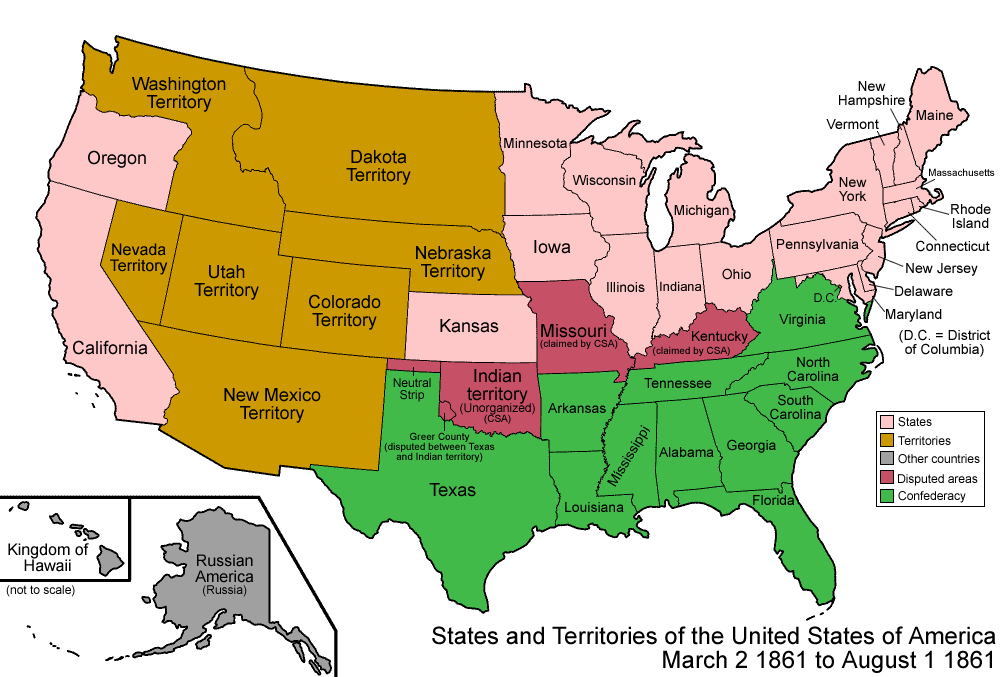
The Colorado Territory was officially created on February 28, 1861. It combined parts of existing territories, including Kansas, Nebraska, Utah, and New Mexico. The goal was to manage the growing population and resources effectively.
The name “Colorado” comes from the Spanish word for “red-colored,” inspired by the red sandstone soil and the Colorado River. Early settlers debated other names like Colona and Osage before settling on Colorado.
The territorial government helped build infrastructure, enforce laws, and support settlers. It laid the foundation for Colorado’s future statehood.
Impact Of Secession Crisis
The creation of the Colorado Territory happened during the secession crisis. Southern states were leaving the Union, causing instability across the country.
Colorado’s formation helped secure the western frontier for the Union. It prevented Confederate influence from spreading westward. The territory also provided troops and resources during the Civil War.
This period highlighted the strategic importance of Colorado. It was not just a mining region but a key part of the nation’s unity and defense.

Credit: en.wikipedia.org
Path To Statehood
Colorado’s journey to statehood was shaped by rapid changes and strong local efforts. The region saw a big rise in settlers and communities. People worked hard to form a government and gain recognition. This path was not simple but full of key moments that pushed Colorado toward becoming a state.
Population Growth
The gold rush attracted many people to Colorado in the mid-1800s. Towns grew quickly as miners, farmers, and traders moved in. More settlers meant a need for laws and order. By the late 1860s, the growing population demanded better government services. This rise in people helped make the case for statehood.
Political Movements
Local leaders pushed for Colorado to become a state. They formed groups to promote statehood and draft laws. The territory sent representatives to Washington, asking for state approval. Political debates focused on Colorado’s resources and ability to self-govern. These efforts led Congress to admit Colorado as the 38th state in 1876.
Exact Date Of Statehood
Colorado became the 38th state on August 1, 1876. This date marks its official entry into the United States. Known as the Centennial State, Colorado joined exactly 100 years after the Declaration of Independence.
Colorado became the 38th state of the United States on August 1, 1876. This date marks a key moment in American history. It was almost exactly 100 years after the Declaration of Independence. Because of this, Colorado earned the nickname “The Centennial State.”
Before statehood, Colorado was a U.S. territory. The area attracted many settlers during the gold rush. This growth helped push for its admission as a state. The U.S. Congress approved Colorado’s statehood. The President signed the bill officially making Colorado a state.
How Colorado Became A State
Colorado’s journey to statehood was not simple. The territory was organized in 1861. Many settlers moved west for mining and farming. The population grew quickly, meeting the requirements for statehood. Leaders in Colorado drafted a state constitution. It was approved by voters in 1875.
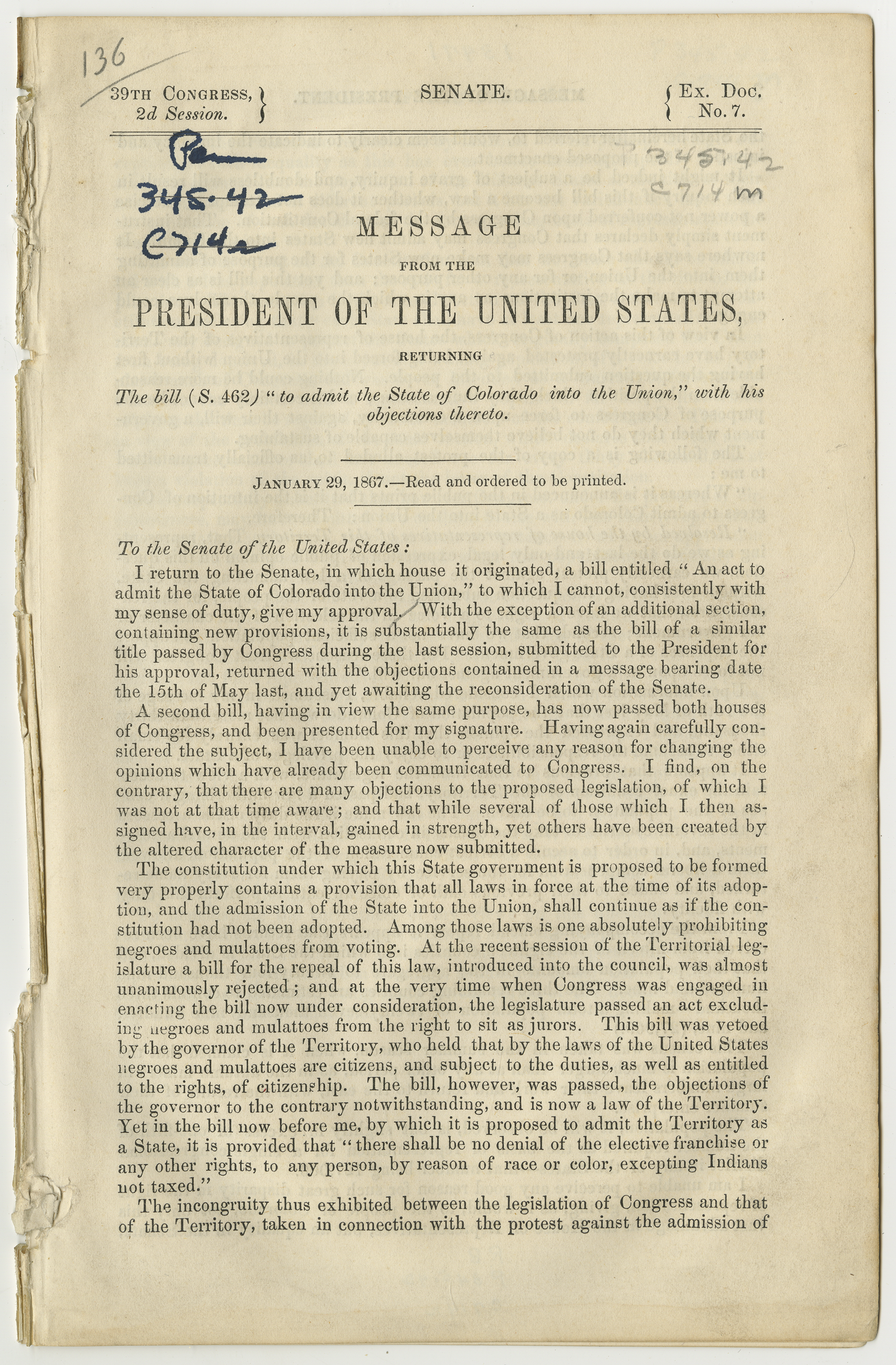
Congress debated the statehood bill several times. There were concerns about Colorado’s political and economic stability. Despite this, support grew as the territory developed. Finally, the bill passed both houses of Congress. President Ulysses S. Grant signed it into law in 1876.
Significance Of August 1, 1876
August 1 is celebrated as Colorado’s Statehood Day. It marks the official start of Colorado’s state government. The day symbolizes growth and opportunity for the region. Becoming a state allowed Colorado to have full representation in Congress. It also gained control over local affairs and resources.
The timing near the U.S. centennial gave the date extra meaning. It showed the nation’s westward expansion and progress. Colorado’s natural beauty and resources became part of the United States. The state continues to honor this historic date each year.
Colorado’s Admission Process
Colorado is known as the Centennial State, a nickname that reflects a unique part of its identity. This title is more than a simple name; it connects Colorado to a significant moment in American history. The nickname highlights a special milestone in both the state’s and the nation’s timeline.
Origins Of The Nickname
The name “Centennial State” comes from Colorado joining the United States in 1876. This year marked the 100th anniversary of the signing of the Declaration of Independence. The timing linked Colorado’s statehood to America’s centennial celebration. This connection gave the state a proud and memorable nickname that has lasted for generations.
Significance In U.s. History
Colorado’s statehood marked an important moment in U.S. history. Becoming the 38th state during the nation’s centennial year symbolized growth and unity. The nickname reminds people of the country’s progress and Colorado’s role in that story. It also celebrates the spirit of independence and expansion that shaped the United States.
Centennial State Nickname
Colorado became a state in 1876, earning the nickname “The Centennial State.” Along with statehood came the adoption of important symbols. These early state symbols reflect Colorado’s identity and rich heritage. They helped residents feel pride and unity in their new state.
The state chose symbols that represent its natural beauty and history. Each emblem holds meaning and tells a story about Colorado’s land and people. Learning about these symbols gives insight into the state’s early days.
State Flag And Seal
The Colorado state flag was adopted shortly after statehood. It features three horizontal stripes: two blue and one white in the middle. A red “C” surrounds a golden disk in the center. The blue stands for the sky, white for snow, red for the earth, and gold for the sunshine.
The state seal was created to represent Colorado’s resources and values. It shows mountains, a pickaxe, and a miner’s pan. These symbolize Colorado’s mining heritage. The Latin motto “Nil Sine Numine” means “Nothing without Providence.” It reflects the belief in divine guidance.
Official Emblems
Colorado also selected official emblems to highlight its unique nature. The state flower is the Rocky Mountain Columbine. Its delicate petals bloom in the high country. The state bird, the Lark Bunting, is known for its beautiful song and black and white feathers.
Other emblems include the state tree, the Colorado Blue Spruce. It grows tall and sturdy in the mountains. These symbols honor the natural world that defines Colorado’s landscape and spirit.
Early State Symbols
Colorado played a key role in shaping the American West. Its rich natural resources and strategic location attracted many settlers and businesses. The state grew rapidly, impacting the economy and culture of the entire region.
From mining to railroads, Colorado helped build the West’s foundation. Its diverse communities added to the cultural fabric of the nation.
Economic Development
Colorado’s economy grew fast after statehood in 1876. Mining was the first big industry, with gold and silver drawing many workers. Railroads soon connected Colorado to other states, boosting trade and travel. Farming and ranching also expanded, supporting local markets. Today, Colorado has a mixed economy but still values its resource-rich past.
Cultural Impact
Colorado’s culture blends Native American, Hispanic, and settler traditions. This mix created unique art, music, and festivals. The state became a hub for outdoor recreation, inspiring a love for nature. Colorado’s cities grew with diverse populations and vibrant communities. Its cultural influence continues to shape the West’s identity.
Colorado’s Role In The West
Understanding when Colorado became a state is clearer by comparing its admission to others. Each state joined the Union at a unique time, shaped by history and politics. This comparison highlights Colorado’s place in the nation’s growth and development.
Order Of State Admissions
Colorado became the 38th state of the United States. It joined the Union on August 1, 1876. This date is notable because it was exactly 100 years after the signing of the Declaration of Independence. Other states around this period include Nebraska, admitted in 1867, and North Dakota in 1889. Colorado’s admission placed it in the middle phase of westward expansion.
States admitted earlier include the original thirteen colonies and those in the early 1800s. States admitted later, like Wyoming and Montana, joined in the late 1800s. This order shows how the country spread from east to west over time.
Historical Milestones
Colorado’s statehood came during a time of rapid growth in the western United States. Its admission marked a key milestone in settling the Rocky Mountain region. The state earned the nickname “The Centennial State” because of its 1876 admission date.
Other states have their own important milestones. For example, Texas joined in 1845 after being an independent republic. California became a state in 1850 during the Gold Rush. Each milestone reflects unique events that shaped American history.
Colorado’s path to statehood involved mining booms and railroad expansion. These developments were crucial to its early economy and population growth. Comparing this to other states helps us appreciate the different reasons behind state admissions.
Credit: coloradoencyclopedia.org
Credit: www.historycolorado.org
Frequently Asked Questions
What Was Colorado Called Before It Was A State?
Before statehood, Colorado was called the Colorado Territory. Other proposed names included Colona, Osage, and Idaho.
When Did Colorado Separate From Mexico?
Colorado separated from Mexico in 1848 after the Treaty of Guadalupe Hidalgo ended the Mexican-American War.
Was Colorado A Spanish Colony?
Yes, Colorado was part of the Spanish Empire as a region within Nuevo México. Spain claimed and explored the area before Mexico and the U. S. controlled it.
What Is The Oldest State In The Usa?
The oldest state in the USA is Delaware. It became the first state on December 7, 1787, by ratifying the Constitution.
When Did Colorado Officially Become A State?
Colorado became a state on August 1, 1876.
What Was Colorado Called Before Statehood?
Before statehood, it was called the Colorado Territory.
Why Is Colorado Known As The Centennial State?
It became a state 100 years after the United States was founded.
What Led To Colorado Becoming A State In 1876?
Rapid population growth and mining booms pushed statehood efforts.
Was Colorado Part Of Mexico Before The U.s.?
Yes, it was part of the Spanish Empire, then Mexico.
How Did Colorado Get Its Name?
The name comes from the Spanish word for “colored red,” after the river.
Conclusion
Colorado became the 38th state on August 1, 1876. It earned the nickname “Centennial State” because of this timing. Before statehood, it was known as the Colorado Territory. The area has a rich history, including Spanish exploration and Native American cultures.
Today, Colorado is famous for its mountains, outdoor activities, and vibrant cities. Knowing when Colorado became a state helps us appreciate its unique past and growth. The story of Colorado’s statehood is a key part of American history.