Have you ever stared at your paint palette wondering how to make brown using just the primary colors? If so, you’re not alone.
Brown is a versatile color that adds warmth and depth to your artwork, but it’s not always easy to find the perfect shade in your set. The good news is, you can create a beautiful range of browns by mixing just red, yellow, and blue—the primary colors you probably already have.
In this guide, you’ll learn simple, step-by-step tips to mix brown paint exactly the way you want it. Whether you’re painting a landscape, crafting a portrait, or just experimenting, mastering this skill will unlock new creative possibilities for you. Ready to see how easy it is to make brown from primary colors? Let’s dive in!
Primary Colors For Brown
Creating brown paint starts with understanding the primary colors. These are red, yellow, and blue. They are the building blocks of all other colors. Mixing these three in different amounts produces various shades of brown. This method is simple and effective for artists and beginners alike.
Knowing how primary colors interact helps you make the exact brown you want. Each primary color adds a unique tone to the mix. Balancing them carefully leads to rich, warm, or cool browns. Experimenting with these colors allows for endless possibilities.
What Are The Primary Colors?
Primary colors cannot be made by mixing other colors. Red, yellow, and blue are pure colors. They are the base for mixing secondary and tertiary colors. Using these three, you can create almost any color.
How Primary Colors Mix To Make Brown
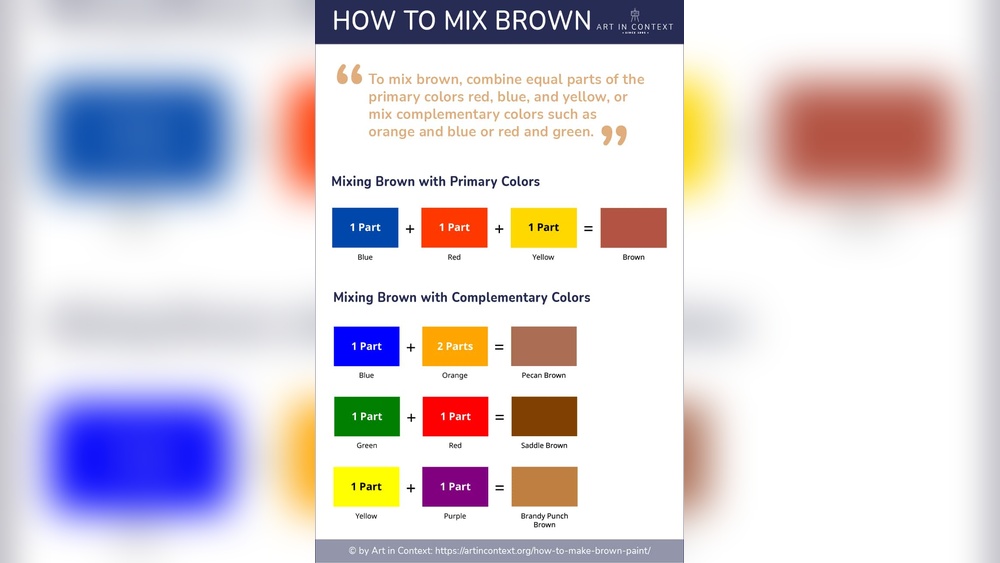
Mixing red, yellow, and blue together creates brown. The ratios affect the brown’s tone and warmth. More red creates a reddish brown. More yellow gives a golden brown. More blue results in a cooler, darker brown.
Tips For Mixing Primary Colors To Get Brown
Start with equal parts of red, yellow, and blue. Adjust by adding small amounts of one color. Stir well to see the true color. Use a palette knife or brush for mixing. Test the color on paper before applying to your project.
Mixing All Three Primaries
Mixing all three primary colors—red, yellow, and blue—is a classic way to create brown. This method uses the basic colors found in most paint sets. Combining these colors produces a rich, natural brown shade. The exact tone depends on how much of each color you add. This technique offers control over the warmth and depth of the brown you make.
Using all three primaries also teaches color balance. Each primary color affects the final brown differently. Red adds warmth, yellow brightens, and blue cools the mix. Adjusting their amounts changes the brown’s shade and intensity. This method works well for artists, students, and hobbyists who want to understand color mixing better.
Understanding The Role Of Each Primary Color
Red, yellow, and blue each play a unique role in brown. Red gives a reddish or warm tint. Yellow lightens the brown and adds brightness. Blue darkens the mix and cools the tone. Mixing too much blue can create a muddy or grayish brown. Balancing these colors is key to getting a pleasing brown.
Step-by-step Process To Mix Brown
Start by placing equal amounts of red, yellow, and blue on your palette. Mix them slowly using a brush or palette knife. Observe the color as it changes. If the brown is too dark, add more yellow. If it looks too warm, add more blue. If it’s too dull, add a little red. Keep adjusting until you reach the brown you want.
Common Mistakes To Avoid When Mixing
Using too much of one color can ruin the brown. For example, too much red makes the brown too warm. Too much blue makes it cool or gray. Avoid adding white or black first; these change the tone too much. Instead, focus on balancing the primaries. Mix small amounts and test often for the best results.
Using Complementary Colors
Using complementary colors is a simple way to create brown paint. Complementary colors are pairs of colors opposite each other on the color wheel. Mixing these colors together results in a neutral tone, often brown. This method is useful when you only have primary colors and want to explore creating brown shades.
What Are Complementary Colors?
Complementary colors sit opposite on the color wheel. Examples include blue and orange, red and green, or yellow and purple. When combined, they cancel each other’s brightness. The result is a muted, earthy tone like brown. This method helps achieve brown without directly using brown paint.
How To Mix Brown Using Complementary Colors
Start by choosing a complementary color pair. Mix equal parts of each color. Adjust the amount of each to change the brown’s shade. For example, more red in red and green mix makes a warmer brown. Less blue in blue and orange mix gives a softer brown. Experiment to find the perfect tone for your art.
Examples Of Complementary Color Pairs For Brown
- Blue and Orange: Produces a brown with a subtle green undertone.
- Red and Green: Creates a rich, deep brown shade.
- Yellow and Purple: Results in a warm brown with a yellow tint.
These pairs work well with primary colors since orange, green, and purple can be mixed from red, yellow, and blue. This makes complementary color mixing a flexible technique for artists using basic paint sets.
Adjusting Brown Shades
Adjusting brown shades helps create the perfect tone for your project. Brown has many variations, from warm to cool and light to dark. Small changes in the mix can make a big difference. Understanding how to tweak brown shades gives you more control over your art.
Adding More Red For Warm Browns
Adding extra red creates a warmer brown shade. This makes the brown appear richer and more vibrant. Use a small amount of red to avoid overpowering the mix. Warm browns work well for natural elements like wood or skin tones.
Increasing Blue For Cooler Browns
Adding more blue cools down the brown color. This gives the brown a deeper, muted look. Cool browns suit shadows and backgrounds well. Use blue carefully as too much can make the brown look dull or gray.
Lightening Brown With Yellow
Mixing in yellow lightens the brown shade. Yellow adds brightness and warmth to the color. This is great for highlights or softer tones. Add yellow slowly to keep the brown balanced and natural.
Darkening Brown By Adding Blue Or Red
To darken brown, add more blue or red. Both colors deepen the shade but create different moods. Blue darkens with a cooler tone, while red darkens with warmth. Dark brown works well for shadows and rich details.
Neutralizing Brown With Complementary Colors
Add a small amount of a complementary color to soften brown. This reduces brightness and creates a more natural look. For example, add a touch of green to balance warm brown. Use this technique to avoid overly bright or harsh browns.
Creating Light Brown
Creating light brown using primary colors is simple and rewarding. Light brown is softer and warmer than dark brown. It works well in paintings needing gentle earth tones. Understanding how to mix it helps in many art projects.
Start with the three primary colors: red, yellow, and blue. Mixing these in the right amounts produces a base brown. Then, adjust the color by adding white or more yellow for a lighter shade. This method offers control over the exact tone you want.
Mixing Primary Colors For Brown
Begin by combining equal parts of red, yellow, and blue. This mix creates a neutral brown. Use a palette knife or brush to blend the colors evenly. Avoid adding too much blue, which can make the brown too dark or cool.
Lightening The Brown Color
Add small amounts of white paint to the brown mix. White lightens the brown without changing its tone. Add white gradually to reach the desired lightness. Stir well after each addition for an even color.
Adjusting Warmth With Yellow
Add yellow to warm up the brown. Yellow makes the brown look more golden and soft. Use a little at a time to avoid making the color too bright. Mixing yellow with white and brown creates a perfect light brown shade.
Tips For Smooth Color Mixing
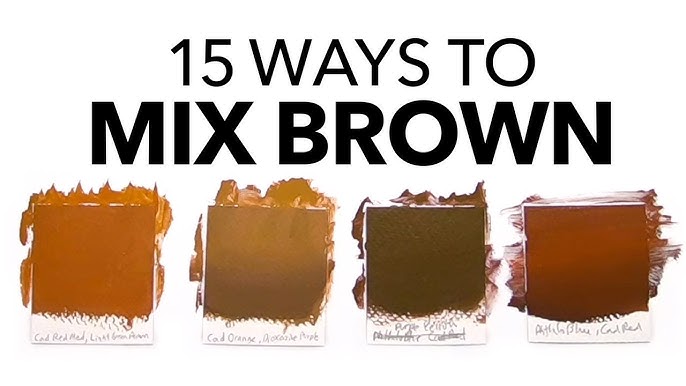
Mix colors on a flat surface or palette for better control. Use clean brushes to avoid muddy colors. Test the color on paper to see how it dries. Light brown can look different when dry, so mix carefully.
Credit: www.youtube.com
Creating Dark Brown
Creating dark brown using primary colors requires careful mixing. Dark brown has depth and richness, making it perfect for shadows or natural elements in art. This shade is achieved by balancing red, yellow, and blue with a focus on adding more blue or red to deepen the tone.
Understanding The Role Of Each Primary Color
Red adds warmth to brown, making it more vibrant. Yellow brightens the mixture, giving it a golden tint. Blue cools the blend, helping to darken the brown and reduce brightness. Using these colors in the right amounts helps create a dark, rich brown.
Step-by-step Mixing Process
Start with equal parts of red and yellow to make orange. Slowly add blue to this mix. Add blue little by little to avoid making the color too dark or muddy. Stir well after each addition to check the color change.
Adjusting The Shade For Desired Darkness
Add more blue to deepen the brown if it looks too light. To make the brown warmer, increase the red slightly. For a cooler brown, add a small amount of blue. Test the color on paper to see how it dries and adjust accordingly.
Common Brown Mixing Ratios
Creating brown by mixing primary colors involves understanding common ratios. These ratios help achieve different shades of brown. Adjusting the amounts of red, yellow, and blue creates warm or cool browns. Small changes affect the final color a lot. Experimenting with these ratios gives you control over your paint.
1:1:1 Ratio For Neutral Brown
Mix equal parts of red, yellow, and blue. This ratio produces a balanced, neutral brown. It works well as a base color. Use this mix for natural, earthy tones in your artwork. This simple mix is a good starting point.
2:1:1 Ratio For Warm Brown
Use twice as much red, then equal parts yellow and blue. This ratio creates a warm, reddish brown. It is perfect for autumn scenes or skin tones. The extra red gives a rich, cozy feel to the brown.
1:2:1 Ratio For Yellowish Brown
Mix one part red, two parts yellow, and one part blue. This ratio results in a yellowish brown shade. Use this for sunny, bright areas in paintings. It adds warmth without being too dark or dull.
1:1:2 Ratio For Cool Brown
Combine equal parts red and yellow with double blue. This mix creates a cool, dark brown. It suits shadows and cooler scenes well. The extra blue tones down the warmth for a more muted brown.
Adjusting Ratios For Custom Browns
Change any color amount to shift the brown tone. More yellow brightens the brown. More blue cools it down. More red deepens warmth. Keep notes of your mixes for future use. This method helps create unique shades every time.
Avoiding Muddy Colors
Creating brown from primary colors is simple but can easily lead to muddy colors. Muddy colors look dull and unclear. They happen when colors mix too much or in wrong amounts.
To get a clear, rich brown, avoid overmixing. Control the amount of each color carefully. Using fresh paint helps too. Clean your brush before adding a new color.
Use Balanced Amounts Of Red, Yellow, And Blue
Start with equal parts of red, yellow, and blue. Adjust slowly by adding small amounts of one color at a time. This method prevents one color from overpowering the others.
Adding too much blue can make the brown look gray or blackish. Too much red makes it warm, almost orange. Too much yellow makes brown look bright and muddy.
Mix Colors Gradually On Your Palette
Mix colors little by little on your palette. Avoid mixing all colors at once. Layering small mixes gives more control over the final brown.
This step helps you see the color change clearly. You can stop mixing once the brown looks just right.
Clean Brushes Between Colors
Use a clean brush for each color. Dirty brushes mix leftover paint with new colors. This causes muddy or dull browns.
Rinse brushes well in water or paint thinner. Dry them before picking up the next color. This keeps your colors pure and vibrant.
Brown Variations With Tints
Exploring brown variations with tints opens many creative possibilities. Tints lighten brown by adding white, softening its deep tone. These lighter browns bring warmth and subtlety to artwork and design.
Adding white to brown changes its character. It creates softer shades useful for backgrounds or gentle accents. Tinted browns can range from creamy beige to light mocha.
Creating Light Brown Tints
Start with your base brown made from primary colors. Slowly mix in small amounts of white paint. Stir well to see the color change. Keep adding white until you reach your desired lightness. Light brown tints work well for skin tones and natural elements.
Soft Beige Variations
Soft beige results from a brown tint with more white. This shade feels calm and neutral. It pairs nicely with pastel colors. Use it to balance stronger colors in your palette. Beige tints brighten spaces without harsh contrast.
Warm Mocha Tints
Mix a bit of red or yellow with your tinted brown for warmth. This creates mocha shades that feel rich and inviting. Warm mocha tints suit cozy designs and autumn themes. Adjust the tint level to keep the softness while adding color depth.

Credit: smart.dhgate.com
Practical Tips For Mixing
Mixing brown with primary colors requires practice and patience. Simple tips help you achieve the perfect shade every time. Understanding color balance and ratios is key.
Start with equal amounts of red, yellow, and blue. Adjust each color little by little. This helps you find the exact brown tone you want. Keep your palette clean to avoid muddy colors.
Use Small Amounts Of Paint
Mix small quantities to control the color better. It is easier to add more paint than to fix a large batch. Small batches prevent waste and help you experiment safely.
Test On A Scrap Surface
Always test your mixed color on paper or canvas. Dry paint often looks different than wet paint. Testing helps you decide if the brown needs more red, yellow, or blue.
Adjust Color Ratios Slowly
Add one color at a time in tiny amounts. This avoids sudden changes in the brown shade. For warmer browns, increase red or yellow slightly. For cooler browns, add a bit more blue.
Keep Notes Of Your Mixes
Write down the amount of each color you use. This helps repeat your favorite brown shade later. Notes are useful if you mix colors for different projects.

Credit: micheleclamp.com
Frequently Asked Questions
What Two Colors Make Brown?
Mix brown by mixing two complementary colors: blue and orange, red and green, or yellow and purple. Adjust ratios for different shades.
Do Green And Red Make Brown?
Yes, mixing red and green paint creates brown since they are complementary colors that neutralize each other.
How Do You Make Chocolate Brown Color?
Mix chocolate brown by mixing red, yellow, and blue primary colors. Adjust ratios for desired shade. Adding white lightens brown.
Do Black And Yellow Make Brown?
Black and yellow do not make brown. Mixing black with yellow darkens yellow but does not create true brown. Brown usually forms by mixing complementary colors like red and green or by combining all three primary colors.
What Primary Colors Create Brown Paint?
Mixing red, yellow, and blue primary colors in equal parts makes brown paint.
How To Mix Dark Brown Using Primary Colors?
Add more blue and red to yellow for a darker brown shade.
Can Yellow And Blue Alone Make Brown?
Yellow and blue make green, not brown; red is needed to create brown.
Why Add Red When Mixing Brown From Primary Colors?
Red balances blue and yellow to produce a neutral brown color.
How To Make Light Brown With Primary Colors?
Use more yellow and less blue and red to get a lighter brown.
What Happens If You Mix Equal Red And Blue?
Equal red and blue make purple, not brown; yellow is needed for brown.
Conclusion
Mixing brown with primary colors is simple and fun. Use red, yellow, and blue in different amounts. Change the ratios to get lighter or darker brown shades. Try adding white for a softer tone. Practice helps you see how colors blend best.
Enjoy creating your own brown for art projects. Keep experimenting to find the perfect shade every time.