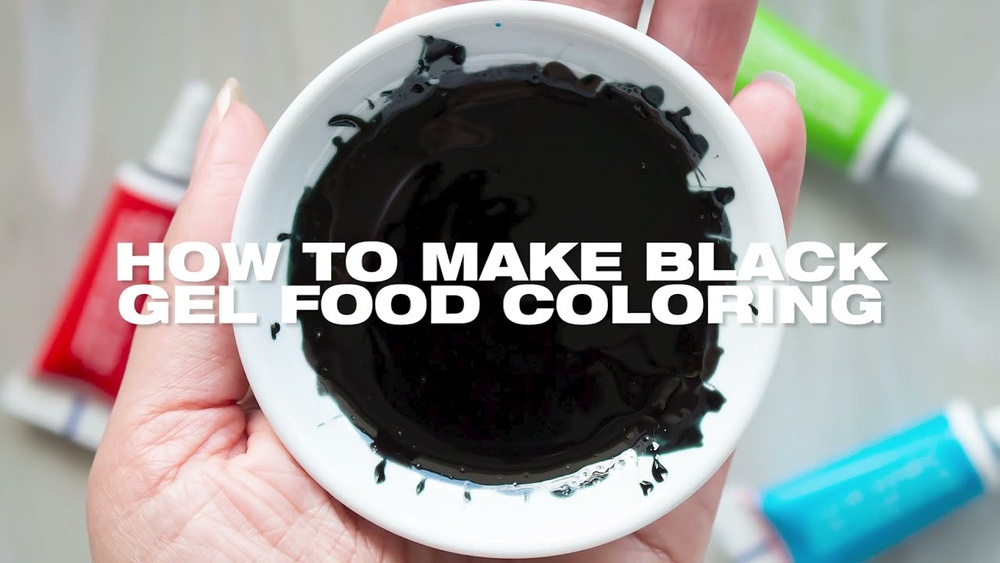
Are you wondering how to make the perfect black color with food coloring? Whether you’re decorating a cake, frosting cookies, or creating edible art, achieving a rich, true black can be tricky.
You might have tried mixing colors before and ended up with a muddy or dull shade instead. But don’t worry—this guide will show you simple, effective ways to create a deep black using basic food coloring you probably already have at home.
Keep reading, and you’ll learn the secrets to making black that’s bold, vibrant, and perfect for any culinary project you have in mind.
Basic Color Mixing
Basic color mixing is the foundation for creating custom colors with food coloring. Understanding how primary colors combine helps achieve the perfect shade. Mixing colors lets you create black without buying special dyes.
Start with the three primary colors: red, blue, and yellow. These colors can mix in different amounts to form many shades. Combining all three in equal parts usually results in a dark brown or gray, which can be adjusted to black.
Using Primary Colors To Create Black
Mix equal drops of red, blue, and yellow food coloring. Stir well and check the color. The mix will look dark but may lean toward brown or gray. Adjust by adding more blue or red to deepen the shade.
Mixing Complementary Colors
Complementary colors are opposite on the color wheel. Examples include blue and orange, red and green, or yellow and purple. Mixing these pairs can produce a dark, near-black color. Try mixing blue and orange food coloring in small amounts to see the effect.
Adjusting Shades For A True Black
Start with a dark base from your color mixes. Add small amounts of blue or green to cool the tone. Increase red slightly to warm it up if needed. Mix slowly to avoid making the color muddy or too light.
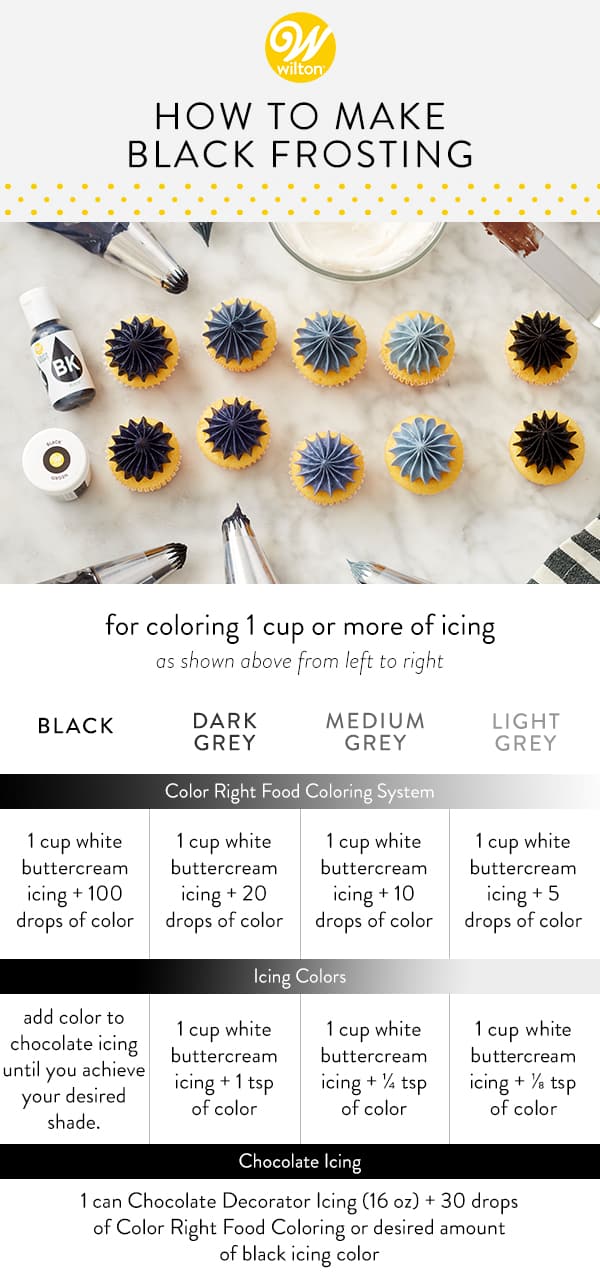
Credit: blog.wilton.com
Primary Colors For Black
Creating the color black with food coloring starts with understanding primary colors. Primary colors are the basic colors that cannot be made by mixing other colors. These are red, blue, and yellow. Mixing these three in the right amounts can produce black or a very dark shade close to black.
Using primary colors helps you control the shade and depth of the black color. It also allows you to avoid using too much artificial black dye. This is useful for baking and cooking, where color intensity matters.
Red: The First Primary Color
Red is a strong and vibrant color. It adds warmth to the mix. Using too much red can make the color look brownish instead of black. Balance red carefully with blue and yellow to keep the tone dark.
Blue: The Cool Tone For Black
Blue adds coolness and depth to the black mix. It helps tone down the warmth from red. Blue also makes the color look richer and more natural. Adding a bit more blue can darken the mix effectively.
Yellow: The Bright Primary Color
Yellow is bright and warm. It lightens the mixture if added too much. Only a small amount of yellow is needed to create black. Yellow helps balance the mix and prevents it from looking too blue or red.
Using Complementary Colors
Using complementary colors is a smart way to create black with food coloring. Complementary colors sit opposite each other on the color wheel. When mixed, they cancel each other out, resulting in a dark, almost black shade.
This method helps avoid the muddy look that sometimes comes with mixing just primary colors. It also offers better control over the final color tone. You can create deep blacks by balancing the right pairs of colors.
What Are Complementary Colors?
Complementary colors are pairs that contrast strongly. Examples include red and green, blue and orange, or yellow and purple. Mixing these pairs in equal parts usually produces a dark color close to black.
How To Mix Complementary Colors For Black
Start with equal amounts of two complementary food colors. Use gel food coloring for richer hues. Stir the colors well to combine them evenly. Adjust the amounts slightly if the color looks more brown or gray.
Tips For Achieving The Perfect Black
Add a small drop of a third color if needed. For example, add a touch of blue when mixing red and green. Test the color on a white surface to see the true shade. Keep adjusting in small steps to avoid a dull color.

Credit: www.mccormick.com
Gel Vs Liquid Food Coloring
Choosing between gel and liquid food coloring affects how you make black color in food. Each type has unique features. These differences change the mixing process and final shade. Understanding gel versus liquid helps you get deep, rich black tones.
What Is Gel Food Coloring?
Gel food coloring is thick and concentrated. It contains less water and more dye. This means you need only a small amount for strong color. Gel colors do not thin your mixture. They keep frostings and batters thick and creamy.
What Is Liquid Food Coloring?
Liquid food coloring is watery and less concentrated. You need more drops to get dark colors. It adds extra liquid to your mix. This can change the texture of icing or dough. Liquid colors are easy to blend but may dilute your recipe.
How Gel And Liquid Affect Making Black
Gel colors give a deeper, more vibrant black. They blend well without watering down mixtures. Liquid colors can create black but often look dull. You may need more liquid drops and extra mixing. Gel is better for thick frostings or fondant.
Which One Should You Use For Black?
Gel food coloring is the best choice for making black. It gives strong, rich color with less product. Liquid coloring works if you do not have gel. Use more drops and mix slowly to avoid runny texture. Gel saves time and keeps your food thick.
Step-by-step Mixing Guide
Creating the perfect black color with food coloring is simple with a clear plan. Follow this step-by-step mixing guide to achieve a rich, dark black shade for your recipes. Using the right colors in the correct order helps avoid dull or muddy results.
Add Primary Colors To A Bowl
Start by placing equal drops of red, blue, and yellow food coloring into a small bowl. Use gel food coloring for more vivid colors. This mix forms the base for your black color.
Mix Colors Thoroughly
Stir the colors well using a spoon or a toothpick. Blend until the mixture is smooth and the colors combine evenly. Check the shade of black at this stage.
Adjust Color Intensity
Add more blue or red drops if the color looks too brown or green. Add small amounts at a time. Stir after each addition to see the change clearly.
Test The Color
Use a small amount of the mix on a white surface or in your recipe. This helps you see the true black shade after it dries or bakes. Adjust if needed before using it fully.
Adjusting Color Intensity
Adjusting the color intensity is key to making the perfect black with food coloring. Black can look different depending on how strong or light the color is. It is not just about mixing colors but also about controlling how dark or soft the black appears.
Small changes in the amount of food coloring can create big differences. Too little, and the black looks gray or faded. Too much, and the mixture may become thick or taste bitter. Finding the right balance takes simple steps.
How To Darken The Black Color
Use more blue or green food coloring to make black darker. These colors deepen the black without changing its tone. Add drops slowly and mix well between each addition. This helps avoid making the color too strong too fast.
Lightening The Black Shade
Add a small amount of water or clear gel to soften the black color. This reduces the intensity without changing the hue. Mix gently to keep the color even. Lightening is useful when the black looks too bold for your recipe.
Testing Color Intensity
Test your black color on a small piece of the food or paper. Dry the sample to see the true shade. Colors often change slightly after drying. Adjust the mix if the black is too light or too dark for your needs.
Natural Alternatives
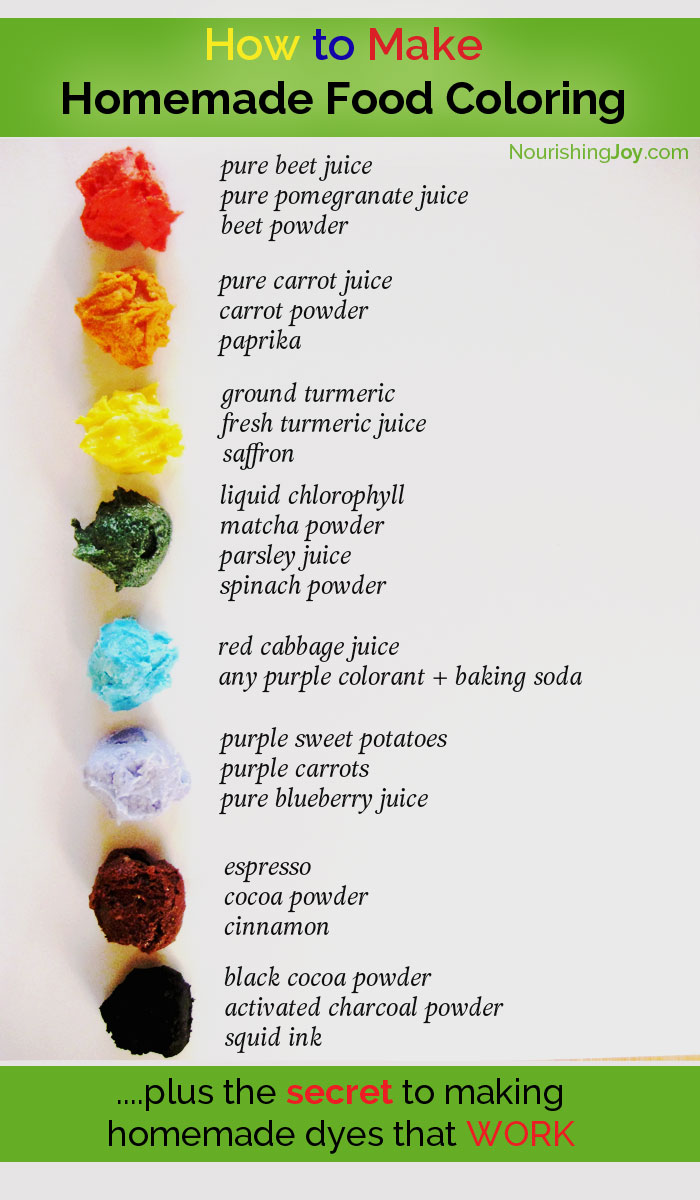
Natural alternatives offer a healthy and simple way to create black food coloring. These options use ingredients found in your kitchen or local stores. They avoid artificial dyes, making your food look great and stay natural. Using natural colors can also add subtle flavors to your dish. Let’s explore some easy and effective natural ingredients to achieve black color in food.
Activated Charcoal Powder
Activated charcoal is a popular natural choice for black food coloring. It comes in a fine powder and is safe to use in small amounts. Add a pinch to your batter or icing for a deep black hue. It has no strong taste, so it won’t change the flavor of your food. Make sure to buy food-grade activated charcoal for cooking.
Black Cocoa Powder
Black cocoa powder is darker than regular cocoa and gives a rich black color. It works well in baked goods like cakes and cookies. Use it as a base and mix with other natural colors if needed. The intense color also adds a slight chocolate flavor, enhancing your recipe.
Squid Ink
Squid ink is a natural black pigment used in many cuisines. It provides a deep black color and a unique, savory taste. Squid ink works best in savory dishes like pasta, rice, or sauces. Use it sparingly, as the flavor can be strong for some palates.
Black Sesame Seeds
Ground black sesame seeds can create a natural dark color. They have a nutty flavor that pairs well with sweets and breads. Mix ground seeds into dough or batter to add color and texture. This option is both tasty and visually appealing.
Credit: nourishingjoy.com
Common Mistakes To Avoid
Making black with food coloring can be tricky. Many people try but get dull or muddy colors. Avoiding common errors helps you get a true black shade.
Understanding these mistakes saves time and ingredients. It also improves your coloring results for cakes, icings, or other foods.
Using Only One Color
Black is not a single color. It is made by mixing several colors. Using only one color, like black food coloring alone, may give a weak or uneven tone. Mixing red, blue, and green creates a deeper black.
Adding Too Much Food Coloring
More color does not always mean better black. Too much coloring can make the mixture bitter or sticky. It can also affect the texture of your food. Add color little by little and test the shade often.
Ignoring The Type Of Food Coloring
Gel food coloring is stronger than liquid. Using liquid colors may need more drops to reach black. This can change the recipe’s consistency. Choose gel colors for a richer, smoother black.
Not Mixing Colors Evenly
Uneven mixing causes spots or streaks in the color. Stir well until the colors blend fully. This ensures a consistent black shade without patches.
Expecting Instant Black
Black takes time to develop. The colors need to blend well. Let the mixture sit for a few minutes. The black shade will deepen and become more natural.
Testing Your Black Color
Creating black with food coloring involves mixing equal parts of red, blue, and green colors. Gel food coloring works best because it gives a deeper, richer black. Test your mix and adjust by adding more color to reach the perfect shade.
How To Check The Shade Of Your Black Color
Testing your black food coloring helps you see if the color looks right. Use a small amount on a white plate or paper. The contrast will show the true shade. This step avoids surprises in your final dish.
Look for a deep, rich black. If it looks gray or dull, you may need to add more color. Keep testing until you get the perfect black tone.
Testing Black Color In Different Foods
Try your black coloring in different food types. Use it in frosting, dough, or batter samples. Colors can change based on the food’s texture and ingredients.
Notice if the black stays strong or fades. This helps you adjust your mix for the best results in your recipe.
Adjusting Your Black Color After Testing
After testing, adjust the color if needed. Add small drops of blue, red, or green to darken the black. Mix well and test again.
A little change can make a big difference. Repeat until the black matches your goal perfectly.
Storage And Usage Tips
Proper storage and careful usage of black food coloring help maintain its quality and effectiveness. Following simple tips ensures the color stays vibrant and lasts longer. It also helps avoid stains and messes during your cooking or baking projects.
Storing Black Food Coloring
Keep the black food coloring in a cool, dry place away from sunlight. Heat and light can break down the color and reduce its intensity. Always close the bottle tightly after use to prevent air from drying it out. Store it upright to avoid leaks and spills. Gel or liquid food coloring should be kept at room temperature unless the label says otherwise.
Using Black Food Coloring Safely
Use small amounts of black food coloring to achieve the desired shade. Adding too much can make the food taste bitter. Mix the color well to avoid uneven patches. Clean utensils and hands immediately after use to prevent staining. Test the color on a small portion before coloring large batches.
Extending Shelf Life
Check the expiration date before using black food coloring. Expired coloring may lose its strength or develop off smells. If the color thickens or changes texture, it might be time to replace it. Keeping the bottle sealed and away from moisture helps keep it fresh longer. Avoid mixing different colors directly in the bottle to prevent contamination.
Frequently Asked Questions
What Colors Make Black In Food Coloring?
Mix red, blue, and green food coloring to create black. Gel colors provide a richer, deeper black than liquids. Adjust proportions for desired shade.
What Two Colors Mix To Make Black?
Mix blue and orange, red and green, or yellow and purple to create a dark color close to black. For true black, mix equal parts of red, yellow, and blue primary colors.
How To Make Black Food Coloring Ratio?
Mix equal parts of red, blue, and green gel food coloring. Adjust ratios until you get a deep black shade. Use gel colors for richer black.
How To Get Black Icing With Food Coloring?
Mix red, blue, and green gel food coloring to create black icing. Use gel for deeper, richer color. Adjust ratios to darken.
What Colors Combine To Make Black With Food Coloring?
Mix equal parts of red, blue, and green food coloring to create black.
Can I Use Liquid Food Coloring To Make Black?
Yes, but gel food coloring gives a richer, more intense black color.
How Much Of Each Color Is Needed For Black?
Start with equal drops of red, blue, and green, then adjust as needed.
Is It Better To Use Gel Or Liquid Food Coloring?
Gel colors are stronger and produce deeper black shades than liquid ones.
How Can I Make Black Food Coloring Darker?
Add more blue and green slowly to deepen the black shade.
Will Mixing Primary Colors Always Give Perfect Black?
Mixing red, blue, and green usually works, but slight adjustments may be needed.
Conclusion
Creating black food coloring is simple with the right color mix. Use red, blue, and green together for a deep black shade. Gel colors work best because they are stronger and richer. Start with small amounts and add more to reach the color you want.
Mixing takes a little patience but gives great results. Now, you can make black icing or decorations easily at home. Experiment with your colors and enjoy your baking projects!