
Have you ever struggled to get the perfect black shade with food dye? Whether you’re decorating a cake, coloring frosting, or crafting edible art, achieving a true black color can be tricky.
But don’t worry—you can make your own black food coloring right at home with just a few simple steps. In this guide, you’ll discover exactly which colors to mix, how to balance them, and insider tips to get that deep, rich black every time.
Ready to transform your baking and impress your guests with flawless black hues? Keep reading, because your next masterpiece starts here!
Primary Colors For Black
Creating black with food dye starts with understanding primary colors. The main colors to mix are red, blue, and green. These three colors combine in different amounts to produce black.
Mixing these colors can be tricky. Too much of one color may change the shade. The goal is to balance them to get a deep, true black color.
Red Dye As A Base
Red is a strong color that adds warmth to the mix. It helps darken the overall shade. Use red carefully because too much can make the color look brownish.
Blue Dye For Depth
Blue adds depth and cool tones to the mix. It helps balance the warmth from red. Adding blue slowly can deepen the color without making it too bright.
Green Dye To Balance
Green tones down the mix and helps create a true black. It neutralizes the red and blue. Adding green in small amounts makes the black look richer.
Mixing Red, Blue, And Green
Mixing red, blue, and green food dyes is a simple way to create black color at home. These three colors are primary in light mixing and can form black when combined correctly. Achieving a true black shade may take some trial and error with the amounts of each color.
Start with equal parts of red, blue, and green food dyes. This base often looks muddy or dark gray. Adjust the ratios slowly to deepen the color. Adding more red and green usually helps reach a richer black. Mixing thoroughly after each addition is important to see the true color.
Combine The Three Primary Colors
Begin by placing equal amounts of red, blue, and green food dyes in a small bowl. Use a clean container for better mixing results. This equal mix forms the base for your black color. The initial color might look dull or dark greenish-blue.
Mix Thoroughly
Use a toothpick or a small whisk to blend the dyes well. Mixing completely ensures even color distribution. At this point, the shade may appear muddy or uneven. Keep stirring until the color looks consistent throughout.
Adjust For A Darker Black
Add small drops of red and green dyes to darken the mixture. Adding blue alone will not deepen the black enough. Test the color after each addition. If the mixture turns too brownish, balance it with a bit more blue. Continue this process until you reach the desired deep black tone.
Balancing Color Shades
Balancing color shades is key to making black with food dye. Black is not a simple color to create by mixing dyes. It requires careful adjustment of shades. Small changes can shift the color from black to muddy brown or dark green. Understanding how to balance these shades helps achieve a rich, true black color. This section explains how to balance color shades effectively.
Understanding Primary Color Ratios
Start with equal parts of red, blue, and green food coloring. These are the primary colors that combine to create black. Mixing them in equal amounts usually produces a dark shade but not pure black. Adjusting the ratio slightly can improve the black tone. For example, adding more red and green can deepen the color. Experiment with small amounts to find the right balance.
Testing And Adjusting Shades
After mixing, test the color on a white surface. This shows the true shade of the mixture. If the color looks too blue or green, add a little more red. If it appears too red or brown, add a touch of blue. Always add dye in small increments. Stir well after each addition to check the new shade. This gradual approach prevents the color from becoming too dark or muddy.
Using A Brown Base For Deeper Black
Starting with a brown base can help achieve black faster. Brown shades come from mixing red, yellow, and blue in different amounts. Adding black dye to a brown base deepens the color naturally. It also gives a warmer tone to the black. This method reduces the chance of the black looking too cool or bluish. Use brown food coloring or natural ingredients like cocoa powder for the base.
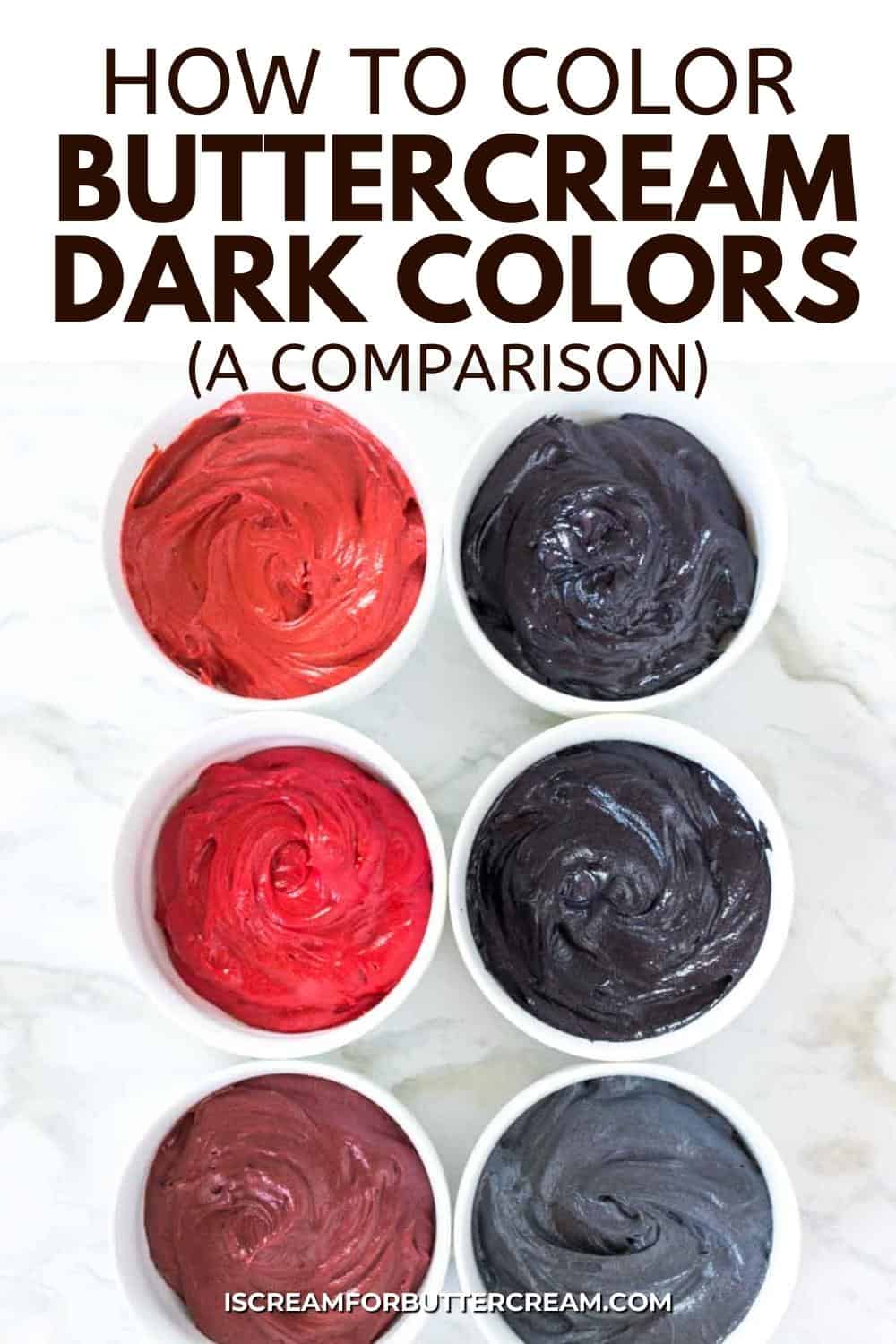
Credit: iscreamforbuttercream.com
Using Chocolate Base
Using a chocolate base is an excellent way to achieve a rich black color with food dye. Chocolate naturally has a deep brown color that helps create a dark shade faster. This method reduces the need for large amounts of black dye, which can sometimes affect taste and texture.
Chocolate adds flavor and richness while providing a perfect canvas for black coloring. It works well in cakes, frostings, and other desserts. Mixing food dye with chocolate makes the color look more natural and less artificial.
Choosing The Right Chocolate
Use dark or bittersweet chocolate for the best results. Milk chocolate is too light and will not create a deep black color. The higher the cocoa content, the darker the base color. This helps the dye blend better and appear more intense.
Preparing The Chocolate Base
Melt the chocolate gently to avoid burning. Use a double boiler or microwave in short bursts. Stir well to get a smooth texture. Let the chocolate cool slightly before adding food dye.
Adding Food Dye To Chocolate
Use gel or paste food coloring for stronger color. Liquid dye can thin the chocolate and change the texture. Add small amounts of black dye and mix thoroughly. Adjust the color by adding tiny drops of red, blue, or green if needed to deepen the black shade.
Mixing Tips For Even Color
Mix slowly and carefully to avoid lumps. Use a toothpick or small whisk to blend the dye into the chocolate. Check the color under natural light for accuracy. Repeat adding dye in small amounts until you reach the desired black tone.
Gel And Paste Dye Benefits
Gel and paste food dyes offer distinct benefits for making the color black. Their thick consistency provides better control over color intensity. These dyes deliver rich, vibrant colors with minimal effort. They blend smoothly into icings, batters, and doughs without watering them down.
Using gel or paste dye means you need less product compared to liquid dyes. This makes it easier to achieve a deep black shade without adding too much moisture. The concentrated pigments also reduce the risk of color fading after baking.
Vibrant And Deep Color
Gel and paste dyes have strong pigments. They create a more intense black than liquid dyes. This helps in getting a true black color quickly. Less mixing is needed to reach the desired shade.
Less Liquid In Recipes
These dyes add color without extra liquid. This keeps the texture of frostings and doughs intact. The final product stays firm and smooth. It avoids making batters runny or thin.
Easy To Control Amount
The thick form lets you measure small amounts easily. You can add color drop by drop for precision. This control prevents over-coloring and waste.
Better Mixing And Blending
Gel and paste dyes mix evenly into food. They don’t separate or settle quickly. This ensures a consistent black color throughout your recipe.
Long-lasting Color
Colors from gel and paste dyes stay vibrant after baking. They resist fading better than liquid dyes. This makes them ideal for cakes, cookies, and decorations.
Natural Black Coloring Options
Natural black coloring options offer a healthier alternative to artificial dyes. These options come from plants and foods that provide deep, rich black hues. Using natural colors can improve taste and add nutrients to your recipes. Here are some popular natural black coloring ingredients.
Activated Charcoal Powder
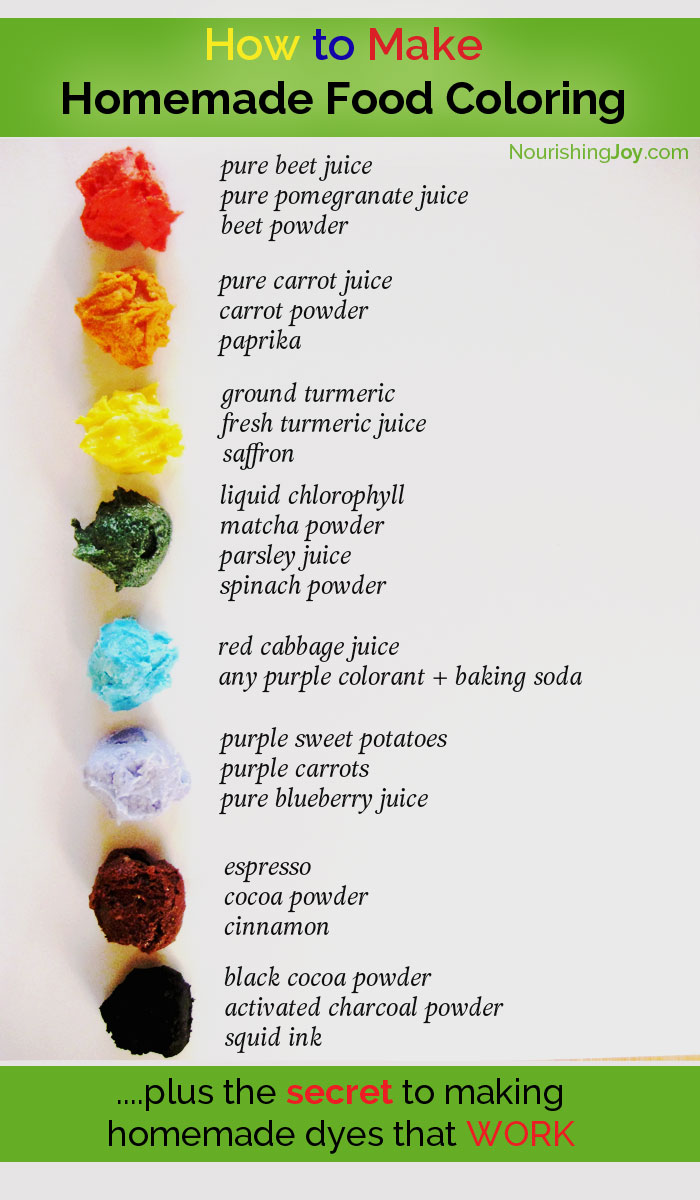
Activated charcoal powder is a fine black powder made from coconut shells or wood. It creates a strong black color in foods and drinks. Use small amounts to avoid a gritty texture. It is safe for most recipes and adds a dramatic black shade.
Black Cocoa Powder
Black cocoa powder is a Dutch-processed cocoa with a very dark color. It has a smooth, rich flavor and works well in baked goods. Mixing black cocoa with regular cocoa deepens the black tone. This powder gives a natural black color with a chocolate taste.
Black Bean Juice
Black bean juice is made by boiling black beans and straining the liquid. The juice has a dark color suitable for natural dyeing. It adds moisture and a mild flavor to baked items. This option is great for vegan and allergy-friendly recipes.
Squid Ink
Squid ink is a natural black dye used in savory dishes. It offers a deep black color and a salty, umami flavor. It works well in pasta, sauces, and seafood recipes. Use it sparingly to avoid overpowering the dish’s taste.
Black Sesame Paste
Black sesame paste is made from ground black sesame seeds. It has a thick texture and a nutty flavor. This paste gives a dark, almost black color to desserts and drinks. It also adds a rich, earthy taste and healthy fats.
Step-by-step Mixing Guide
Creating the perfect black color with food dye needs careful mixing. This step-by-step guide helps you get a rich black shade. Follow each step to achieve the best results for your baking or decorating projects.
Combine Primary Colors
Start by adding equal parts of red, blue, and green food dye into a small bowl. These are the primary colors needed to make black. Use gel or liquid dyes for easier mixing.
Mix Thoroughly
Stir the colors well using a toothpick or small whisk. The mix will look muddy or dark green at this point. Keep mixing to blend the colors fully.
Adjust The Shade
Check the color after mixing. Add more red and green to deepen the black. Add small drops at a time to avoid making the color too bright or dull.
Test The Color
Test the black dye on a small piece of white frosting or paper. Let it dry to see the true color. If it looks too dark or light, adjust by adding tiny amounts of dye.
Use A Brown Base (optional)
For faster results, start with a brown base like chocolate frosting. Mix the black dye into this base. It helps create a deeper, richer black without many adjustments.
Credit: nourishingjoy.com
Testing And Adjusting Color
Testing and adjusting the color is a key step in making black with food dye. The initial mix may not look perfect. Small changes can make a big difference. Check the color under good light to see the true shade. Make adjustments slowly to avoid over-darkening or shifting the hue.
Testing The Color On Different Surfaces
Try the color on white paper or a white plate first. This shows how the black will appear on light backgrounds. Test on frosting or dough too. Different materials absorb dye differently. The color may look lighter or duller on some surfaces. Testing helps you know what to expect.
Adjusting The Shade Gradually
Add tiny drops of red, blue, or green dye to darken the color. Stir well after each addition. Stop adding dye once you reach a deep, rich black. Avoid adding too much at once. It is easier to add more than to fix a color that is too dark.
Correcting Color Tints
If the color looks too blue, add a bit more red or green. If it is too brown, add more blue. Keep notes of how much you add. This helps you replicate the perfect black next time. Small shifts bring the color closer to true black.
Letting Color Develop
After mixing your food dyes to create black, patience is key. The color often looks different right after mixing. It may appear dark brown, muddy, or even greenish. The true black shade develops as the colors settle.
Allow the dye mixture to rest for several minutes. This resting time lets the colors blend fully. The pigments deepen and become richer, giving a smoother black tone. Stirring gently after resting can help check the color.
Why Resting Time Matters
Resting allows food dyes to combine chemically. Some dyes take time to reach their full color potential. Without resting, the color may look uneven or dull. The black shade becomes more intense and consistent after waiting.
How Long To Let Food Dye Develop
Let your dye mixture sit for at least 10 to 15 minutes. For darker results, waiting 30 minutes works well. Keep the mixture covered to avoid drying out. Check the color in natural light for the best view.
Tips For Best Color Development
Use a clear bowl to see color changes easily. Stir gently before and after resting to mix evenly. Avoid adding too much water; it can dilute the color. Store leftover dye in a sealed container to keep it fresh.
Common Mistakes To Avoid
Making black food dye can be tricky. Many people make simple mistakes that affect the final color. Avoiding these errors saves time and improves results.
Learning common pitfalls helps achieve a true, deep black color. Watch out for these issues when mixing your dyes.
Using Too Much Blue Dye
Blue dye can easily overpower the mix. It may turn the color purple or dark blue. Use it sparingly and balance with red and green.
Not Mixing Colors Thoroughly
Incomplete mixing causes uneven color patches. Stir the dyes well until the color looks smooth and uniform. This step is crucial for deep black.
Starting With Light Or Transparent Bases
Using a clear or light base dilutes the color intensity. Start with a white or slightly colored frosting for better black shades. This helps the black dye show true color.
Ignoring Color Adjustment Time
Colors darken after resting. Test the color after mixing and wait a few minutes. Adjust dye amounts slowly. Rushing this step leads to incorrect shades.
Using Low-quality Food Dyes
Cheap dyes often lack strong pigments. This results in dull or muddy black colors. Choose high-quality gel or paste food colors for best results.

Credit: www.lilaloa.com
Frequently Asked Questions
What Food Dye Colors Make Black?
To make black food dye, mix red, blue, and green food coloring in equal parts. Adjust by adding more red and green to deepen the black. Using a chocolate base or gel food coloring helps achieve a richer black faster.
How To Make Black Dye With Food Coloring?
Mix equal parts red, blue, and green food coloring. Stir well. Adjust by adding red or green drops until deep black appears. Test on white surface. Use gel dyes or a cocoa base for richer black.
What Two Colors Mix To Make Black?
Mix equal parts of red and green to make black, adjusting amounts to deepen the shade. Adding blue can also help achieve true black.
How To Make The Color Black With Dye?
Mix equal parts red, blue, and green food dyes. Adjust by adding more red and green until achieving a deep black shade. Use gel dyes or a chocolate base for richer black color. Test on a white surface and let it sit to deepen.
What Colors Combine To Make Black Food Dye?
Mix equal parts red, blue, and green food dye to start making black.
How To Adjust Food Dye For A True Black Color?
Add more red and green gradually to deepen the black shade.
Can Brown Food Dye Help Make Black Color?
Yes, starting with brown dye can speed up reaching a black tone.
What Is The Best Method To Mix Food Dyes For Black?
Use a toothpick or small whisk to blend colors evenly in a bowl.
Why Does Black Dye Look Muddy Or Greenish First?
Initial mixes often appear muddy due to color blending before adjustments.
How Long Should I Mix Food Dyes For Black?
Mix until the color is smooth and consistent, usually a few minutes.
Conclusion
Creating black food dye is simple with the right mix of colors. Start with equal parts red, blue, and green. Adjust the amounts slowly to get a deep black shade. Mixing takes patience, so test often to reach the perfect color.
This method works well for icing, cakes, and other treats. Now, you can easily make black food coloring at home. Enjoy experimenting with your creations and adding bold colors to your recipes!