Are you wondering if grizzly bears still roam the wilds of Colorado? It’s a question that sparks curiosity and maybe even a bit of concern.
You might have heard stories or seen recent reports hinting at their presence. But what’s the truth behind these tales? Whether you’re a hiker, camper, or just curious about Colorado’s wildlife, knowing if grizzlies are around is important for your safety and peace of mind.
Keep reading, and you’ll discover the real story about grizzly bears in Colorado—past, present, and what it means for you today.
Credit: www.rockymtnresorts.com
Grizzly Bears In Colorado Today
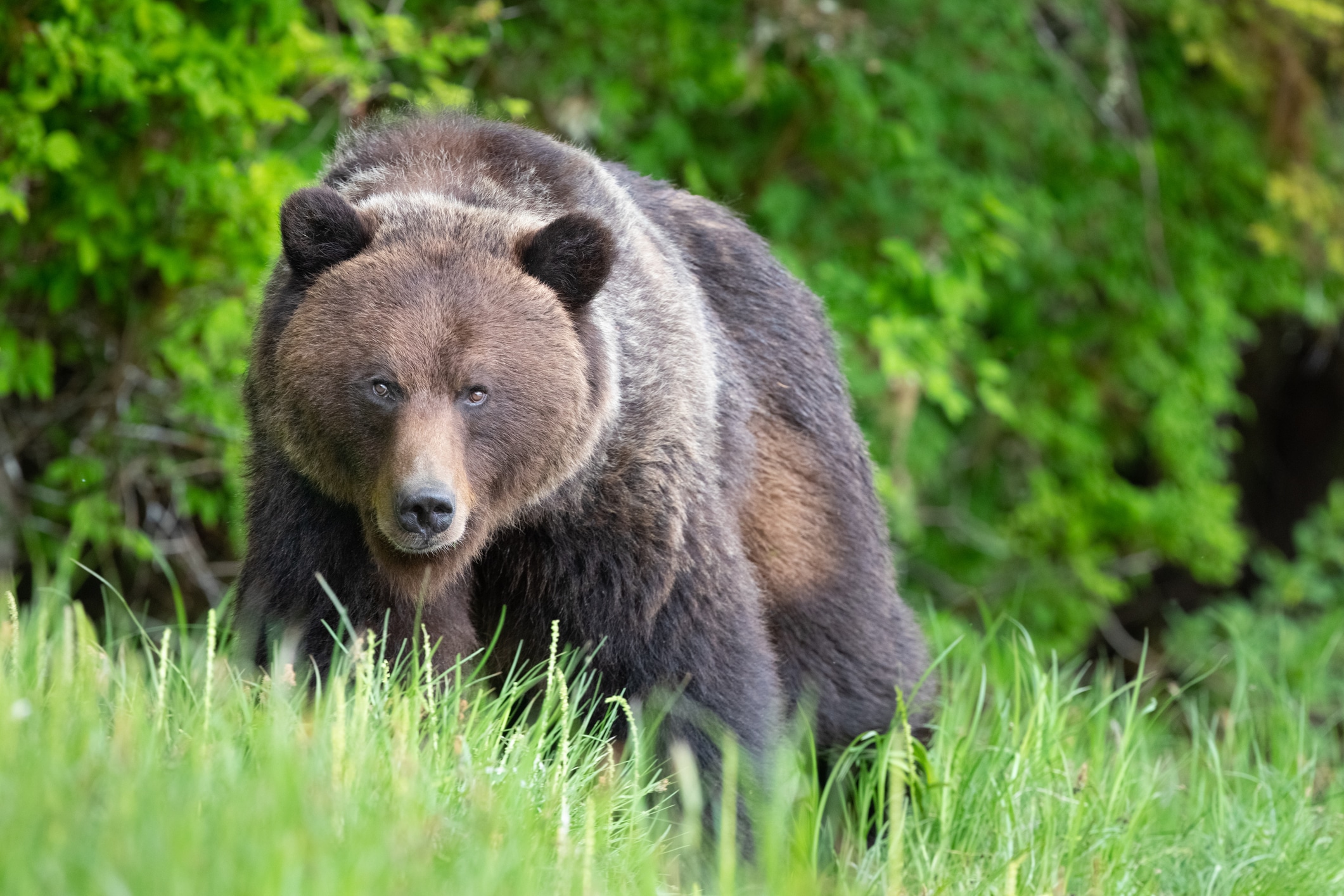
Grizzly bears no longer roam wild in Colorado. The last known grizzly was killed in 1979. Since then, there have been no confirmed populations in the state.
People sometimes report sightings, but these are usually black bears. Black bears are common in Colorado’s forests and mountains.
Efforts to reintroduce grizzlies to Colorado have been discussed but face many challenges. These include habitat concerns and public safety.
Current Status Of Grizzly Bears In Colorado
Grizzly bears are officially listed as extinct in Colorado. Wildlife agencies confirm no breeding populations exist. The state focuses on managing black bears instead.
Historical Sightings And Last Known Grizzly
The last grizzly bear was killed in the South San Juan Wilderness. This event marked the end of grizzlies in Colorado. Stories of grizzly attacks are part of local history.
Possibility Of Grizzly Bear Return
Reintroduction plans remain uncertain. Experts debate the feasibility due to limited habitat and human activity. Colorado’s rugged terrain might support grizzlies but risks remain.
Distinguishing Grizzly Bears From Black Bears
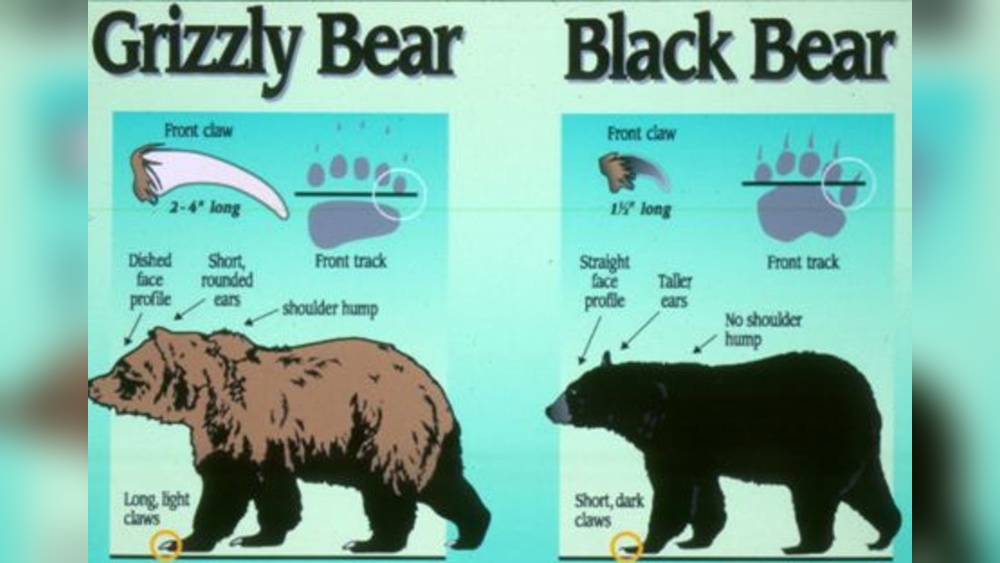
Black bears are smaller and lack the grizzly’s shoulder hump. Their color varies but usually darker than grizzlies. Knowing the differences helps avoid confusion in sightings.

Credit: www.denverpost.com
Historical Presence Of Grizzlies
Grizzly bears once roamed widely across Colorado’s mountains and forests. They were a common sight in the state’s rugged wilderness. These powerful animals played a key role in the local ecosystem for centuries.
Over time, human expansion and hunting reduced their numbers drastically. By the early 1900s, grizzlies vanished from most parts of Colorado. Their disappearance marked the end of an era for the region’s wildlife.
Early Records Of Grizzly Bears In Colorado
Historical documents show grizzlies lived throughout Colorado’s mountain ranges. Native American tribes often told stories about these bears. Early settlers and explorers also reported seeing grizzlies near rivers and forests.
These records confirm grizzly bears were once widespread. They adapted well to Colorado’s diverse habitats, from alpine meadows to dense woods.
Decline And Extinction In The Region
As settlers moved west, conflicts with grizzly bears increased. Bears were hunted for safety and fur. Habitat loss from farming and mining further pushed grizzlies out.
By the mid-1900s, Colorado’s grizzly population was gone. No verified sightings occurred for decades. This loss had a big impact on the natural balance in the wild.
Famous Last Sightings And Incidents
The last known grizzly attack in Colorado happened in 1979. A hunter was mauled in the South San Juan Wilderness. He managed to kill the bear in self-defense.
This event marked one of the final confirmations of grizzlies in the state. Since then, no confirmed grizzly bears have lived in Colorado’s wild areas.
Last Confirmed Sightings
Grizzly bears once roamed freely across Colorado’s wilderness. Their presence shaped the state’s natural history. Over time, hunting and habitat loss reduced their numbers drastically.
Understanding the last confirmed sightings helps clarify if grizzlies still live in Colorado. These sightings mark the end of an era for the species in this region.
1979 South San Juan Wilderness Incident
The last confirmed grizzly bear sighting in Colorado occurred in 1979. Ed Wiseman was bow hunting elk in the South San Juan Wilderness. He accidentally disturbed an old, sick grizzly bear.
The bear attacked Wiseman, but he defended himself using a broadhead arrow. The bear died from its wounds. This event is widely recognized as the final verified grizzly bear encounter in Colorado.
Historical Context Of Grizzly Bears In Colorado
Grizzly bears once thrived in Colorado’s mountains and forests. They were common across the western parts of the state. Over the 20th century, their population declined sharply.
By the late 1970s, grizzly bears were nearly extinct in Colorado. Hunting restrictions and habitat loss played major roles in their disappearance.
Recent Unconfirmed Sightings And Reports
Since 1979, there have been occasional reports of grizzly bear sightings. These reports lack solid evidence or confirmation. Wildlife officials consider these sightings unverified.
Experts believe no breeding grizzly bear populations remain in Colorado today. The state’s official stance is that grizzlies are currently absent.
Reasons For Grizzly Decline
The grizzly bear population in Colorado has sharply decreased over the past century. Many factors contributed to this decline. Understanding these reasons helps explain why grizzlies are no longer common in the state.
Human activity played a major role. Hunting, habitat loss, and conflicts with people all affected grizzly numbers. These issues combined to push the bears toward local extinction.
Habitat Loss And Fragmentation
Grizzly bears need large, undisturbed areas to survive. As Colorado grew, forests and wilderness shrank. Roads, farms, and towns spread into bear habitats. This broke the land into smaller pieces. Bears could not find enough food or mates easily. Their homes became too small and isolated.
Human-wildlife Conflict
Grizzlies often came into contact with people. Farmers and ranchers feared for their livestock. Bears were seen as threats to safety and property. Many bears were killed to protect people and animals. This reduced the bear population quickly.
Hunting And Trapping
In the past, hunting grizzlies was common. The bears were hunted for sport and fur. Trapping also targeted bears. Without laws to protect them, grizzly numbers dropped fast. Hunting removed many adult bears that could reproduce.
Food Source Changes
Grizzlies eat plants, berries, insects, and animals. Changes in the environment affected their food. Logging and farming altered the natural landscape. Less food meant weaker bears and fewer cubs. Food scarcity made survival harder.
Current Grizzly Populations In The Us
Grizzly bears once roamed across many parts of the United States. Today, their numbers have dropped significantly. They now live mostly in specific regions.
These bears are mainly found in Alaska and parts of the Rocky Mountains. The populations are small but stable in some areas.
Grizzly Bears In Alaska
Alaska has the largest population of grizzly bears in the US. The state’s vast wilderness offers plenty of space and food. These bears thrive in coastal and inland areas.
Rocky Mountain Grizzly Populations
Grizzlies live in parts of Montana, Idaho, and Wyoming. National parks like Yellowstone and Glacier protect many bears. These areas have helped grizzly numbers recover slowly.
Grizzly Bears In Washington And Oregon
Washington has a very small grizzly population. The bears here are mainly in remote mountainous regions. Oregon has only a few reported sightings, with no confirmed stable populations.
Grizzly Status In California And Colorado
California once had grizzly bears, but they are now extinct there. Colorado had grizzlies historically but no confirmed populations today. Some reports suggest rare sightings, but no breeding groups exist.
Habitat Suitability In Colorado
Colorado offers a mix of environments that could support grizzly bears. The state has large forests, mountains, and rivers. These areas provide food, shelter, and space for many wild animals.
Grizzly bears need certain conditions to thrive. They look for places with enough food, water, and cover. Colorado’s natural landscape includes many of these features. Still, the presence of humans affects where bears can live safely.
Forest And Mountain Regions
Dense forests and high mountains in Colorado offer good cover. These areas have plenty of berries, roots, and small animals for food. The Rocky Mountains provide rugged terrain that grizzlies prefer. Colorado’s western slopes are especially rich in these habitats.
Food Availability
Grizzlies eat plants, insects, and animals. Colorado’s forests and meadows produce many berries and nuts. Rivers and streams supply fish and other water animals. This variety of food supports large predators like bears.
Human Impact And Safety
Human activities reduce suitable habitat for grizzlies. Roads, towns, and farms break up natural areas. Bears avoid places with heavy human presence. Colorado’s growing population limits safe zones for large wildlife.
Protected Areas And Wilderness
National parks and wilderness areas protect parts of Colorado. These lands offer refuge from hunting and development. Places like the San Juan Mountains remain wild and remote. Such areas could support grizzly bears if they return.
Conservation Efforts And Reintroduction
Conservation efforts and reintroduction of grizzly bears in Colorado focus on restoring this iconic species to its natural habitat. Grizzlies once roamed the region freely but were wiped out by the early 20th century. Today, wildlife experts explore ways to bring them back safely and sustainably.
These efforts involve careful planning and cooperation among state agencies, scientists, and local communities. The goal is to balance the needs of wildlife with human safety and economic interests. Reintroduction programs also aim to improve biodiversity and ecosystem health.
Current Conservation Programs In Colorado
Colorado has started studying the feasibility of reintroducing grizzly bears. Scientists monitor habitats to identify suitable areas for their return. These programs include tracking other bear populations nearby and assessing food availability and habitat connectivity.
Challenges To Grizzly Bear Reintroduction
Human-bear conflicts pose significant challenges. Many people live and work in bear habitat, increasing risk. Public education is crucial to reduce fear and teach safe coexistence. Ensuring enough space and food for bears is also difficult due to land use changes.
Success Stories From Other States
Neighboring states like Wyoming and Montana have seen positive results from grizzly reintroduction. Careful management helped stabilize their populations. These examples provide valuable lessons for Colorado’s efforts. They show that with patience and support, grizzly recovery is possible.

Credit: coloradosun.com
Human-wildlife Conflicts
Encounters between humans and wildlife can lead to serious problems. These conflicts often arise near natural habitats where animals and people cross paths. In Colorado, such conflicts mostly involve black bears and mountain lions, not grizzly bears. Understanding these interactions helps communities stay safe and protect wildlife.
Human activities like hiking, camping, and living near wilderness areas increase the chances of meeting wild animals. These meetings sometimes cause harm or fear on both sides. Learning about the risks and proper behavior can reduce conflicts and support peaceful coexistence.
Common Causes Of Conflicts
Food attracts animals to human areas. Garbage, pet food, and bird feeders can lure bears and other wildlife. Animals may become bold, searching for easy meals near homes or campsites. This behavior raises the risk of dangerous encounters.
Surprise encounters also cause conflicts. Bears may react aggressively if startled or threatened. People who hike or hunt without making noise might accidentally come too close to a bear. Awareness and caution are key to avoiding these situations.
Impact On Wildlife
Conflicts often harm animals. Bears that get too close to people may be captured or killed. This reduces local wildlife populations and disturbs the ecosystem. Protecting animals requires managing human behavior and reducing attractants.
Wildlife losing fear of humans can lead to more conflicts. Bears that find food near homes may become dependent on it. This changes their natural habits and increases danger for both bears and people.
Safety Tips For Visitors
Keep food stored securely while outdoors. Use bear-proof containers or hang food away from campsites. Dispose of trash in designated bins to avoid attracting animals.
Make noise when hiking to alert bears of your presence. Carry bear spray as a precaution. Stay calm and back away slowly if you see a bear. Never run or approach the animal.
Respect wildlife and observe from a distance. Avoid feeding or provoking animals. Following simple rules helps keep both humans and wildlife safe in Colorado’s wild spaces.
Myths And Misidentifications
Stories about grizzly bears in Colorado often mix facts with myths. These tales create confusion about whether grizzlies still roam the state. People sometimes mistake other animals for grizzly bears. This section clears up those common errors and explains why these myths persist.
Confusing Black Bears For Grizzlies
Black bears are common in Colorado. They can look large and dark, which leads to mistakes. Black bears sometimes stand on their hind legs, appearing bigger. People may see these bears and think they are grizzlies. Black bears have different facial shapes and shoulder humps than grizzlies. Knowing these differences helps prevent misidentification.
Rare Sightings And Old Stories
Many old stories mention grizzly bears in Colorado. The last known grizzly was killed decades ago. Some recent sightings are likely echoes of these old tales. Fear and excitement make people report grizzlies without proof. Wildlife experts have not confirmed any recent grizzly presence in the state.
The Role Of Media And Social Networks
Photos and videos shared on social media can spread false information. Blurred images or distant shots may look like grizzlies. People often share these without checking facts. This fuels myths and false alarms. Reliable sources and expert opinions are crucial to separate truth from fiction.
Frequently Asked Questions
When Was The Last Sighting Of A Grizzly Bear In Colorado?
The last confirmed grizzly bear sighting in Colorado was in 1979 in the South San Juan Wilderness.
Which States Have Grizzly Bears?
Grizzly bears live mainly in Alaska, Montana, Idaho, Wyoming, and Washington. Small populations appear in Colorado and Oregon. California’s grizzlies are extinct.
Why Did Grizzly Bears Leave Colorado?
Grizzly bears left Colorado due to hunting, habitat loss, and human conflicts. These factors forced their local extinction by the early 1900s.
Do The Rockies Have Grizzly Bears?
The Rocky Mountains have very few grizzly bears today. Historically, they were common, but now sightings are rare. Some grizzlies appear in Montana, Idaho, Wyoming, and Washington. Colorado had its last confirmed grizzly in 1979, with only occasional recent sightings reported.
Are There Grizzly Bears Currently Living In Colorado?
No, grizzly bears have been extinct in Colorado since the 1970s.
When Was The Last Grizzly Bear Seen In Colorado?
The last confirmed sighting was in 1979 in the South San Juan Wilderness.
Why Did Grizzly Bears Disappear From Colorado?
Hunting and loss of habitat caused grizzly bears to vanish from Colorado.
Can Grizzly Bears Return To Colorado Naturally?
It is unlikely without human efforts to reintroduce and protect them.
Are Black Bears Common In Colorado Instead Of Grizzlies?
Yes, black bears are common and widely found across Colorado.
How Can You Identify A Grizzly Bear Versus A Black Bear?
Grizzlies are larger, with a hump on their shoulders and rounded ears.
Conclusion
Grizzly bears no longer roam wild in Colorado today. The last confirmed sighting was decades ago. Bears like these now mainly live in states like Montana and Wyoming. Colorado’s wildlife includes black bears, which are more common and less aggressive.
Knowing this helps visitors stay safe outdoors. Respect nature and follow local guidelines when hiking or camping. This keeps both people and animals protected. Stay curious, but stay cautious in Colorado’s wilderness.