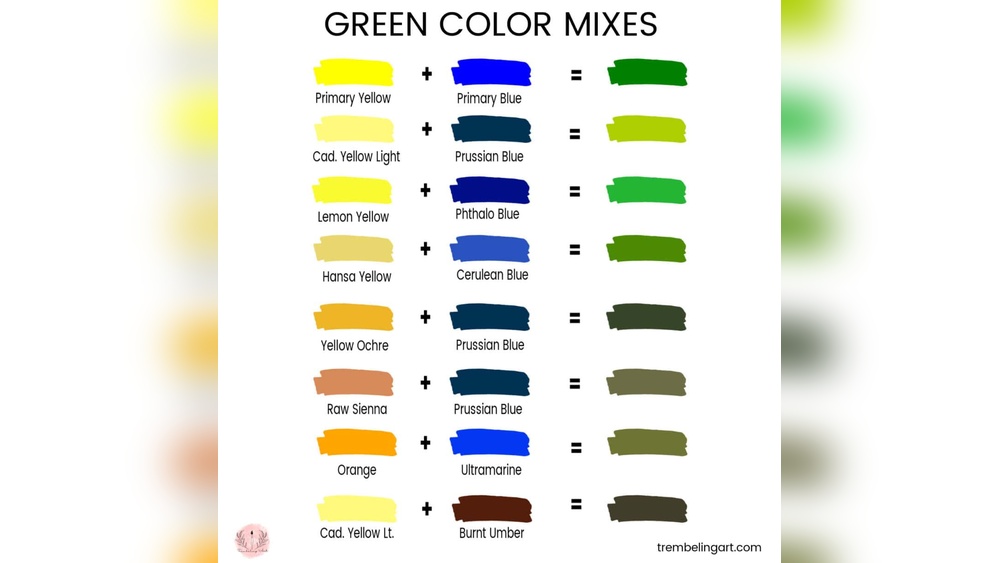
Have you ever wondered how to make the perfect shade of green? Whether you’re painting a landscape, designing a logo, or just curious about colors, knowing how to mix green can open up a world of creativity for you.
It’s simpler than you might think—by combining just two basic colors, you can create green and even customize it to fit your exact needs. You’ll discover easy steps to mix green, how to adjust its tone, and tips to make different shades like mint, olive, or forest green.
Ready to unlock the secret of green and bring your projects to life? Let’s dive in!
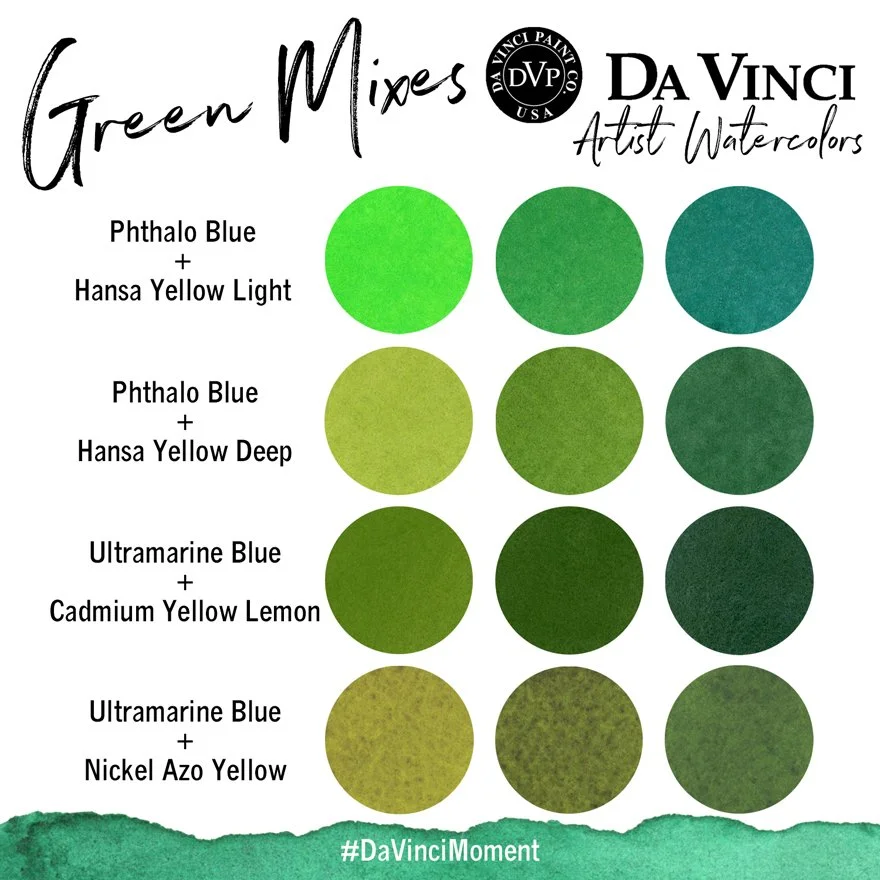
Credit: www.davincipaints.blog
Basic Green Mix
Creating the basic green color is simple and fun. Green is made by mixing two primary colors: yellow and blue. By changing the amount of each color, you get different shades of green. This mix is the foundation for many green tones used in art and design.
Start with equal parts of yellow and blue paint. Mix them well until you see a pure green color. This is the basic green mix that works for many purposes. You can experiment by adding more yellow or blue to change the shade.
Yellow-leaning Green
To make green that looks more like lime, add more yellow to your mix. This green will be brighter and warmer. It works well for painting leaves in sunlight or fresh grass.
Blue-leaning Green
Add more blue if you want a cooler green. This shade can look like turquoise or teal. It is perfect for water scenes or shadows in nature.
Adjusting Lightness And Darkness
Lighten your green by mixing in white paint. This creates soft, minty green shades. To darken green, add a small amount of red. This deepens the color, making it look richer and more natural.
Credit: www.ettavee.com
Yellow-dominant Greens
Yellow-dominant greens have a bright and fresh feel. They appear lighter and warmer than other greens. These greens are often seen in nature, like young leaves and spring grass.
To make yellow-dominant green, start with a base of yellow paint. Slowly add small amounts of blue until you reach the desired shade. The yellow color should be stronger than the blue. This gives the green a sunny and lively look.
How To Mix Yellow-dominant Greens
Begin with a bright yellow paint. Add blue paint drop by drop. Stir the mix thoroughly each time you add blue. Stop when the green looks balanced but still leans yellow.
Examples Of Yellow-dominant Green Shades
Lime green is a popular yellow-dominant green. It looks vibrant and fresh. Another example is chartreuse, which is bright and eye-catching. These shades work well in designs needing energy and brightness.
Uses For Yellow-dominant Greens In Art
Artists use yellow-dominant greens to show sunlight on plants. These greens suggest warmth and life. They create highlights in landscapes and add depth to floral paintings.
Blue-dominant Greens
Blue-dominant greens have a cool, calming feel. They look fresh and deep, often like the ocean or pine trees. These greens carry more blue than yellow, creating a color that feels soothing and natural. Artists and designers use blue-dominant greens to evoke peace or mystery in their work.
Making blue-dominant green starts with mixing blue and yellow paint. Use more blue than yellow to shift the color towards blue. This mix creates shades like teal, turquoise, or forest green. Each shade depends on the exact amount of blue added.
Mixing Blue And Yellow For Blue-dominant Green
Begin with a basic green by mixing equal parts of blue and yellow. Slowly add more blue paint to the mixture. This increases the blue dominance, turning the green cooler and deeper. Test the shade on paper to see if it matches your need.
Creating Different Shades Of Blue-dominant Green
To lighten blue-dominant green, add white paint. This creates soft shades like mint or aqua. To darken the green, add a tiny amount of black or dark blue. This makes the green richer and more muted. Adjust slowly to keep the color balanced.
Uses Of Blue-dominant Greens
Blue-dominant greens work well in nature scenes and interior design. They bring calmness to a room or artwork. These greens pair nicely with neutral colors like gray and white. They also complement warm colors by providing cool contrast.
Light Green Shades
Light green shades bring a fresh and calming feel to any project. They are soft, gentle, and often remind us of new leaves or spring grass. Creating these shades involves mixing green with other colors to reduce its intensity and brightness.
Light greens are perfect for backgrounds, nature scenes, and designs needing a peaceful touch. Understanding how to make these shades helps you expand your color palette easily.
How To Make Light Green
Start with a basic green made by mixing equal parts yellow and blue. To lighten it, add small amounts of white paint. This brightens the green without changing its tone much. Add white slowly to control the lightness.
Using Yellow To Brighten Green
Add more yellow to your green mix for a warmer, lighter green. This creates shades like lime green. These shades feel lively and fresh. Yellow makes the green look sunnier and more vibrant.
Adding Blue For Cooler Light Greens
Add a bit more blue to the green mix for cooler light greens. These shades look like mint or turquoise green. They feel calm and soothing. Blue shifts the green to a cooler side, balancing the warmth of yellow.
Tips For Perfect Light Green Shades
Mix colors slowly and test often on paper. Use small amounts of white to avoid washing out the color. Adjust yellow and blue amounts for the exact shade. Keep colors bright and soft for the best light green look.
Dark Green Variations
Dark green shades form by mixing blue and yellow with extra blue or a touch of red. Adding black or brown deepens the green. Adjusting these colors creates many dark green variations for different looks.
Understanding Dark Green Variations
Dark green colors bring depth and richness to any palette. They create a natural, calming feeling. These shades often appear in nature like pine trees or deep moss. Making dark green requires mixing green with other colors carefully. Small changes can produce many different dark greens.
Dark green variations add contrast and interest to your artwork or designs. Knowing how to make these shades helps you achieve the right mood and tone. Below are some common ways to create dark green shades using simple color mixing techniques.
Adding Red To Create Dark Green
Mix green with a small amount of red to darken it. Red reduces brightness and adds a brownish tone. Use just a little red at first to avoid turning the color muddy. This method gives a rich, forest green shade. It works well for natural and earthy designs.
Mixing Green With Black
Add black paint to green to make it darker and deeper. Black lowers the lightness without changing the hue too much. Use black sparingly because it can overpower the green quickly. This method produces a strong, shadowy green shade. Perfect for creating depth in paintings or graphics.
Mix yellow, blue, and a touch of red or brown to make olive green. This color looks like green leaves with a yellow-brown tint. Olive green is darker and less vibrant than pure green. It works well for military or nature-inspired themes. Adjust the red or brown amount to find the perfect olive tone.
Creating Olive Green
Creating olive green opens a new world of earthy tones. Olive green is a muted, darker shade of green that feels natural and warm. It works well in art, design, and fashion. This color has a subtle yellow-brown hue mixed with green. Simple steps help you make olive green at home or in the studio.
Mixing Basic Green
Start by mixing equal parts of yellow and blue paint. This creates a standard green base. Use bright yellow and a medium blue for clear results. Stir the paints thoroughly until the color is smooth. This green serves as the foundation for olive green.
Adding Yellow And Brown For Olive Tone
Add a small amount of brown paint to the green mixture. Brown gives the green a warm, earthy feel. Mix slowly and check the color often. If the olive looks too dark, add a bit more yellow. This step shifts green towards the olive shade.
Adjusting With Black Or Red
For a deeper olive, add a tiny bit of black paint. Black darkens the green without changing the hue too much. Alternatively, add a touch of red to warm the olive tone. Use red carefully, as it can overpower the green. Mix well and test the shade on paper.
Lightening Olive Green
To lighten olive green, add white paint gradually. White softens the color and creates a muted olive. Mix gently to keep the color even. This lighter olive is perfect for backgrounds and soft highlights.
Muted And Earthy Greens
Muted and earthy greens offer a natural, calming vibe. They resemble the colors found in forests, moss, and soil. These greens feel soft and subtle, not bright or flashy. Artists and designers often use them to bring warmth and balance to their work.
Creating muted and earthy greens starts with mixing basic green with other colors. Adjusting tones can make the green look more natural and less intense. These shades work well in home decor, fashion, and art to create a peaceful atmosphere.
How To Make Muted Green
Start with a mix of yellow and blue to make green. Add a small amount of red or brown to soften the color. This reduces brightness and creates a muted tone. Keep adding tiny amounts until you get a natural, calm green shade.
Creating Earthy Green Shades
Mix green with brown or gray to get earthy greens. Brown adds warmth and depth, while gray tones down the color. These mixes resemble plants, leaves, and earth. They fit well in nature-inspired artwork and designs.
Using White And Black To Adjust Greens
Add white to lighten green and make it look softer. Use black carefully to darken green without losing its natural feel. Small amounts of black can create deep, earthy greens like olive. Avoid too much black as it can turn the green dull.
Using Primary Colors Only
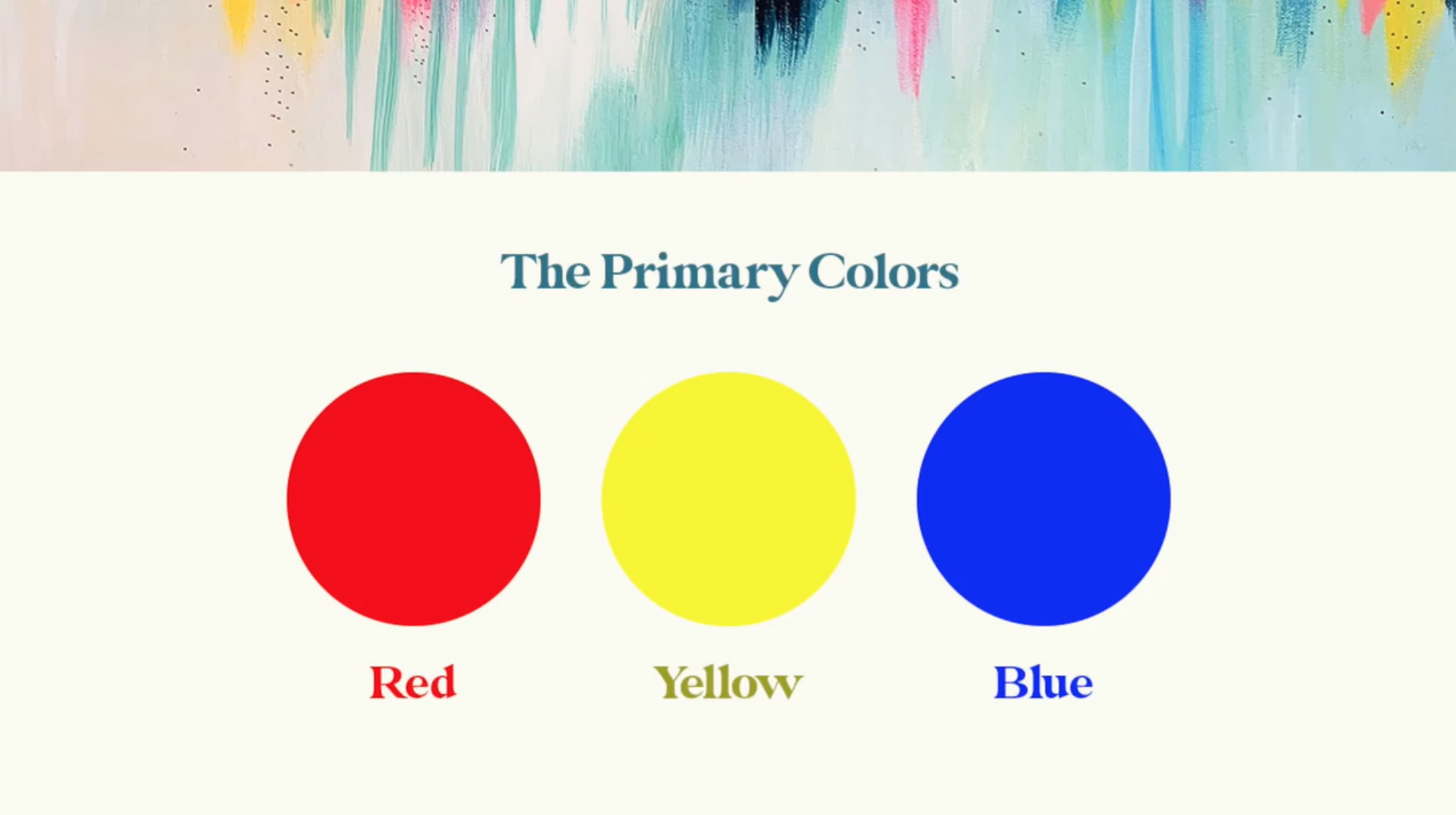
Using primary colors only is the simplest way to make green. Primary colors are red, yellow, and blue. Mixing yellow and blue together creates green. This method is perfect for painting, crafts, and learning about color theory.
Start with equal parts of yellow and blue paint. Blend them well. You will see a basic green appear. You can change this green by adjusting the amount of yellow or blue. More yellow makes the green brighter and warmer. More blue gives a cooler, deeper green.
How To Mix Basic Green
Take yellow and blue paints. Use the same amount of each. Mix them on a palette or paper. The result is a fresh, natural green. This green is perfect for leaves, grass, and many natural scenes.
Adjusting Green With More Yellow
Add extra yellow to your green mix. This creates a lighter, lime-like green. It looks bright and fresh. This green suits sunny and spring-like scenes. Keep mixing until you reach the shade you want.
Adjusting Green With More Blue
Mix in more blue paint with your green. The green becomes cooler and deeper. It can look like turquoise or teal. This shade works well for water or shadows. Mix slowly and check the color often.
Creating Lighter Greens
Add white paint to your green mixture. This makes the green softer and lighter. It looks like mint or pastel green. Use this for gentle, calm designs. Add white little by little to avoid washing out the color.
Making Darker Greens
Mix a tiny bit of red paint into your green. Red darkens the green and adds depth. This creates olive or forest green shades. Use this color for shadows and rich backgrounds. Add red carefully; too much will turn the green brown.
Adjusting Green With Other Colors
Adjusting green with other colors helps create a wide range of green shades. Simple mixing of yellow and blue gives basic green. Changing the balance and adding other colors can shift green’s tone, brightness, and mood.
Artists and designers often adjust green to fit their needs. Small changes in color mixtures produce many unique greens. This section explains how to alter green by mixing it with different colors.
Adjusting Green With Yellow
Adding more yellow makes green lighter and warmer. This creates fresh lime or chartreuse shades. Yellow brightens green, giving it a sunny look. Use this mix for lively, energetic designs.
Adjusting Green With Blue
Increasing blue in green makes it cooler and deeper. This results in teal or turquoise tones. Blue adds calmness and depth to green. This mix suits peaceful and natural themes.
Adjusting Green With White
Mixing green with white lightens the color. This produces soft pastel greens like mint or seafoam. White reduces green’s intensity while keeping its hue. Use this for gentle, subtle color effects.
Adjusting Green With Red
Adding a small amount of red darkens green. This creates olive or forest green shades. Red tones down green’s brightness and adds richness. This mix works well for earthier, muted colors.
Adjusting Green With Black
Mixing green with black deepens the color further. It creates very dark greens for shadows or dramatic effects. Black mutes green and adds weight. Use this mix for strong, bold visuals.

Credit: paintlogs.com
Tips For Vibrant Green Paint
Achieving a vibrant green paint requires more than just mixing yellow and blue. The right techniques can enhance brightness and depth. Experimentation helps find the perfect shade for your project.
Use High-quality Primary Colors
Start with pure yellow and blue paints. Cheap or faded colors result in dull green. Invest in artist-grade paints for better vibrancy.
Balance Yellow And Blue Carefully
Mix small amounts at first. Add yellow to brighten or blue to cool the tone. Adjust slowly to avoid muddy colors.
Add White To Lighten Green
White paint softens green and creates pastel shades. Use it sparingly to keep color lively and fresh.
Introduce Red For Darker Shades
A tiny bit of red deepens green and adds richness. Too much red makes green brown, so add gradually.
Mix In Other Colors For Unique Greens
Try small amounts of black or brown. These create olive or forest green tones. Test on a palette before painting.
Frequently Asked Questions
Which Color Mix To Make Green?
Mix yellow and blue paint to make green. Adjust yellow or blue for lighter or darker shades. Add white to lighten, red or black to darken or mute the green.
Do Yellow And Blue Make Green?
Yes, mixing yellow and blue pigments produces green. Adjusting their amounts creates various green shades like lime or teal.
Do Red And Yellow Make Green?
No, red and yellow do not make green. Mixing yellow and blue produces green, not red and yellow.
How Many Ways Can You Make Green?
You can make green by mixing yellow and blue. Adjust proportions for shades. Add white to lighten, red or black to darken or mute green.
What Two Colors Mix To Make Green?
Green is made by mixing yellow and blue paint or light.
How Do You Make Light Green Color?
Add white paint to yellow and blue mix to lighten green.
Can You Make Green Without Blue Color?
No, blue is essential to mix with yellow to create green.
What Is The Best Yellow For Mixing Green?
Use a bright, pure yellow for vibrant green colors when mixing.
How To Make Dark Green Paint Easily?
Add a small amount of black or red to green mix.
How To Get Different Shades Of Green?
Change yellow-blue ratio and add white, black, or red to vary shades.
Conclusion
Creating green is simple by mixing yellow and blue. Adjust yellow to get bright lime green or add more blue for a cooler turquoise shade. Lighten green by adding white or darken it with a small touch of red. Experimenting with these colors helps you find the perfect green for your project.
Keep practicing, and soon you will mix green colors with ease and confidence.