
Have you ever looked at your arms and wondered why your veins appear blue, even though you know blood is red? It’s a curious sight that puzzles many.
You might think your veins hold blue blood, but that’s not the case. The real reason lies in how light interacts with your skin and the blood flowing beneath it. Understanding this can change the way you see your own body and uncover fascinating details about how your circulatory system works.
Keep reading to discover why those blue lines show up on your skin and what it really means for your health.
Vein Color Basics
Veins often look blue under the skin. This is a common question many people ask. Understanding why veins appear blue helps us learn more about our bodies.
The color we see is not the actual color of the blood inside the veins. Blood is always some shade of red. The blue color comes from how light interacts with skin and veins.
How Light Affects Vein Color
White light contains all colors of the rainbow. When it hits your skin, some colors go deeper than others. Red light goes deeper than blue light in the skin.
Veins absorb more red light because of the blood inside them. Blue light reflects back to your eyes. This reflection makes veins look blue to us.
The True Color Of Blood
Blood is always red, never blue. Oxygen-rich blood in arteries is bright red. Blood in veins has less oxygen and looks darker red.
This darker red blood absorbs more light. It is not blue but can appear that way because of skin and light effects.
Why Skin Tone Matters
Skin color changes how we see veins. Light skin makes veins more visible and bluer. Darker skin tones may hide veins more.
Thickness of the skin also affects vein color. Thinner skin shows veins clearer, often with a blue tint.
Blood Color In Veins
The color of blood inside veins often causes confusion. Many believe veins look blue because the blood is blue. This is not true. Blood in veins is always red, but it appears darker than arterial blood.
Veins carry blood back to the heart after oxygen is used by the body. This blood has less oxygen, making it a deeper red. The darker red blood in veins is sometimes called deoxygenated blood.
Why Blood Is Red
Blood gets its red color from hemoglobin. Hemoglobin is a protein in red blood cells. It contains iron, which binds to oxygen. When oxygen binds, blood turns bright red. This bright red blood flows in arteries.
When oxygen leaves the blood, hemoglobin changes slightly. This makes blood darker, but still red. The blood in veins is this darker red color.
How Light Affects Vein Color
Veins appear blue due to how light passes through skin. Skin absorbs and scatters light in different ways. Red light penetrates deeply into the skin. Blue light scatters near the surface.
Deeper red light is mostly absorbed by blood. The blue light is reflected back to the eyes. This reflection makes veins look blue, not the blood itself.
The Role Of Skin And Tissue
Skin thickness and tone also change vein color. Thicker or darker skin blocks more light. This affects the amount of blue light reflected. Veins under lighter skin may look more blue.
Veins closer to the skin surface are easier to see. Their color appears stronger because less light is lost passing through tissue.
Role Of Hemoglobin
Hemoglobin carries oxygen in red blood cells, giving blood its red color. Veins look blue because skin scatters blue light more than red. This makes the darker, oxygen-poor blood inside veins appear blue through the skin.
Understanding Hemoglobin And Its Color
Hemoglobin is a protein inside red blood cells. It carries oxygen from the lungs to the body. Hemoglobin contains iron, which gives blood its red color. When hemoglobin binds with oxygen, it appears bright red. This is why arterial blood looks bright red.
Oxygen Levels Affect Hemoglobin Color
When hemoglobin releases oxygen to tissues, it changes color. Deoxygenated hemoglobin is darker red, almost maroon. This blood flows through veins back to the heart. Despite the darker red color, the blood is never truly blue.
Why Veins Appear Blue Despite Red Blood
The blue color of veins is due to how light interacts with skin and blood. Light penetrates the skin and scatters at different depths. Blue light scatters more and reflects back to our eyes. This scattering makes veins look blue, not the blood color itself.
Skin And Light Interaction
Veins appear blue because of how light passes through the skin and reflects off the blood inside them. The skin absorbs more red light, while blue light scatters back to your eyes, creating the blue color illusion. Blood inside veins is actually dark red, not blue.
How Skin Affects Light Penetration
Skin acts like a filter for sunlight. When light hits the skin, it contains many colors. Some colors go deep, while others bounce back quickly.
Red light can travel deeper into the skin than blue light. Blue light has shorter waves and scatters near the surface. This difference is key to why veins look blue.
Light Absorption By Blood
Blood in veins absorbs much of the red light that enters the skin. This blood is darker because it carries less oxygen. The red light gets mostly absorbed, not reflected.
Blue light, on the other hand, reflects more easily from the veins. This reflected blue light travels back to the eyes. The veins then appear blue, even though the blood is red.
Role Of Skin Thickness And Color
Thicker skin blocks more light, changing how veins look. People with lighter skin show veins more clearly. Darker skin can make veins less visible or change their shade.
Skin tone and thickness influence how much blue light reaches the veins. These factors affect the exact color your veins seem to have.
Light Absorption By Skin
Veins appear blue because of how light interacts with your skin and blood. Light absorption by skin plays a key role in this color effect. When light hits your skin, different colors get absorbed or reflected in unique ways. This interaction changes how you see the veins beneath the skin.
Skin acts like a filter that changes the colors of light reaching your veins. The colors you see depend on which wavelengths of light penetrate and reflect back to your eyes. This process explains why veins look blue, not because the blood inside them is actually blue.
How Skin Absorbs Different Colors Of Light
Sunlight or white light contains many colors. Each color has a different wavelength. Red light has longer wavelengths, while blue light has shorter wavelengths.
When light hits your skin, red light travels deeper into the tissue. Blue light, with its shorter waves, stays closer to the surface. Skin absorbs most of the red light, so less red light bounces back.
Reflection And Scattering Of Blue Light
Blue light waves scatter more in the skin. They reflect back to your eyes easier than red light. This scattered blue light mixes with the darker color of blood, creating a blue appearance.
The veins themselves do not emit blue light. Instead, the skin filters the light, making veins seem blue from the outside.
The Role Of Blood Color In Vein Appearance
Blood in veins is dark red, not blue. It carries less oxygen than blood in arteries. This dark red color absorbs red light strongly.
Because veins absorb red light and skin reflects blue light, your brain sees veins as blue. This is an optical effect caused by light absorption and reflection.
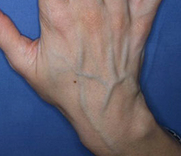
Credit: mriquestions.com
Light Reflection And Scattering
Light reflection and scattering play a key role in why veins appear blue. The skin and blood inside veins interact with sunlight in complex ways. This interaction changes how we see the color of veins beneath the skin.
When light hits your skin, it contains all colors mixed together. Some colors travel deeper, while others bounce back quickly. This difference affects the color your eyes detect.
How Light Absorption Affects Vein Color
White light has many colors, including red and blue. Red light can go deeper into the skin than blue light. Veins lie under the skin, so red light travels farther before it is absorbed.
Deoxygenated blood in veins absorbs much of the red light. This leaves less red light to reflect back to your eyes. As a result, red light is mostly lost inside the skin and blood.
Role Of Reflection In Vein Appearance
Blue light waves are shorter and scatter more easily than red waves. These shorter waves reflect off veins and travel back through the skin. The scattered blue light is what your eyes see most clearly.
This reflection of blue light makes veins look blue instead of red. Even though the blood is dark red, the light reflection tricks your eyes. It creates the illusion of blue veins.
Why Blood Color Alone Does Not Explain Blue Veins
Blood in veins is always red, but darker than arterial blood. The darker red comes from lower oxygen levels. This color difference alone cannot make veins look blue.
The blue color comes from how light travels through skin and blood. It depends on light scattering and absorption, not the actual blood color. This explains why veins appear blue to us.
Depth Of Veins And Color Perception
Veins appear blue because blue light reflects more from under the skin than red light. The blood inside veins is dark red but looks blue due to how light interacts with the skin’s depth and color absorption. This creates a visual effect, not actual blue blood.
How Vein Depth Affects Color Appearance
Veins lie beneath the skin at various depths. Shallow veins appear more visible and can look blue. Deep veins are harder to see and often do not show color.
The skin filters light in different ways depending on vein depth. Light penetrates the skin and interacts with blood inside the veins. This interaction changes how we see vein color.
Light Absorption And Skin Interaction
Skin absorbs different colors of light unevenly. Red light penetrates deeper into the skin than blue light. Blue light is scattered back to the surface more easily.
Because veins contain blood that absorbs red light, less red light is reflected. More blue light reflects back to our eyes, causing veins to appear blue.
The Role Of Blood Color In Perception
Blood in veins is dark red, not blue. This darker shade results from less oxygen in the blood. The dark red blood absorbs more red light, which affects the color we see.
Veins appear blue due to the combined effect of blood color and how light travels through skin. This optical effect creates the blue appearance, not the actual color of blood.

Credit: www.color-hex.com
Why Blue Instead Of Red?
Veins appear blue rather than red due to a mix of biology and optics. The color we see is not the actual color of the blood inside. Blood in veins is dark red, not blue. The blue color comes from how light interacts with our skin and veins.
How Light Travels Through Skin
White light contains many colors. When light hits your skin, red light goes deeper than blue light. Blue light is absorbed and scattered differently by the skin.
Why Blue Light Reflects More
Veins absorb more red light because of the dark blood inside. Blue light waves scatter and reflect back to your eyes. This makes veins appear blue on the skin’s surface.
The True Color Of Blood
Blood in veins is dark red because it carries less oxygen. Arterial blood is bright red due to high oxygen levels. Both types of blood are red, never blue.
Optical Illusion Explained
Veins appear blue not because the blood inside them is blue. The color is a trick played by light and skin. This optical illusion happens due to how light interacts with your skin and veins.
Understanding this illusion helps clear up the common misconception about blood color. Veins contain dark red blood, but they still look blue from the surface.
How Light Absorption Works
Sunlight or artificial light contains many colors mixed together. When light hits your skin, red light travels deeper than blue light. The skin absorbs more red light, reducing its reflection.
Reflection Of Blue Light
Deoxygenated blood in veins absorbs most red light passing through the skin. Blue light waves, which are shorter, scatter and reflect back to your eyes. This reflection makes veins appear blue.
True Color Of Blood
Blood inside veins is always red, just darker than arterial blood. It looks purplish-red due to less oxygen. This dark red color does not cause the blue appearance of veins.
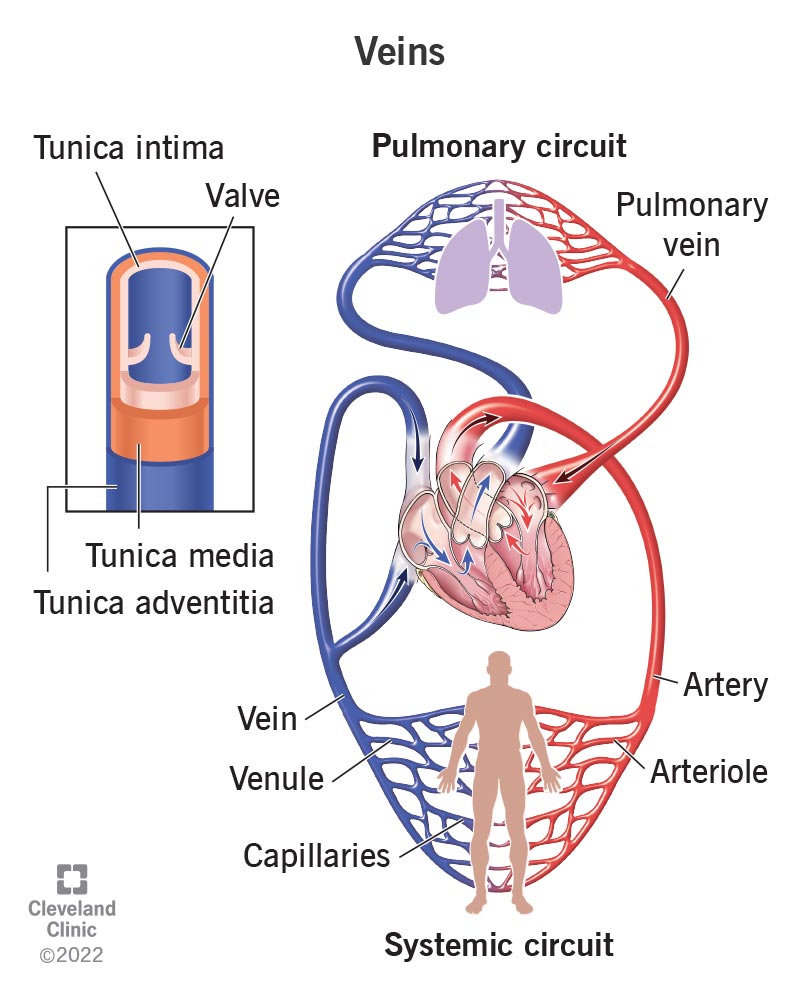
Credit: my.clevelandclinic.org
Vein Color And Health
Veins play a key role in blood circulation. Their color can sometimes give clues about health. Understanding vein color helps identify possible issues early. Veins look blue but the blood inside is dark red. This difference can tell us about oxygen levels and circulation.
Changes in vein color or appearance may signal health problems. It is important to know what different vein colors mean. Observing your veins can help detect issues like poor circulation or vein diseases.
What Does Blue Vein Color Indicate?
Blue veins are common and usually normal. The blue shade comes from how light passes through your skin. Blue color alone does not mean illness. It reflects the way blood and skin absorb light. Most healthy people have visible blue veins.
When Vein Color Signals Health Problems
Veins that look dark purple or very swollen can be a problem. This may show poor blood flow or varicose veins. Red or inflamed veins might mean infection or injury. Sudden changes in vein color need medical attention. They can signal blood clots or other vascular issues.
How To Keep Veins Healthy
Healthy veins support good blood circulation. Regular exercise helps keep veins strong. Avoid standing or sitting for too long to prevent swelling. Eat a balanced diet rich in vitamins and minerals. Stay hydrated and maintain a healthy weight. These habits improve vein health and appearance.
Frequently Asked Questions
Why Do Veins Appear Blue In Color?
Veins appear blue because skin absorbs red light and reflects blue light. Deoxygenated blood is dark red, but light interaction causes the blue illusion.
Do Blue Veins Mean Low Oxygen?
Blue veins do not mean low oxygen. Veins appear blue due to light absorption and reflection in the skin. Blood in veins is dark red, not blue, because it carries less oxygen than arterial blood. The blue color is an optical illusion caused by how light interacts with your skin and veins.
What Is The Healthiest Color Of Veins?
The healthiest veins usually appear blue or green, reflecting normal light absorption and skin transparency. Vein color alone rarely signals health issues.
Why Do Veins Appear Blue Through The Skin?
Veins look blue because blue light is reflected more than red light through skin.
Is Vein Color Related To Blood Oxygen Levels?
No, veins are dark red; blue color is due to light and skin interaction.
What Causes Veins To Look Blue Instead Of Red?
Skin absorbs red light; blue light reflects back, making veins appear blue.
Are Veins Actually Blue Inside The Body?
No, vein blood is red but darker due to less oxygen, not truly blue.
Why Don’t Veins Look Red Like Arteries?
Veins carry deoxygenated blood, darker red, and skin makes them look blue.
Does Vein Color Change With Health Or Age?
Vein color may vary slightly but blue color mainly depends on light and skin.
Can Skin Tone Affect How Veins Appear Color-wise?
Yes, skin color changes how light scatters, affecting how blue veins look.
Conclusion
Veins look blue because of how light passes through your skin. Blood inside veins is always red but darker due to less oxygen. Your skin absorbs more red light, reflecting blue light back to your eyes. This creates the blue color illusion.
Understanding this helps clear common misconceptions about vein color. Remember, seeing blue veins is normal and not a sign of health problems. The color you see depends on light and skin interaction, not the actual blood color.