Are you tired of guessing which colors suit you best? Finding your perfect color palette can transform the way you look and feel every day.
Imagine effortlessly picking clothes, makeup, and accessories that make your natural beauty shine. This guide will show you simple steps to discover your unique color palette—no fancy tools or expensive consultations needed. You’ll learn how to use easy techniques, even with just your phone and free online tools, to unlock the colors that truly enhance your skin tone, eyes, and hair.
Ready to find the shades that make you glow? Keep reading and start your color journey now!
Credit: www.perfectcorp.com
Choosing A Photo For Color Analysis
Choosing the right photo for color analysis is crucial to find your true color palette. The photo should show your natural skin tone, hair, and eye color without distortion. A well-taken photo helps identify colors that complement your features best. Avoid harsh shadows, filters, or artificial lighting that can change your appearance.
Natural Lighting Tips
Use soft, natural light to take your photo. Stand near a window during the day but avoid direct sunlight. Direct sun can create strong shadows and bright spots.
Choose a plain background to keep the focus on your face. Take photos in the morning or late afternoon for the best light quality. Turn off indoor lights to prevent color shifts. Natural light shows your real skin and hair tones clearly.
Makeup-free Selfie Guidelines
Take a photo without makeup to reveal your true colors. Makeup can mask your natural tones and affect color analysis accuracy. Clean your face and hair before the photo.
Keep your hair away from your face to see your skin and eye color clearly. Use a neutral expression and look straight at the camera. Avoid selfies with filters or editing tools. A clear, natural photo gives the best results for color analysis.
Extracting Color Codes
Extracting color codes is an essential step to find your perfect color palette. It helps you capture the exact shades of your skin, hair, and eyes. These codes guide you in choosing colors that enhance your natural beauty.
Color codes are usually in hex format. They represent colors digitally and work well in design tools. By extracting these codes, you get a clear, objective reference for your personal palette. This section explains how to get these codes easily.
Using Color Picker Tools
Color picker tools help you grab color codes from photos or images. Open a photo of yourself in a photo editor or app. Use the eyedropper or color picker tool to click on your skin, eyes, and hair.
The tool will show the hex code for the color you selected. Write down these codes carefully. Many free apps and websites offer this tool, including Canva, Photoshop, and mobile photo editors.
Identifying Skin, Hair, And Eye Colors
Start with a clear photo in natural light. Avoid makeup or filters. This ensures the colors are true to life. Focus on areas like your cheek for skin, iris for eyes, and a strand of hair for hair color.
Extract each color separately using the color picker tool. Label each hex code with the feature it belongs to. This helps when you use the codes to find your color palette. Knowing your exact colors leads to better style and makeup choices.
Inputting Data Into Chatgpt
Inputting data into ChatGPT is the first step to find your color palette. You need to provide clear and precise details. This helps ChatGPT understand your unique features.
Gathering accurate color codes for your skin, eyes, and hair is essential. These details guide ChatGPT to suggest the right seasonal color palette for you. The quality of your input directly affects the result.
Creating Effective Prompts
Start by writing a simple, clear prompt for ChatGPT. Include your hex color codes for skin, hair, and eyes. For example, say, “My skin is e0c097, my hair is 5a3e36, and my eyes are 6b4f3a.”
Use short sentences and keep the language easy. Avoid complex words or long paragraphs. This helps ChatGPT give better answers. Always be specific about what you want to know.
Ask for your seasonal color palette. You can say, “What season suits me best: Spring, Summer, Autumn, or Winter?” This direct question will give focused results.
Describing Features Accurately
Describe your features clearly if you don’t have hex codes. Use simple words like “light olive skin” or “dark brown hair.” This helps ChatGPT visualize your colors better.
Note the tone of your skin, eyes, and hair. Mention if your skin is warm or cool. Say if your eyes are bright or muted. Such details improve the quality of suggestions.
Be honest about your features. Avoid guessing or exaggerating. Accurate descriptions lead to a better color palette that fits your natural look.
Discovering Your Seasonal Palette
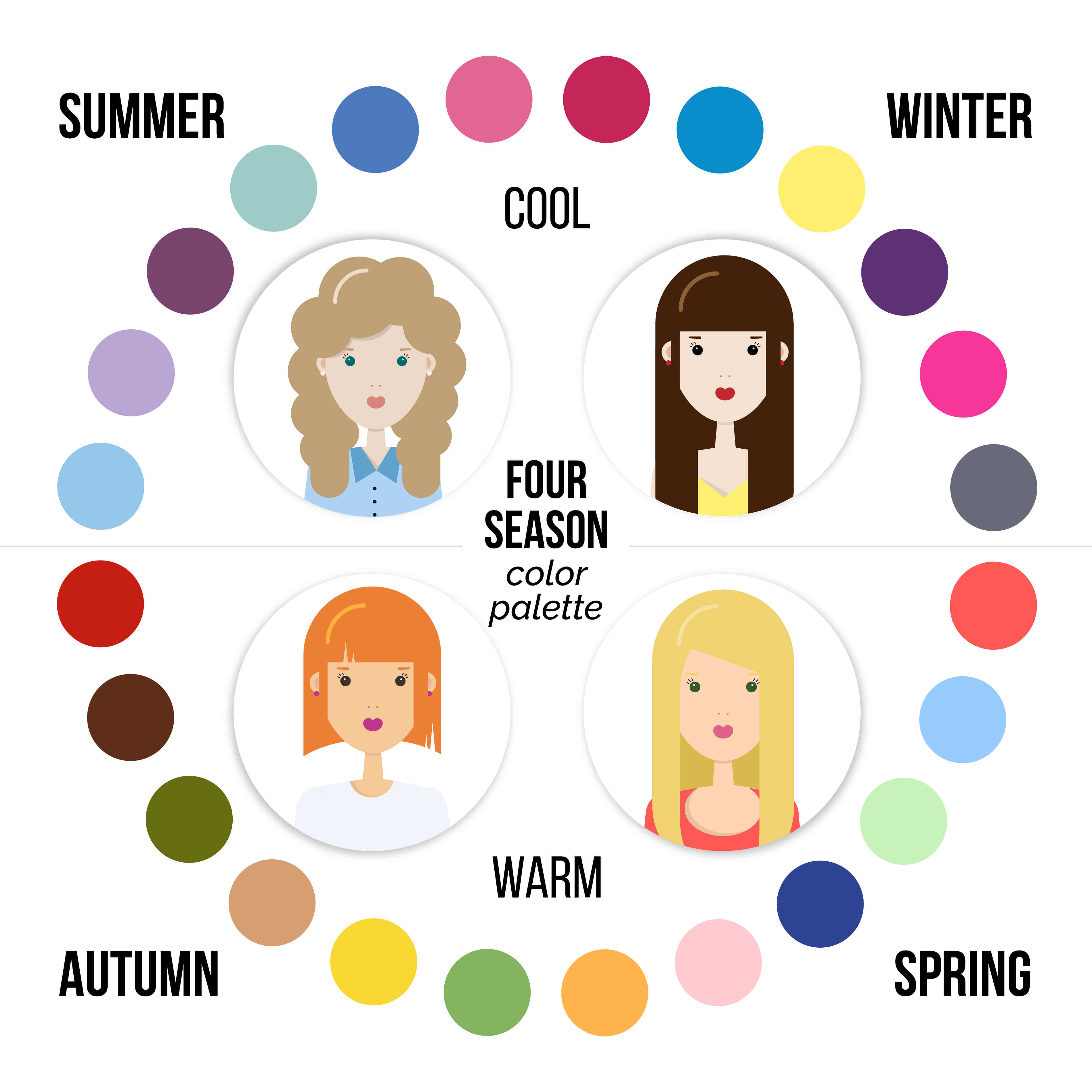
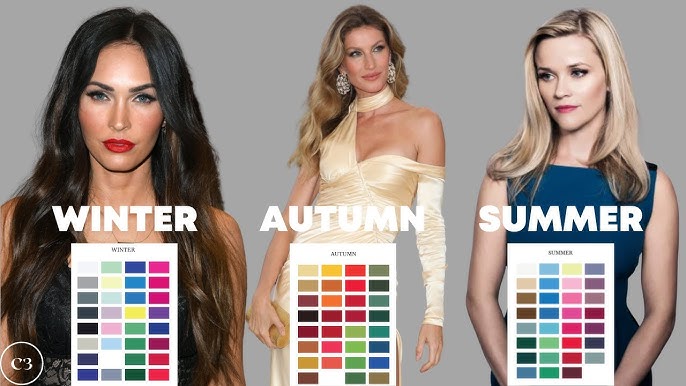
Discovering your seasonal palette helps you choose colors that naturally suit your skin, eyes, and hair. It makes selecting clothes and makeup easier and more enjoyable. Each season has unique color tones that enhance your natural features. Understanding these basics guides you to your best palette.
Spring
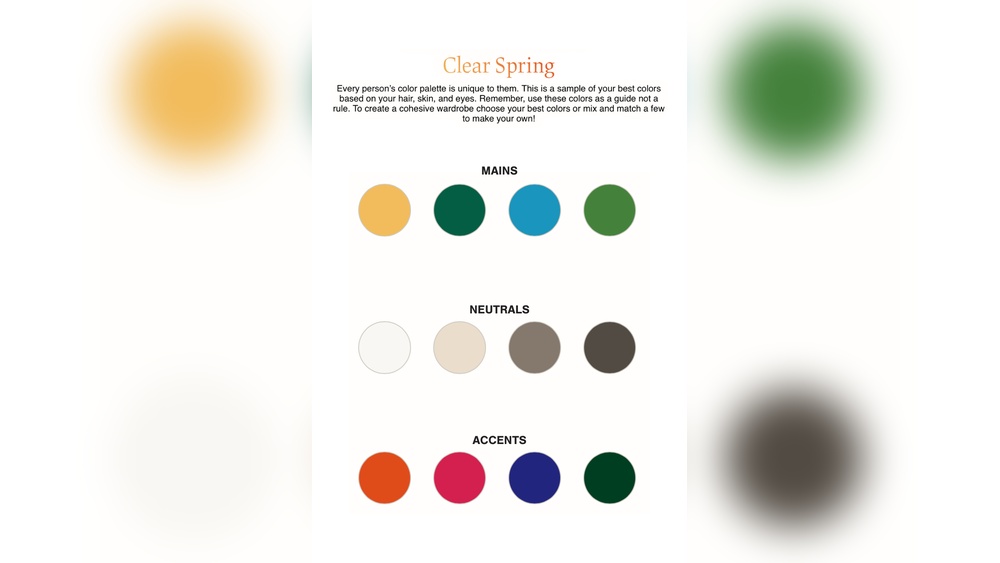
Spring palettes have warm, light, and bright colors. Think of fresh flowers and clear skies. Colors include peach, coral, light yellow, and mint green. Spring skin often has warm undertones with a golden or peach glow. Eyes are usually light blue, green, or light brown. Hair tends to be golden blonde, strawberry blonde, or light brown with warm highlights.
Summer
Summer palettes are cool, soft, and muted. Imagine foggy mornings and pastel shades. Colors like dusty pink, lavender, soft blue, and pale gray work well. Summer skin has cool undertones with a rosy or pinkish tint. Eyes are often gray, blue, or soft green. Hair is usually ash blonde, light brown, or soft brunette without warm tones.
Autumn
Autumn palettes feature warm, rich, and earthy colors. Think of fall leaves and deep sunsets. Colors include burnt orange, olive green, mustard yellow, and warm browns. Autumn skin has warm undertones with a golden or olive hue. Eyes are often dark brown, hazel, or green. Hair is usually rich brown, auburn, or golden blonde with warm highlights.
Winter Basics
Winter palettes have cool, deep, and clear colors. Picture snowy landscapes and bright nights. Colors include true black, bright white, royal blue, and jewel tones like emerald or ruby. Winter skin has cool undertones, often with a porcelain or deep olive tone. Eyes are dark brown, black, or cool blue. Hair is usually very dark brown or black, sometimes with cool highlights.
Matching Features To Seasons
Start by identifying your skin undertone: warm or cool. Check your eye color for brightness or softness. Look at your hair color and its warmth or coolness. Combine these clues to find your season. For example, warm skin with golden hair and green eyes may fit Autumn. Cool skin with ash blonde hair and blue eyes may fit Summer. This matching helps select colors that highlight your natural beauty.
Refining Your Palette With Follow-ups
Refining your color palette is a vital step after identifying your basic seasonal colors. Follow-up steps help you narrow down the best shades that suit your unique features. Testing and adjusting your palette ensures you feel confident and look your best.
Try on clothes or hold fabric swatches near your face in natural light. Notice how different colors affect your skin tone and eye brightness. This practical approach helps confirm which colors enhance your natural beauty.
Use feedback from friends or a trusted stylist to gain new perspectives. Their insights can reveal colors you might overlook. Keep track of the colors that make you feel vibrant and those that wash you out.
Best Colors To Wear
Choose colors that brighten your complexion and make your eyes pop. Soft pastels often work well for light skin tones. Rich jewel tones suit deeper skin tones and add warmth.
Neutral colors like beige, navy, and gray are versatile and easy to mix. Stick to shades that complement your undertones—warm or cool. Wearing the right colors boosts your overall appearance and mood.
Colors To Avoid
Avoid colors that create a dull or tired look. Harsh blacks or bright whites can sometimes overpower delicate skin tones. Neon and overly bright colors may clash with your natural coloring.
Steer clear of colors that make your skin look washed out or your eyes less lively. These colors can drain your energy and confidence. Focus on shades that enhance your natural glow instead.
Credit: www.youtube.com
Jewelry And Makeup Recommendations
Choosing the right jewelry and makeup can highlight your natural colors. This enhances your overall look and boosts confidence. Knowing your color palette helps pick shades that complement your skin tone, hair, and eyes. Here are simple tips on selecting jewelry metals and makeup shades that suit your palette.
Choosing Between Gold And Silver
Gold jewelry suits warm skin tones with yellow or peach undertones. It adds a rich, glowing effect. Silver jewelry fits cool skin tones with pink or blue undertones. It gives a crisp, fresh look. Try both metals near your face. Notice which metal makes your skin look brighter and healthier. Avoid metals that make your skin appear dull or tired.
Flattering Lipstick And Blush Shades
Warm palettes pair well with coral, peach, or warm red lipsticks. Soft apricot or bronze blushes add natural warmth. Cool palettes shine with berry, plum, or blue-red lipsticks. Pink or mauve blushes create a fresh and youthful glow. Choose lipstick and blush shades that match your undertone. This keeps your makeup balanced and flattering.
Validating Results Across Photos
Validating your color palette across different photos ensures accuracy and reliability. Colors can look different depending on the photo’s quality and environment. Checking your palette in various pictures helps confirm that the colors truly suit you. This step is crucial for building confidence in your chosen palette.
Testing Different Lighting
Lighting changes the way colors appear on your skin and hair. Take photos in natural daylight, indoors with warm light, and under fluorescent lighting. Observe how your color palette holds up in each setting. If the colors still complement you, your palette is likely accurate. This test prevents surprises when wearing colors in different places.
Ensuring Consistency
Consistency across photos means your palette works well in all situations. Compare several pictures to see if the colors remain flattering. Inconsistent results may mean you need to adjust your palette. Keep testing until you find colors that look good in every photo. This process builds a dependable color guide for your wardrobe and makeup.
Exploring Undertones
Exploring undertones is a key step in finding your perfect color palette. Undertones are the subtle hues beneath your skin’s surface. They affect how colors look on you and help guide your choices in clothing, makeup, and accessories. Knowing your undertone makes it easier to pick colors that enhance your natural beauty and boost your confidence.
Identifying Cool, Warm, And Neutral
Skin undertones fall into three main categories: cool, warm, and neutral. Cool undertones have hints of blue, pink, or red. Warm undertones show yellow, gold, or peach hues. Neutral undertones blend both cool and warm shades. To identify your undertone, check the veins on your wrist. Blue or purple veins suggest cool undertones. Greenish veins point to warm undertones. If veins are hard to see or a mix of blue and green, you likely have neutral undertones.
Impact On Color Choices
Your undertone influences which colors suit you best. Cool undertones shine in blues, purples, and emerald greens. Warm undertones look great in oranges, reds, yellows, and olive greens. Neutral undertones can wear a wide range of colors from both cool and warm palettes. Choosing colors that match your undertone brightens your skin and eyes. It also helps your overall look feel balanced and natural.
Building A Personal Wardrobe Palette
Creating a personal wardrobe palette helps simplify daily outfit choices. It ensures your clothes match your natural tones and style. A well-chosen palette reflects your personality and boosts confidence. Start by understanding colors that suit your skin, eyes, and hair. This foundation guides your clothing purchases and combinations.
Keep your palette practical and versatile. Select colors that mix well together. This approach saves time and money while looking polished every day.
Incorporating Flattering Shades
Choose colors that enhance your natural features. Look for hues that make your skin glow and eyes stand out. Soft pastels may suit cool undertones, while warm tones often complement golden or olive skin. Try different shades near your face to see which brighten your complexion. Avoid colors that wash you out or clash with your undertones.
Start with a few core colors you love. Gradually add variations for more outfit options. This method keeps your wardrobe fresh and interesting.
Balancing Neutrals And Accent Colors
Neutrals form the base of any wardrobe palette. Shades like black, white, gray, navy, and beige work well for most people. These colors create a clean canvas and pair easily with brighter hues. Use neutrals for essentials like pants, jackets, and shoes.
Add accent colors to express your style and mood. These shades bring life to your outfits and highlight your personality. Limit accent colors to two or three per look to avoid overwhelming your style. Rotate accent pieces seasonally to keep your wardrobe dynamic and fun.
Using Ai For Style Confidence
Using AI for style confidence brings a new way to discover your best colors. AI tools analyze your natural features quickly and offer personalized advice. This helps you choose colors that make you look vibrant and feel confident.
AI removes guesswork from color selection. It considers your skin tone, eye color, and hair shade. The result is a tailored color palette that suits your unique look perfectly.
Benefits Of Chatgpt Color Analysis
ChatGPT offers easy color analysis based on your input. It can identify your seasonal color palette, such as spring or autumn. This guidance helps you pick flattering colors for clothes and makeup.
The tool is available anytime and does not require expert knowledge. It saves time and reduces confusion in style choices. You get clear suggestions about which colors enhance your natural beauty.
Making Style Decisions Easier
AI simplifies daily style decisions by providing quick color advice. You can ask which colors to wear for different occasions. It also recommends jewelry tones and makeup shades that match your palette.
This support builds style confidence. You no longer doubt your color choices or feel overwhelmed shopping. AI acts as a personal style assistant guiding you toward the best looks.

Credit: www.youtube.com
Frequently Asked Questions
How To Get Chatgpt To Tell You Your Color Palette?
Take a natural-light, makeup-free selfie. Use a color picker to find hex codes for skin, eyes, and hair. Input these into ChatGPT with a prompt asking for your seasonal color palette and specific color recommendations.
What Is The 60-30-10 Rule For Color Palettes?
The 60-30-10 rule balances color in design: 60% dominant, 30% secondary, and 10% accent colors. It creates harmony and visual interest.
Can I Do Color Analysis Myself?
Yes, you can do color analysis yourself using natural light photos and color picker tools. Use these hex codes with AI tools like ChatGPT for personalized seasonal palette recommendations. Repeat with different photos for accuracy and explore specific color and makeup suggestions.
What Is The 3 Color Rule?
The 3 color rule limits outfits to three colors for balanced, stylish looks. It prevents color overload and enhances coordination.
What Is A Color Palette In Personal Styling?
A color palette is a set of colors that best suit your skin, hair, and eyes.
How Do I Identify My Skin Undertone?
Look at your veins; blue means cool, green means warm undertones.
Can I Use Photos To Find My Color Palette?
Yes, use natural light photos and a color picker tool for accurate colors.
What Are Seasonal Color Palettes?
They are color groups named Spring, Summer, Autumn, and Winter matching your features.
How Do Hair And Eye Color Affect My Palette?
Hair and eye colors help refine which colors in the palette suit you best.
Why Is Natural Light Important For Color Analysis?
Natural light shows true colors without shadows or artificial tints.
Conclusion
Finding your color palette helps you choose clothes and makeup that suit you best. Use simple tools like selfies and color pickers to discover your key colors. ChatGPT can guide you in understanding seasonal palettes based on your features. Try different photos to get consistent results.
Knowing your palette makes shopping easier and boosts your confidence. Start exploring your colors today and enjoy the process of finding what truly fits you.