Are you tired of the same old blue folders cluttering your Mac desktop? Changing your folder colors can make your files easier to find and add a fresh look to your workspace.
Whether you want to organize projects by color or simply personalize your Mac, knowing how to change folder color is a game changer. In this guide, you’ll discover simple, step-by-step methods to customize your folder colors quickly and effortlessly. Ready to make your Mac feel more like yours?
Let’s dive in!

Credit: www.youtube.com
Why Change Folder Colors
Changing folder colors on a Mac helps organize files visually and find them faster. Bright colors make important folders stand out. It’s a simple way to keep your desktop neat and easy to use.
Changing folder colors on a Mac helps organize files visually. Color coding makes it easier to find important folders quickly. It reduces time spent searching through many folders.
Colors also add a personal touch to your desktop or workspace. A colorful folder system can boost productivity and keep you focused. It helps separate work, personal, and other types of files at a glance.
Improve Visual Organization
Using different colors for folders creates a clear visual map. You can group similar projects by color. This method helps you spot related folders instantly without reading names.
Enhance Productivity
Color-coded folders reduce confusion and clutter. They guide your eyes to the right folder fast. This quick access saves time and keeps your workflow smooth.
Personalize Your Workspace
Folder colors let you customize your Mac experience. Choose colors that match your mood or style. A personalized desktop feels more welcoming and less boring.
Prioritize Important Folders
Bright or bold colors highlight urgent or frequently used folders. You can mark high-priority tasks in red or orange. This visual cue helps you stay on top of deadlines.
Default Folder Colors On Mac
Mac computers use a simple and clear system for folder colors. The default folder color is a soft blue. This color helps users quickly spot folders on the desktop and in Finder windows. Blue is calm and neutral, making it easy to focus on the folder content.
All new folders created on a Mac start with this default blue color. This uniform look keeps the desktop tidy and organized. It also helps users find files faster without confusion.
Besides the default blue, Mac does not offer built-in options to change folder colors directly. Users need to customize folders manually or use third-party apps to add color variety. This limitation encourages a clean and consistent interface.
Why Mac Uses Blue For Default Folders
Blue is a color that stands out but is not too bright. It makes folder icons easy to find among many files. The blue folder icon has become a visual cue for users. It signals where important files and documents are stored.
How Default Folder Colors Affect Organization
Using one color helps keep desktop and Finder windows organized. It avoids clutter and visual noise. Users can rely on folder names and positions to find what they need. Without multiple colors, the Mac interface looks clean and simple.
Limitations Of Default Folder Colors On Mac
The default blue color cannot be changed through simple settings. Mac does not provide a direct way to customize folder colors. This can be frustrating for users wanting more personalization. Changing folder colors requires extra steps or tools.
Using Preview To Tint Folder Icons
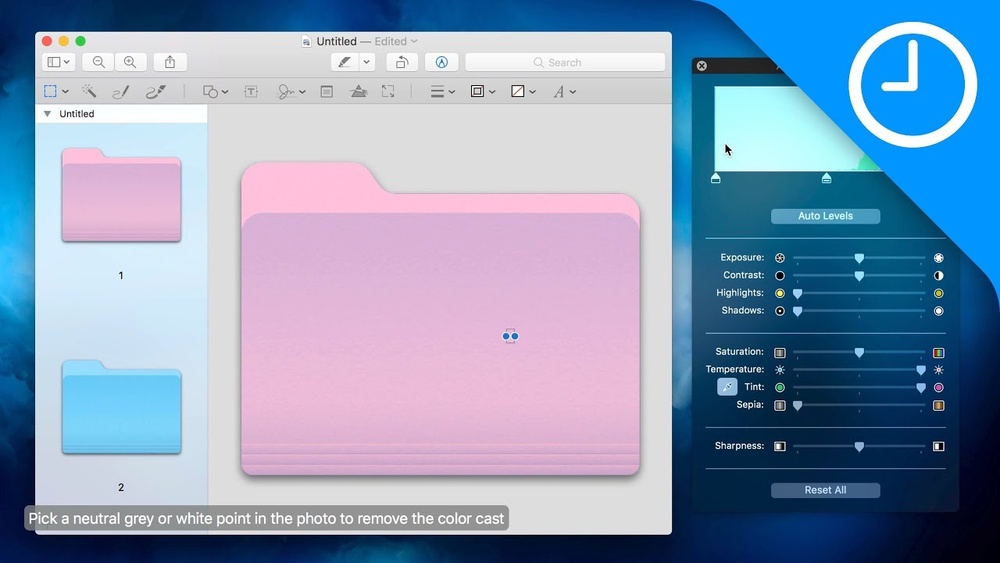
Using Preview to tint folder icons on Mac offers a simple way to customize folder colors. Preview is a built-in app that lets you edit images easily. With it, you can create colored folder icons without extra software.
This method involves tinting a copy of the original folder icon. Then, you replace the folder’s icon with your new colored version. The process is quick and gives you full control over the color shade.
Open The Folder Icon In Preview
First, find the folder you want to change. Right-click the folder and select “Get Info.”
Click the small folder icon at the top-left corner of the Info window. Press Command + C to copy it.
Open Preview app, then go to File > New from Clipboard. The folder icon will open as an image.
Apply A Tint To The Folder Icon
In Preview, click Tools > Adjust Color.
Use the tint slider or color controls to add your desired color. Adjust the hue, saturation, and brightness until it looks right.
Close the Adjust Color window once you finish. The icon image now has a new tint.
Copy And Paste The New Icon Onto The Folder
Press Command + A to select the entire tinted icon image. Then press Command + C to copy it.
Go back to the folder’s Info window. Click the small folder icon again.
Press Command + V to paste the new tinted icon. The folder color changes immediately.
Close the Info window to save your changes.
Step-by-step Color Change Guide
Changing folder colors on a Mac helps keep files organized and easy to find. This step-by-step guide shows how to change folder color quickly. The process uses simple tools built into macOS. No extra apps needed. Follow each step carefully to customize your folders.
Open The Folder Info Window
First, find the folder you want to change. Right-click the folder icon. Choose “Get Info” from the menu. A new window appears showing folder details.
Copy A Colored Folder Icon
Next, open the Preview app on your Mac. Click “File” and select “New from Clipboard.” If you don’t have a colored icon copied yet, create one by changing a folder’s color or download a colored icon online. Then copy the icon image to your clipboard.
Paste The New Icon On The Folder
Go back to the folder’s Info window. Click the small folder icon in the top-left corner. Press Command + V to paste the new colored icon. The folder color changes instantly.
Close The Info Window
After pasting the new icon, close the Info window. The folder now shows the new color on your desktop or Finder. Repeat these steps for other folders as needed.
Copying And Pasting Custom Icons
Copying and pasting custom icons is a simple way to change folder color on Mac. It allows you to personalize folders with unique looks. This method uses Mac’s built-in Preview and Finder apps. You can replace the default folder icon with a colorful image or design.
First, prepare the icon you want to use. It can be any image file or icon saved on your Mac. Next, open the icon file in Preview. This app lets you copy the image in a format that works for folder icons.
Open The Icon Image In Preview
Find the image you want to use for your folder icon. Right-click the image and select Open With > Preview. Preview shows the image clearly and lets you copy it properly.
Copy The Image From Preview
In Preview, click Edit on the menu bar, then choose Select All. After that, click Edit again and select Copy. The image is now copied to your clipboard.
Paste The Custom Icon Onto The Folder
Go to the folder you want to change. Right-click it and choose Get Info. Click the small folder icon at the top left of the info window. Press Command + V to paste your copied image. The folder’s icon changes immediately.
Credit: mackeeper.com
Adding Emojis And Symbols
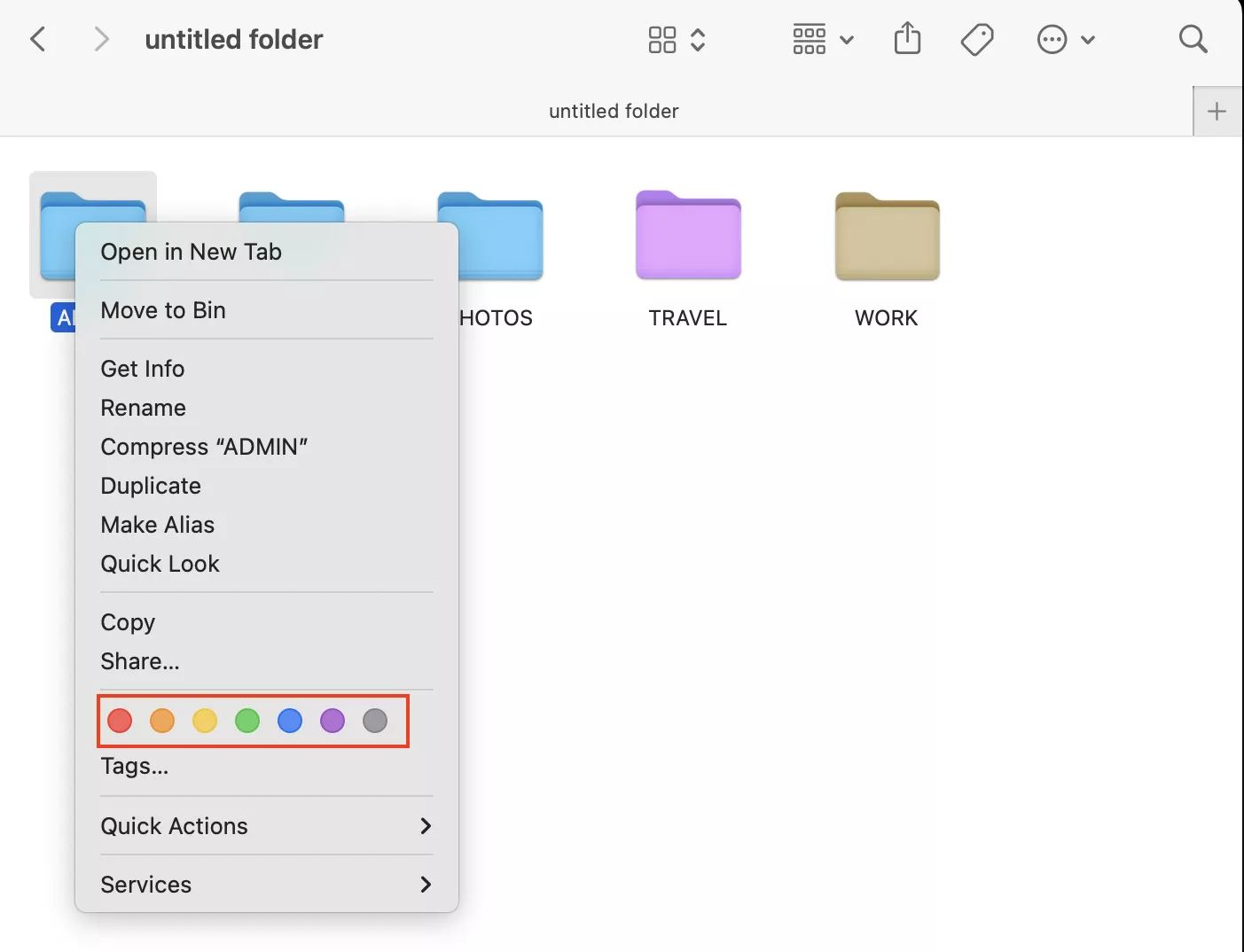
Customize your Mac folders by adding emojis and symbols for easy recognition. This simple touch makes folders stand out and organizes your files better. Choose from a list of icons or select an emoji to personalize folder appearance quickly.
Emojis and symbols make your Mac folders easy to spot. They add a fun and unique touch to your workspace. This method does not change the folder color but helps you organize visually.
You can place an emoji or symbol right in the folder name. It stands out among other folders and helps you find important files faster.
How To Insert Emojis In Folder Names
Click the folder you want to customize. Press the Return key to rename it. Open the emoji picker by pressing Control + Command + Space. Select an emoji that fits the folder’s content. Press Return again to save the new name with the emoji.
Using Symbols To Personalize Folder Names
Symbols like stars, arrows, or shapes add style to folder names. Use the same emoji picker to find these symbols. They can mark folders by priority or category. Choose symbols that are easy to recognize.
Tips For Effective Emoji And Symbol Use
Keep folder names short and clear. Avoid too many emojis or symbols in one name. Use consistent symbols for similar folders. This method improves your Mac’s organization visually and quickly.
Using Third-party Apps For More Options
Using third-party apps on Mac offers a wider range of folder color options. These apps provide easy ways to customize folder icons and colors beyond the default system settings. They allow users to organize and personalize folders visually.
Many apps have simple interfaces that let you pick colors and styles quickly. Some even include icon sets to enhance folder appearance. These tools save time and add creativity to folder management.
How To Choose The Right App For Changing Folder Colors
Look for apps compatible with your macOS version. Check if the app supports bulk changes for multiple folders. User reviews and ratings help find reliable options. Free trials or demos let you test features before buying.
Popular Third-party Apps For Folder Color Customization
Folder Colorizer offers many color choices and icon sets. Image2icon allows creating custom folder icons from pictures. Folder Designer provides simple tools to change folder backgrounds and colors. These apps are user-friendly and widely used.
Steps To Change Folder Colors Using Third-party Apps
Download and install the chosen app. Open the app and select the folder to customize. Pick a new color or icon from the app’s options. Apply changes and check the folder on your desktop. Repeat for other folders if needed.
Organizing With Color-coded Folders
Organizing files on a Mac can be simple and efficient with color-coded folders. Colors help you spot important folders fast. They reduce the time spent searching through many files. Using colors creates a clear, visual order on your desktop or in Finder.
Color-coded folders make it easy to group similar items. You can assign each color a meaning. For example, red for urgent tasks, blue for work, green for personal files. This system helps keep your digital space neat and tidy.
Why Use Color-coded Folders?
Colors give instant information about folder contents. They improve focus and reduce mistakes. Your brain processes colors faster than text. This saves time and effort. Color-coding also makes your Mac look more organized and appealing.
Choosing Colors For Different Categories
Pick colors that stand out clearly from each other. Avoid shades that are too similar. Assign colors based on how you group your work. For example, use yellow for financial documents and purple for creative projects. Consistency in color use is key for easy navigation.
How Color Coding Boosts Productivity
Colors help you prioritize tasks visually. You find urgent or high-priority folders without opening them. This system reduces stress by making your workflow clearer. It also helps maintain focus by keeping clutter out of sight.
Tips For Maintaining Folder Appearance
Keeping folder colors consistent helps your Mac stay organized and visually appealing. Small steps make folder management easier and save time. Follow these simple tips to keep your folder colors fresh and clear.
Use High-contrast Colors
Choose folder colors that stand out on your desktop background. High contrast improves visibility and reduces eye strain. Avoid colors that blend with your wallpaper or other icons.
Limit The Number Of Colors
Use only a few colors for your folders. Too many colors create confusion and clutter. Group related folders by color to find them quickly.
Regularly Update Folder Colors
Review your folder colors every few months. Change colors of folders you no longer use often. This keeps your system tidy and easy to navigate.
Create A Color Coding System
Assign specific colors to folder categories. For example, use blue for work files and green for personal documents. A color code helps you find folders faster.
Backup Your Folder Icons
Save copies of custom folder icons. This helps restore colors after system updates or changes. Keep backups in a safe location outside your main folders.

Credit: setapp.com
Troubleshooting Common Issues
Changing folder colors on a Mac can make organizing files easier and more fun. Sometimes, users face problems while trying to change folder colors. This section helps solve common issues quickly. Clear steps guide you through fixes so you can customize folders without trouble.
Incorrect Color Not Applying
After changing a folder color, the color might not show. This happens if the folder is locked or permissions are restricted. Check folder permissions by right-clicking and choosing “Get Info.” Make sure you have read and write access. If not, update permissions and try again.
Color Changes Revert After Restart
Sometimes folder colors reset after restarting the Mac. This happens if the folder icon cache is corrupted. To fix this, clear the icon cache using Terminal commands. Restart your Mac after clearing the cache to apply changes properly.
Custom Folder Icons Not Visible
Custom folder icons may not appear if the copied icon is in the wrong format. Use PNG or ICNS files for best results. Also, ensure you copy the icon correctly from Preview or another app. Paste it into the folder’s icon box in the “Get Info” window.
Folder Color Changes Affect Only One Folder
Changing one folder’s color does not affect subfolders. Each folder must be changed separately. Use the same method for each folder if you want consistent colors across many folders. Bulk changes require third-party apps.
Frequently Asked Questions
How Do I Change The Color Of A Folder On My Macbook?
Right-click the folder and select “Get Info. ” Click the folder icon, copy it, and open Preview. Use “Adjust Color” to tint, copy the new icon, then paste it back in “Get Info. ” This changes your folder color on MacBook.
How Do I Change The Color Of A File Folder?
Right-click the folder and select “Get Info” on Mac. Copy a colored icon from Preview and paste it onto the folder icon. On Windows, use a third-party app, right-click the folder, choose “Colorize,” pick a color, and apply.
Can You Change The Appearance Of Folders On A Mac?
Yes, you can change folder appearance on a Mac. Use “Get Info,” copy a new colored icon from Preview, and paste it onto the folder icon. This customizes folder color and icon easily.
How To Change Macbook Folder Color 2025?
Right-click the folder and select “Get Info. ” Click the folder icon, copy it, then open Preview. Adjust the color using “Tools > Adjust Color > Tint. ” Copy the modified icon and paste it back onto the folder icon in “Get Info” to change its color.
How Do I Change Folder Color On Mac Without Apps?
Use Preview and Get Info: copy a colored icon and paste it onto the folder icon.
Can I Customize Folder Color Using Mac’s Built-in Tools?
Yes, you can use the Preview app and Finder’s Get Info option to change folder colors.
Why Change Folder Colors On Mac?
Changing colors helps organize folders visually and quickly find important files.
Is It Possible To Revert Folder Color Back To Default?
Yes, open Get Info, select the icon, and press Delete to restore the original color.
Does Changing Folder Color Affect File Contents?
No, changing a folder’s color only changes its icon appearance, not the files inside.
Can I Add Emojis Or Symbols To Mac Folder Icons?
Yes, use the Customize Folder option in Finder to add emojis or symbols.
Conclusion
Changing folder colors on a Mac helps keep files organized and easy to find. The process is simple and quick, requiring only a few clicks. Custom colors make your desktop look neat and personal. Try different colors to see what works best for you.
This small change improves your workflow and saves time. Keep your folders colorful and your Mac experience enjoyable.