
Are you ready to unlock the secret to creating the perfect brown paint for your next art project? Whether you want a warm, rich chocolate shade or a cooler, earthy tone, knowing how to mix your own brown paint gives you complete control over your palette.
Instead of buying pre-made colors, you can customize every shade to match exactly what you envision. In this guide, you’ll discover simple color combinations using primary and complementary colors that anyone can try. Plus, you’ll learn easy tips to adjust your brown paint’s warmth, lightness, and depth.
Keep reading, and you’ll never look at brown the same way again!
Basic Brown Paint Colors
Brown is a warm and natural color used in many art projects. Creating the right shade of brown starts with mixing basic colors. Understanding these basic brown paint colors helps you make shades that suit your work perfectly.
Brown tones can range from light tan to deep chocolate. Each shade depends on the colors you mix and their amounts. Knowing the basics gives you control over your brown paint.
What Two Colors Make Brown Paint?
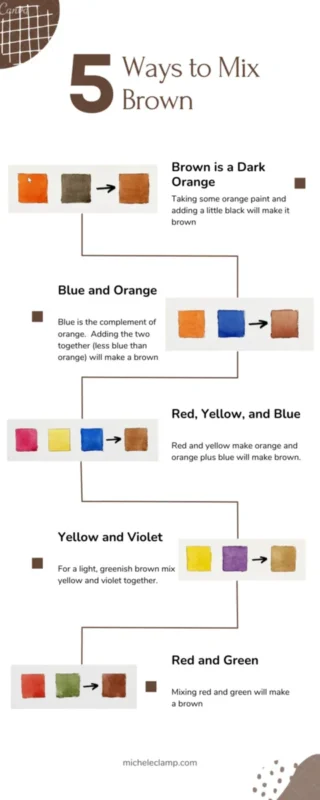
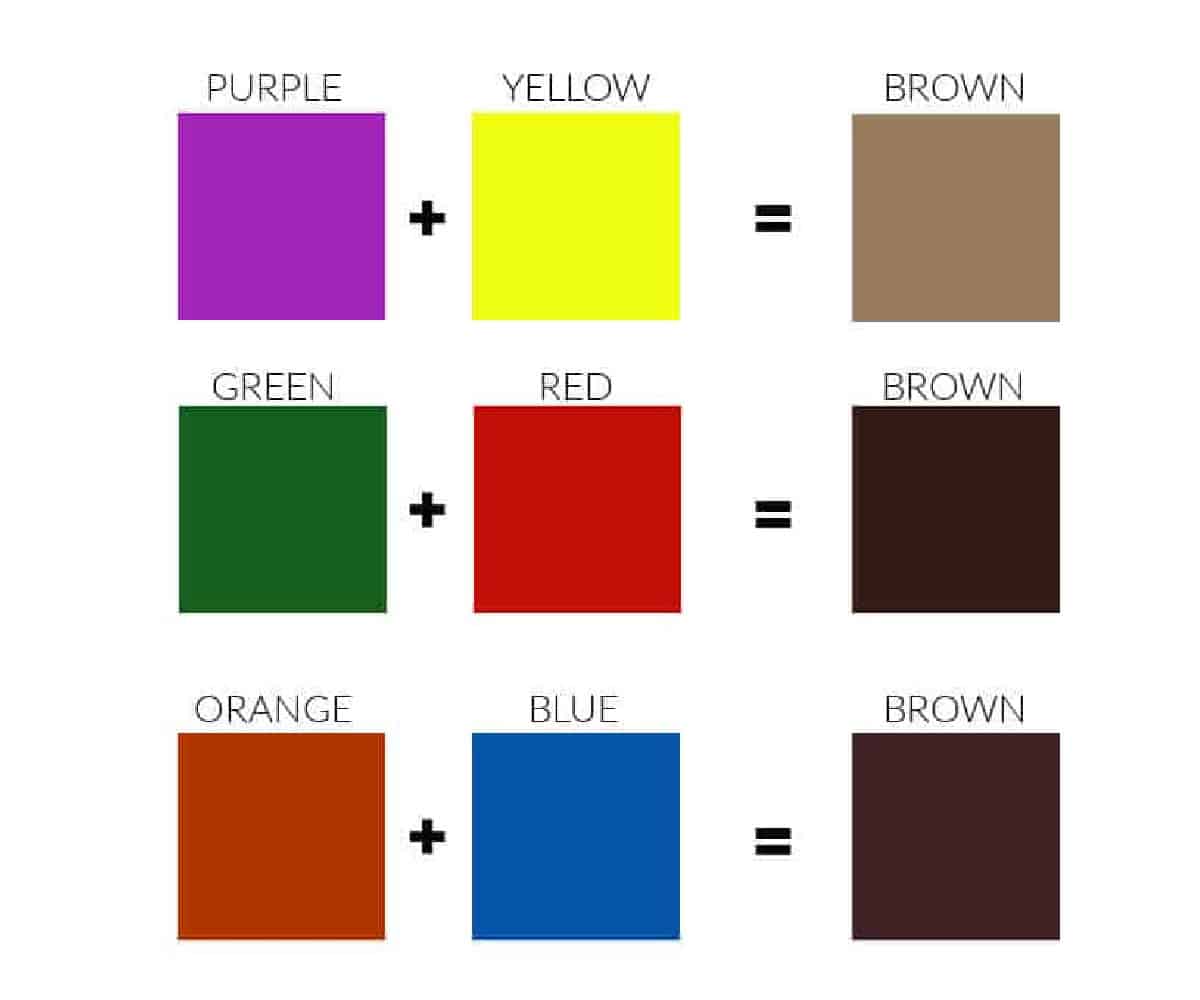
Brown paint often comes from mixing two complementary colors. These pairs sit opposite each other on the color wheel. For example, red and green combine to form a rich brown. Mixing blue and orange also results in a warm brown. Yellow and purple create a softer brown tone. These pairs balance each other to make brown.
Mixing Primary Colors To Make Brown
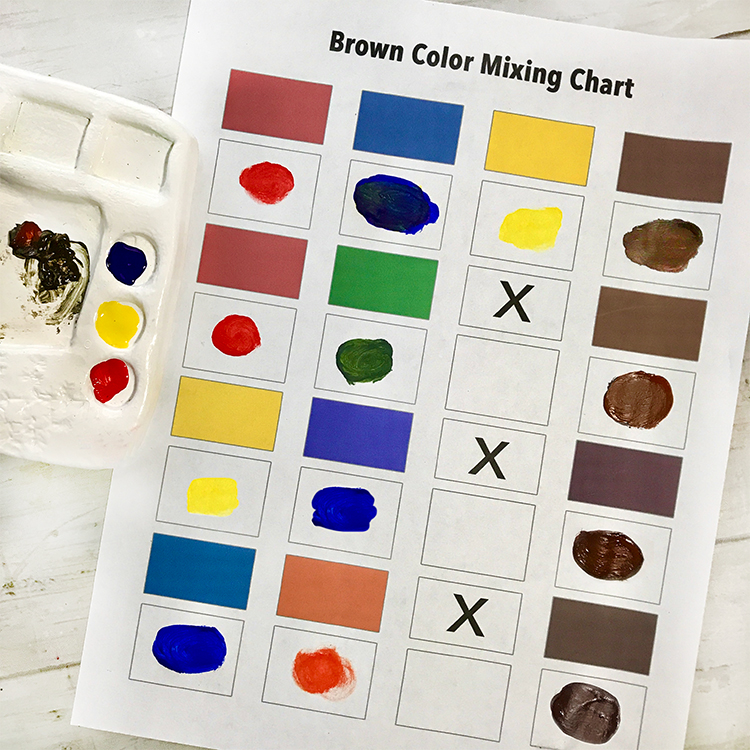
Another way to make brown is by mixing the three primary colors: red, yellow, and blue. When combined, these colors create a neutral brown. Adjust the amounts to get warmer or cooler browns. For a warmer brown, add more red or yellow. For cooler brown, increase the blue slightly.
Adjusting Brown Shades With White And Black
Adding white paint lightens your brown, creating soft tans and beiges. Adding black darkens the brown to deep chocolate shades. Use these additions carefully to keep the brown natural. This helps achieve the exact tone needed for your painting.
Credit: micheleclamp.com
Two-color Brown Mixes
Two-color brown mixes offer a simple way to create brown paint. Using just two colors, you can achieve various shades of brown. This method saves time and paint. It also helps beginners learn color blending basics easily.
Brown results from mixing complementary colors. These are colors opposite each other on the color wheel. Combining them balances warm and cool tones. The mix often produces a natural, earthy brown.
Red And Green
Red and green mix into a rich, warm brown. Adjust the amount of red to get a reddish-brown. More green makes the brown cooler and muted. This pair works well for autumn scenes and natural textures.
Blue And Orange
Mixing blue and orange gives a deep, neutral brown. Orange’s brightness softens blue’s coolness. The shade can shift from dark to light brown. Use this mix for shadows or wood tones in paintings.
Yellow And Purple
Yellow combined with purple creates a warm, golden brown. Purple adds depth while yellow lightens the mix. This combination suits warm backgrounds or skin tones. Changing the ratio changes the brown’s warmth.
Primary Colors For Brown
Creating brown paint starts with understanding its base colors. Brown is not a single color but a mix of several hues. The key to making brown lies in using primary colors.
Primary colors are the building blocks of all other colors. They include red, yellow, and blue. Combining these three in different amounts produces various shades of brown. Knowing how to blend these colors is essential for achieving the perfect brown tone.
Red: The Warmth In Brown
Red adds warmth and depth to brown paint. It is a strong color that influences the final shade significantly. Using more red gives a richer, reddish-brown color. Too much red can make the brown look too dark or intense.
Yellow: The Brightness In Brown
Yellow lightens the brown and adds a golden touch. It balances the darkness of red and blue. Adding yellow makes the brown warmer and softer. Without yellow, the brown might appear dull or muddy.
Blue: The Coolness In Brown
Blue cools down the mix and helps deepen the brown. It creates a more neutral and earthy tone. A small amount of blue can darken the brown without overpowering it. Too much blue may turn the brown toward gray or greenish shades.
Adjusting Brown Shades
Adjusting brown shades lets you create the perfect tone for your project. Brown can range from warm to cool, light to dark. Small changes in color mixing can shift the shade dramatically. Experimenting helps you find the exact brown you need.
Adding Red For A Warm Brown
Mixing a bit of red into your brown paint creates warmth. This shade feels cozy and inviting. Use red carefully to avoid turning the brown too bright or orange.
Incorporating Blue For A Cooler Brown
Blue added to brown gives a cooler, deeper tone. It can make the brown look more muted and calm. Start with small amounts of blue to keep the balance right.
Using Yellow To Lighten Brown
Yellow lightens brown and adds a golden touch. This creates a sunny, bright shade. Add yellow slowly to prevent the brown from becoming too pale or greenish.
Darkening Brown With Black
Black paint makes brown deeper and richer. Use black sparingly, as it can quickly overpower the color. Dark browns work well for shadows and backgrounds.
Softening Brown By Adding White
White paint softens brown, making it lighter and less intense. This creates soft, pastel browns perfect for subtle details. Add white little by little for the best effect.
Adding White For Light Brown
Adding white to brown paint is a simple way to create light brown shades. White lightens the brown without changing its warm tone. This technique helps achieve soft, natural hues suitable for many art projects.
Start with your base brown color. Gradually mix in small amounts of white paint. Stir well to blend the colors evenly. Check the shade after each addition to avoid making it too pale.
How Much White To Add
Use white sparingly at first. A little white can change brown drastically. Add just a drop or two for subtle lightening. Mix and assess before adding more white.
Mixing Tips For Smooth Color
Mix thoroughly to avoid streaks. Use a palette knife or brush to blend. Ensure the white and brown are fully combined. This creates a smooth, consistent light brown color.
Adjusting The Shade
To get different light browns, control white paint amount. More white results in a creamier, softer brown. Less white keeps it closer to the original deep brown.
Credit: trembelingart.com
Warming Brown With Yellow Or Red
Warming brown paint gives your artwork a lively and rich feel. Adding yellow or red shifts the tone and mood of brown. These warm colors brighten brown and create inviting shades.
Choosing yellow warms brown with a golden touch. Red adds depth and a cozy, earthy look. Both make brown more vibrant and dynamic.
How Yellow Changes Brown Paint
Mixing yellow with brown lightens the color. It creates warm, sunny hues. Use small amounts of yellow to avoid overpowering the brown. This mix works well for autumn colors and natural scenes.
The Effect Of Red On Brown Paint
Adding red deepens brown with a reddish tint. It makes the brown look richer and warmer. Red works great for wood tones and rustic themes. Start with a little red and adjust to get the perfect shade.
Tips For Mixing Warm Brown Shades
Use a palette to test colors before painting. Mix slowly and add yellow or red in tiny amounts. Watch how each color changes the brown tone. Keep the base brown neutral for better control over warmth.
Cooling Brown Using Blue Or Green
Cooling brown tones add depth and calmness to your paint palette. Using blue or green helps lower the warmth in brown. This creates cooler shades ideal for shadows and natural elements. Cooling brown changes the mood of your artwork subtly but effectively.
Using Blue To Cool Brown
Blue is a strong cool color. Adding a small amount of blue to brown shifts it to a cooler tone. Start with a little blue. Mix well before adding more. Too much blue can make the brown look gray or muddy. Keep mixing until you reach the desired coolness. This technique works well for painting skies, water, and cool shadows.
Using Green To Cool Brown
Green also cools down brown but with a softer effect. Add green slowly to your brown paint. Mix thoroughly to see the true color. Green adds a natural, earthy tone to brown. It works great for trees, plants, and forest scenes. Green can give brown a fresh, subdued look without overpowering it.
Tips For Balancing Cool Brown Shades
Test your cooled brown on a scrap piece of paper. Observe how it dries. Adjust the amount of blue or green if needed. Use small amounts to avoid overpowering your brown. Mix thoroughly for an even color. Remember, less is more when cooling brown paint.
Tools For Mixing Paint
Mixing paint to create the perfect brown color needs the right tools. These tools help blend colors smoothly and evenly. Using the correct equipment makes the mixing process easier and more precise.
Choosing good tools also saves time and reduces mess. It helps you control the amount of each color you add. Here are some essential tools for mixing paint.
Palette
A palette is a flat surface for mixing paint. It can be made of plastic, glass, or wood. Palettes give you space to blend colors without spilling. Some artists prefer disposable palettes for easy cleanup.
Mixing Sticks
Mixing sticks help combine colors thoroughly. Wooden or plastic sticks are common choices. They allow you to stir paint without wasting it. Use clean sticks to avoid mixing unwanted colors.
Paint Brushes
Brushes are useful for mixing small amounts of paint. They also help test the color before applying it. Choose brushes with synthetic bristles for smooth mixing. Clean brushes between uses to keep colors pure.
Measuring Tools
Measuring tools ensure accurate color ratios. Small cups or droppers work well for this. They help add the right amount of each paint color. Accurate measuring leads to consistent brown shades.
Mixing Container
A mixing container holds paint while you blend colors. It should be easy to clean and non-absorbent. Containers made of glass or plastic are best. Using a container keeps your workspace tidy.
Common Mistakes To Avoid
Making brown paint can seem simple, but many beginners make common errors. These mistakes can change the shade or make the color muddy. Avoiding these errors will help you get the perfect brown every time.
Understanding what to avoid is key to mixing a clear, vibrant brown. Here are some frequent pitfalls and tips on how to skip them.
Using Too Much Of One Color
Adding too much red, yellow, or blue can overpower the mix. This causes the brown to lean toward one color, not a balanced brown. Start with small amounts and add more slowly.
Ignoring Color Ratios
Mixing colors without measuring can produce inconsistent brown shades. Different ratios create different browns. Use a palette or small containers to keep track of your mixes.
Not Mixing Thoroughly
Incomplete mixing leaves streaks and uneven color. Stir the paints well until smooth. This ensures the brown color is uniform and true.
Using Low-quality Paints
Cheap or old paints often have weak pigments. This affects the final brown’s richness and durability. Choose good-quality paints for better results.
Overlooking Complementary Colors
Mixing colors that are not complements can create dull browns. Red with green, blue with orange, or yellow with purple work best. Use these pairs for a vibrant brown.
Tips For Perfect Brown Tones
Creating the perfect brown tone requires more than just mixing colors. Knowing how to balance hues and adjust shades can improve your results. Small changes in the mix can lead to different brown shades, from warm to cool. Follow these tips to achieve smooth, rich brown colors that fit your project.
Use Complementary Colors
Mix two colors opposite on the color wheel. For example, red and green or blue and orange. This creates a natural, balanced brown. Adjust the amount of each color to find the perfect tone.
Start With Primary Colors
Combine red, yellow, and blue to form a base brown. Change how much of each color you add to shift the shade. More red gives warmth; more blue cools the tone.
Test Small Amounts First
Mix tiny amounts before making a large batch. It helps avoid wasting paint. You can see how the colors work together and adjust easily.
Add White For Lighter Browns
Mix in white paint to soften and lighten your brown. This creates shades like beige or tan. Add white slowly to keep control of the color.
Use Black Sparingly To Darken
Add small amounts of black to deepen your brown. Too much black can dull the color. Blend carefully to keep the brown rich and vibrant.
Experiment With Different Reds And Yellows
Try using warm reds like burnt sienna or cool yellows like lemon yellow. Different shades change the brown’s feel. Play with these to find your favorite brown.
Credit: thegraphicsfairy.com
Frequently Asked Questions
What Two Colors Make Brown Paint?
Mix red and green paint to create brown. Alternatively, mix blue and orange or yellow and purple for different brown shades.
Do Black And Yellow Make Brown?
Black and yellow do not make brown. Mixing black and yellow creates a darker, muted yellow or olive shade instead. Brown usually results from mixing complementary colors like red and green or combining all primary colors.
How To Create Light Brown Color Paint?
Mix red and green or mix all three primary colors (red, yellow, blue) to create brown paint. Add white to lighten it.
Do Red And Green Make Brown?
Yes, mixing red and green paint creates brown. These complementary colors blend to form a rich, neutral brown shade.
What Two Colors Make Brown Paint?
Mix red and green, blue and orange, or yellow and purple to make brown paint.
How Can I Mix Brown Paint With Primary Colors?
Combine red, yellow, and blue in equal parts to get a neutral brown color.
What Is The Easiest Way To Make Brown Paint?
Mix equal amounts of red and green paint for a simple brown shade.
How Do I Make Dark Brown Paint?
Add a little black or more blue to your brown mix for a darker shade.
Can I Make Brown Paint Using Only Two Colors?
Yes, mixing complementary colors like red and green creates brown with just two colors.
How To Make Light Brown Paint?
Add white or yellow to dark brown paint to lighten its color.
Conclusion
Making brown paint is simple and fun with basic colors. Mix complementary colors like red and green for rich brown. Use primary colors—red, yellow, and blue—to create a darker shade. Adjust amounts to find your perfect tone. Practice mixing to understand how colors blend.
Now, you can create various brown shades for any art project. Enjoy experimenting with colors and watch your creativity grow.