
Have you ever stopped to think about what it truly feels like to be seen through the lens of race? Zora Neale Hurston’s essay, “How It Feels to Be Colored Me,” invites you into a bold and honest reflection on identity, pride, and individuality.
She doesn’t just tell you what it means to be Black in America—she makes you feel it. This isn’t a story about victimhood or sorrow; it’s a celebration of self, a challenge to stereotypes, and a powerful reminder that your identity is yours to define.
Ready to discover a fresh perspective that will change how you see race and yourself? Keep reading, because Hurston’s words will stay with you long after you finish.
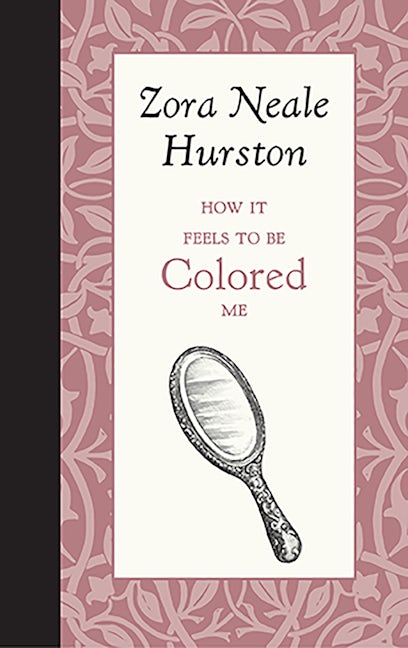
Credit: www.arcadiapublishing.com
Early Life In Eatonville
Zora Neale Hurston’s early life in Eatonville shaped her view of race and identity. Eatonville was one of the first all-Black towns in the United States. It was a place where Black people lived freely and held positions of power. Hurston grew up surrounded by Black culture, traditions, and community.
In Eatonville, Hurston did not feel “colored” or different. She was simply a part of her town. Her identity was rooted in her surroundings, where everyone shared similar experiences. This early life gave her confidence and pride in who she was.
Leaving Eatonville introduced new feelings. Moving to a mostly white city made her aware of her race in a new way. The contrast between her hometown and the outside world helped her see race as a social idea, not a fixed fact.
Life In An All-black Town
Eatonville was a rare place where Black people ruled their own community. Hurston experienced a life free from the harsh racism of other places. This shaped her strong sense of self and belonging. She grew up hearing stories and traditions unique to her culture. Her childhood was filled with joy, play, and learning in a supportive environment.
A Sense Of Belonging And Identity
Hurston’s identity was tied to her town and its people. She felt proud and confident as a young girl in Eatonville. Race was not a heavy burden or source of shame. Instead, it was part of a shared community and history. This early sense of belonging gave her a unique perspective on race later in life.
Awareness Of Race Outside Eatonville
Moving away from Eatonville changed Hurston’s experience of race. She noticed differences in how people treated her. The outside world made her aware of racial labels and barriers. This new awareness helped her see race as something shaped by society. Hurston’s early life shows how environment shapes identity and self-perception.
Race As A Social Construct
Race is not a fixed biological fact. It is created by society to group people. This idea is called race as a social construct. Zora Neale Hurston’s essay, “How It Feels to Be Colored Me,” shows this clearly. She tells how her sense of race changed with her surroundings. Her story helps us understand that race is about social views, not skin color alone.
Hurston grew up in Eatonville, a town where everyone was Black. There, she did not think much about race. She felt like just herself. But moving to a city with many races made her notice differences. The feeling of being “colored” appeared only when she met white people. This shows that race is a label society places on us, not something inside us.
Race Changes With Social Context
Hurston’s experience proves race depends on the place and people. In Eatonville, race did not matter to her identity. In a diverse city, race became visible and meaningful. Society shapes how we see race and how we feel about it. It is not a permanent or natural fact. It changes with social situations and environments.
Race And Personal Identity
Hurston refuses to let race limit her identity. She feels proud, not ashamed, of being Black. Race is one part of who she is, not the whole story. Her uniqueness goes beyond skin color. She shows that identity is personal and cannot be fully defined by race.
Breaking Free From Racial Labels
Hurston’s essay encourages us to see beyond racial categories. Labels can divide and limit people. Understanding race as a social construct helps break down these barriers. It allows us to celebrate individual stories and shared humanity. Race should not box us in but remind us of our rich diversity.
Awakening In A Diverse World
Zora Neale Hurston’s essay captures the moment of realizing identity in a changing world. Growing up in Eatonville, an all-Black town, she felt no difference in herself. The world beyond Eatonville showed her a new perspective. The contrast made her aware of race as a social idea.
This awakening is not about sorrow or shame. It is about pride and celebration of uniqueness. Hurston’s view challenges fixed ideas about race. She sees herself first as a person, then as colored. This shift happens through experience in a diverse society.
Seeing Identity Through New Eyes
Hurston’s move to a diverse city opened her eyes. She noticed herself differently against a “sharp white background.” Identity became clearer in this mix of people. Race was not a deep root but a changing shade. She learned to wear her identity like a bright color, not a mask.
The Power Of Self-pride
Hurston chooses pride over pain. She refuses to feel smaller because of her race. Her spirit shines in her words. She claims her identity as a gift. This pride gives strength in a world that often divides.
Race As A Social Moment
Race is not fixed or natural, Hurston says. It appears in social moments and contexts. In Eatonville, race was invisible. Outside, it became clear and defined by others. This idea invites readers to rethink how they see race. It is fluid, not a cage.
Rejecting Victimhood
In “How It Feels to Be Colored Me,” Zora Neale Hurston powerfully rejects the idea of victimhood. She refuses to see herself as a victim of her race or circumstances. Instead, she embraces her identity with confidence and joy. This attitude challenges common views of race and personal worth.
Hurston views her racial identity as one part of her whole self, not a limitation. She celebrates being “colored” without sadness or complaint. Her words inspire readers to look beyond pain and hardship and find strength in who they are.
Defying Stereotypes Through Self-confidence
Hurston does not accept society’s low expectations of her. She boldly claims her place in the world with pride. Her self-confidence breaks down harmful stereotypes and shows a positive way to live.
She describes herself as a full, vibrant person, not defined by victimhood or pity. This mindset helps her thrive and find joy in life’s experiences.
Choosing Pride Over Pain
Hurston chooses pride instead of sorrow about her racial identity. She does not view her race as a burden. She sees it as a unique gift that adds to her richness as a person.
This choice empowers her to live freely and express herself fully. It sends a message that identity can be a source of strength, not weakness.
Seeing Beyond Race To Individuality
Hurston emphasizes her individuality over her race. She refuses to be reduced to a single label. Her story shows that identity is complex and personal.
By focusing on her unique traits and experiences, she rejects the victim narrative. She encourages others to do the same and embrace their whole selves.
Celebrating Black Identity
In “How It Feels to Be Colored Me,” Zora Neale Hurston shares a proud view of Black identity. Her essay shows strength and joy in being Black. It does not focus on pain or victimhood.
Hurston’s words encourage embracing who you are with confidence. Her story reminds us that Black identity is a source of power and beauty. It is a celebration of culture and individuality.
Embracing Uniqueness Beyond Race
Hurston sees herself as a unique individual first. Race is part of her, but it does not define her completely. She feels alive and vibrant, not limited by color.
She refuses to be seen only through the lens of race. This mindset opens the door to joy and freedom. It celebrates personal identity in a broad, human way.
Joy In Cultural Heritage
Hurston’s essay highlights the richness of Black culture. She finds pride in her roots and traditions. This heritage shapes her identity in a positive light.
Her writing invites readers to value their own backgrounds. It shows how culture brings strength and deep connection. Celebrating heritage helps build pride and self-respect.
Challenging Social Definitions
Hurston challenges social ideas about race and identity. She explains that feeling “colored” came only in certain social settings. This shows race is not fixed but shaped by society.
This idea pushes readers to rethink how they see race. It promotes understanding that identity can be fluid and complex. Hurston’s view breaks stereotypes and opens minds.
:max_bytes(150000):strip_icc()/Getty_Zora_Neale_Hurston-576768841-56d9b5f83df78c5ba025eab7.jpg)
Credit: www.thoughtco.com
Individuality Beyond Race
Zora Neale Hurston celebrates her identity beyond race, embracing herself with confidence and joy. She sees her uniqueness first, not just her skin color. Race changes with surroundings, but her spirit stays strong and proud.
Understanding The Self Beyond Skin Color
Zora Neale Hurston shows that identity is more than skin color. She felt like a full person before noticing race. Her move from a Black town to a diverse city made her aware of race. This shift shows how identity changes with surroundings. Race is only one part of who we are.
Seeing Race As A Social Experience
Hurston explains that race feels real in certain social settings. In her all-Black hometown, she did not feel “colored.” The feeling appeared when she met white people. Race is not fixed inside a person. It depends on how others see and treat us.
Celebrating Uniqueness, Not Limitation
She chooses pride over shame about her race. Her identity shines through joy and confidence. Race adds color, but does not limit her spirit. Hurston stands as a unique individual first. This view breaks stereotypes and opens freedom to be oneself.
Symbolism Of The Jazz Club
The jazz club symbolizes vibrant energy and cultural pride in “How It Feels to Be Colored Me. ” It reflects a space where identity shines freely, blending music, history, and self-expression. This setting highlights the joy and confidence in embracing one’s true self.
The jazz club in “How It Feels to Be Colored Me” symbolizes vibrancy and individuality.
It represents a lively space where identity is expressed freely. The music’s rhythm mirrors the author’s bold spirit.
The jazz club is a metaphor for embracing life with energy and confidence. It shows how Hurston views herself, not limited by race.
Jazz Club As A Space Of Freedom
The jazz club stands for freedom from societal expectations. In this place, people celebrate who they truly are.
Hurston uses this setting to highlight joy despite challenges. The club’s atmosphere contrasts with the limitations imposed by racism.
It offers a space where individuality shines and differences blend harmoniously. This symbolizes Hurston’s acceptance of her identity.
Music Reflecting The Author’s Identity
Jazz music reflects the complexity and uniqueness of Hurston’s self-view. Its improvisation symbolizes her fluid identity.
She sees herself as part of the music’s dynamic flow. The sounds represent freedom and creativity in defining who she is.
The jazz club’s vibrant energy parallels her refusal to be confined by labels. It celebrates the richness of her experience.
Contrast Between The Jazz Club And Society
The jazz club contrasts with the rigid social world outside. It stands against fixed racial identities and stereotypes.
Inside the club, there is acceptance and celebration of diversity. Outside, society often imposes harsh boundaries on identity.
This contrast highlights Hurston’s message of self-pride and resilience. The jazz club symbolizes a space of empowerment and joy.
Spiritual Connection To Ancestry
In “How It Feels to Be Colored Me,” Zora Neale Hurston reveals a deep spiritual connection to her ancestry. This bond shapes her identity and fuels her pride. It links her to generations before her, whose strength and spirit live within her.
Hurston’s connection to her roots is not just about race. It is about the soul of her people. Their stories, struggles, and joys are part of her own story. This spiritual tie lifts her beyond the labels society places on her.
Honoring The Legacy Of Ancestors
Hurston honors the resilience of those who came before her. She feels their courage in her heart. This legacy gives her strength to face challenges. It reminds her of the value and power in her identity.
Feeling Ancestral Spirit In Daily Life
The presence of her ancestors is a daily comfort. Hurston senses their guidance in moments of doubt. Their spirit encourages her to embrace life fully. This connection makes her feel whole and grounded.
Transformation Through Ancestral Wisdom
Hurston’s awareness of her ancestry transforms her view of herself. She sees herself as part of a larger story. This wisdom helps her rise above pain and prejudice. It inspires confidence and self-love.
Shared Humanity Over Skin Color
Identity goes beyond skin color, highlighting the shared feelings that connect us all. Zora Neale Hurston celebrates being unique while embracing common human experiences. Differences in race do not change the core of who we are inside.
Recognizing The Common Threads Of Life
In “How It Feels to Be Colored Me,” Zora Neale Hurston highlights the deep ties that bind all people. She shows that beneath the skin, everyone shares similar hopes and dreams. This idea pushes us to look beyond color and see each other as human beings first.
Hurston’s words remind us that our feelings, joys, and fears connect us. These shared emotions create bridges between different races and backgrounds. They help break down walls built by misunderstanding or prejudice.
Identity Beyond Skin Color
Hurston refuses to let her skin color define her whole being. She views her identity as rich and complex, shaped by many experiences. This view encourages us to see people as individuals, not just by their race.
She embraces her Blackness with pride but also celebrates her unique self. This balance shows the power of accepting both our heritage and personal stories. It inspires readers to value their own identities fully.
Unity Through Shared Experiences
Shared humanity means recognizing common experiences across races. Hurston’s essay reveals how feelings of joy, sorrow, and resilience unite us. These experiences build empathy and understanding.
By focusing on what we have in common, we can foster respect. This respect leads to stronger, more inclusive communities. Hurston’s message encourages connection rather than division.
Legacy Of Self-pride And Strength
Zora Neale Hurston’s essay, How It Feels to Be Colored Me, shares a powerful message. It shows how pride and inner strength shape identity. Hurston embraces her race with confidence, not sorrow. She inspires readers to value themselves fully.
This legacy teaches that identity is more than skin color. It is about feeling proud and strong in any situation. Hurston’s words encourage self-respect and resilience. They remind us to celebrate who we are without apology.
Celebrating Individuality Beyond Race
Hurston sees herself as a unique person first. Her race is part of her story, but not all of it. She refuses to be limited by others’ views. Her identity shines through her actions and spirit. This celebration of individuality empowers readers to do the same.
Transforming Challenges Into Strength
The essay shows how Hurston turns hardship into power. Facing racial prejudice did not break her spirit. Instead, it built her confidence and courage. She teaches us to use struggles as fuel for growth. Strength comes from embracing life fully, even in tough times.
The Power Of Self-acceptance
Hurston’s self-pride comes from accepting herself completely. She does not seek approval from others. This self-acceptance creates freedom and joy. It allows her to live boldly and authentically. Her example shows how embracing oneself leads to true strength.

Credit: www.amazon.com
Frequently Asked Questions
How Does It Feel To Be Colored Me Mean?
“How It Feels to Be Colored Me” means embracing racial identity with pride, seeing oneself as unique beyond race, and rejecting victimhood.
What Does It Feel Like To Be Colored Me?
Being “colored me” feels like embracing a unique identity with pride, beyond racial labels. It means seeing oneself as an individual, full of vibrant life and resilience, not defined solely by race or past struggles. It celebrates self-worth and joyful self-expression.
How Does It Feel To Be Colored Me Style?
Being “Colored Me” feels like embracing a unique identity with pride, not defined solely by race. It highlights individuality and celebrates cultural richness. The experience shifts with social context but remains a powerful expression of self-worth and humanity beyond skin color.
How Does It Feel To Be Colored Me Genre?
“How It Feels to Be Colored Me” expresses pride in Black identity, emphasizing individuality beyond race. Hurston rejects sorrow and embraces self-definition.
What Is The Main Theme Of “how It Feels To Be Colored Me”?
The essay explores racial identity and personal pride in being Black in America.
Who Wrote “how It Feels To Be Colored Me”?
Zora Neale Hurston, a key figure in the Harlem Renaissance, wrote this essay.
When Was “how It Feels To Be Colored Me” Published?
It was first published in 1928 in a journal called The World Tomorrow.
How Does Hurston Describe Her Childhood Town Eatonville?
Eatonville is an all-Black town where Hurston felt no racial difference growing up.
What Changes When Hurston Moves To A Diverse City?
She becomes aware of her race when contrasted with white people around her.
How Does Hurston Feel About Her Racial Identity?
She embraces her Black identity with pride, not shame or sorrow.
Conclusion
Zora Neale Hurston’s essay celebrates self-worth beyond race. She shows how identity changes with place and people. Her pride shines through, refusing to be limited by labels. This story encourages everyone to embrace their unique self. It reminds us that our value comes from within.
Hurston’s words inspire confidence and individuality in all readers. A timeless message about seeing yourself clearly and proudly.