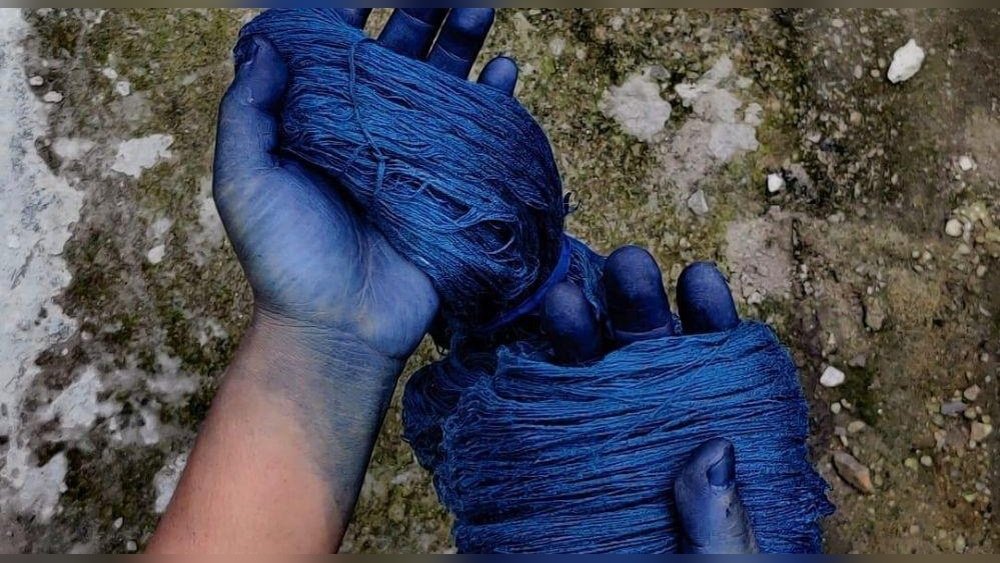
Are you searching for authentic dying colors from India to bring vibrant, rich hues to your fabrics or crafts? Finding the perfect shades that capture India’s traditional beauty can be tricky, but knowing where to look makes all the difference.
Whether you want natural indigo blues, earthy reds, or bright tie-dye palettes, this guide will help you discover the best sources for Indian dyes—right from trusted brands to specialty suppliers. Keep reading to uncover where you can find these stunning colors that will transform your projects and connect you to centuries of craftsmanship.
Your search for true Indian dying colors ends here.
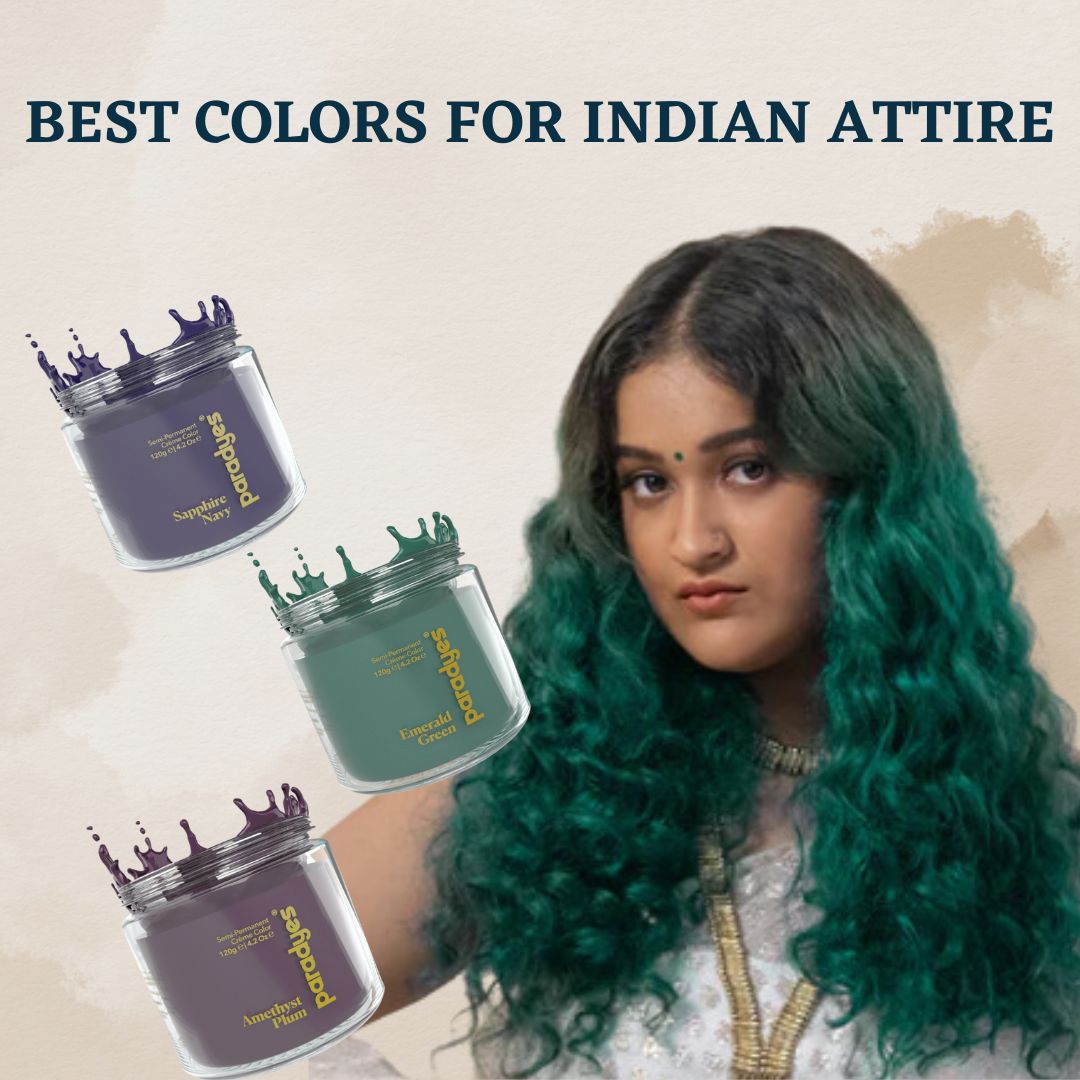
Credit: www.birdsofparadyes.com
Sources Of Indian Dyes
India has a rich history of natural dyes. These dyes come from plants, minerals, and insects. Many traditional colors come from unique Indian sources. These sources provide vibrant, lasting colors for textiles and crafts.
Natural dyes offer eco-friendly alternatives to synthetic dyes. They reflect India’s cultural heritage and biodiversity. The main sources of Indian dyes include plants, minerals, and insects. Each source produces distinct colors used in various dyeing methods.
Plant-based Dyes
Many Indian dyes come from leaves, roots, flowers, and bark. Indigo is a famous dye extracted from the indigo plant. It produces a deep blue color. Another common plant dye is turmeric, which gives bright yellow shades.
Other plants like madder root provide red hues. Pomegranate rind creates yellow to greenish colors. These plants grow naturally in many Indian regions.
Mineral Dyes
Minerals also serve as sources for some Indian dyes. They create earthy and muted tones. Ochre, a natural clay pigment, is widely used. It gives yellow, red, and brown colors.
Other minerals include white chalk and iron oxide. These provide white and reddish colors. Mineral dyes are often mixed with plant dyes for unique effects.
Insect-based Dyes
Some Indian dyes come from insects. The famous lac insect produces a red dye called lac dye. It is used for rich reds and pinks in textiles.
Cochineal insects, though less common in India, can also create red colors. Insect dyes are valued for their brightness and durability.
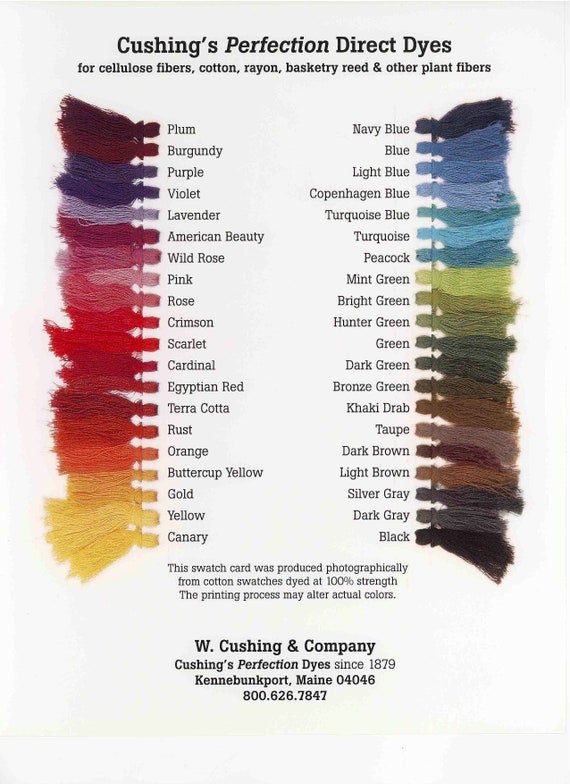
Credit: www.etsy.com
Traditional Dyeing Methods
India holds a rich heritage of natural dyeing methods. These techniques use colors from plants, minerals, and insects. The process is eco-friendly and creates vibrant, long-lasting hues.
Traditional dyeing connects artisans to their culture. Each region has its own unique style and materials. The methods have been passed down through generations. These colors reflect the natural beauty and diversity of India.
Indigo Dyeing
Indigo is one of the oldest dyes in India. It produces a deep blue shade. The dye comes from the indigo plant leaves. Artisans ferment the leaves to extract the blue pigment. This method is used in many Indian states like Gujarat and Rajasthan.
Turmeric Dyeing
Turmeric gives a bright yellow color. It is easy to use and widely available. The powder is mixed with water and applied to fabric. Turmeric dye is popular in southern India. It also has natural antibacterial properties.
Madder Dyeing
Madder roots create red and orange hues. The roots are dried and ground into powder. This powder is then boiled with fabric for color. Madder dyeing is common in regions like Rajasthan and Uttar Pradesh. The colors are warm and earthy.
Henna Dyeing
Henna is known for its reddish-brown dye. It comes from the leaves of the henna plant. The leaves are crushed and mixed with water. Henna is used for fabric and body art. It is especially popular in Rajasthan and Gujarat.
Natural Dye Plants
Natural dye plants have been used in India for centuries. These plants produce vibrant colors without chemicals. They offer eco-friendly and safe options for dyeing fabrics.
Farmers and artisans grow these plants across various regions of India. Each plant yields a unique color and shade. They form the base of many traditional dyeing crafts.
Madder (rubia Cordifolia)
Madder roots create a rich red color. It grows mainly in the Himalayan foothills. The roots are harvested and dried for dye extraction. Madder dye is long-lasting and bright.
Indigo (indigofera Tinctoria)
Indigo leaves provide deep blue dye. It is one of India’s oldest natural dyes. Farmers cultivate indigo plants in warm climates. The leaves ferment to produce the blue pigment.
Turmeric (curcuma Longa)
Turmeric gives a bright yellow shade. This plant grows in tropical regions across India. Its rhizomes are boiled and dried to make dye. Turmeric dye is used for fabrics and cosmetics.
Henna (lawsonia Inermis)
Henna leaves produce a reddish-brown color. It is popular for body art and hair dyeing. Henna plants grow well in dry, hot areas. Leaves are crushed to release the dye.
Tea (camellia Sinensis)
Tea leaves can create light brown and tan colors. Used tea leaves or fresh ones both work. It is common in northern India’s cooler regions. Tea dye gives a soft, natural finish.
Alkanet (alkanna Tinctoria)
Alkanet roots provide a purple to red dye. It grows in dry regions of India. Roots are harvested and ground into powder. The dye is used for textiles and cosmetics.
Popular Indian Dye Colors
India offers a rich variety of traditional dye colors. These colors have deep cultural roots. They are used in textiles, art, and ceremonies. The dyes come from natural and synthetic sources. Each color tells a story and reflects Indian heritage.
Many of these dyes are known for their vibrant hues and lasting quality. They are favored by artisans and designers worldwide. Discovering these colors helps appreciate India’s rich textile history.
Indigo Blue
Indigo is a famous natural dye from India. It gives a deep blue color. This dye is extracted from the indigo plant leaves. It has been used for centuries in fabric dyeing. Indigo blue is popular in traditional and modern textiles.
Turmeric Yellow
Turmeric is a common spice and dye in India. It produces a bright yellow color. Turmeric dye is natural and safe for skin. It is often used in dyeing cotton and silk fabrics. The yellow color symbolizes purity and happiness.
Henna Red
Henna is widely used for body art and hair dye. It also colors fabric in shades of red and brown. Henna comes from the Lawsonia plant leaves. This natural dye holds cultural significance in weddings and festivals.
Alizarin Crimson
Alizarin crimson is a red dye extracted from the madder plant. It creates rich red and crimson shades. This dye has been used in India for centuries. It is ideal for cotton, silk, and wool fabrics.
Black Walnut Brown
Black walnut shells produce a dark brown dye. It is a natural and eco-friendly option. This dye is used in traditional Indian textiles. The brown color adds an earthy, warm tone to fabrics.
Major Dye Companies In India
India hosts many major dye companies that supply vibrant colors worldwide. These companies produce dyes for textiles, cosmetics, and industrial uses. They focus on quality, variety, and eco-friendly solutions. Their products support both traditional crafts and modern industries.
Sudarshan Chemical Industries Ltd.
Sudarshan Chemical Industries is India’s largest dye producer. It offers a wide range of dyes and pigments. The company serves textile, paint, and plastic industries. It is known for innovation and sustainable practices.
Kiri Industries Ltd.
Kiri Industries specializes in dyes for textiles and leather. It manufactures direct, reactive, and vat dyes. The company exports products to many countries. It emphasizes environmental safety in its processes.
Vidhi Specialty Food Ingredients Ltd.
Vidhi produces natural and synthetic colors. It mainly serves food and beverage sectors. The company blends technology with traditional methods. It ensures safe and approved dye products.
Ultramarine & Pigments Ltd.
Ultramarine & Pigments creates a variety of pigments and dyes. It supplies industries like paints, plastics, and textiles. The firm focuses on consistent quality and client satisfaction. It has a strong presence in the Indian market.
Buying Dyes Online
Buying dyes online offers a simple way to access authentic colors from India. It allows buyers to explore a wide range of natural and synthetic dyes. Many online stores specialize in Indian dyes, making it easy to compare prices and quality.
Shopping online saves time and provides delivery right to your doorstep. It also gives access to rare and traditional dye options not found locally. Buyers can read reviews and product details to make informed choices.
Popular Online Stores For Indian Dyes
Several websites focus on selling Indian dyes. Khadi USA offers herbal hair colors and natural dyes. iShopIndian.com features organic henna and Holi colors. Tradeindia lists fabric dyeing services and pigment suppliers.
Tips For Choosing Quality Dyes Online
Check product descriptions carefully for ingredients and origin. Look for certifications like organic or herbal labels. Read customer reviews to understand product effectiveness. Confirm shipping policies and return options before purchase.
Advantages Of Buying Indian Dyes Online
Online shopping provides access to a wider variety of dyes. It allows comparing prices across multiple sellers. Buyers can find traditional dyes like indigo and henna easily. Delivery options make the process convenient and fast.
Local Shops And Markets
Local shops and markets in India offer a rich variety of dying colors. These places carry traditional and natural dyes used for centuries. Many local vendors specialize in herbal and organic colors. Visiting these markets gives a chance to see vibrant hues and learn about their origins.
Colors in local shops often come directly from farmers or artisans. This helps keep the dyes fresh and authentic. Shoppers can find powders, pastes, and liquid dyes. Each shop has unique selections based on the region’s craft and plants.
Traditional Dye Shops In Rajasthan
Rajasthan is famous for its natural dyes made from flowers and minerals. Shops in Jaipur and Udaipur sell bright reds, yellows, and blues. Many vendors provide hand-ground powders used for fabric dyeing and art. These dyes are perfect for tie-dye and block printing techniques.
Markets In Gujarat For Natural Colors
Gujarat’s markets offer a wide range of plant-based dyes. Local shops in Ahmedabad and Kutch focus on eco-friendly colors. Indigo and turmeric powders are common here. Artisans often explain how to use the dyes safely on fabrics and skin.
South Indian Dye Markets
In Tamil Nadu and Kerala, markets sell unique natural colors from flowers and bark. Shops near Coimbatore and Kochi stock vibrant shades for silk and cotton. These dyes are often used for traditional clothing and festivals. Locals prefer these colors for their lasting brightness.
How To Choose Quality Dyes
Look for natural texture and aroma in the dyes. Avoid powders that feel too smooth or have chemical smells. Ask vendors about the source and preparation of the colors. Trust shops with good reviews and local recommendations.
Cost Of Dyeing Services
The cost of dyeing services in India varies widely based on fabric type, dyeing method, and quantity. Small batches cost less but may have higher rates per piece. Bulk orders usually receive better pricing due to economies of scale. The choice of natural or synthetic dyes also affects the overall expense.
Natural dyeing tends to be more expensive because of the sourcing and processing of plant-based colors. Synthetic dyes offer a cost-effective alternative for large textile manufacturers. Labor costs and regional differences also influence prices across India.
Factors Affecting Dyeing Costs
Fabric type impacts dye absorption and processing time. Cotton and silk may cost more to dye than synthetic fibers. The complexity of the dyeing technique, such as tie-dye or batik, adds to labor costs. Quality standards, including color fastness, require more careful handling.
Typical Price Range For Dyeing Services
Basic fabric dyeing starts around 80 INR per kilogram for simple colors. Synthetic fabric dyeing may cost about 450 INR per kilogram. Specialty dyeing techniques and natural dyes can increase costs to 500 INR or more per kilogram. Prices differ by region and service provider.
Cost Comparison: Natural Vs Synthetic Dyes
Natural dyeing involves raw materials like indigo and henna, raising costs. Synthetic dyes are cheaper and faster to apply. Natural dyes provide eco-friendly benefits but at a premium. Synthetic options dominate industrial-scale dyeing due to affordability.
Additional Charges And Services
Extra costs may apply for fabric washing, fixing, and finishing. Custom color matching often increases the price. Packaging and delivery fees add to the total expense. Some providers offer discounts for repeat or large orders.
Using Herbal Hair Colors
Using herbal hair colors offers a natural way to dye hair safely. These colors come from plants and herbs. They do not contain harsh chemicals. Herbal hair colors nourish hair while adding color. They suit all hair types and ages.
Many people prefer herbal hair colors to avoid damage and allergic reactions. Herbal dyes give a gentle, rich shade that lasts long. They also strengthen hair roots and improve scalp health. Using herbal colors helps keep hair soft and shiny.
Popular Herbal Hair Colors From India
India has a rich tradition of herbal hair dyes. Henna is the most famous herbal dye known for its reddish-orange color. Indigo provides deep blue-black shades. Other herbs like amla and bhringraj add shine and darken hair naturally.
Where To Buy Herbal Hair Colors
Herbal hair colors are available in many Indian stores and online shops. Brands like Khadi USA and Pride of India offer authentic herbal powders. Websites such as iShopIndian.com and Quicklly sell these products worldwide. Choose trusted sellers for pure, natural dyes.
How To Use Herbal Hair Colors
Mix herbal powders with water or herbal tea to make a paste. Apply evenly on clean hair and leave for 1 to 3 hours. Rinse with water until clear. Repeat regularly for best results. Herbal colors may take longer to show but give lasting effects.

Credit: www.pure-elegance.com
Caring For Dyed Fabrics
Caring for dyed fabrics requires gentle handling to keep colors bright and lasting. Indian dyes often come from natural sources, which need special care. Proper maintenance helps fabrics stay vibrant and soft for years.
Fading and color bleeding are common issues with dyed materials. Following simple steps can protect your fabric and enhance its beauty.
Washing Dyed Fabrics
Use cold water to wash dyed fabrics. Hot water can cause colors to fade quickly. Hand washing is best for delicate items. Avoid harsh detergents; choose mild soaps instead. Turn the fabric inside out before washing to protect the surface.
Drying Tips
Dry dyed fabrics in the shade to prevent sun damage. Direct sunlight can fade colors fast. Do not wring or twist the fabric. Lay it flat or hang it gently to dry. Keep away from heat sources like radiators or dryers.
Storage Advice
Store dyed fabrics in a cool, dry place. Avoid plastic bags that trap moisture and cause mildew. Use cotton bags or wrap in clean cloth. Keep fabrics away from direct sunlight and dust. Proper storage preserves color and texture.
Ironing Dyed Fabrics
Iron on the reverse side to protect the dye. Use a low to medium heat setting. Place a cloth between the iron and fabric for extra safety. Avoid steam on delicate dyed fabrics to prevent water spots.
Frequently Asked Questions
Which Is The Largest Dye Company In India?
Sudarshan Chemical Industries Ltd. is the largest dye company in India. It leads the market with the highest market capitalization.
How Much Does It Cost To Dye Clothes In India?
Dyeing clothes in India typically costs between ₹80 to ₹450 per piece, depending on fabric type and dyeing method.
What Is The Indian Dye Method?
The Indian dye method, called Bandhani, ties fabric into tiny knots before dyeing. It uses bright colors like red, green, and yellow. This ancient technique originated in Gujarat and dates back to the Indus Valley Civilization.
What Are The Dyes Native To India?
India’s native dyes include indigo (blue), haritaki and khair (black), manjistha, chay root, aal, and lac insects for reds and purples.
Where Can I Buy Natural Dying Colors From India?
Natural dying colors are available online and in specialty Indian craft stores worldwide.
What Are Popular Indian Dye Types Used For Fabrics?
Indigo, turmeric, henna, and madder root are popular traditional Indian dyes.
Which Indian Cities Are Famous For Textile Dyeing?
Varanasi, Jaipur, and Ahmedabad are well-known for their fabric dyeing industries.
How Much Does Fabric Dyeing Cost In India?
Fabric dyeing prices in India range from $1 to $6 per yard, depending on technique.
What Is The Traditional Indian Tie And Dye Method?
Bandhani is a traditional Indian tie and dye technique using small tied dots.
Are Indian Natural Dyes Safe For Skin And Environment?
Yes, Indian natural dyes are eco-friendly and safe for skin and environment.
Conclusion
Finding authentic dying colors from India enriches your craft and style. Traditional dyes like indigo and henna offer vibrant, natural hues. Many Indian markets and online stores provide these colors at reasonable prices. Artisans still use age-old methods, preserving cultural heritage in every shade.
Explore different regions for unique dye varieties and techniques. Choose natural dyes for eco-friendly and skin-safe coloring. Start your colorful journey with trusted sources and enjoy rich, lasting results.