Have you ever wondered when the world shifted from black-and-white snapshots to vibrant color photos that make memories come alive? Understanding exactly when color photography came out can change how you see the history of images you cherish today.
Imagine looking at your old family albums and realizing the moment color transformed how stories were told through pictures. You’ll discover the surprising timeline of color photography’s rise, the key inventions that made it possible, and why it took so long for color photos to become a part of everyday life.
Keep reading—your next photo might never look the same again.
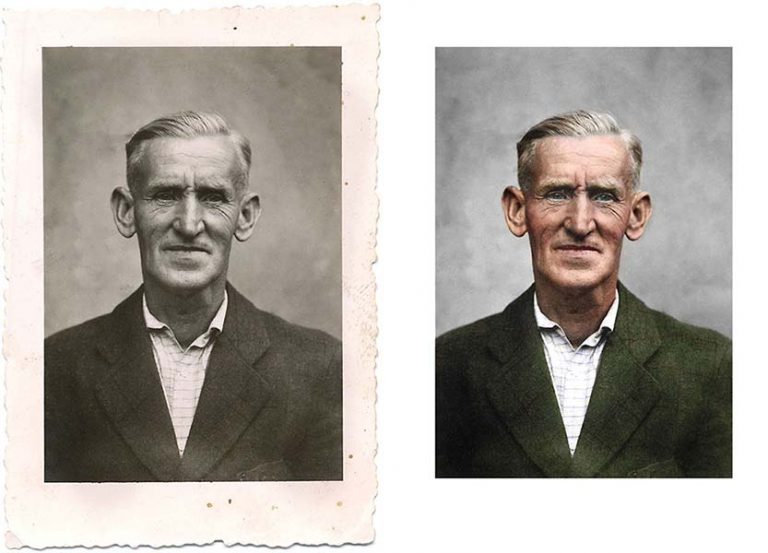
Credit: www.instarestoration.com
Early Color Experiments
The journey to color photography started long before it became common. Early inventors and scientists tried many ways to capture real colors on film. These attempts laid the foundation for the color photos we see today.
In the 19th century, inventors explored combining colors using different methods. The process was difficult and often produced unclear results. Yet, these early experiments showed that color photography was possible.
James Clerk Maxwell’s Three-color Method
In 1861, James Clerk Maxwell demonstrated the first color photo. He used three black-and-white photos taken through red, green, and blue filters. When projected together, they created a full-color image. This method proved that color could be made by mixing light.
The Autochrome Plate
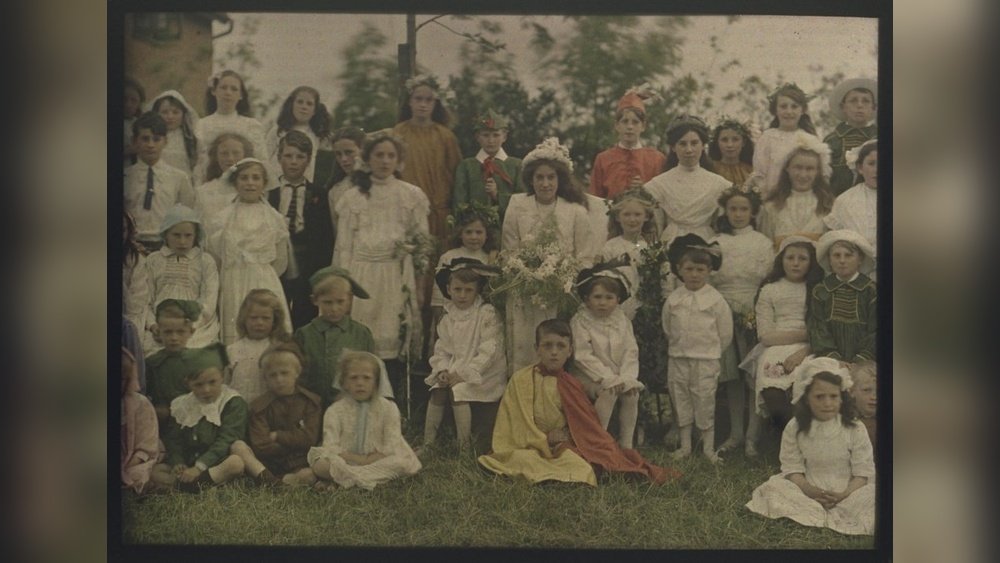
In 1907, the Lumière brothers introduced the Autochrome plate. It was the first practical color film for cameras. The plate used tiny dyed grains of starch to filter colors. This created soft, natural-looking color photos. Autochrome became popular for decades.
Early Color Film Challenges
Early color films faced many problems. They needed long exposure times and were expensive. Colors often faded quickly or looked unnatural. Despite this, inventors kept improving the technology. Their work helped pave the way for modern color photography.
First Permanent Color Photo
The first permanent color photo marked a big step in photography history. It changed how people captured and saw the world. Before this, photos were only in black and white or hand-colored after developing.
This breakthrough happened in the 19th century. Scientists worked hard to find ways to capture real colors on a photo permanently. Their success made color photography possible for the future.
Early Experiments In Color Photography
Scientists tried many ways to record color on photos. They used filters and chemicals to split light into colors. These early attempts were slow and complex.
One famous experiment was by James Clerk Maxwell. In 1861, he showed the first color photo using three black and white photos taken with red, green, and blue filters. This was not a permanent photo but a proof of concept.
The First Permanent Color Photograph
The first permanent color photograph was made by Louis Ducos du Hauron in 1877. He used a method called subtractive color mixing. This involved layering colors to create the final image.
Ducos du Hauron’s process produced a lasting color image, unlike earlier fleeting results. This photo showed a colored view of a landscape. It proved that stable color photos were possible.
Impact On Photography And Society
This invention opened doors for many improvements in photography. Color photos made images more lifelike and detailed. People could now see the world’s true colors in pictures.
The first permanent color photo inspired future inventors. It led to the development of commercial color films and cameras. Over time, color photography became popular and widespread.
Three-color Process Breakthrough
The three-color process marked a major step in color photography. This method used three primary colors—red, green, and blue—to capture images. It allowed photographers to produce more realistic and vibrant color photos.
Before this, color photos were often faded or unclear. The breakthrough came in the early 20th century. It made color photography more practical and accessible to many people.
How The Three-color Process Works
The process captures three separate images, each through a different color filter. These filters are red, green, and blue. The three images combine to create a full-color picture. This method mimics how human eyes see colors.
By mixing the three colors in the right way, the process recreates natural hues. It improved color accuracy compared to earlier attempts.
Early Inventors And Pioneers
Several inventors worked on the three-color process. James Clerk Maxwell first demonstrated the idea in 1861. His experiment used three black and white photos with color filters. Later, others improved the technique for practical use.
The Lumière brothers in France created Autochrome plates in 1907. These plates used dyed grains to record color. It was one of the first commercial color photography methods.
Impact On Photography And Film
The three-color process opened new creative possibilities. Color images became clearer and more vibrant. Film studios began using it for movies by the 1930s. This change helped color photography gain popularity worldwide.
It laid the foundation for modern color film and digital photography. The process is still important in understanding color technology today.
Autochrome Plates Introduction
The introduction of Autochrome plates marked a key moment in color photography. Invented by the Lumière brothers in France, Autochrome was the first widely used color photography process. It appeared in 1907 and brought color to photographs in a way that was practical for photographers of that time.
Autochrome plates used tiny grains of dyed starch spread over a glass plate. These grains acted like tiny color filters, allowing light to pass through and produce a color image. This method created soft, beautiful color tones that looked very natural.
Though Autochrome plates required longer exposure times than black and white film, they were a big step forward. Photographers could capture scenes with real colors, adding new life and emotion to their images.
How Autochrome Plates Worked
Autochrome plates had a layer of microscopic potato starch grains dyed red, green, and blue. These grains acted as tiny color filters. A black-and-white photographic emulsion coated the starch layer. When light passed through the grains, it created a color image on the plate after exposure and development.
Why Autochrome Was Important
Autochrome was the first practical color photography process for amateurs and professionals. It made color photos more accessible and popular. Before Autochrome, color photography was difficult and rare. Autochrome inspired future color film inventions.
Limitations Of Autochrome Plates
Autochrome plates needed long exposure times, limiting their use. They were also expensive and fragile. The color images were often soft and grainy. Despite these issues, Autochrome was a major breakthrough in early color photography.
Advancements In Color Film
Advancements in color film changed photography forever. Early color photos were rare and costly. Over time, new technology made color film more practical.
The development of color film allowed everyday people to capture life in vibrant hues. These innovations improved color accuracy and film usability. Below, we explore key milestones in color film history.
Early Color Photography Techniques
The first color photographs appeared in the late 1800s. These used complex methods, like the three-color process. Photographers combined red, green, and blue filters. The results were often blurry and expensive. This limited color photography to scientists and artists.
The Introduction Of Kodachrome Film
Kodachrome launched in 1935 and changed color photography. It used multilayered film with color dyes inside. Kodachrome produced rich, lasting colors and sharp images. This film became popular with professionals and hobbyists alike. It made color photos more accessible and reliable.
Improvements In Color Film Technology
After Kodachrome, many companies improved color film. Films became faster, capturing images in lower light. Color reproduction improved for natural and vivid tones. Films like Ektachrome allowed easier processing at local labs. These advances helped color photography spread worldwide.
The Rise Of Color Film In Everyday Life
By the 1950s and 1960s, color film became common. Families used it to preserve memories and special events. Color prints appeared in magazines and newspapers. This era marked a shift from black and white to color photography. Color film’s affordability and quality made it popular for all users.
Kodachrome’s Impact
Kodachrome changed how people saw color photography. It was one of the first successful color films. Released by Kodak in 1935, it made color photos clearer and brighter.
Before Kodachrome, color photos were rare and hard to make. Kodachrome brought color photography to more people. It helped photographers capture real-life moments vividly.
Introducing Vibrant Colors
Kodachrome gave photos rich and vibrant colors. It used a special dye-coupling process. This process made colors last longer without fading.
Photographers could now create images with true-to-life colors. This made color photography more popular in everyday use.
Changing Photojournalism
Kodachrome helped photojournalists tell stories with color. News and magazines began using color photos. Readers saw events in a new, more exciting way.
This film made photos feel more real. It influenced how people remembered history and news.
Impact On Art And Culture
Artists and filmmakers explored new ideas with Kodachrome. It inspired creative work using color. The film’s quality allowed detailed and expressive images.
Kodachrome shaped visual culture for decades. It became a tool for both professionals and hobbyists.
Color Photography In Media
Color photography first appeared in the early 1900s but became popular in the 1930s. Early methods were slow and expensive. By the 1970s, color photos became common in media and everyday life.
Early Use Of Color Photography In Print Media
Color photos first appeared in magazines in the early 1900s. They were rare and costly to produce. Magazines like National Geographic used color to show nature and cultures vividly. Readers were amazed by the lifelike images. This helped bring stories to life beyond black and white photos.
Color Film And Television
Color film started becoming popular in movies during the 1930s and 1940s. Studios used it for big-budget productions to attract audiences. Television slowly adopted color broadcasts in the 1950s. At first, few households had color TVs. By the 1970s, color TV became common, changing how people watched shows daily.
Impact On Advertising And Marketing
Color photography transformed advertising by making products look more appealing. Brands used vibrant images in print ads and billboards. This helped catch consumer attention quickly. Color made ads more memorable and effective. It became a key tool for marketers to boost sales and build brand identity.

Credit: www.scienceandmediamuseum.org.uk
Widespread Consumer Adoption
Color photography became available in the early 20th century. Yet, it took decades for most people to use it regularly. Widespread consumer adoption started much later.
The main reason was cost. Early color films and cameras were expensive. Many families chose black and white photos instead. The quality of early color photos was also not very good.
By the 1950s and 1960s, technology improved. Color film became more affordable and easier to use. This made color photography accessible to everyday consumers.
Affordable Color Film And Cameras
Kodak introduced Kodachrome in 1935. It was the first color film that gave bright, lasting images. Still, it was costly and used mostly by professionals.
In the 1960s, companies made cheaper color film for the public. Cameras with simple color film rolls became common. Families began taking color pictures at home.
Color Prints At Local Photo Shops
Photo labs started offering color prints at reasonable prices. This service grew in popularity after World War II. People could now easily get color photos developed.
Color prints let families keep vivid memories. Vacation pictures, birthdays, and holidays looked more real. This helped color photography grow fast.
Television And Media Influence
Color television became popular in the 1960s. It showed people how vibrant colors made images livelier. This increased interest in color photography.
Magazines and advertisements used color photos too. People wanted to capture life’s colors in their own pictures. This demand pushed the market further.
Digital Color Photography Emergence
Color photography first appeared in the early 1900s but became popular in the 1930s. Digital color photos emerged much later, growing widely in the 1990s and 2000s. This shift made capturing vibrant images easier and faster.
Digital color photography changed how people capture images. It made photography faster and easier. No need for film or chemicals. Pictures appeared instantly on screens.
This technology started growing in the 1980s. Early digital cameras were large and costly. Over time, prices dropped. More people could afford digital cameras.
By the 2000s, digital cameras became common. Smartphones with built-in cameras boosted popularity. Everyone could take color photos anytime, anywhere.
Early Digital Color Cameras
The first digital cameras used sensors to capture color. These sensors recorded light in red, green, and blue. The camera combined these colors to form a full image.
Early models had low resolution. Images were grainy and less sharp than film photos. Still, they showed the future of photography clearly.
Impact On Photography And Culture
Digital color photography changed photo sharing. People no longer waited days for prints. Photos could be shared instantly online.
This shift influenced social media and communication. Visual storytelling became easier and more popular. The way people remember events changed too.
Advancements In Image Quality
Sensor technology improved rapidly. Cameras started producing clearer, brighter photos. Color accuracy and detail also increased.
Today’s digital cameras rival traditional film quality. Professionals and hobbyists enjoy high-quality color images. Editing software allows easy photo enhancement.
Legacy And Modern Techniques
Color photography has a rich history that blends old and new methods. The legacy of early color photos laid the foundation for today’s vibrant images. Modern techniques build on these roots, improving color accuracy and ease of use.
Early color photography required complex processes and long exposure times. These methods were often expensive and limited to professionals. Today, digital technology makes color photography accessible to everyone. Cameras and smartphones capture vivid colors instantly.
Legacy Techniques In Color Photography
Early color photos used methods like the Autochrome process. This technique, invented in the early 1900s, used dyed grains of starch to create color images. Another method was the three-color separation process. It combined three black-and-white photos taken through red, green, and blue filters. These techniques were slow and costly but groundbreaking at the time.
Film photography also evolved with color films like Kodachrome in the 1930s. Kodachrome offered rich colors and better detail. It became popular for decades among professionals and hobbyists. These legacy techniques shaped how people viewed and captured color.
Modern Techniques In Color Photography
Digital cameras dominate modern color photography. They use sensors to capture red, green, and blue light electronically. This allows instant color images without film development. Image editing software helps enhance colors and correct mistakes.
Smartphones have made color photography part of everyday life. Their cameras use advanced algorithms to improve color balance and sharpness. Modern printers can produce high-quality color prints quickly. These advances continue to expand how people create and share photos.

Credit: www.nytimes.com
Frequently Asked Questions
When Did Color Photos Become Common?
Color photos became common in the 1970s after affordable color film and cameras reached the mass market.
Did Color Photos Exist In 1940?
Yes, color photos existed in 1940, but they were rare and expensive. Color photography became common only decades later.
Why Did Photographers Not Use Color Before 1970?
Photographers avoided color before 1970 due to high costs, complex processes, and low-quality color film technology. Black-and-white was cheaper and more reliable.
Was There Color Photography In 1960?
Yes, color photography existed in 1960. It became more accessible and popular during the 1950s and 1960s. Color film, like Kodachrome, was widely used by professionals and amateurs. However, black and white photography remained common due to cost and processing factors.
When Were The First Color Photos Invented?
The first color photos appeared in the 1860s using early experimental methods.
Who Invented The First Practical Color Photography Process?
The Lumière brothers invented the Autochrome process in 1907, a key early method.
When Did Color Photography Become Widely Available?
Color photography became widely available to consumers in the 1930s.
What Was The First Color Film Used By Photographers?
Kodachrome, introduced in 1935, was the first popular color film.
How Did Color Photos Change Photography In The 20th Century?
Color photos allowed more realistic and vivid image capturing than black and white.
When Did Color Photography Become Common For Everyday Use?
Color photos became common for everyday use in the 1970s.
Conclusion
Color photos began appearing in the late 1800s but became popular by the 1970s. Early methods were complex and costly. Over time, technology made color photography easier and more affordable. Today, color images capture life’s moments vividly and clearly. Understanding this history shows how far photography has come.
Color photos bring stories and memories to life in a way black and white never could.