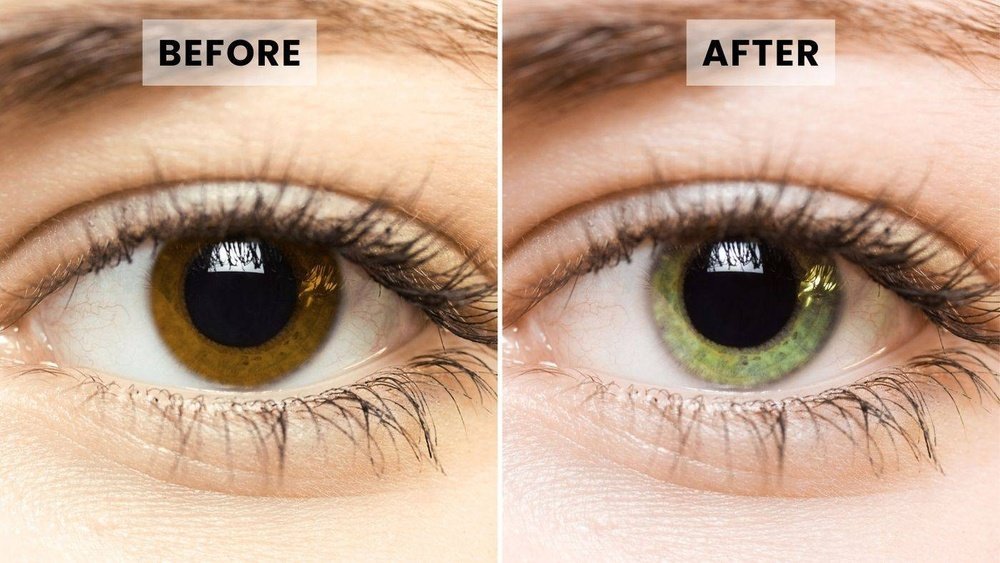
Have you ever wished you could change your eye color to make a bold statement or simply try a new look? Whether you’re curious about temporary tricks or permanent options, understanding how eye color works is key before you take any steps.
Your eyes are unique, and while genetics set the foundation, there are surprising ways to enhance or alter their appearance safely. You’ll discover the truth about changing your eye color—what’s possible, what’s risky, and how to make an informed choice that suits your style and health.
Keep reading to unlock the secrets behind those captivating eyes of yours!

Credit: www.youtube.com
Eye Color Basics
Eye color is a unique feature that defines how your eyes look. It depends on pigments in the iris, the colored part of the eye. Everyone’s eye color is different because of genetics and melanin levels.
Understanding the basics helps to know why eye color changes naturally are rare. Some factors may create an illusion of change, but the real color stays the same.
What Determines Eye Color?
Eye color depends mainly on melanin, a pigment in the iris. More melanin means darker eyes, like brown or black. Less melanin results in lighter colors, such as blue or green.
Genetics play a key role. Parents pass genes that decide melanin levels and eye color. This is why eye colors run in families.
Common Eye Colors
Brown is the most common eye color worldwide. It has the highest melanin amount. Blue and green eyes have less melanin, making them lighter.
Hazel eyes have a mix of colors. They can look green, brown, or gold depending on light. Gray eyes are rare and have very little melanin.
Why Does Eye Color Sometimes Appear To Change?
Lighting affects how eye color looks. Bright light can make eyes seem lighter. Dim light may make them look darker.
Pupil size also changes eye color appearance. When pupils dilate, the iris looks smaller, changing how we see the color.
Some health issues or injuries can cause real eye color change, but these are uncommon.
Why Eye Color Changes Appear
Eye color often looks different throughout the day. This happens even though the actual color does not change. Various factors affect how we see eye color. These factors play tricks with our perception. Understanding these reasons helps explain why eye color changes appear.
Lighting Effects
Light can change how eye color looks. Bright sunlight makes eyes look lighter or brighter. Indoor light or shadows can make eyes look darker. The angle and type of light affect eye color perception. Natural light often shows more detail in iris colors.
Pupil Dilation
The pupil size changes with emotions and light. When pupils get bigger, the iris shows less color. Small pupils reveal more of the iris, making colors look stronger. This change can make eyes appear to shift between shades. Pupil dilation can happen quickly, altering eye color look.
Clothing And Surroundings
Colors around you affect how your eyes seem. Wearing certain clothes can bring out different tones in your eyes. For example, blue clothes can make blue or green eyes pop. Background colors also influence eye color appearance. Eyes may look different near warm or cool colors.
Natural Eye Color Changes Over Time
Eye color can shift naturally throughout a person’s life. These changes happen slowly and are part of normal development. Understanding these natural shifts helps set realistic expectations about eye color change.
Infancy And Development
Babies often have lighter eye colors at birth. This is due to low melanin in the iris. Over the first year, melanin increases and eye color deepens. Blue or gray eyes may turn green, hazel, or brown. This change stabilizes by age three. Genetics play a key role in the final eye color.
Aging Effects
Eye color can subtly change with age. The iris may lose some pigment, making eyes appear lighter. This process is gradual and varies by individual. Some older adults notice a slight blue or gray tint. Medical conditions or medications can also affect eye color. Regular eye check-ups help monitor any sudden changes.
Medical Causes Of Eye Color Change
Eye color usually stays the same throughout life. Changes in eye color can happen, but they are rare. Some medical reasons can cause the iris to change its color. Understanding these causes is important for eye health. These changes may signal underlying problems that need medical attention.
Eye Conditions
Certain eye diseases can alter eye color. For example, pigmentary glaucoma increases pigment in the iris. This can make the eye look darker or uneven. Horner’s syndrome causes one eye to become lighter. Other conditions, like Fuchs’ heterochromic iridocyclitis, can also change iris color. These changes often come with symptoms like vision problems or eye pain.
Eye Trauma
Injury to the eye can cause color changes. A blow to the eye may cause bleeding inside the iris. This can make the eye appear red or brown in spots. Severe trauma can damage iris tissue, changing its color permanently. Sometimes, the pupil shape changes too. Trauma-related color changes require prompt medical evaluation.
Medication Effects
Some medications may change eye color as a side effect. Eye drops for glaucoma can darken the iris. Prolonged use of these drops may cause permanent color change. Certain drugs can also cause discoloration around the eyes. Patients should follow doctor instructions and report any eye color changes. Medication effects on eye color are rare but possible.
Safe Temporary Methods
Changing your eye color temporarily can be fun and safe. Temporary methods let you try new looks without risks. These options suit special occasions or daily style changes. The best part: they do not harm your eyes or body. Below are two popular safe temporary methods.
Colored Contact Lenses
Colored contact lenses are the most common way to change eye color. They come in many shades and designs. You can pick natural or bright colors. These lenses cover your iris to create a new color.
Always buy lenses from a trusted seller. Poor quality lenses can cause eye infections. Follow the instructions for cleaning and wearing them. Avoid sharing lenses with others.
Colored contacts are comfortable and easy to use. They last from one day to several months. Choose the type that suits your needs and lifestyle.
Scleral Lenses
Scleral lenses are larger than regular contact lenses. They cover not just the iris but also part of the white eye. This gives a dramatic change to eye color and appearance.
People use scleral lenses for special effects or costume looks. They come in bright colors and unique patterns. These lenses require careful fitting by an eye care professional.
Do not try scleral lenses without professional help. Improper use can cause discomfort or eye damage. When used correctly, scleral lenses are safe and striking.
Permanent Surgical Options
Permanent surgical options offer a way to change eye color permanently. These procedures alter the eye’s appearance at a structural level. They require professional medical expertise and carry risks. It is important to understand each option clearly before considering surgery.
Iris Implant Surgery
Iris implant surgery involves placing an artificial iris over your natural one. The implant changes the eye color by covering the original iris. This surgery was first created to treat eye injuries and diseases. Some people use it purely for cosmetic reasons.
The procedure takes about 30 minutes and uses local anesthesia. Risks include inflammation, infection, and vision problems. Not all eye doctors recommend this surgery due to possible complications. Careful consultation with an eye specialist is necessary.
Keratopigmentation
Keratopigmentation is a newer technique that tattoos the cornea to change eye color. A special pigment is applied to the eye’s surface, altering its color. This method can create natural-looking colors and patterns.
The surgery is less invasive than iris implants. It also carries risks like infection or pigment fading over time. This option suits people wanting subtle or unique eye colors. Always choose a skilled surgeon to minimize risks.
Risks Of Surgical Procedures
Changing your eye color through surgery may seem tempting. It offers a permanent change, but it is not without risks. Understanding these risks helps you make a safer choice. Eye surgery is delicate. The eyes are sensitive organs that require careful handling.
Many surgical methods exist, such as iris implant or laser procedures. Each carries potential complications. Some risks can cause serious damage to your vision or eye health. It is important to weigh these risks before deciding.
Risk Of Infection
Any surgery can cause infection. The eye is especially vulnerable. Infections can lead to redness, pain, and vision loss. Treatments may require antibiotics or further surgery. Infection risk is higher if the procedure is not done by a qualified surgeon.
Possible Vision Problems
Surgical eye color change may cause blurred vision or glare. Some patients report halos or difficulty seeing at night. These problems may be temporary or permanent. Damage to the cornea or retina can reduce vision quality. Vision loss is rare but possible.
Damage To Eye Structures
Eye surgery involves working near delicate tissues. The iris, cornea, and lens can be harmed. This damage may cause pain, inflammation, or other complications. In severe cases, it may lead to glaucoma or cataracts. These conditions need further treatment and can affect sight.
Long-term Health Concerns
Some effects of eye surgery show up months or years later. Scar tissue may form inside the eye. This can cause discomfort or vision changes. Implants may shift or cause chronic irritation. Long-term follow-up with an eye doctor is necessary after surgery.
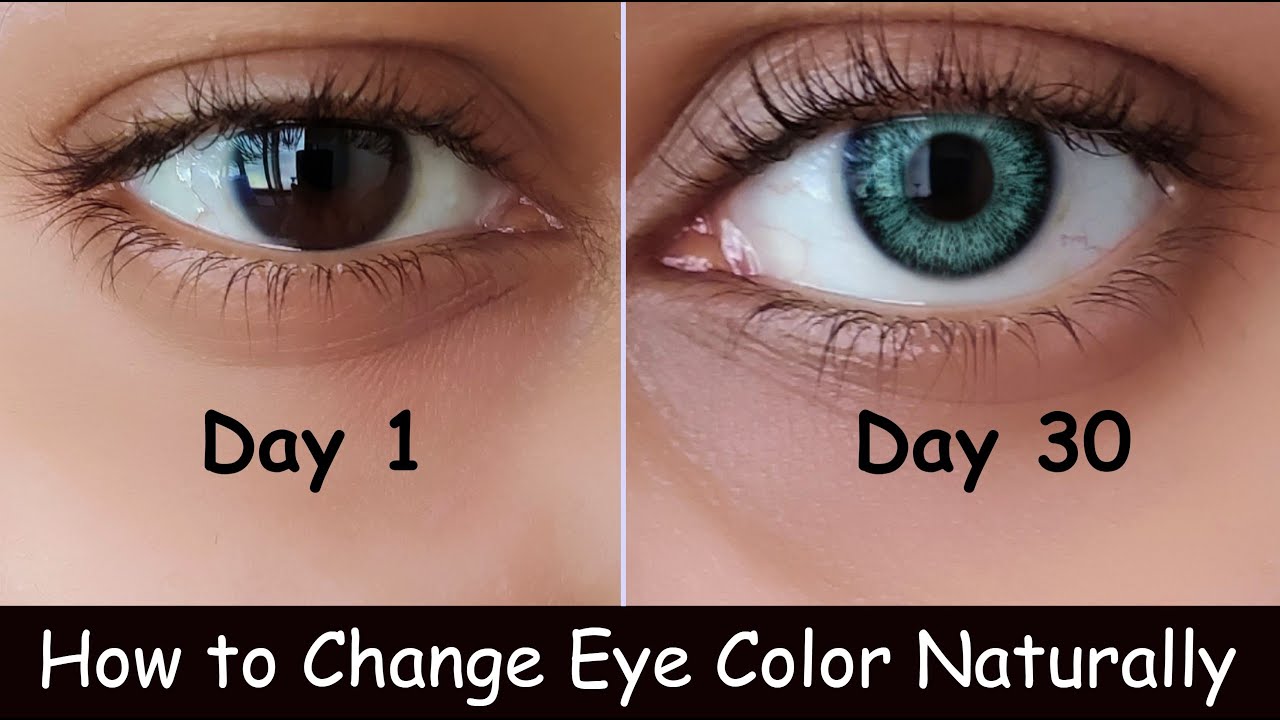
Credit: www.youtube.com
Non-surgical Enhancements
Non-surgical enhancements offer safe and easy ways to change your eye color’s appearance. These methods do not involve pain or recovery time. They help you experiment with new looks daily or for special occasions.
Using simple tools and techniques, you can make your eyes stand out. These options work well for those who want a temporary change. They also suit people who prefer to avoid surgery or colored contacts.
Makeup Tricks
Makeup can dramatically alter how your eye color looks. Using eyeshadows in complementary colors makes your eyes pop. For example, copper and bronze shades bring out green eyes.
Dark eyeliner adds contrast and sharpness to your eyes. Applying mascara lengthens your lashes, drawing attention to your eye color. Highlighting the inner corner brightens your eyes and makes them look larger.
Experimenting with different makeup styles changes your eye color’s tone. Matte and shimmer finishes create unique effects. Blending colors well enhances the natural beauty of your eyes.
Lighting Techniques
Lighting plays a big role in how your eye color appears. Natural sunlight can make eyes seem brighter and more vibrant. Soft, warm light enhances golden or hazel tones.
Using ring lights or LED panels can add a sparkle to your eyes on camera. Avoid harsh lighting that causes shadows or dullness. Position lights to catch the iris and reflect light back.
Changing your environment’s lighting changes the mood and eye color effect. Cool light makes blue eyes look deeper. Warm light brings out brown or amber shades.
Myths And Misconceptions
Many people want to change their eye color. Myths and misconceptions surround this topic. Understanding the facts helps avoid false hopes and risks.
Some believe eye color can change naturally or easily. Others trust unproven methods or products. Separating truth from fiction is important for safe choices.
Can Eye Color Change Naturally?
Eye color is mostly fixed by genetics. It depends on melanin in the iris. Natural changes are rare and subtle.
Lighting and pupil size can make eyes look different. These changes are only temporary illusions. True color does not shift on its own.
Do Eye Drops Change Eye Color Permanently?
Some eye drops claim to change eye color. Most are not approved or safe. They can cause irritation or damage.
No eye drops are proven to make permanent color changes. Using them without medical advice is risky.
Can Contact Lenses Change Your Eye Color?
Colored contact lenses offer a safe way to alter eye color. They only change appearance, not the real eye color.
Proper fitting and hygiene are key to avoid eye infections. Contacts are temporary and reversible.
Is Surgery A Safe Option To Change Eye Color?
Some surgeries promise permanent eye color change. These include iris implants or laser treatment. They carry serious risks.
Complications can lead to vision loss or eye damage. Surgery should only be done by specialists after full consultation.
When To Consult An Eye Specialist
Knowing when to consult an eye specialist is crucial for safe eye color change options. Eye color change methods can affect eye health. A professional can guide you through safe procedures. They ensure no damage to your vision or eyes.
Signs Of Eye Discomfort Or Pain
Any pain or discomfort during or after color change attempts needs expert attention. Redness, itching, or burning are warning signs. Persistent symptoms may signal infection or injury. Do not ignore these symptoms. Prompt consultation can prevent serious problems.
Before Undergoing Surgical Procedures
Consult an eye specialist before any surgery to change eye color. Procedures like iris implant or keratopigmentation carry risks. A specialist evaluates your eye health and suitability. They explain potential complications and outcomes. Professional advice helps make informed decisions.
After Using Colored Contact Lenses
Colored contact lenses can cause irritation or allergic reactions. If eyes become red, dry, or blurry, see a specialist. Improper use or poor lens hygiene increases risk of infection. Eye care professionals can recommend safe lens types and usage tips.
Changes In Vision Or Eye Appearance
Sudden vision changes or unusual eye appearance require immediate specialist consultation. Blurred vision, halos, or light sensitivity may occur. Changes in iris color without cause also need evaluation. Early diagnosis can treat underlying conditions effectively.

Credit: www.wikihow.com
Frequently Asked Questions
Can You Change Eye Color Naturally?
No, you cannot naturally or permanently change your eye color. Genetics and melanin determine eye color. Lighting, pupil size, or aging may cause temporary appearance changes.
What Is The Safest Way To Change Your Eye Color?
The safest way to change eye color is using FDA-approved colored contact lenses prescribed by an eye care professional. Avoid surgical or unapproved methods due to serious risks. Always consult an ophthalmologist before any eye color change procedure.
What Eye Color Is Most Attractive?
Brown eyes often rank as the most attractive due to their warmth and rarity in some populations. However, beauty is subjective, and all eye colors have unique appeal. Personal preference and cultural influences strongly shape perceptions of eye color attractiveness.
Is It Possible To Get Eye Color Changed?
Yes, eye color can change temporarily due to lighting or pupil size. Permanent change requires risky surgical procedures. Natural or safe permanent changes do not exist.
Can Eye Color Be Changed Naturally Without Surgery?
No, eye color cannot be changed naturally; it is determined by genetics and melanin.
What Are Safe Methods To Change Eye Color Temporarily?
Colored contact lenses are a safe, temporary way to change eye color.
Is It Possible To Change Eye Color Permanently With Surgery?
Yes, some surgeries claim permanent change, but they carry risks and are not widely recommended.
How Do Colored Contact Lenses Work To Change Eye Color?
Colored contacts cover the iris, changing its visible color without altering the eye itself.
Are There Risks Involved With Eye Color Changing Surgeries?
Yes, surgeries can cause infection, vision problems, and other serious eye health issues.
Can Lighting Affect How My Eye Color Looks?
Yes, lighting can make eyes appear lighter, darker, or shift in shade temporarily.
Conclusion
Changing your eye color is not simple or natural. Most changes you see are just illusions caused by light or surroundings. Permanent changes require medical procedures, which carry risks. Always research and consult a doctor before making decisions. Remember, your natural eye color is part of your unique identity.
Choose wisely and stay safe.