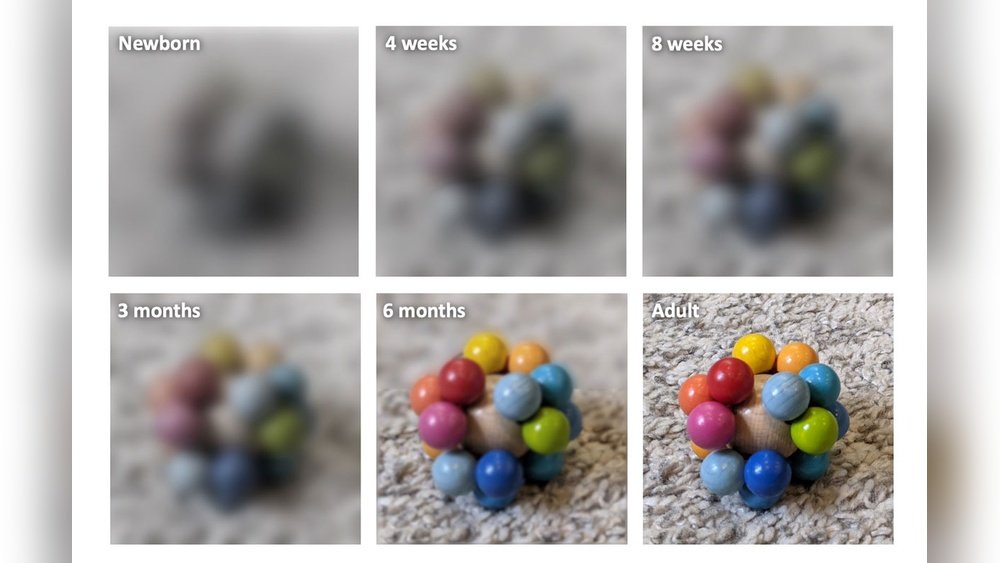
Have you ever wondered when your baby will start seeing the world in color? It’s an exciting milestone that marks a big step in your little one’s development.
Right now, your baby might only notice bold contrasts like black and white, but soon those bright reds and greens will begin to pop into focus. Understanding when and how your baby’s color vision unfolds can help you choose the best toys and surroundings to support their growth.
Keep reading to discover exactly when babies start to see colors, which shades catch their eye first, and what you can do to nurture their blossoming vision. This knowledge will not only deepen your connection but also make everyday moments even more magical.
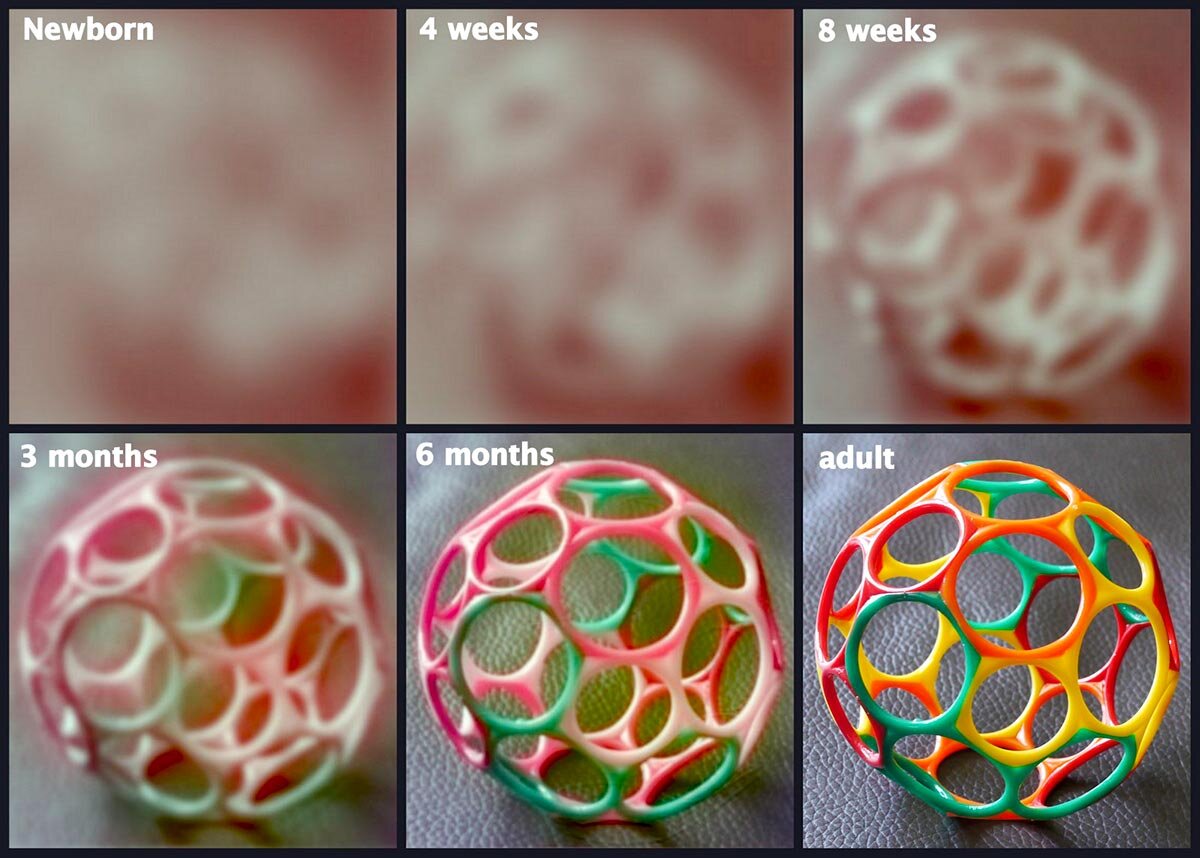
Credit: www.spectacleoptometry.com
Baby Vision At Birth
Babies come into the world with limited vision. Their eyesight is blurry and unfocused. They see mostly shapes and shadows rather than clear details.
Newborns can detect light and dark but struggle with colors. Their eyes and brain are still learning to process what they see. This slow start is normal and expected.
Dominant Colors: Red And Green
Newborns begin to notice bright colors, especially red and green. These colors stand out more to their eyes. They can tell these colors apart sooner than others.
These strong colors help babies focus and learn about the world. Parents can use toys or clothes in red and green to catch their baby’s attention.
Struggles With Similar Shades
Babies cannot tell the difference between colors that look alike. Pastel and soft colors are hard for them to see clearly. Their eyes have trouble separating these subtle shades.
This is because their color vision is still developing. It takes time for the brain and eyes to work together well.
Preference For High Contrast
Babies love high contrast patterns such as black and white. These patterns are easier for their eyes to see. Bright, bold colors also grab their attention quickly.
High contrast visuals help stimulate their vision. Parents can use black-and-white books or toys to support early sight development.
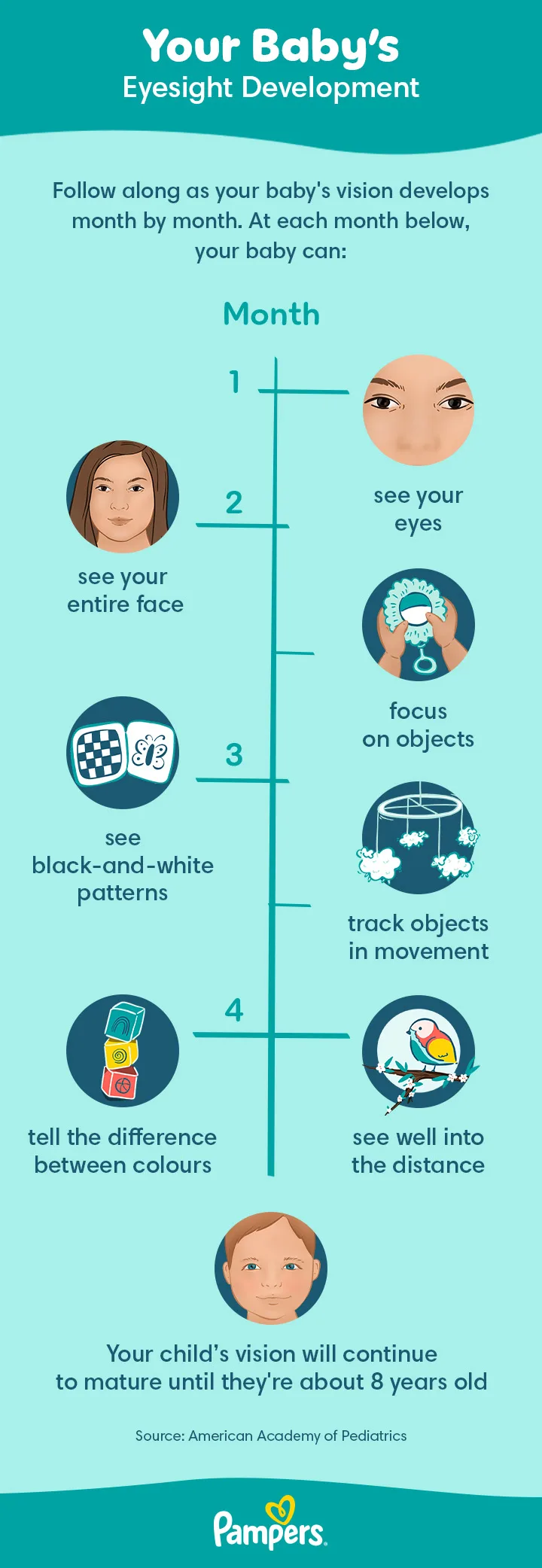
Credit: www.pampers.com
Early Color Perception
Babies do not see the world in full color at birth. Their eyes and brain are still developing. Colors appear muted and hard to tell apart. Bright colors, especially red and green, catch their attention first.
High contrast patterns like black and white are easier for babies to see. These patterns help their vision grow stronger. As their eyes improve, they start to notice more colors.
Dominant Colors
Red and green are among the first colors babies can distinguish. These colors stand out because they are bright and saturated. Babies often focus on these hues during their first weeks.
Struggles With Similar Shades
Babies cannot tell the difference between very similar colors or pastels yet. Shades like light pink and light purple look almost the same to them. Their color vision is not sharp enough to separate these hues.
Preference For High Contrast
Babies prefer high contrast images, such as black and white patterns. These visuals are easier for their developing eyes to see. Bright, bold colors also attract their attention more than soft tones.
What To Expect As They Grow
- Your baby will start to see more colors like blue and yellow.
- Color vision will become clearer and more detailed.
- They will be able to recognize a broader range of hues over time.
First Colors Babies See
Babies begin to see colors around 2 months old, starting with bright reds and greens. Their eyes prefer high-contrast patterns like black and white. Over time, color vision improves, allowing them to recognize more shades like blue and yellow.
Babies start to see colors soon after birth. At first, their vision is blurry and mostly in black and white. Gradually, they begin to notice bright colors.
Red and green are among the first colors babies can see clearly. These colors stand out because they are bright and bold. Babies tend to focus on red objects more than others.
Dominant Colors: Red And Green
Newborns respond well to red and green shades. These colors have strong signals that catch their attention quickly. Parents can use toys or clothes in these colors to engage their babies.
These colors help babies practice focusing their eyes. Seeing bright red or green helps their brain learn to process color differences.
Struggles With Similar Shades
Babies cannot tell apart colors that look very close to each other. Pastel colors and soft shades are hard for them to see. Their eyes and brain need more time to develop this skill.
This means babies might see light pink and light orange as the same color. They improve as their vision sharpens over weeks and months.
Preference For High Contrast
Babies love high contrast patterns, like black and white. These patterns are easier for them to see and understand. Bright, strong colors also attract their eyes.
High contrast helps babies focus better and learn about shapes. It supports early brain and eye development.
What To Expect As They Grow
After a few months, babies start to see more colors like blue and yellow. They become better at telling colors apart. Their color vision becomes more detailed.
By six months, most babies can see a broad range of colors. This helps them enjoy colorful toys and surroundings more fully.
High Contrast Preferences
Babies first notice strong contrasts like black and white patterns. Bright colors, especially red and green, become clearer as their vision develops. Early on, they struggle to see soft or similar shades.
Babies are naturally drawn to high contrast images. Their vision is not fully developed at birth. Newborns see best when objects have strong differences in color and brightness.
Black and white patterns catch their attention easily. These patterns help babies focus and learn to recognize shapes. Bright, clear colors like red and green also stand out to them.
Why Babies Prefer Black And White
Newborns’ eyes and brains are still maturing. They cannot see subtle shades or soft colors well. Black and white offers the greatest contrast, making details easier to spot.
This preference helps them practice focusing. It also supports early brain development linked to vision. High contrast images encourage babies to look longer and engage more.
Bright Colors And Early Color Vision
Babies start to notice bright colors like red and green first. These colors have strong wavelengths that are easier to detect. Soft pastels and similar shades appear blurry to them.
Over time, babies learn to tell colors apart better. Their ability to see a full range of colors grows with age and experience. Early exposure to bright colors supports this learning process.
How To Use High Contrast For Baby’s Growth
Provide toys and books with black and white designs. Add bright reds and greens to capture their gaze. Simple patterns help babies practice focusing and tracking.
High contrast visuals also soothe some babies by giving their eyes clear targets. This can reduce fussiness and help with calm moments. Use these tools regularly for best results.
Color Vision Development Timeline
Babies start to see colors gradually after birth. Their eyes and brain develop step by step. This process helps them recognize different colors over time.
At first, babies see mostly shades of gray. Then, they begin to notice bright colors. Their ability to see colors grows stronger as weeks pass.
Newborn Stage: Limited Color Perception
Newborns see only in black, white, and gray. They cannot distinguish colors yet. Their vision focuses on high-contrast shapes and patterns.
1 To 2 Months: Seeing Red And Green
At one month, babies start to see bright colors. Red and green are the easiest colors for them. Their eyes react more to these colors than to others.
3 To 4 Months: Adding Blue And Yellow
By three months, babies begin to see blue and yellow. Their brain starts to process more color information. This stage improves their color discrimination.
5 To 6 Months: Better Color Differentiation
Between five and six months, babies see colors more clearly. They can tell similar colors apart better. Their color vision is close to an adult’s.
Beyond 6 Months: Full Color Vision
After six months, babies enjoy a wide range of colors. Their vision includes bright and pastel shades. Color perception continues to improve with age.
Common Color Confusions
Babies start seeing colors gradually after birth, but they often confuse similar shades. Their vision is still developing, so some colors look alike to them. Understanding these common color confusions helps parents support their child’s visual growth.
At first, babies notice bright colors, especially red and green. These colors stand out more and are easier for infants to recognize. Yet, soft colors and pastels often blend together and seem the same to babies.
Babies also prefer high contrast visuals. Black and white patterns or bright, strong colors catch their attention better than muted tones. This preference shows how their eyes and brain work together to process images.
Dominant Colors: Red And Green
Newborns can spot red and green faster than other colors. These shades appear more vivid and clear in their early vision. Parents can use toys and clothes in these colors to engage babies visually.
Struggles With Similar Shades
Babies find it hard to tell apart colors that look alike. Light pink and light purple may seem identical. This confusion lasts until their color vision matures over months.
Preference For High Contrast
Strong black and white patterns attract babies more than soft colors. Their eyes react to sharp differences in light and dark. Bright, saturated colors also hold their gaze longer.
What To Expect As They Grow
As babies age, they begin to see more colors clearly. Blue and yellow become easier to distinguish. Their color vision expands, allowing them to enjoy a wider range of hues.
How Vision Matures Over Time
Babies’ vision changes a lot during their first months. Their ability to see color grows slowly. At first, they see mostly black, white, and gray. Over time, their eyes and brain learn to recognize colors better. This process is called the maturation of vision.
Understanding how vision matures helps parents know what to expect. Babies start with simple visual skills. These skills improve as their eyes develop and their brain processes more information. Let’s explore the stages of this development.
Early Vision: Seeing High Contrast
Newborns see mostly high contrast images. Black and white patterns catch their attention. Bright colors like red and green stand out next. Their eyes can detect these colors better than others. This stage helps babies focus and learn about shapes.
Developing Color Recognition
By 2 to 3 months, babies begin to see more colors. They start to notice blue and yellow. Their brain starts to tell colors apart more clearly. At this stage, they still find similar shades hard to distinguish. Bright and bold colors remain the easiest to see.
Improved Depth And Detail
Between 4 and 6 months, babies’ vision sharpens. They see finer details and more color shades. Depth perception improves, helping them judge distances. Their eyes and brain work better together. This growth supports crawling and reaching for objects.
Full Color Vision
By 6 months, many babies see colors close to adult levels. They can tell many hues apart. Their vision becomes clearer and more precise. This milestone helps them learn about their world. Colors become a big part of their daily experiences.

Credit: www.visionlearncenter.com
Tips To Stimulate Color Recognition
Helping babies recognize colors early supports their visual and cognitive development. Simple activities can boost their ability to see and differentiate hues. Bright, clear colors attract babies’ attention and encourage learning. Using varied methods makes color recognition fun and effective. Here are practical tips to stimulate your baby’s color awareness.
Use Bright And Bold Colors
Choose toys and books with bright red, green, and yellow shades. These colors are easier for babies to see first. High contrast between colors helps their eyes focus better. Present objects in solid, vivid colors to catch their interest. Avoid pale or pastel shades until their vision matures more.
Incorporate Black And White Patterns
Babies love high contrast visuals like black and white. Use striped or checkered patterns in blankets or cards. These patterns help sharpen their focus and stimulate eye movement. Alternating colors with black and white can improve their color discrimination. Display these patterns at a close distance for best effect.
Engage With Colorful Toys And Books
Offer toys with different colors and shapes. Books with bright illustrations attract their gaze and encourage reaching. Talk about the colors as you play or read to build word association. Rotate toys to keep their interest fresh and varied. Use soft textures along with colors to stimulate multiple senses.
Use Natural Light For Viewing
Bright natural light enhances color visibility for babies. Place play areas near windows during the day. Avoid harsh artificial lighting that can wash out colors. Natural light helps babies see true color tones clearly. Always supervise to protect your baby from direct sunlight exposure.
Repeat And Reinforce Color Names
Say color names clearly when showing objects. Repetition helps babies connect words with colors. Use simple phrases like “Look, red ball” or “Green leaf.” Speak slowly and with enthusiasm to keep their attention. This practice supports early language and visual learning together.
Signs Of Healthy Visual Growth
Healthy visual growth in babies shows clear signs as their eyes develop. Parents can observe these signs to understand how well their baby’s vision is progressing. Watching these milestones helps ensure that babies see the world in a vibrant and clear way. Early color recognition is part of this growth.
Babies begin to notice bright colors, especially red and green. Their eyes learn to focus better, and they show interest in colorful objects. These behaviors signal that their vision system works well and develops properly. Each step brings them closer to seeing the full range of colors.
Recognizing Bright Colors
Babies often respond to bright, bold colors first. Red and green stand out early in their color vision. These colors catch their attention more than pale or pastel shades. Watching how babies react to bright toys or clothes shows their ability to see colors clearly.
Preference For High Contrast Patterns
Newborns prefer high contrast, such as black and white patterns. These patterns are easier for them to see and understand. Bright, saturated colors also attract their gaze. This preference helps strengthen their eyesight and focus skills.
Tracking Moving Objects
Healthy vision includes the ability to follow moving objects with the eyes. Babies start tracking slow movements within the first few months. This skill shows their eyes and brain work together well. It also supports depth perception and color differentiation.
Improving Focus And Clarity
Babies gradually improve their focus on objects near and far. At first, they may see blurry shapes. Over time, their vision sharpens, and they notice details. Clear focus is a sign of good eye health and normal development.
When To See An Eye Specialist
Babies develop vision rapidly in their first year. Parents should watch for signs that need expert care. Regular checkups help detect issues early. Early treatment can prevent long-term problems.
Some babies may need an eye specialist sooner. Knowing when to seek help ensures your baby’s vision grows well. Here are key moments to consider a visit to an eye doctor.
Signs Of Vision Problems In Babies
Babies may show unusual eye movements or constant eye rubbing. Lack of eye contact or tracking objects can be a warning. If your baby often tilts their head or squints, it may signal trouble. These signs require prompt evaluation by a specialist.
Recommended Age For First Eye Exam
The American Academy of Pediatrics suggests the first eye exam by 6 months. Early screening helps find issues like cataracts or lazy eye. Regular exams continue at age 3 and before school starts. Routine checks support healthy vision development.
When Color Vision Seems Delayed
Babies usually start seeing colors by 3 to 4 months. If your baby does not respond to bright colors or high contrast patterns, consult a doctor. Delayed color vision might hint at vision disorders. An eye specialist can provide a detailed assessment.
Family History Of Eye Disorders
Parents with a history of eye problems should be extra cautious. Genetic conditions can affect your baby’s sight. Early testing helps catch inherited issues early. Share your family history with your pediatrician to guide timely referrals.
Frequently Asked Questions
What Colors Can My 2 Month Old See?
At 2 months, babies mainly see high-contrast colors like black, white, red, and green. They struggle to distinguish similar shades or pastels. Their vision will gradually improve to include more colors like blue and yellow. Bright, saturated colors and strong contrasts attract their attention most.
What Is The 5 8 5 Rule For Babies?
The 5-8-5 rule soothes crying babies by holding them close, walking steadily for 5 minutes, then laying them down gently. This calming method helps babies fall asleep quickly and works best for upset infants, not calm ones.
What Is The First Color A Baby Sees?
Newborns first see high-contrast colors like black and white. They begin to distinguish red and green shortly after birth.
When Do Babies Start Smiling?
Babies start smiling socially around 6 to 8 weeks old. Early smiles may appear as reflexes before then.
When Do Babies Start To See Colors Clearly?
Babies begin to see colors around 2 to 3 months old, starting with bright reds and greens.
Which Colors Do Babies Recognize First?
Red and green are usually the first colors babies can distinguish.
Can Newborns See All Colors At Birth?
Newborns see mostly black, white, and gray; color vision develops later.
Why Do Babies Prefer High-contrast Colors?
High-contrast colors like black and white are easier for babies to see early on.
When Do Babies See Colors Like Blue And Yellow?
By about 4 months, babies start to see and recognize blue and yellow shades.
How Does Baby Color Vision Develop Over Time?
Color vision improves gradually, with babies distinguishing more colors by 6 months.
Conclusion
Babies begin to see colors in their first few months. They notice bright reds and greens before other shades. Their vision grows clearer with time and practice. High contrast patterns catch their attention best early on. As babies develop, they recognize more colors like blue and yellow.
Watching this progress helps parents understand their child’s growth. Keep providing colorful toys and safe surroundings. This supports healthy visual and brain development. Patience and gentle interaction make a big difference. Each baby’s timeline can vary slightly, which is normal.
Enjoy these early moments of discovery together.