Are you curious about how to make the color red? Whether you’re mixing paints for an art project or exploring color theory, understanding how red works can unlock new creative possibilities for you.
You might think red is impossible to create by mixing other colors—but there’s more to the story. You’ll discover the secrets behind red’s unique place in color mixing, learn how printers produce red without using red ink, and find out how to create stunning shades of red by blending different hues.
Ready to dive in and add a powerful splash of red to your palette? Keep reading—you’re about to become a color-mixing pro!

Credit: drawlish.com
Primary Red In Painting
Primary red holds a special place in painting. It is one of the three main colors, known as primary colors. You cannot create pure red by mixing other colors. It is the base for many beautiful shades and tones.
Artists use primary red to build different reds by adding other colors. This color is bright and bold. It draws attention and adds energy to any artwork.
Why Primary Red Cannot Be Mixed
Primary red is a pure pigment. It does not come from mixing other colors. It is one of the foundation colors in the color wheel. Without primary red, many other colors could not exist.
Creating Shades From Primary Red
You can change primary red by adding other colors. Add yellow for a warmer, orange-red. Add blue for a cooler, violet-red. Add black to make dark reds like maroon. Add white to make light reds like pink.
Difference Between Painting And Printing Reds
In painting, red is a primary color. You use pure red paint directly. In printing, red is made by mixing magenta and yellow inks. This shows how color mixing works differently in various arts.
Creating Red In Printing
Creating red in printing differs from mixing colors in painting. Red is a primary color in painting but not in printing. Printing uses a color model called CMYK, which stands for cyan, magenta, yellow, and black. This method combines inks to produce various colors, including red.
In printing, red is made by mixing magenta and yellow inks. Magenta provides the pinkish base, while yellow adds brightness. Together, they form a vibrant red color. The balance between magenta and yellow affects the shade of red. More magenta creates a deeper red, while more yellow results in a lighter red tone.
Magenta And Yellow: The Building Blocks Of Red
Magenta and yellow are the key inks for making red in printing. These two colors mix to form a rich red hue. Printers adjust the amount of each ink to get the perfect shade. This process allows for many variations of red.
Adjusting Red Shades In Printing
Changing the ratio of magenta to yellow changes the red shade. More magenta creates a dark red. More yellow creates a bright red. This control helps match specific red tones needed for designs.
Why Red Is Different In Printing
Printing uses the CMYK model, which differs from painting’s RYB model. Red cannot be made by mixing other colors in painting. But in printing, red is a secondary color made from magenta and yellow. This difference is important for understanding color creation.
Why You Can’t Mix Pure Red
Red is a unique color in the world of color mixing. It cannot be created by mixing other colors. This is because red is a primary color. Primary colors are the base colors that cannot be made by combining other colors. Red holds a special place in both art and design due to this property.
In printing, red appears as a mix of magenta and yellow. But this red is not the pure red you see in paints. Paints follow a different color system. In painting, red is a starting point. You use it to create many other colors, not the other way around.
Understanding Primary Colors
Primary colors are red, blue, and yellow in painting. These colors cannot be made by mixing others. They are the foundation of all other colors. Red is one of these pure colors. You must buy red paint to have true red.
Why Printing Red Is Different
Printing uses cyan, magenta, yellow, and black inks. Magenta and yellow mix to make red. This red works for printing but is not pure red paint. This difference is important for artists and designers.
Creating Shades With Pure Red
You can create many shades from pure red. Add yellow for a warm, orange-red. Add blue for a cool, violet-red. Mix with black to get a dark red like maroon. Mix with white for light pink.
Limitations Of Mixing Colors For Red
No two colors mix to form pure red paint. This makes red unique. To use pure red, you must start with red pigment. Then you can mix it with other colors to get many shades.

Credit: smart.dhgate.com
Mixing For Warm Red Shades
Mixing warm red shades brings energy and brightness to your palette. Warm reds have a cozy, inviting feel. They lean towards orange, making them perfect for lively and vibrant designs.
To create warm reds, start with a pure red base. Then, add a little yellow to shift the tone towards warmth. This simple step changes the red to a rich, sunny shade.
Adding Yellow For Orange-red Tones
Mix a small amount of yellow into pure red. This creates an orange-red color. Adjust the amount of yellow to control the warmth. More yellow means a stronger orange tint.
Balancing Warmth Without Losing Red
Use yellow sparingly to keep the red color strong. Too much yellow can turn the red into orange. Mix slowly and test the color often.
Using Warm Reds In Art And Design
Warm reds work well for autumn themes and lively scenes. They add a sense of heat and passion. Try warm reds for backgrounds or highlights to attract attention.
Mixing For Cool Red Shades
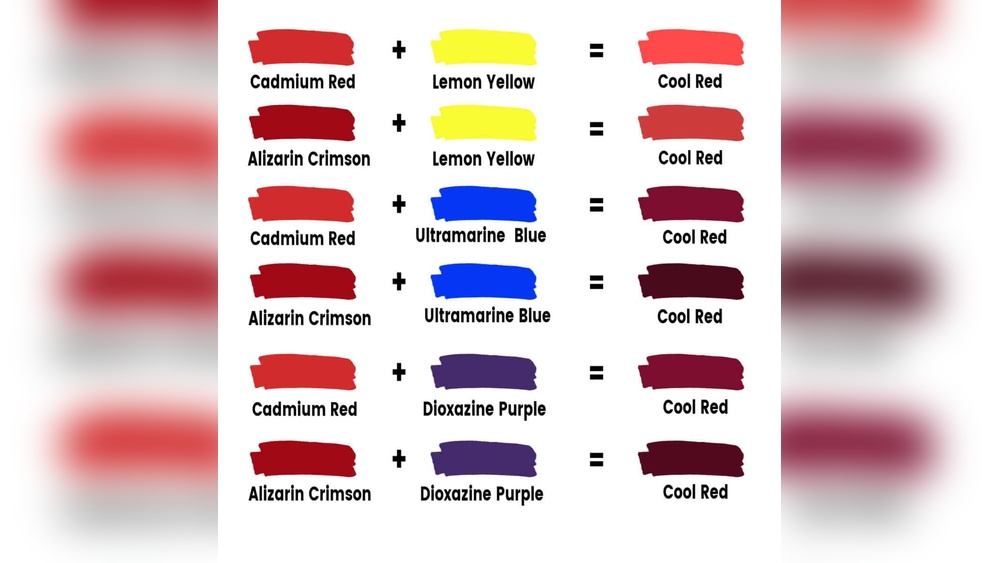
Creating cool red shades involves blending pure red with small amounts of blue. This mix shifts red toward a deeper, cooler tone without losing its brightness. Experiment with ratios to find the perfect cool red for your project.
Understanding Cool Red Shades
Cool red shades have a slight blue or violet tone. These reds feel calm and less intense. They work well in designs that need a softer touch.
Mixing cool reds requires starting with a pure red base. Then, add small amounts of blue or purple. This shifts the red toward cooler tones without losing its vibrancy.
Mixing Pure Red With Blue
Start with pure red paint on your palette. Add tiny drops of blue paint carefully. Mix gently to see the color change.
Adding too much blue can turn the red into purple. Use blue sparingly to keep the red dominant but cooler. Test the color on paper to check the shade.
Using Magenta To Achieve Cool Red
Magenta is a great choice to cool down red tones. Mix magenta with red for a deep, cool red shade. This mix gives a rich color with a hint of violet.
Magenta blends smoothly with red. It helps create cooler reds ideal for floral and fashion designs. Adjust the magenta amount for your preferred coolness.
Tips For Perfect Cool Red Shades
Always mix small amounts at first. It is easier to add more blue or magenta than to fix a color that is too cool.
Use a clean brush to avoid muddy colors. Mix thoroughly to see the true shade before adding more pigment.
Try testing your cool red on different backgrounds. Light or dark surfaces can change how the shade appears.
Darkening Red Tones
Darkening red tones allows you to create richer, deeper shades of red. These shades add depth and elegance to your artwork or design. Dark reds like maroon and burgundy bring a sophisticated look.
Darkening red is simple with the right color mixing techniques. You can adjust the tone by adding other colors carefully. This process enhances the visual appeal of your red hues.
Using Black To Darken Red
Adding a small amount of black paint to red will darken it effectively. Start with a little black to avoid overpowering the red. Mix slowly and test the shade as you go. This method creates deep reds like maroon and burgundy.
Mixing Dark Blue For Cooler Dark Reds
Mixing dark blue with red produces a cooler, darker red tone. This blend gives a subtle violet or plum shade. Use dark blue in small amounts to maintain red’s brightness. It’s perfect for creating shadowed red areas.
Adding Brown For Natural Dark Reds
Brown added to red creates warm, earthy dark reds. This mix is useful for natural and rustic color schemes. Start with a little brown and increase until you get the desired dark tone. It keeps the red warm and rich.
Lightening Red Tones
Lightening red tones means making the red color softer and brighter. This helps create pinks or pastel reds. Lightening red makes it easier to match different styles and moods in art or design.
You can lighten red by mixing it with lighter colors. This changes the red without losing its brightness. The process is simple and works well for painting, digital art, and crafts.
Using White To Lighten Red
Mixing red with white is the most common way to lighten it. White softens the red, creating shades of pink. Add white slowly to avoid losing the red’s strength. This mix is perfect for soft, gentle colors.
Adding Yellow For Warm Light Reds
Mix red with a small amount of yellow to lighten it warmly. This creates a peach or coral tone. The yellow brightens the red without making it pale. It is great for warm, sunny designs.
Using Light Pink Or Pastel Colors
Mix red with light pink or pastel colors to get soft reds. These colors already contain white, so the red lightens easily. This method gives smooth, delicate red tones for subtle effects.
Adjusting Lightness With Transparent Mediums
Adding transparent mediums like water or clear glaze lightens red tones in painting. It thins the red pigment, making it look lighter. This technique keeps the red vibrant but less intense.
Using Magenta And Yellow For Red
Using magenta and yellow to make red is common in printing and digital design. These colors combine to form vibrant red hues. Understanding how these colors work together helps in creating precise reds without using pure red pigments.
Magenta and yellow are part of the CMYK color model used in printing. Mixing these two inks in the right amounts produces different shades of red. This method is different from painting, where red is a primary color and cannot be made by mixing other colors.
How Magenta And Yellow Create Red
Magenta is a reddish-purple color. Yellow is a bright, warm color. When mixed, they produce a strong, pure red. The balance between magenta and yellow changes the red tone slightly. More magenta results in a deeper red. More yellow creates an orange-red shade.
Tips For Mixing Magenta And Yellow
Start with equal parts of magenta and yellow. Mix thoroughly to see the base red color. Adjust by adding small amounts of magenta for a cooler red. Add more yellow for a warmer red. Test your mix on a white surface to check the true color.
Using Magenta And Yellow In Digital Design
In digital art, magenta and yellow are used in the CMYK color system. Red appears when these two colors overlap. Designers adjust the percentage of each color to get the desired red. This technique helps in printing accurate reds on paper and materials.
Common Red Shade Variations
Red is a primary color and cannot be made by mixing other colors. However, many beautiful shades of red exist. These shades come from mixing pure red with other colors. Knowing common red shade variations helps artists and designers choose the right tone.
Each red shade has its own mood and use. Warm reds feel energetic and lively. Cool reds give a calm and deep feeling. Dark reds show richness and elegance. Light reds look soft and gentle.
Warm Red Shades
Warm reds have a touch of yellow. Adding yellow to red creates a bright, orange-red. This shade feels sunny and inviting. It works well in designs that want energy and happiness.
Cool Red Shades
Cool reds have a hint of blue. Mixing blue with red makes a violet-red. This shade feels calm and deep. It is perfect for a more serious or peaceful look.
Dark Red Shades
Dark reds come from mixing red with black. This creates maroon or burgundy tones. These shades look rich and elegant. They add depth and a sense of luxury to any project.
Light Red Shades
Light reds are made by mixing red with white. This creates pink and soft red tones. These shades feel gentle and tender. They are great for warm and friendly designs.
Tips For Vibrant Red Colors
Achieving vibrant red colors requires attention to detail and the right techniques. Pure red is a primary color and cannot be created by mixing other colors. Still, you can enhance red by blending it with other hues. This helps produce lively and rich shades of red for your art or design projects.
Understanding how to adjust red with simple mixes can boost your color skills. Small changes lead to different tones and moods. Use these tips to keep your reds bright and appealing.
Use High-quality Red Pigments
Start with bright, pure red pigments or paints. Cheap or old paints may look dull. Fresh, high-quality red gives better vibrancy. It also mixes more cleanly with other colors. This helps maintain brightness in your final shade.
Mix With Yellow For Warm Reds
Add a little yellow to red for a warm, orange-red tone. This mix brightens the red and makes it pop. Use small amounts to avoid overpowering the red. Warm reds look lively and rich, perfect for bold designs.
Mix With Blue For Cool Reds
Adding a touch of blue cools the red, creating a deeper, violet-red. This shade feels calm and elegant. Blue should be used sparingly, as too much can dull the red. Cool reds add variety and depth to your palette.
Lighten With White For Soft Reds
Mix red with white to make lighter pinkish tones. This softens the red and adds subtlety. Lightened reds work well for gentle or delicate designs. Be careful not to add too much white to keep the color vibrant.
Darken With Black For Rich Reds
Add black to red for darker shades like maroon or burgundy. These rich reds create a strong and dramatic effect. Use black in small amounts to avoid muddy colors. Dark reds add sophistication to your color choices.

Credit: www.color-meanings.com
Frequently Asked Questions
Which Two Colors Make Red?
Red is a primary color and cannot be made by mixing two colors. In printing, magenta and yellow combine to create red.
What Colors Make You Red?
You cannot mix colors to create pure red, as it is a primary color. Printers mix magenta and yellow to produce red. Painters start with pure red and add other colors to create shades or tints of red.
Do Yellow And Orange Make Red?
Yellow and orange do not make red. Red is a primary color and cannot be created by mixing other colors.
How To Make Basic Red Color?
You cannot make pure red by mixing colors because it is a primary color. In printing, mix magenta and yellow to create red. In painting, start with pure red paint and add yellow, blue, black, or white to create different red shades.
What Colors Mix To Create The Color Red?
Pure red is a primary color and cannot be made by mixing other colors.
Can You Make Red By Mixing Other Paint Colors?
No, red is a primary paint color and cannot be created by mixing paints.
How Do Printers Make The Color Red?
Printers mix magenta and yellow inks to produce the color red.
What Colors Create Different Shades Of Red?
Mix red with yellow for orange-red, blue for violet-red, black for dark red, white for pink.
Why Can’t Red Be Made By Mixing Colors In Painting?
Red is a primary color in painting, so it cannot be formed by mixing other colors.
How To Make A Warm Red Shade?
Add a small amount of yellow to pure red for a warm red tone.
Conclusion
Red is a primary color that you cannot create by mixing other paints. In printing, red comes from mixing magenta and yellow inks. To get different shades of red, add small amounts of yellow, blue, black, or white to pure red.
Experiment with these mixes to find your perfect red tone. Understanding these basics helps you use red confidently in your art or design projects. Keep practicing, and enjoy creating vibrant reds every time.