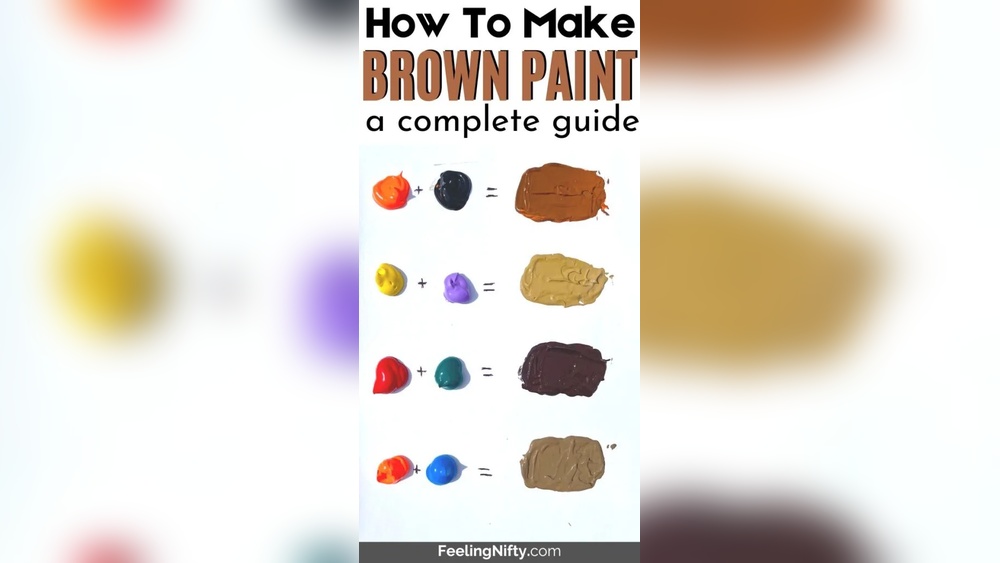
Are you wondering how to make the perfect shade of brown with paint? Whether you’re working on a craft project, painting a room, or creating a masterpiece, knowing how to mix brown paint can unlock a world of color possibilities.
You don’t need to buy brown paint every time—you can create it yourself using colors you probably already have. In this guide, you’ll discover simple steps and easy tricks to mix beautiful browns using primary and complementary colors. Ready to master the art of making brown?
Let’s dive in and bring your creative vision to life!
Primary Colors For Brown
Creating the color brown with paint starts with understanding the primary colors. Primary colors are red, yellow, and blue. These three colors cannot be made by mixing other colors. When combined in different ways, they form many colors, including brown.
Mixing all three primary colors together usually results in brown. The shade of brown depends on the amount of each color you use. More red can make the brown warmer. More blue can make it cooler. More yellow can make it lighter.
What Are Primary Colors?
Primary colors are the base of all other colors. Red, yellow, and blue are primary. They are pure colors that do not come from mixing others. Artists use these colors to create every shade needed in their artwork.
How To Mix Primary Colors To Make Brown
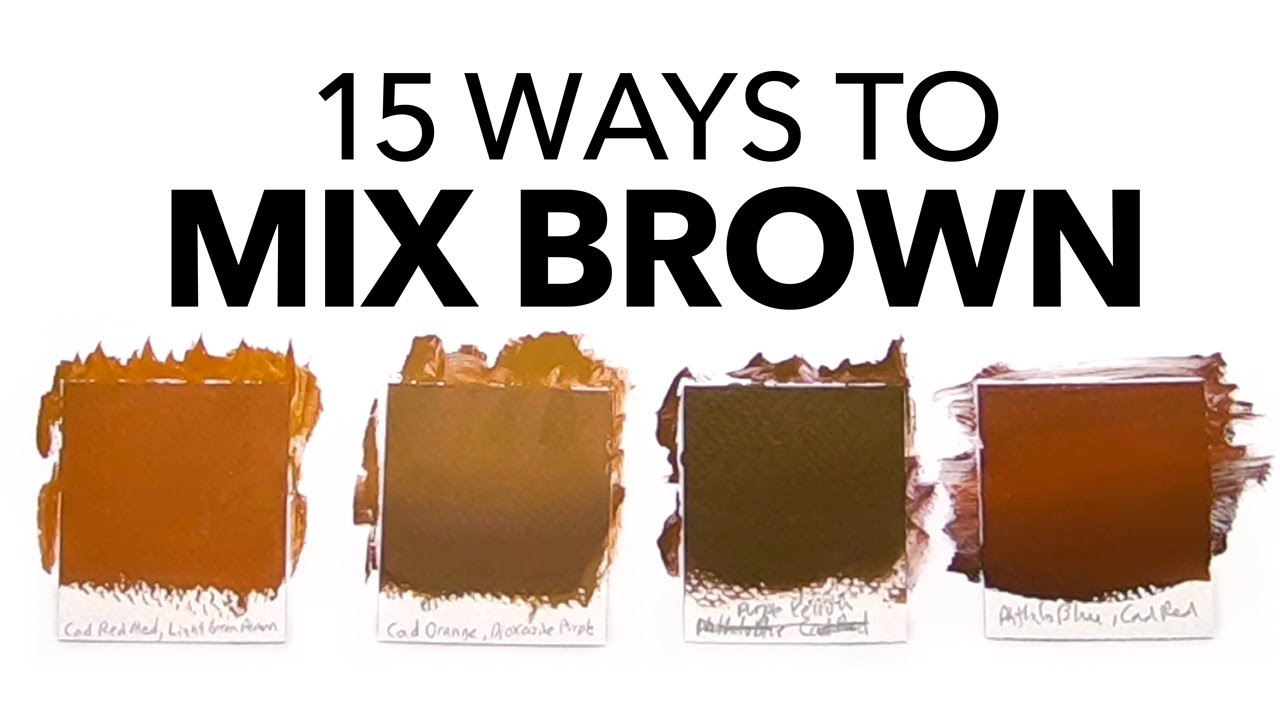
To make brown, mix red, yellow, and blue paint. Start with equal parts of each. Then adjust the amounts to change the tone. More red makes the brown rich and warm. Adding more blue cools the brown. Increasing yellow lightens the brown shade.
Tips For Using Primary Colors To Get Brown
Use small amounts of paint first. Mix colors slowly to control the brown shade. Keep a palette knife or brush ready to blend well. Clean your tools between mixes to avoid unwanted colors. Experiment with ratios to find your perfect brown.
Credit: www.youtube.com
Mixing Two Colors For Brown
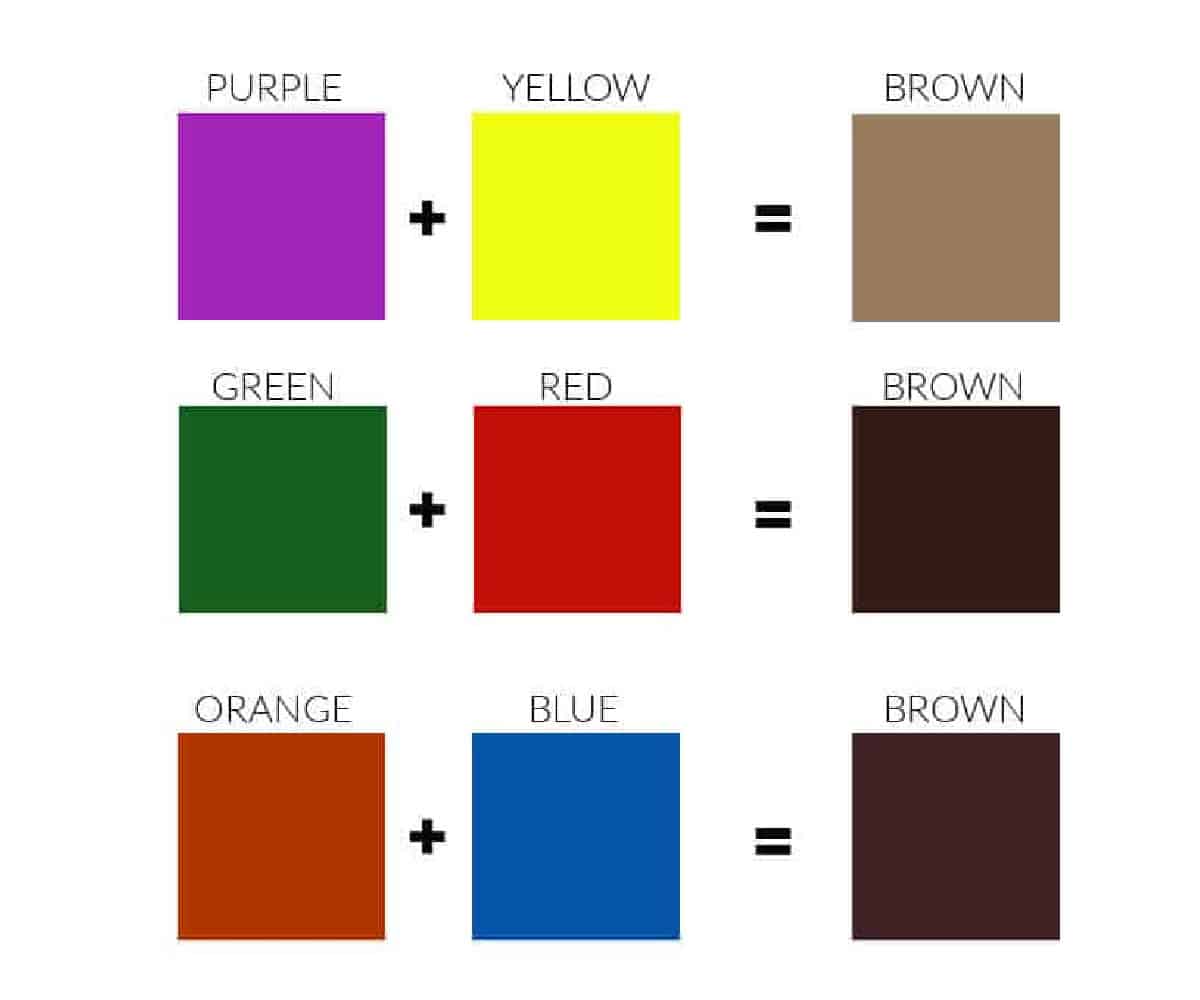
Making the color brown with paint often involves mixing two colors. Choosing the right pairs is key to achieving the shade of brown you want. Complementary colors on the color wheel combine well to create brown tones. These pairs include blue and orange, red and green, and yellow and violet. Each pair produces a unique shade of brown depending on the mix ratio. Experimenting with these combinations helps you find the perfect brown for your artwork.
Blue And Orange
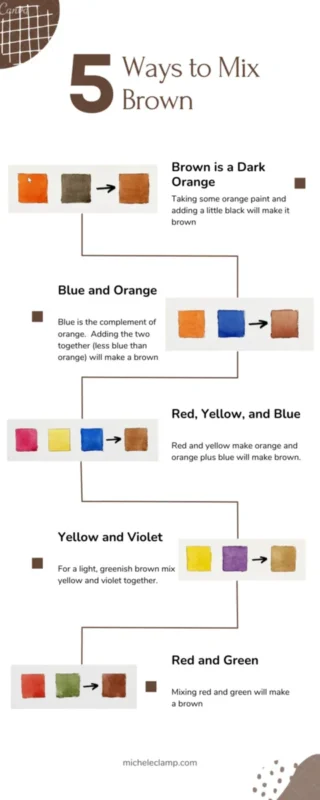
Blue and orange are opposite colors on the color wheel. Mixing them creates a brown with a greenish undertone. Adjust the amount of blue or orange to change the warmth of the brown. More blue makes the brown cooler. More orange adds warmth. This mix is useful for natural and earthy brown shades.
Red And Green
Red and green also form a complementary pair. Their mix produces a neutral brown shade. This brown tends to be balanced without strong color bias. Adding more red will give a reddish brown. More green shifts it towards olive brown. This combination is easy to control for different brown tones.
Yellow And Violet
Yellow and violet are another pair that creates brown. Mixing these colors often results in a warm brown with slight purple hints. Increasing yellow lightens the brown. Adding more violet deepens the shade. This mix works well for rich, muted brown colors in paintings.
Using Three Primary Colors
Using three primary colors is a simple way to create brown paint. The primary colors are red, yellow, and blue. When mixed in the right amounts, they produce various shades of brown. This method gives you control over the warmth and tone of the brown you create.
Choosing The Right Primary Colors
Start with pure red, yellow, and blue paints. These colors are the base for many mixtures. Use bright and clear primary colors for the best results. Different brands may have slightly different shades, so test your paints first.
Mixing The Colors To Make Brown
Mix equal parts of red and yellow to make orange. Then add a small amount of blue to the orange. Stir the paint well to see the brown color form. Adjust the amounts to change the shade. More blue makes the brown cooler, while more red makes it warmer.
Adjusting The Shade Of Brown
Add more yellow for a lighter, golden brown. Use more red for a richer, reddish brown. Add extra blue for a dark, muted brown. Mix little by little to avoid making the color too dark or dull. Test your mix on a palette before painting.
Credit: trembelingart.com
Starting With Orange Base
Starting with an orange base is a simple way to create brown paint. Orange already has a warm tone that blends well with other colors. It offers a strong foundation to adjust the shade of brown easily. This method works well for beginners and experienced painters alike.
Using orange as your base reduces the number of colors needed. You can mix small amounts of other colors into orange to reach the brown shade you want. This approach saves time and helps control the final color better.
Choosing The Right Orange Shade
Select a bright and clear orange for the base. Avoid orange that is too dark or dull. A vibrant orange makes mixing easier and results in a richer brown. If you only have a darker orange, lighten it by adding a bit of yellow or white.
Adding Blue To Create Brown
Blue is a perfect color to mix with orange. These two colors are opposites on the color wheel. Mixing them cancels out their brightness and creates brown. Add blue slowly while stirring to avoid making the color too dark or gray.
Adjusting Brown With Red And Yellow
Red and yellow can fine-tune the brown tone from the orange base. Adding a little red will make the brown warmer and deeper. Yellow lightens the brown and adds a golden touch. Mix small amounts and test the color often to get the right balance.
Adjusting Brown Shades
Adjusting brown shades allows you to customize the color to fit your painting needs. Brown can appear warm, cool, dark, or light. Small changes in the mix create different effects and moods. Knowing how to adjust brown makes your artwork more vibrant and realistic.
Adding Black For Darker Brown
To make brown darker, add a small amount of black paint. Mix it slowly to avoid making the color too dark. Black deepens the brown tone, giving it a richer look. This darker brown works well for shadows and depth in paintings. Always add black little by little and mix well to control the shade.
Adding White For Lighter Brown
Adding white paint lightens the brown, creating softer shades. This method is great for highlights and lighter areas. White changes the brown to a creamy, tan color. Use white sparingly because too much can wash out the brown. Mix white gradually until you reach the desired lightness.
Experimenting With Ratios
Experimenting with ratios is key to creating the perfect brown paint. Small changes in color amounts can lead to very different shades. Mixing paint is like cooking. You adjust ingredients until you get the flavor you want.
Try starting with equal parts of your chosen colors. Then, change one color slightly to see how the shade shifts. This helps you understand how each color affects the brown.
Adjusting Red, Yellow, And Blue Ratios
Mixing red, yellow, and blue creates many brown tones. More red adds warmth and richness. More yellow makes the brown lighter and softer. More blue cools the brown and gives it depth.
Testing Complementary Color Combinations
Pairs like blue and orange or red and green make brown quickly. Changing the ratio between these two colors shifts the shade. More orange or red creates warmer brown. More blue or green cools the brown down.
Using Small Amounts For Fine Tuning
Add colors little by little. A drop or two can change the brown a lot. Mix well and check the color in natural light. This helps find the exact shade you want.
Creating Warm Browns
Creating warm browns adds richness and depth to your artwork. Warm browns feel cozy and inviting. They work well for natural scenes and portraits. These shades have red, orange, or yellow undertones. Mixing paint to get warm browns is simple with the right colors.
Using Red And Yellow For Warm Brown
Start by mixing red and yellow paint. This mix gives you a bright orange base. Add a small amount of blue to this orange. The blue will darken the color, turning it into a warm brown. Adjust the red or yellow to make the brown warmer or cooler.
Adding Orange To Deepen Warmth
Mix orange with a little blue paint. The orange keeps the brown warm and lively. Adding more orange makes the brown richer. Use this mix for wood textures or autumn leaves. It creates a natural, warm feeling.
Balancing With A Touch Of White
Add white paint carefully to lighten your warm brown. This softens the color without losing warmth. White makes the brown easier to use in highlights. Use it to create a gentle, warm glow in your painting.
Creating Cool Browns
Creating cool browns adds depth and freshness to your artwork. Cool browns have a subtle blue or green tone. They feel calm and natural. These browns work well for shadows and backgrounds.
Mixing cool browns requires careful color choices. Using the right colors helps you avoid warm, orange tones. Let’s explore easy ways to make cool browns with paint.
Use Blue To Cool Down Warm Browns
Start with a warm brown by mixing red, yellow, and blue. Add a small amount of blue paint slowly. Blue tones lower the warmth, creating a cooler shade. Add blue little by little. Check the color often to avoid turning it gray.
Mix Complementary Colors For Balanced Cool Browns
Complementary colors sit opposite each other on the color wheel. Mix blue and orange for a cool brown with a greenish tint. Combine red and green to get a neutral, cool brown. Yellow and violet also create a cool brown but may be muddy. Adjust the amounts to find the right balance.
Add Green For Earthy Cool Browns
Green helps cool the brown and adds an earthy feel. Mix green paint with small amounts of red and yellow. This blend makes a muted brown with a fresh tone. Use this color for natural elements like trees and grass shadows.
Common Mistakes To Avoid
Making brown paint can be simple, but some errors can spoil the color. Avoiding these mistakes helps create the perfect brown every time. Understanding what not to do saves time and paint.
Using Only Two Primary Colors
Mixing just two primary colors often results in a dull or muddy brown. Brown usually needs all three primary colors in the right amounts. Without the third color, the brown can look flat or off-tone.
Adding Too Much Black
Black paint darkens the mix but can make brown look harsh or gray. It reduces vibrancy and makes the color less natural. Use black sparingly or avoid it for a warmer brown shade.
Ignoring Color Ratios
The amount of each color affects the shade of brown. Too much red creates a reddish brown, while too much blue gives a cool tone. Measure colors carefully for the desired brown.
Not Mixing Paint Thoroughly
Incomplete mixing causes uneven color patches in the paint. Stir colors well until smooth and uniform. This ensures a consistent brown throughout your painting.
Using Low-quality Paints
Cheap paints may lack pigment or have impurities. The brown may appear dull or change after drying. Choose good quality paints for richer, lasting brown colors.
Tips For Consistent Results
Achieving consistent brown paint color can be tricky without helpful tips. Small changes in color amounts affect the final shade. Careful mixing and measurement help keep your brown shade steady every time. Follow these tips for reliable and repeatable results in your painting projects.
Use Precise Color Ratios
Measure your paint colors carefully. Use a palette knife or small scoop for accuracy. Keep notes of the exact amounts used. This helps recreate the same brown shade later. Avoid guessing or freehand mixing to reduce color variations.
Mix Thoroughly
Blend your paints well until smooth. Uneven mixing causes streaks and color spots. Stir slowly in circles to combine colors fully. Proper mixing ensures a uniform brown tone across your paint.
Test On Scrap Material
Always test your brown mix on a scrap surface. Let it dry to see the true color. Paint may look different when wet. Adjust your mix as needed before applying to your final work.
Use Quality Paints
Choose good-quality paints for consistent color. Low-quality paints often contain fillers affecting color depth. Better paints provide richer pigments and smoother blending. This improves the consistency of your brown paint.
Store Mixed Paint Properly
Keep leftover brown paint in airtight containers. Exposure to air can change paint color over time. Label containers with the mix recipe and date. Proper storage maintains the paint’s original shade for future use.
Credit: micheleclamp.com
Frequently Asked Questions
Which Two Colors Make Brown?
Brown forms by mixing two complementary colors: blue and orange, red and green, or yellow and violet. Adjusting ratios creates different brown shades.
How To Make A Brown Color With Paint?
Mix brown paint by mixing the three primary colors: red, yellow, and blue. Adjust ratios for desired shade. Alternatively, mix complementary colors like blue and orange, red and green, or yellow and violet. Add black to darken or white to lighten the brown.
Can You Mix All Colors To Make Brown?
You can mix all colors, but using complementary pairs or primary colors yields better brown shades. Adjust ratios for desired tone.
Do Orange And Black Make Brown?
Mixing orange and black paint creates a dark brown shade. Adjust the amount of black to control the brown’s darkness.
What Colors Mix To Make Brown Paint?
Brown paint forms by mixing complementary colors like blue and orange, red and green, or yellow and violet.
How Do I Make Different Shades Of Brown Paint?
Adjust the amount of each color mixed; more red creates warm brown, more blue makes cooler brown.
Can I Make Brown Paint Using Only Primary Colors?
Yes, mixing red, yellow, and blue in varying amounts produces different brown tones.
Why Does Mixing Colors Sometimes Not Create Brown?
Wrong color ratios or using non-complementary colors can result in muddy or unexpected shades.
How To Lighten Or Darken Brown Paint Easily?
Add white paint to lighten brown and black or dark blue to darken it.
What Is The Best Way To Mix Brown Paint Smoothly?
Mix colors gradually in small amounts and stir well to get an even brown tone.
Conclusion
Creating brown paint is simple once you know the basics. Mix primary colors like red, yellow, and blue in different amounts. Try combining complementary colors such as blue and orange or red and green for unique browns. Experiment with ratios to find the shade you want.
Practice helps you see how colors blend and change. Now, you can make many brown tones for your paintings easily. Enjoy mixing and painting with your new color skills!