Have you ever wondered how deer really see the world around them? If you’re curious whether deer can see color—and what that means for you, whether you’re a hunter, wildlife enthusiast, or just someone fascinated by nature—you’re in the right place.
Understanding a deer’s vision can completely change how you approach your time outdoors. Imagine knowing which colors catch their eye and which ones don’t even register. This knowledge can help you stay hidden or simply appreciate these animals in a whole new light.
Keep reading to discover the surprising truth about deer color vision and what it means for your next encounter with these graceful creatures.
Deer Color Vision Basics
Deer see colors differently than humans. Their eyes are designed to help them survive in the wild. Understanding how deer see color helps explain their behavior. It also helps hunters choose the right gear.
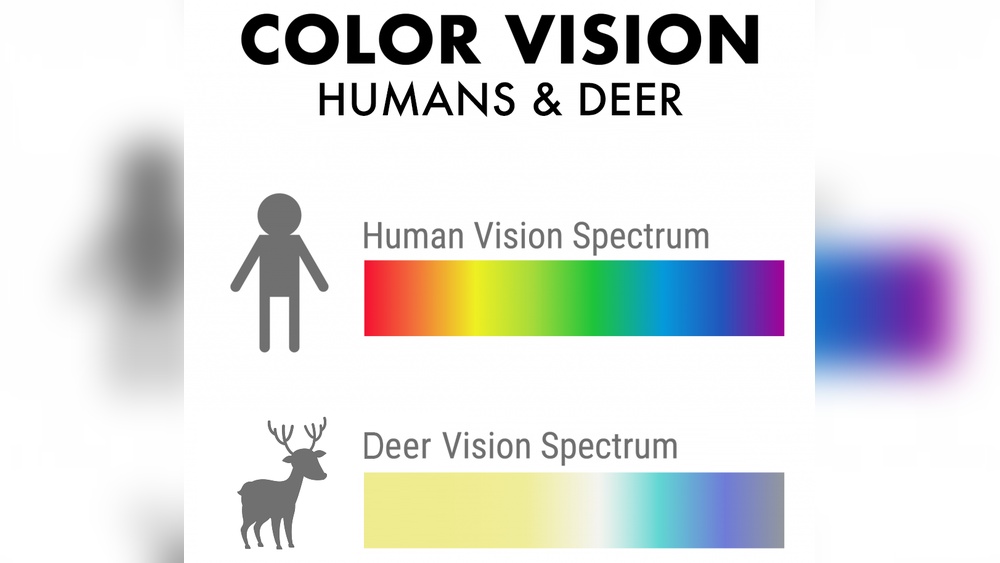
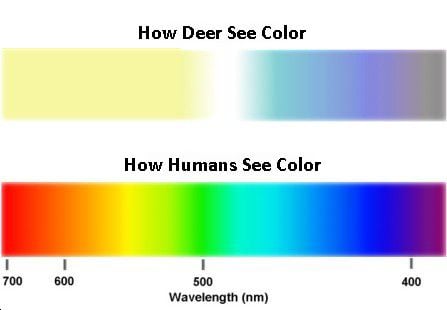
Deer have a type of color vision called dichromatic vision. This means they see mainly two colors well. Their vision is like a red-green colorblind human. They see blues and yellows better than other colors.
Dichromatic Vision Explained
Dichromatic vision means two types of color receptors in the eye. Deer have receptors for blue and yellow light. They lack receptors for red and green. This limits their color range compared to humans.
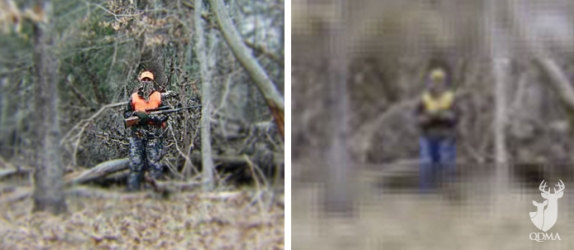
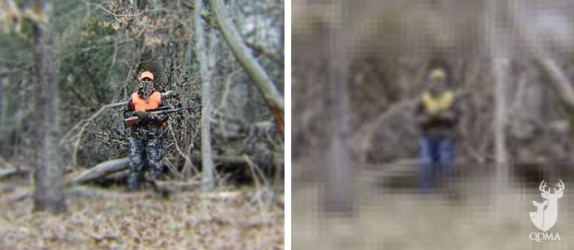
Because of this, colors like red and orange look dull or dark to deer. They cannot see these colors clearly. This helps explain why deer react less to bright orange clothing.
- Blue: Deer see blue shades very well. Blue is easier for them to spot, especially at dawn or dusk.
- Yellow: Yellow is another color deer can detect clearly. It helps them find food and spot danger.
- Green: Deer see some green, but not as vividly as blue or yellow.
- Ultraviolet Light: Deer eyes let in ultraviolet light, which humans cannot see. This helps them detect things humans miss.
Colors Deer See Poorly
- Red, Orange, Pink: These colors appear dark or muted to deer. They have trouble distinguishing these shades.
- This is why hunters wear bright orange. It looks bright to humans but less visible to deer.
Why Deer See Better In Low Light
Deer eyes have many rods, cells that detect light. These rods help them see well in dim light. This is useful during dawn and dusk when deer are most active.
Their eyes also reflect light, improving night vision. This makes deer very alert to movement even in low light conditions.
Dichromatic Sight Explained
Deer have a unique way of seeing the world. Their vision is known as dichromatic sight. This means they see colors differently than humans do. Understanding dichromatic sight helps explain how deer perceive their environment.
Humans have trichromatic vision, with three types of color receptors. Deer, on the other hand, have only two types. This limits the range of colors they can see clearly. Their sight focuses mainly on blues and yellows.
Dichromatic Vision Basics
Dichromatic animals have two color receptors called cones. Deer have cones sensitive to blue and yellow light. This allows them to detect certain colors well, but not all. Colors like red and orange appear dull or dark to them.
How Deer See Colors
Deer see blue shades very well, especially in low light. Yellow is also clear to them. Green colors are less distinct but still visible. They can even see ultraviolet light, which humans cannot.
Colors Deer Struggle To See
Red, orange, and pink colors are hard for deer to detect. These colors look muted or almost black to their eyes. This affects how they react to hunters wearing bright orange gear.
Benefits Of Dichromatic Sight
Dichromatic vision helps deer in their natural habitats. It enhances their ability to spot predators and forage in low light. Their eyes have many rods that improve night vision. This makes their sight well-suited for dawn and dusk activity.
Colors Deer See Best
Deer do not see colors the same way humans do. Their vision is different because they have fewer types of color receptors in their eyes. They see best in the blue and yellow parts of the color spectrum. This helps them spot predators and food, especially when light is low.
Deer have what is called dichromatic vision. This means they see mainly two colors well: blue and yellow. Colors like red, orange, and pink look dull or dark to them. Understanding which colors deer see best can help hunters and wildlife watchers.
Blue
Deer see blue colors very clearly. They can detect many shades of blue. This ability helps them see well during dawn and dusk. Blue stands out to deer even in dim light. This makes blue one of their strongest color signals.
Yellow
Yellow is another color deer see well. They can easily spot yellow shades in their surroundings. Yellow can help deer find food and notice other deer. This color is bright and clear to their eyes.
Green
Deer can see some green colors, but not as well as blue or yellow. Green may appear less bright to them. This is because green lies between blue and yellow in the spectrum. Deer can still use green to recognize plants and leaves.
Ultraviolet Light
Deer can see ultraviolet light, which humans cannot. Their eyes lack a filter that blocks UV rays. This helps them see patterns on plants and animals that are invisible to us. UV vision gives deer an advantage in nature.
Credit: deerassociation.com
Colors That Appear Faded
Deer do not see all colors the way humans do. Some colors look faded or dull to them. This happens because their eyes work differently. They have dichromatic vision, which limits the colors they can detect clearly. Understanding which colors appear faded helps explain how deer perceive their surroundings.
Red And Orange Shades
Red and orange colors look very dull to deer. These colors appear almost like a dark gray or black. Deer cannot see the bright tones humans do. This is why hunters wear bright orange. Deer see it as less bright, making it safer for people without alerting the animals.
Pink And Purple Hues
Pink and purple also appear faded to deer. These colors fall outside their main visible spectrum. Pink may seem like a faint gray, while purple can look like a dull blue. Deer struggle to distinguish these colors clearly in the wild.
Bright Greens And Browns
Deer see some greens, but these colors are not vivid. Bright green can look washed out or muted. Browns blend well with the environment for deer. These colors do not stand out sharply, helping deer stay hidden from predators and humans.
Ultraviolet Vision In Deer
Deer see colors mainly in blue and yellow shades, but not reds or oranges. Their eyes can detect ultraviolet light, helping them spot things humans can’t. This unique vision aids them in low light and natural environments.
Deer see the world differently than humans. Their eyes can detect ultraviolet (UV) light. This ability helps them in many ways.
Unlike humans, deer lack a UV filter in their eyes. This means UV light passes through their lenses and reaches their retinas. They can see colors humans cannot, especially in the UV spectrum.
How Uv Vision Helps Deer
UV vision allows deer to spot things hidden to us. For example, urine and other markings reflect UV light. These marks help deer communicate and find territory boundaries.
Plants also reflect UV light differently. Deer use this to find fresh, healthy food. It gives them an advantage in locating good nutrition in the forest.
Uv Vision And Predator Detection
Deer can detect predators better thanks to UV vision. Some predators’ fur reflects UV light, making them easier to spot. This improves the deer’s chance to escape danger quickly.
Impact Of Uv Vision On Deer Behavior
Ultraviolet vision influences how deer behave and interact. They rely on it during dawn and dusk when light is low. It helps them stay alert and navigate through their environment safely.
Credit: deerassociation.com
Low Light Vision Advantages
Deer have excellent vision in low light conditions. Their eyes adapt well to dawn and dusk. This helps them stay alert and safe from predators. Low light vision is crucial for their survival. It allows them to see movement and shapes clearly, even with little light.
Their eyes have special features that improve night vision. These features make their sight sharper when light is scarce. Let’s explore two key advantages of their low light vision.
High Rod Density
Deer eyes contain many rod cells. Rods detect light and movement in dark settings. More rods mean better vision at night. Deer rely on rods to spot predators early. This high rod density gives them an edge in dim light. It helps them see outlines and shadows clearly.
Wide Pupil Function
Deer pupils can open very wide. A wide pupil lets in more light. This improves their vision in low light. It helps deer see better during dawn and dusk. Their pupils adjust quickly to changing light. This quick adjustment keeps their vision sharp.
Impact On Hunting Apparel
Understanding how deer see color greatly affects the choice of hunting apparel. Deer have dichromatic vision, which means they see mainly in blue and yellow shades. Colors like red and orange look dull or nearly black to them. This fact is important for hunters when selecting clothes that do not alert the deer.
Hunting apparel must blend with the environment and not stand out in the eyes of deer. Choosing the right colors can help hunters stay hidden and increase their chances of success. Apparel designed with deer vision in mind focuses on colors that appear natural or less noticeable to deer.
Use Of Blaze Orange In Hunting Gear
Blaze orange is common in hunting clothes for safety reasons. Deer see this color as dark or black, so it does not scare them away. Humans can see blaze orange clearly, helping hunters stay visible to others.
This balance between hunter safety and deer camouflage makes blaze orange a smart choice. It keeps hunters safe without alarming the deer.
Camouflage Patterns And Deer Vision
Camouflage patterns use colors that match the natural habitat. Designs often include blues, yellows, and greens that deer see well. Patterns avoid bright reds or oranges since deer see these colors as dark.
These patterns help hunters blend into their surroundings. The goal is to look like part of the environment from the deer’s view.
Choosing Apparel For Low Light Conditions
Deer see blues better in low light such as dawn or dusk. Apparel with blue tones can be less visible to deer during these times. Hunting clothes designed for low light often use muted blues and yellows.
Proper apparel helps hunters stay unnoticed while deer are most active.
Deer Sensitivity To Blue And Yellow
Deer see colors mainly in blue and yellow shades, which stand out to them even in low light. Their vision is similar to red-green colorblind humans, making reds and oranges hard to distinguish. This helps explain why certain colors appear dull or dark to deer.
Deer see colors differently than humans. Their vision is tuned to detect blue and yellow shades best. This helps them spot predators and food in natural environments. Their eyes work well in low light, like dawn and dusk.
Deer have a type of color vision called dichromatic vision. They see two main color ranges clearly: blue and yellow. Other colors, such as red or orange, appear dull or dark to them. This unique vision helps deer survive in the wild.
Why Blue Is Easy For Deer To See
Blue shades stand out to deer because of their eye structure. Their eyes contain special cells sensitive to blue light waves. These cells help deer see in dim light conditions. Blue colors pop out against green backgrounds, making them easy to notice.
At dawn and dusk, blue colors appear even brighter to deer. This advantage helps deer detect movement and avoid danger. Blue is one of the clearest colors in the deer’s visual world.
Yellow’s Role In Deer Vision
Deer also see yellow quite well. Yellow stands out in nature, especially among green plants. This makes yellow an important color for deer to identify food and safe areas.
Yellow colors contrast with the environment, allowing deer to notice them quickly. This sensitivity helps deer find ripe fruits or leaves. It also aids them in recognizing other deer or certain signals in their habitat.
Colors Deer Struggle To See
Colors like red, orange, and pink appear dull or almost black to deer. These colors do not reflect light well in the deer’s eye. As a result, deer have trouble distinguishing these colors from shadows or dark areas.
This is why hunters wear bright orange clothing. Deer see it as dark and less noticeable. Understanding this helps humans avoid detection during hunting or wildlife observation.
How Deer Perceive Camouflage
Deer rely heavily on their vision to detect threats and find food. Their color perception affects how they see camouflage. Understanding this helps explain why some camouflage patterns work better than others in the wild.
Deer see colors differently from humans. This difference shapes how they notice or ignore certain colors and patterns. Their vision is tuned to detect movement and contrast rather than bright colors.
Deer’s Color Vision And Camouflage Detection
Deer have dichromatic vision. They see mainly blues and yellows. Colors like red and orange appear dull or dark. This makes bright colors less visible to them. Camouflage using these colors can be more effective.
Importance Of Contrast In Camouflage
Deer notice shapes and movement more than color details. High contrast between patterns and the environment can give away a hunter’s position. Camouflage that blends with natural shadows and light works best.
Role Of Uv Light In Deer Vision
Deer can see ultraviolet light, unlike humans. Some camouflage reflects UV light, making it visible to deer. Materials that do not reflect UV light help hunters stay hidden.
How Low Light Conditions Affect Camouflage
Deer see best in low light due to many rods in their eyes. Camouflage colors and patterns that blend well at dawn and dusk are more effective. Bright colors stand out more in these conditions.
Behavioral Responses To Color
Deer react to colors based on their unique vision. Their behavior changes depending on the colors they see. Understanding these responses helps explain how deer interact with their environment and threats.
Attraction To Blue And Yellow Shades
Deer are naturally drawn to blue and yellow colors. These colors stand out in low light conditions like dawn and dusk. Deer often use these colors to spot food or water sources. Bright blue or yellow objects in the wild may catch a deer’s attention quickly.
Avoidance Of Red And Orange Tones
Deer tend to ignore or avoid red and orange hues. These colors look dull or dark to them. Hunters wear bright orange because deer barely notice it. This helps hunters stay visible to other humans but hidden from deer.
Behavioral Changes Near Colorful Objects
When deer see unfamiliar colors, they may become cautious. They stop, look, or move away slowly. This alert behavior helps them avoid danger. Colors that contrast with natural surroundings trigger these reactions more.
Use Of Color In Deer Hunting And Conservation
Hunters use knowledge of deer color vision to stay hidden. They choose gear and clothing colors that deer cannot easily see. Conservationists use similar ideas to protect deer habitats. Color awareness helps reduce human-deer conflicts.
Credit: www.kokomotribune.com
Frequently Asked Questions
What Colors Can Deer See The Best?
Deer see blue and yellow colors best, especially in low light. They perceive red, orange, and pink as dull or black. Their vision is dichromatic, similar to red-green colorblind humans. Deer also detect ultraviolet light, enhancing their ability to see in dim conditions.
What Colors Do Deer Avoid?
Deer avoid colors like red, orange, and pink. These appear dull or black to them, making such colors less visible. They see blue and yellow best, especially in low light. Bright orange is less noticeable to deer despite its visibility to humans.
What Color Should You Not Wear For Deer Hunting?
Avoid wearing red, orange, or pink while deer hunting. These colors appear dull or black to deer, increasing your visibility. Choose camo or colors that blend with the environment for better concealment. Deer see blues and yellows better, so stay clear of bright warm colors.
Why Wear Camo If Deer Are Color Blind?
Deer see blue and yellow best, but red and orange appear dark to them. Camo breaks up your outline, helping you blend into surroundings. Wearing camo reduces deer detecting your shape and movement, improving your hunting stealth despite their limited color vision.
Can Deer See Colors Like Humans Do?
Deer see colors differently; they mainly see blues and yellows, not reds or oranges.
What Colors Are Easiest For Deer To See?
Blues and yellows are easiest for deer to see, especially in low light.
Why Do Deer Struggle To See Red And Orange?
Deer lack receptors for red and orange, so these colors appear dark or dull.
How Does Deer Vision Help Them In The Wild?
Deer see well in low light and detect movement to avoid predators.
Do Deer See Ultraviolet (uv) Light?
Yes, deer can see UV light, which helps them spot urine trails and plants.
How Does Deer Color Vision Affect Hunting?
Hunters wear bright orange because deer see it as dark, making hunters easier to spot.
Conclusion
Deer see colors differently than humans do. They notice blues and yellows best, especially in low light. Reds and oranges look dark or dull to them. This unique vision helps deer stay alert in nature. Understanding how deer see can help hunters and wildlife watchers.
It also shows how animals adapt to their environments. Deer vision is simple but very effective for survival. Knowing this makes observing deer even more interesting.