Are you ready to bring a burst of vibrant energy to your artwork or design? Knowing how to make the perfect orange color can transform your creative projects and make them truly stand out.
Whether you’re mixing paints for a painting, crafting colorful decorations, or simply curious about color blending, mastering orange is easier than you think. In this guide, you’ll discover simple steps to mix the right shades of orange using just two basic colors.
Plus, you’ll learn how to tweak your mix to get everything from soft peach tones to deep burnt oranges. Keep reading, and you’ll soon have the skills to create stunning orange hues that capture attention every time.
Primary Colors Needed
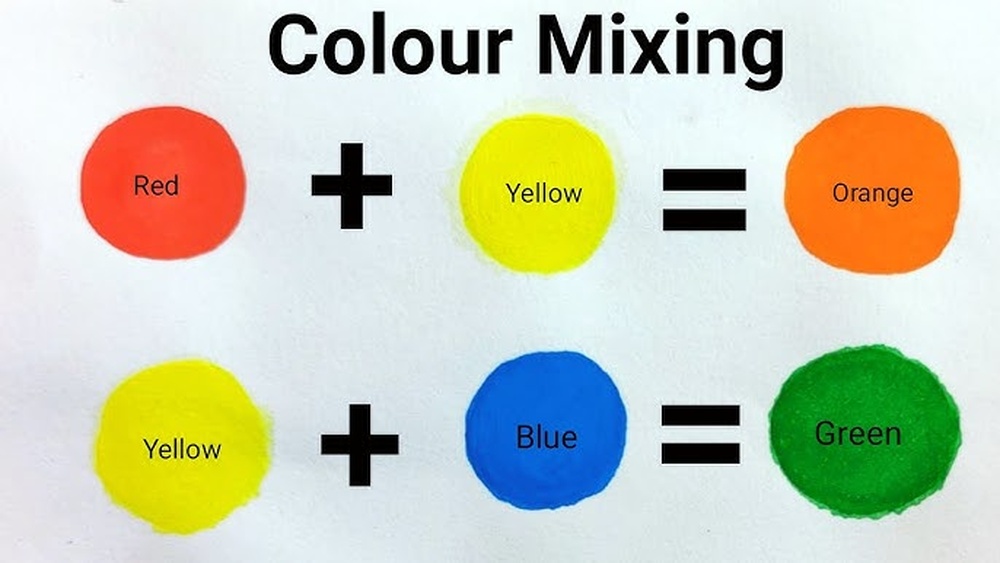
Creating the color orange starts with two simple primary colors. These colors are red and yellow. Mixing these two colors in equal parts produces a bright, vibrant orange.
You can change the shade of orange by changing the amount of red or yellow. More red makes the orange deeper and richer. More yellow creates a lighter, brighter orange.
Red
Red is a warm, bold primary color. It is one of the base colors needed to make orange. Use a true red, not one mixed with other shades. This helps get a pure orange color.
Yellow
Yellow is the second primary color needed. It is bright and sunny. Use a clear, bright yellow to mix with red. This creates a fresh and lively orange color.
Mixing Equal Parts
Mixing equal parts is the simplest way to make orange color. By combining the same amounts of red and yellow, you get a bright, balanced orange. This method gives a pure orange without leaning too much toward red or yellow.
Start with basic red and yellow paint or pigments. Use a clean palette and a brush or mixing stick. Place one scoop of red and one scoop of yellow side by side. Then blend them thoroughly until the color is even.
This equal mixing approach works well for beginners. It helps you understand how colors combine to form new hues. From this base orange, you can explore lighter or darker tones by adding other colors.
Choosing The Right Red And Yellow
Not all reds and yellows produce the same orange. Warm reds like cadmium red create a rich orange. Bright yellows such as cadmium yellow yield a vibrant mix. Experiment with different shades for varied results.
Tools For Mixing Equal Parts
Use a flat palette or mixing tray for easy blending. A palette knife or brush can mix colors smoothly. Measuring spoons or small containers help keep portions equal. Clean tools prevent muddy colors.
Adjusting The Texture And Consistency
Mix slowly to control the texture. Add small amounts of paint gradually. A thicker mix suits canvas painting. Thinner mixes work better for watercolor or washes. Consistency affects how the color applies and dries.
Adjusting Red Ratio
Adjusting the red ratio is key to making the perfect orange color. Orange is made by mixing red and yellow. Changing the amount of red changes the shade of orange. More red creates a deeper, richer orange. Less red makes the orange brighter and closer to yellow.
Finding the right balance of red helps you get the exact orange you want. Small changes in red can make a big difference in the color’s warmth and intensity.
Adding More Red For A Warm Orange
Adding more red gives the orange a warm, fiery look. This makes the color appear bold and strong. Use this shade for fall themes or sunset scenes. It works well in art to show heat or energy.
Using Less Red For A Bright Orange
Using less red makes the orange lighter and more vibrant. It looks fresh and sunny. This bright orange is great for cheerful designs and summer art. It feels lively and full of energy.
Balancing Red With Yellow
Always mix red with yellow slowly. Add red in small amounts to avoid making the orange too dark. Mix well after each addition. This helps you see the true color before adding more red.
Testing Shades On Paper
Test your orange on a scrap piece of paper. This shows how the color looks when dry. Some reds can change tone after drying. Testing helps you adjust the red ratio perfectly before using the paint on your main project.

Credit: www.youtube.com
Adjusting Yellow Ratio
Adjusting the yellow ratio is key to making the perfect orange color. By changing how much yellow you add, you control the warmth and brightness of the orange. More yellow makes the orange lighter and more vibrant. Less yellow results in a deeper, redder orange.
Small changes in yellow can create many shades of orange. Experimenting with the yellow ratio helps you find the exact tone you want. This section explains how to adjust yellow for different orange hues.
Increasing Yellow For Brighter Orange
Add more yellow to your mix to brighten the orange. This makes the color pop and appear more cheerful. Bright orange suits sunny, energetic designs well.
Reducing Yellow For Deeper Orange
Use less yellow to get a richer, darker orange. This shade feels warmer and more intense. It works great for autumn themes or bold artwork.
Balancing Yellow With Red
Keep the yellow and red balanced for a true, classic orange. Equal parts of both colors create a natural orange tone. Adjust slightly to fine-tune the shade.
Creating Lighter Shades
Creating lighter shades of orange adds softness and variety to your color palette. It makes the orange less intense and more delicate. This technique is useful in painting, design, and crafts.
Lightening orange usually involves mixing it with white or other pale colors. This changes the tone without losing the orange hue. Let’s explore simple ways to create lighter shades of orange.
Adding White To Orange
Mix a small amount of white paint into your orange base. Stir gently and watch the orange become softer and paler. Add white little by little to avoid making the color too dull. This method creates shades like peach and apricot.
Using Yellow For A Warm Light Shade
Add extra yellow to orange to brighten it up. This keeps the color warm and lively. The orange will appear sunnier and more vibrant. Use this mix for lively and cheerful designs.
Mixing With Cream Or Beige
Blend orange with cream or beige to get a warm pastel tone. This mix gives a natural and gentle look. It works well for backgrounds or soft accents in your artwork.
Credit: drawingsof.com
Making Darker Or Muted Orange
Making darker or muted orange tones expands your color palette. It adds depth and subtlety to your artwork or design. Darker oranges give a warm, rich feel. Muted oranges look soft and natural. You can easily create these variations by mixing orange with other colors.
Adding Black To Darken Orange
Mix a small amount of black paint into your orange. Do this slowly to avoid overpowering the orange. Black deepens the shade, creating a darker orange. This is great for shadows or autumn themes. Use sparingly for the best results.
Using Blue To Muted Orange
Add a tiny bit of blue to orange to mute it. Blue tones down the brightness without making it too dark. The color becomes more earthy and calm. This mix is perfect for natural or vintage looks. Experiment with small amounts to find the right balance.
Mixing Brown For Warm Muted Orange
Brown softens orange and gives it a warm, muted tone. Combine orange with a bit of brown paint. This creates a cozy, rustic color. It works well in autumn scenes and natural designs. Adjust the brown quantity to control the warmth.
Using Complementary Colors For Unique Shades
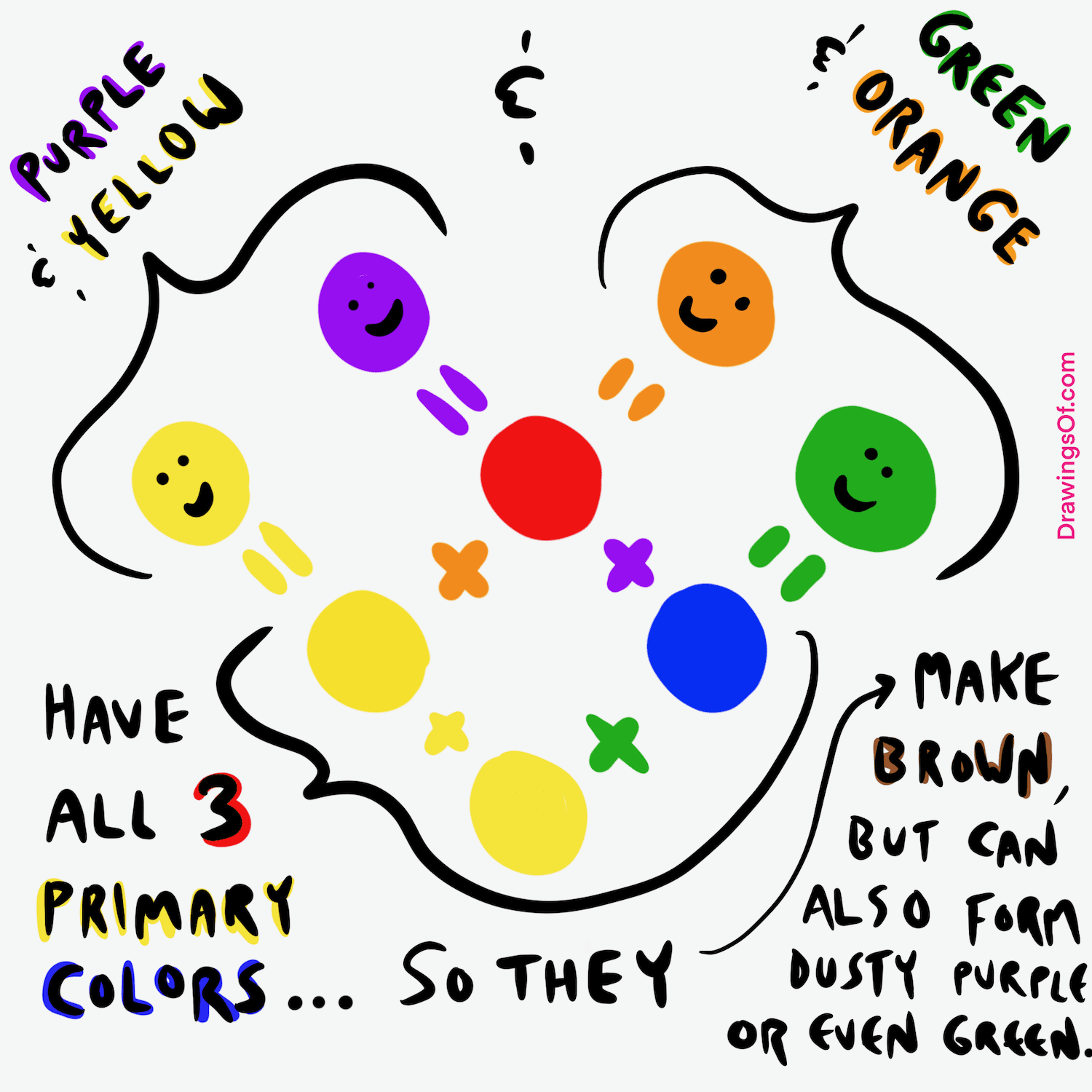
Mix orange with its complementary colors for unique effects. Green or blue can mute or darken orange effectively. These mixes produce complex, interesting shades. They add character to your color choices. Try different combos to see what suits your project.
Using Different Paint Types
Using different paint types affects how you mix and create the perfect orange color. Each paint type has unique qualities. These qualities change how colors blend and appear on the surface.
Understanding these differences helps you choose the right paint for your project. It also improves your mixing results and final artwork.
Using Acrylic Paint
Acrylic paint dries quickly and has a smooth finish. It mixes well with other colors. To make orange, blend equal parts of red and yellow. Adjust the shades by adding more red or yellow. Acrylic paint allows easy layering and vibrant colors.
Using Oil Paint
Oil paint takes longer to dry than acrylic. This gives more time to mix colors on the canvas. Mix red and yellow to get orange. You can create softer blends by adding small amounts of white or brown. Oil paint offers rich, deep colors and smooth texture.
Using Watercolor Paint
Watercolor paints are transparent and light. Mix red and yellow on a wet brush to make orange. The color looks softer and lighter than acrylic or oil. Layering colors creates different shades of orange. Watercolors are great for delicate and bright effects.
Common Mistakes To Avoid
Making the perfect orange color can be fun but tricky. Many beginners make simple mistakes that affect the final shade. Avoiding these errors helps create a bright, balanced orange every time.
Understanding the common pitfalls saves time and paint. Learn what to watch for during mixing to get the shade you want.
Using Unequal Amounts Of Red And Yellow
Orange comes from mixing red and yellow equally. Too much red makes the orange dark and redder. Too much yellow makes it lighter and more yellowish. Measure colors carefully for a balanced orange.
Ignoring The Type Of Paint
Different paints react differently when mixed. Acrylic, oil, and watercolor paints blend in unique ways. Check the paint type before mixing. It helps predict how the colors will combine.
Adding Too Much White Or Black
White lightens orange to peach, but adding too much makes it dull. Black darkens orange but can make it muddy. Add these colors in small amounts and test often.
Not Mixing Thoroughly
Incomplete mixing causes uneven color patches. Stir the paints well until fully blended. This ensures a smooth and consistent orange shade.
Using Impure Or Contaminated Colors
Dirty brushes or containers can change the color outcome. Always use clean tools to avoid unwanted color shifts. Pure red and yellow give the best orange result.
Testing Your Orange Shades
Mix red and yellow paint to create the orange color. Adjust shades by adding more red for warmth or more yellow for brightness. Lighten orange with white or darken it using a small amount of blue or black.
Observe Color Consistency
Check your orange shade under natural light. Colors may look different indoors. Compare the paint on a white surface. This helps see the true orange tone clearly. Avoid mixing large batches before testing.
Test On Different Surfaces
Apply your orange mix on paper, canvas, or fabric. Each surface shows color differently. This reveals if your orange suits your project. Wait for the paint to dry fully. Dry colors often appear darker or duller.
Adjust For Desired Shade
Add small amounts of red or yellow to tweak your orange. Add white paint to lighten the shade. Mix in a tiny bit of blue or black to darken it. Test each change in small amounts first. This avoids ruining your whole mix.
Compare With Standard Oranges
Keep a sample of a standard orange color for reference. Compare your mix side by side to this sample. This helps measure how close your orange is. Adjust your mix based on this visual check. It ensures your orange is just right.
Tips For Vibrant Results
Creating a bright and vivid orange color requires some careful steps. Simple mixing of red and yellow might not give the best result. Small changes in technique can make your orange stand out beautifully.
Follow these tips to get a clear and lively orange shade every time. They help avoid dull or muddy colors.
Use Pure Primary Colors
Start with pure red and yellow paints or pigments. Avoid colors that already have other tones mixed in. Pure colors combine better and produce a cleaner orange.
Mix In Small Batches
Mix a little paint at a time. This helps you control the shade easily. You can add more red or yellow slowly until you get the right orange tone.
Test On White Surface
Always check your mixed color on a white paper or canvas. White shows the true color without changing it. This makes it easier to see if your orange is bright enough.
Avoid Overmixing
Mix colors just enough to combine them. Too much mixing can dull the color. Stop as soon as the orange looks even and smooth.
Adjust With White For Lighter Shades
Add small amounts of white paint to lighten the orange. This creates soft, pastel tones like peach. Add white slowly to keep the color vibrant.
Keep Your Tools Clean
Use clean brushes or mixing tools. Leftover paint can change your color. Clean tools help keep your orange bright and true.

Credit: smart.dhgate.com
Frequently Asked Questions
What Two Colors Make Orange?
Mix red and yellow paint to make orange. Equal parts create true orange. Adjust ratios for different shades.
Do Yellow And Red Make Orange?
Yes, mixing yellow and red creates orange. Use equal parts for true orange. Adjust ratios for lighter or darker shades.
What Two Food Colors Make Orange?
Mixing red and yellow food colors creates orange. Adjust amounts to get different shades of orange easily.
Can Red And Green Make Orange?
Red and green do not make orange. Mixing red and yellow creates orange, as red and yellow are primary colors. Green is a mix of blue and yellow, so combining red and green results in brown or gray, not orange.
What Two Colors Make Orange?
Mixing red and yellow colors creates orange.
How Do I Make Light Orange Color?
Add white to orange paint for a lighter shade.
Can I Mix Orange Using Acrylic Paints?
Yes, mix red and yellow acrylic paints to make orange.
How To Make Dark Orange Color?
Add a small amount of black or brown to orange.
What Shades Of Orange Can I Create?
You can create peach, burnt orange, and coral by adjusting colors.
How Much Red And Yellow To Use For Orange?
Use equal parts of red and yellow for standard orange.
Conclusion
Creating orange color is simple by mixing red and yellow. Adjust the amounts to get your preferred shade. Add white to lighten the orange, or a bit of black or blue to darken it. Practice mixing to find the perfect tone for your project.
Enjoy experimenting with colors and have fun creating your own unique orange!